
By Nature Nestia Team | Updated: May 2026 | 12 min read
Table of Contents
- What Are Sensory Activities for Toddlers?
- Why Sensory Activities for Toddlers Are So Important
- The 7 Senses — What Sensory Activities Actually Target
- 25 Best Sensory Activities for Toddlers
- Sensory Activities for Toddlers Using Water
- Sensory Activities for Toddlers Using Sand and Rice
- Sensory Activities for Toddlers Using Dough and Clay
- Sensory Activities for Toddlers for Calm and Focus
- Outdoor Sensory Activities for Toddlers
- Sensory Activities for Toddlers With Autism or SPD
- How to Set Up a Sensory Station at Home
- Safety Tips for Sensory Activities for Toddlers
- Final Thoughts
What Are Sensory Activities for Toddlers? {#what-are}
Sensory activities for toddlers are hands-on play experiences that intentionally engage one or more of a child’s senses — touch, sight, sound, smell, taste, movement, and body awareness.
Unlike passive entertainment like watching a screen, sensory activities for toddlers require children to actively explore, discover, and interact with the materials around them.
A toddler squeezing playdough is doing sensory play. A child splashing in a water table is doing sensory play. A baby buried up to their ankles in dry rice, wiggling their toes — that is sensory play too.
These experiences look simple from the outside. But inside your toddler’s brain, something remarkable is happening: millions of neural connections are forming, strengthening, and organizing with every squeeze, splash, and squish.
📌 Key fact: According to Zero to Three, the first three years of life represent the most critical window for sensory brain development — making sensory activities for toddlers one of the highest-impact investments a parent can make.
For more on supporting your baby’s development from the very beginning, read our complete guide on activities for babies at home from 0 to 18 months.
Why Sensory Activities for Toddlers Are So Important {#why-important}
Many parents wonder whether sensory play is just messy fun — or whether it actually matters developmentally.
The answer is clear: sensory activities for toddlers are one of the most powerful developmental tools available to parents, and the science behind them is compelling.
Brain Development
Every new sensory experience creates new neural pathways in a toddler’s brain. The more varied and rich the sensory input, the more complex and capable the developing brain becomes.
Research from the Center on the Developing Child at Harvard University shows that early sensory experiences literally shape the physical architecture of the brain — with effects that last a lifetime.
Language Development
Sensory activities for toddlers provide natural, rich opportunities for vocabulary building. “Sticky,” “slimy,” “rough,” “smooth,” “cold,” “warm,” “heavy,” “light” — these descriptive words emerge naturally during sensory exploration in a way that flashcards never achieve.
Emotional Regulation
Deep pressure, rhythmic movement, and tactile input activate the parasympathetic nervous system — the body’s calm-down system.
This is why so many parents notice that sensory activities for toddlers dramatically reduce tantrums, meltdowns, and anxious behavior. The nervous system gets the input it needs and settles.
Fine Motor Skills
Pinching, pouring, squeezing, scooping, and manipulating sensory materials all strengthen the small muscles of the hands and fingers — building the fine motor foundation needed for writing, drawing, and self-care tasks.
Scientific Thinking
Sensory exploration is essentially toddler science. “What happens if I squeeze this?” “What does this feel like?” “What happens when I mix these two things?” These are the earliest forms of hypothesis, experiment, and observation.
Social Skills
Sensory activities for toddlers done alongside other children naturally build turn-taking, sharing, and cooperative play — foundational social skills for preschool and beyond.
The 7 Senses — What Sensory Activities Actually Target {#7-senses}
Most people know about the five basic senses. But child development experts recognize seven senses — and the best sensory activities for toddlers target all of them:
| Sense | What It Involves | Example Activity |
|---|---|---|
| Touch (Tactile) | Skin sensation — texture, temperature, pressure | Playdough, sensory bins |
| Sight (Visual) | Color, light, movement, depth | Color sorting, light table play |
| Sound (Auditory) | Volume, rhythm, pitch, tone | Music, nature sounds, instruments |
| Smell (Olfactory) | Scents and aromas | Scented playdough, herb gardens |
| Taste (Gustatory) | Flavor exploration | Tasting new foods, cooking activities |
| Movement (Vestibular) | Balance, spinning, swinging | Rocking, rolling, swinging |
| Body Awareness (Proprioceptive) | Muscle and joint pressure | Jumping, carrying, pushing, pulling |
The most powerful sensory activities for toddlers engage multiple senses simultaneously — creating richer, more complex neural connections.
25 Best Sensory Activities for Toddlers {#25-best}
Here are 25 of the most effective, enjoyable, and parent-tested sensory activities for toddlers — organized by type and material.
Sensory Activities for Toddlers Using Water {#water}
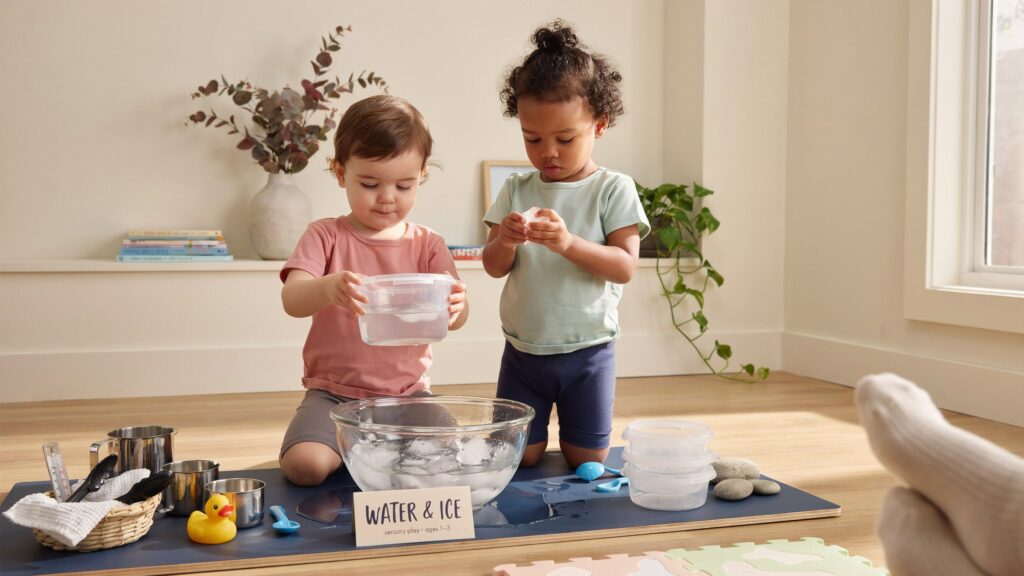
Water is the most universally loved sensory material for toddlers — endlessly fascinating, completely natural, and requiring zero preparation.
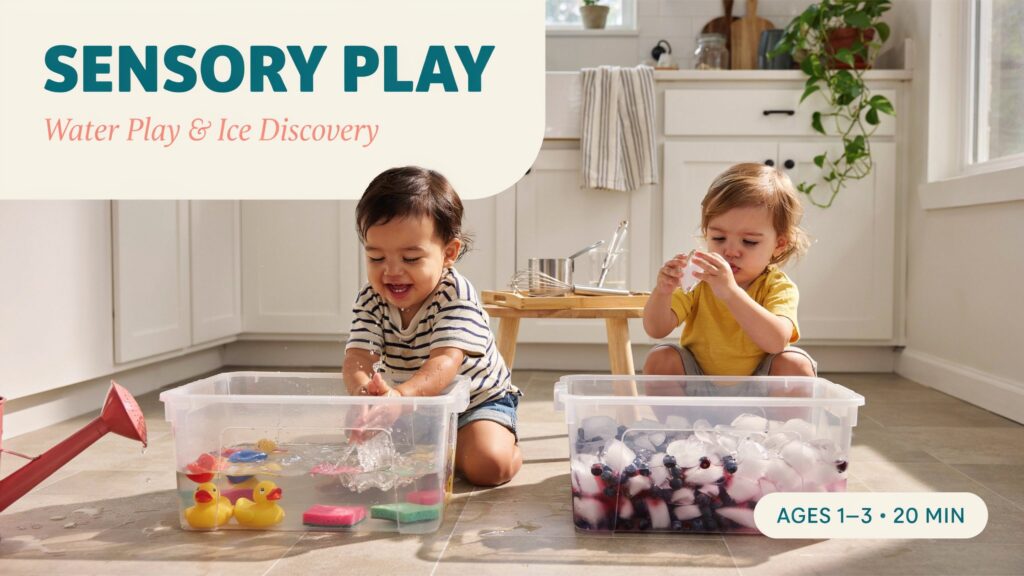
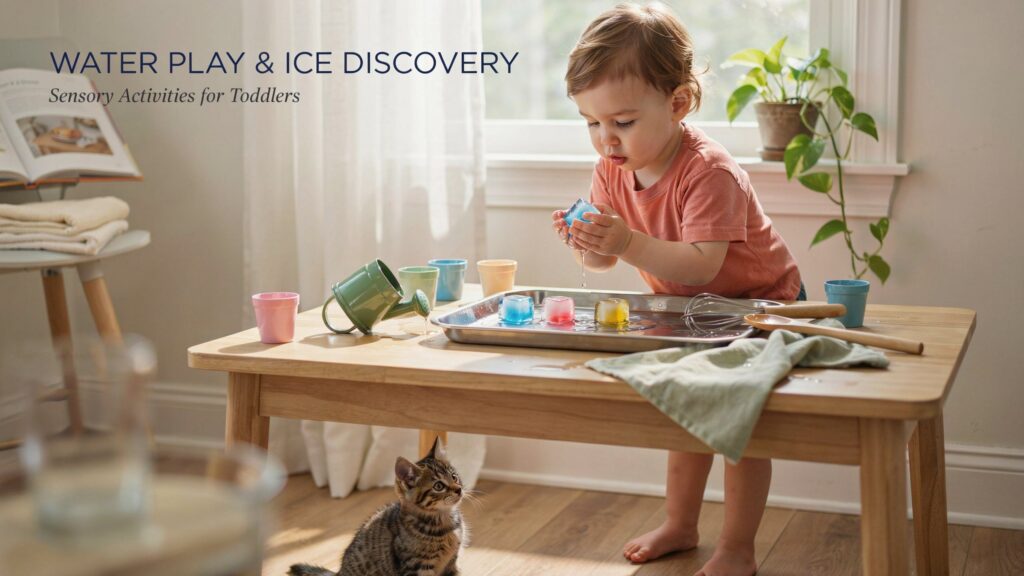
1. Water Sensory Bin
Fill a large plastic bin with water and add:
- Measuring cups and spoons
- Small plastic cups
- Funnels
- Floating toys
- Ice cubes
- Food coloring (a few drops)
Place it on a waterproof mat and let your toddler pour, splash, and explore freely.
This is one of the most calming sensory activities for toddlers — the sound and feel of water is naturally regulating for the nervous system.
Senses targeted: Touch, sight, sound Best for: Ages 18 months – 4 years Setup time: 2 minutes
2. Frozen Sensory Discovery
Freeze small toys, plastic animals, or colored pompoms inside large blocks of ice. Place the ice blocks in a bin and give your toddler warm water, droppers, and small tools to excavate the treasures.
The temperature contrast, the slow reveal, and the excitement of discovery make this one of the most engaging sensory activities for toddlers in your entire toolkit.
Senses targeted: Touch (temperature), sight Best for: Ages 2–5 years Setup time: Freeze overnight
3. Bubble Sensory Play
Fill a bin or bathtub with water and a generous amount of dish soap. Use a whisk or hand blender to create mountains of bubbles.
Add toys, spoons, and cups. Let your toddler scoop, blow, and explore the bubbles freely.
Senses targeted: Touch, sight, smell Best for: Ages 18 months – 4 years Setup time: 3 minutes
4. Car Wash Sensory Station
Set up small toy cars, a bin of soapy water, and small sponges or toothbrushes. Let your toddler wash all their toy vehicles.
This purposeful, structured sensory activity for toddlers engages both the sensory system and the toddler’s deep need to feel capable and helpful.
Senses targeted: Touch, sight Best for: Ages 2–5 years Setup time: 5 minutes
5. Rain in a Jar Science Sensory Play
Fill a glass jar with water. Add a thick layer of shaving cream on top. Slowly drip food coloring onto the shaving cream and watch as “rain” falls through when the color becomes heavy enough.
This mesmerizing sensory activity for toddlers combines visual wonder with early science observation.
Senses targeted: Sight, touch Best for: Ages 3–6 years Setup time: 5 minutes
Sensory Activities for Toddlers Using Sand and Rice {#sand-rice}
Dry sensory materials like sand, rice, and dried pasta are among the most calming and versatile sensory activities for toddlers.
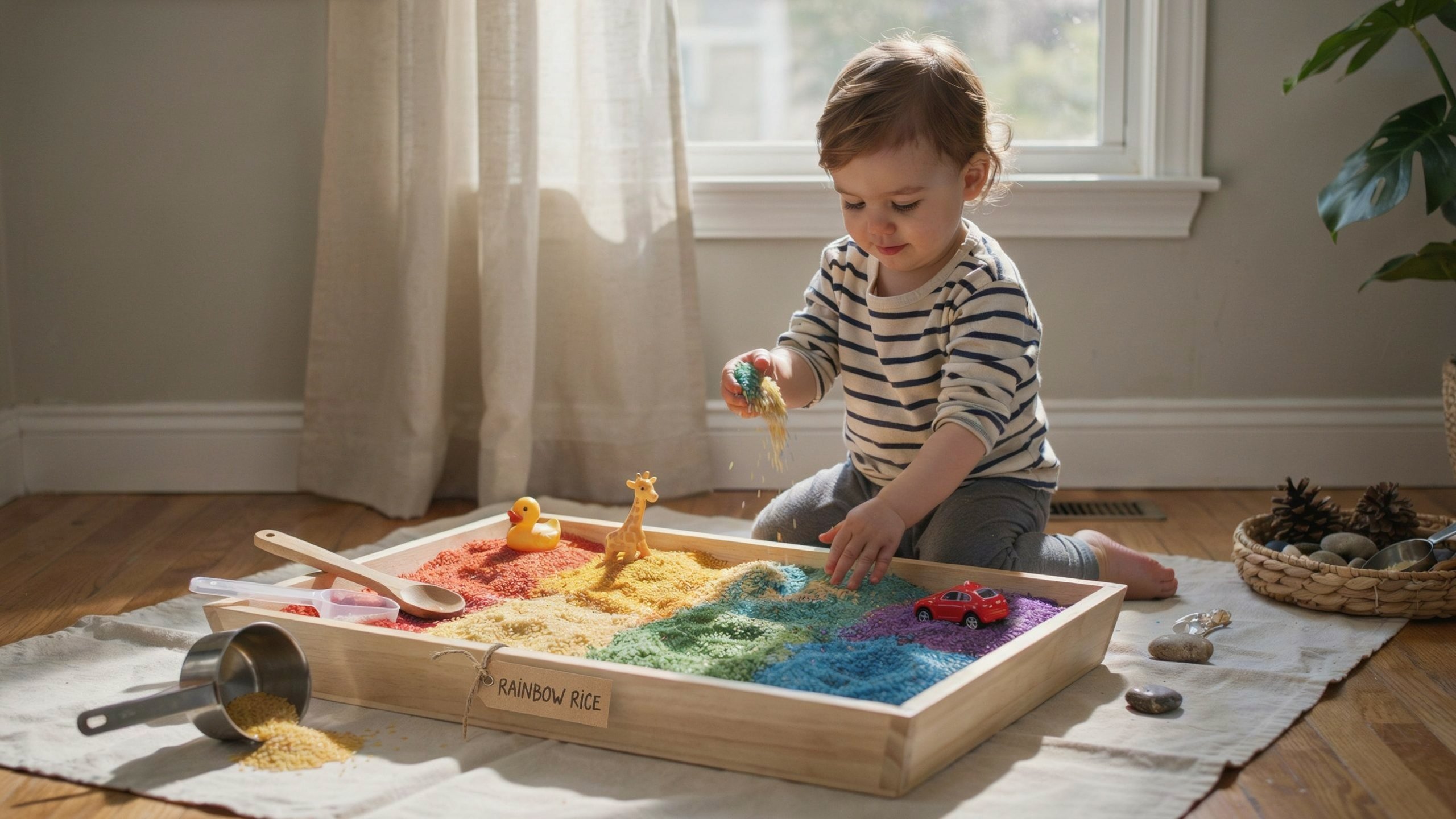
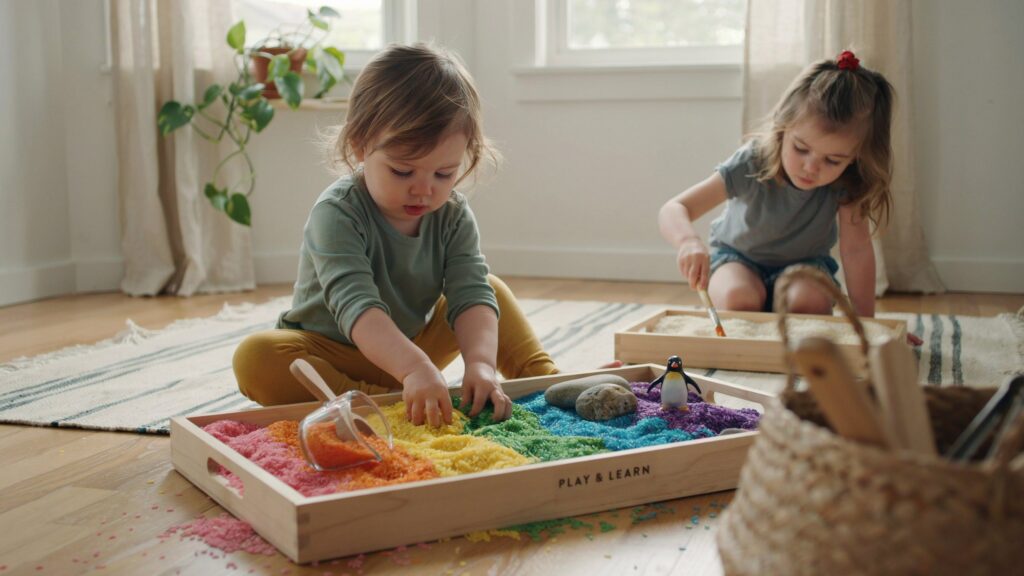
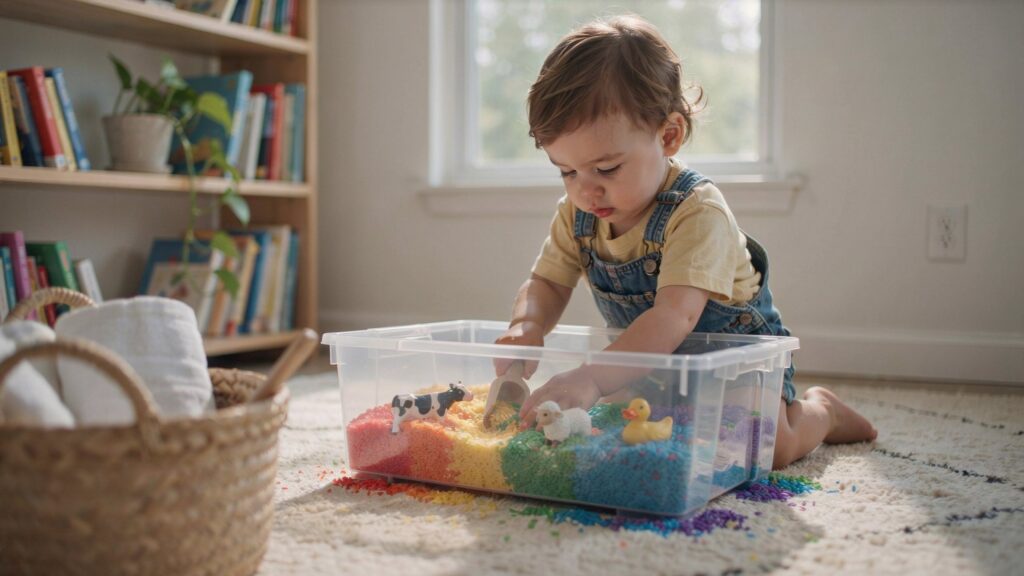
6. Rainbow Rice Sensory Bin
Dye dried white rice in multiple colors using food coloring and a small amount of vinegar. Dry completely, then mix all colors in a large bin.
Add scoops, cups, funnels, and small toys to hide and find.
The visual beauty of rainbow rice combined with the calming sound and feeling of running rice through fingers makes this one of the most beloved sensory activities for toddlers worldwide.
Senses targeted: Touch, sight, sound Best for: Ages 18 months – 4 years Setup time: 30 minutes to dye + dry time
7. Kinetic Sand Exploration
Kinetic sand is a magical sensory material — it flows like sand but sticks together like wet sand. It can be molded, cut, and shaped endlessly without crumbling.
The tactile experience of kinetic sand is deeply satisfying for toddlers and provides excellent proprioceptive input.
Senses targeted: Touch Best for: Ages 3+ years Setup time: None — pour and play
8. Dinosaur Dig Sensory Bin
Fill a bin with kinetic sand or dried rice. Bury plastic dinosaurs throughout. Give your toddler a small brush and pretend tools to excavate like a paleontologist.
The narrative element of this activity — “you are a dinosaur scientist!” — adds imaginative play to the sensory experience, making it one of the most enriching sensory activities for toddlers for creative development.
Senses targeted: Touch, sight Best for: Ages 2–6 years Setup time: 10 minutes
9. Moon Sand
Mix 8 cups of plain flour with 1 cup of baby oil. The result is a soft, moldable, crumbly sensory material that toddlers love.
Moon sand is one of the easiest and most affordable DIY sensory activities for toddlers — the ingredients cost almost nothing and the result keeps children engaged for long stretches.
Senses targeted: Touch, smell Best for: Ages 2–5 years Setup time: 5 minutes
10. Color Sorting Sensory Bin
Fill a bin with dried lentils, pasta, or rice. Hide colored pompoms, buttons, or small toys throughout. Provide color-coded cups for sorting.
This activity combines the calming tactile experience of a sensory bin with early color learning and fine motor skill development — one of the most educational sensory activities for toddlers available.
Senses targeted: Touch, sight Best for: Ages 18 months – 4 years Setup time: 10 minutes
For more color learning ideas to pair with this activity, read our guide on kids learning colors.
Sensory Activities for Toddlers Using Dough and Clay {#dough}
Dough-based sensory activities for toddlers provide exceptional proprioceptive input through the hands and are among the most calming activities available.
11. Classic Homemade Playdough
Recipe:
- 2 cups flour
- 1/2 cup salt
- 2 tablespoons cream of tartar
- 2 tablespoons vegetable oil
- 1.5 cups boiling water
- Food coloring of choice
Mix flour, salt, and cream of tartar. Add oil and boiling water. Stir until dough forms. Knead when cool. Add food coloring.
This homemade playdough is softer, more pliable, and more satisfying than most store-bought versions — making it one of the best DIY sensory activities for toddlers.
Senses targeted: Touch, smell, sight Best for: Ages 18 months – 6 years
12. Scented Playdough
Make the basic playdough recipe and add:
- Vanilla extract → sweet vanilla scent
- Lavender essential oil → calming floral scent
- Lemon extract → fresh citrus scent
- Cocoa powder → chocolate scent
Scented playdough adds an olfactory dimension to standard dough play, making it a richer multi-sensory experience.
Senses targeted: Touch, smell, sight Best for: Ages 2–6 years
13. Textured Playdough Exploration
Mix different materials INTO playdough to create varied textures:
- Sand mixed in → gritty texture
- Dried herbs mixed in → bumpy, fragrant texture
- Glitter mixed in → sparkly visual texture
- Uncooked oatmeal mixed in → rough, bumpy texture
Each variation creates a completely new sensory experience from the same base material.
Senses targeted: Touch, sight, smell Best for: Ages 2–6 years
14. Cloud Dough
Mix 4 cups of flour with 1/2 cup of baby oil. The result is a light, fluffy, crumbly material that feels remarkably like touching a cloud.
Cloud dough is one of the most unique sensory activities for toddlers — the texture is unlike anything else and children are consistently fascinated by it.
Senses targeted: Touch, smell Best for: Ages 2–5 years Setup time: 3 minutes
15. Edible Sensory Dough
For very young toddlers who still put everything in their mouths, edible sensory dough is ideal.
Simple edible recipe:
- 1 cup peanut butter (or sunflower butter for nut-free)
- 1 cup oats
- 2–4 tablespoons honey
Mix together. Add oats until the desired consistency is reached. Completely safe to taste, smell, and explore.
Senses targeted: Touch, taste, smell Best for: Ages 12 months – 3 years
Sensory Activities for Toddlers for Calm and Focus {#calm}
Some of the most valuable sensory activities for toddlers are specifically designed to calm an overwhelmed or dysregulated nervous system.
16. Sensory Bottles
Fill clear plastic bottles with:
- Water + glitter + glitter glue (calming glitter bottle)
- Water + blue food coloring + small shells (ocean bottle)
- Water + baby oil + food coloring (lava lamp bottle)
- Dried rice or beads (sound bottle)
Seal completely with superglue. Let your toddler shake, turn, and watch.
Glitter sensory bottles are used by therapists worldwide as sensory activities for toddlers who need help calming down. The slow settling of glitter is hypnotically soothing.
Senses targeted: Sight, sound, touch Best for: Ages 12 months – 4 years Setup time: 10 minutes
17. Weighted Blanket Burrito Roll
Lay a blanket flat. Have your toddler lie at one edge and roll them gently into a “burrito.” Apply gentle firm pressure along the length of the roll.
This deep pressure input — called proprioceptive input — is profoundly calming for dysregulated toddlers and children with sensory processing differences.
Senses targeted: Proprioceptive (body awareness) Best for: Ages 2–5 years Setup time: Zero
18. Finger Painting
Pour washable finger paint directly onto a tray, table, or large paper. Let your toddler explore freely with no instructions or expectations.
The combination of color, texture, and free creative expression makes finger painting one of the most joyful and developmentally rich sensory activities for toddlers available.
Senses targeted: Touch, sight Best for: Ages 12 months – 5 years Setup time: 5 minutes
For more on developing your child’s coloring and art habits, read our guide on coloring habits of kids.
Outdoor Sensory Activities for Toddlers {#outdoor}
Nature is the original sensory playground — and outdoor sensory activities for toddlers combine fresh air, physical movement, and rich natural stimulation.
19. Mud Kitchen
Create a simple outdoor mud kitchen using an old tray, spoons, cups, and pots. Add soil, water, leaves, sticks, and pebbles. Let your toddler cook, mix, and create freely.
Mud play is one of the most complete sensory activities for toddlers — it engages touch, smell, sight, and proprioception simultaneously. Research also shows exposure to natural soil bacteria supports healthy immune system development.
Senses targeted: Touch, smell, sight Best for: Ages 18 months – 6 years
20. Nature Texture Walk
Collect a variety of natural materials on a walk: a smooth pebble, a rough bark piece, a soft leaf, a prickly pine cone, a silky flower petal.
Lay them out and have your toddler touch each one. Describe the textures together: “This one is rough! This one is silky soft!”
This simple sensory activity for toddlers builds tactile discrimination, vocabulary, and nature connection all at once.
Senses targeted: Touch, sight, smell Best for: Ages 18 months – 5 years
21. Barefoot Sensory Path
Create a simple outdoor sensory path using different textures:
- Grass section
- Gravel section
- Sand section
- Smooth stepping stones
- Wet sponge section
- Dry leaves section
Have your toddler walk slowly through each section, naming what each texture feels like under their feet.
Barefoot walking is one of the most powerfully grounding sensory activities for toddlers — activating thousands of sensory receptors in the soles of the feet.
Senses targeted: Touch (feet), proprioceptive Best for: Ages 18 months – 5 years
22. Bubble Wrap Stomp
Lay a large sheet of bubble wrap on the floor or ground. Let your toddler stomp, jump, and run across it.
The satisfying popping sensation and sound combined with the physical jumping makes this one of the most purely joyful sensory activities for toddlers imaginable.
Senses targeted: Touch, sound, proprioceptive Best for: Ages 18 months – 5 years Setup time: Zero
Sensory Activities for Toddlers With Autism or SPD {#autism-spd}
Children with autism spectrum disorder or sensory processing disorder (SPD) often have heightened or reduced sensitivity in specific sensory channels.
Sensory activities for toddlers are particularly important for these children — but require thoughtful adaptation.
For Sensory-Seeking Children (Who Need More Input):
- Heavy work activities: carrying weighted bags, pushing laundry baskets, digging in sand
- Deep pressure: firm hugs, weighted blankets, body socks
- Vibration: electric toothbrush on hands, vibrating toys
- Intense textures: kinetic sand, moon sand, thick putty
- Jumping and crashing: crash pad, trampoline, jumping on cushions
For Sensory-Avoiding Children (Who Are Overwhelmed by Input):
- Introduce textures very gradually — start with just watching, then one finger, then full hand
- Never force sensory exploration — this creates long-term aversion
- Use a “just right” level of input — enough to engage without overwhelming
- Create a calm sensory space with soft lighting and minimal noise
- Offer deep pressure before other sensory activities to prepare the nervous system
According to the STAR Institute for Sensory Processing, structured sensory play designed for a child’s specific sensory profile is one of the most effective interventions available for children with SPD.
For more on supporting children with specific developmental needs, read our complete guide on ADHD activities for kids.
How to Set Up a Sensory Station at Home {#setup}
Creating a dedicated space dramatically increases how often children engage with sensory activities for toddlers — and reduces the mental load on parents.
Your Perfect Home Sensory Station
Location: A corner of the kitchen, playroom, or garage — somewhere easy to clean
Containment: A large plastic storage bin or a shower curtain on the floor under the play area
Storage shelves with clear bins labeled:
- Water tools (cups, funnels, droppers)
- Dry materials (rice, pasta, lentils)
- Dough and clay
- Art materials (finger paint, paper)
- Natural materials (stones, shells, pine cones)
Rotation system: Change out 2–3 activities per week to keep sensory play feeling fresh and engaging
Cleaning made easy:
- Keep a dustpan nearby for dry materials
- Use a waterproof mat under all bins
- Keep a spray bottle and cloth for quick wipe-downs
Toddler access: Store at child height so your toddler can independently choose and begin sensory activities without waiting for adult setup — this builds autonomy and reduces demanding behavior.
Safety Tips for Sensory Activities for Toddlers {#safety}
Sensory activities for toddlers are very safe when basic precautions are followed:
Always Supervise
Never leave toddlers unattended during sensory play — especially with water, small objects, or edible materials.
Age-Appropriate Materials
- Under 18 months: avoid small items that are choking hazards
- Under 3 years: use only edible or completely non-toxic materials
- All ages: check for allergies before introducing food-based sensory materials
Hygiene
- Wash hands before and after sensory play
- Replace dry sensory bin materials every 2–4 weeks
- Discard water sensory materials after each use
- Store dough in airtight containers and replace when it develops odor
Allergy Awareness
Many classic sensory recipes use wheat flour or nut products. For children with allergies:
- Replace flour with cornstarch or gluten-free flour
- Replace peanut butter with sunflower seed butter
- Always check ingredient labels on store-bought sensory materials
Watch for Sensory Overload
Some children become overwhelmed rather than calmed by sensory input. Signs of overload include crying, covering ears, running away, or aggressive behavior.
If this happens, remove the material calmly, offer a quiet space and a drink of water, and try a gentler sensory input next time.
Final Thoughts {#final}
Sensory activities for toddlers are not just a way to keep children busy — they are one of the most powerful developmental investments you can make during the most critical window of brain development.
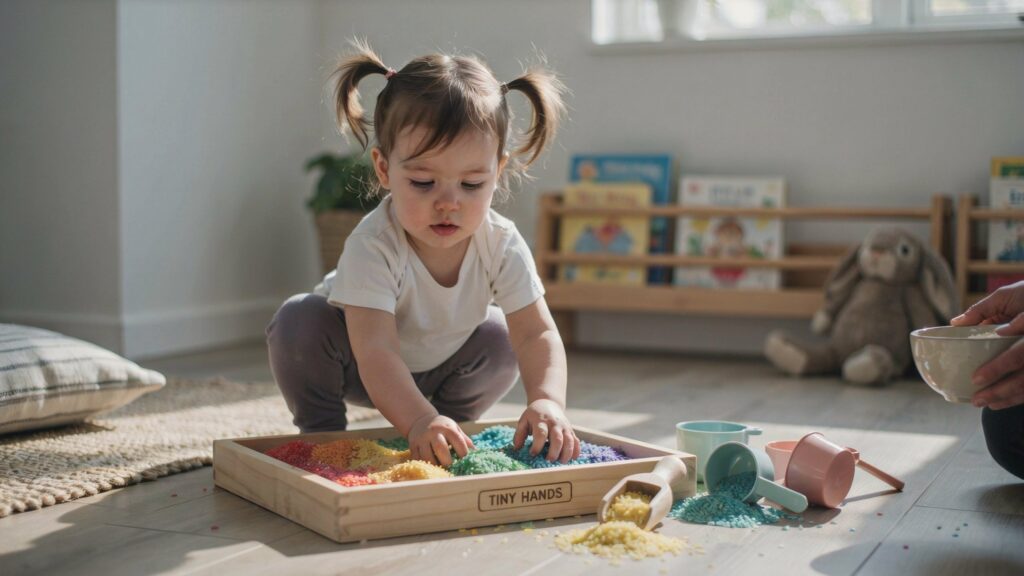
Every time your toddler squishes playdough, scoops rainbow rice, or discovers a frozen treasure in a block of ice, their brain is working harder than it ever does during passive screen time.
And the best part? Most sensory activities for toddlers cost almost nothing. A bin of rice, a batch of homemade playdough, a bowl of soapy water — these simple materials are all your child needs to build the neural foundations that support learning, language, emotion regulation, and creativity for years to come.
Start with one or two activities from this list. Watch your toddler’s face light up with discovery.
That is what growing up is supposed to feel like. 🌈
📌 Also Read on Nature Nestia:
- Kids Learning Colors: 18 Brilliant Activities
- Make Learning Fun for Kids: 20 Brilliant Tricks
- ADHD Activities for Kids: 20 Brilliant Ideas
- Activities for Babies at Home: Complete Guide 0–18 Months
Which sensory activity does your toddler love most? Drop it in the comments — we would love to add your idea to our list!

“I’m Aina Arif, a mama of boy and early childhood education enthusiast. At Nature Nestia, I share fun, simple learning activities that help children grow through play. Based in Pakistan, helping parents worldwide.”