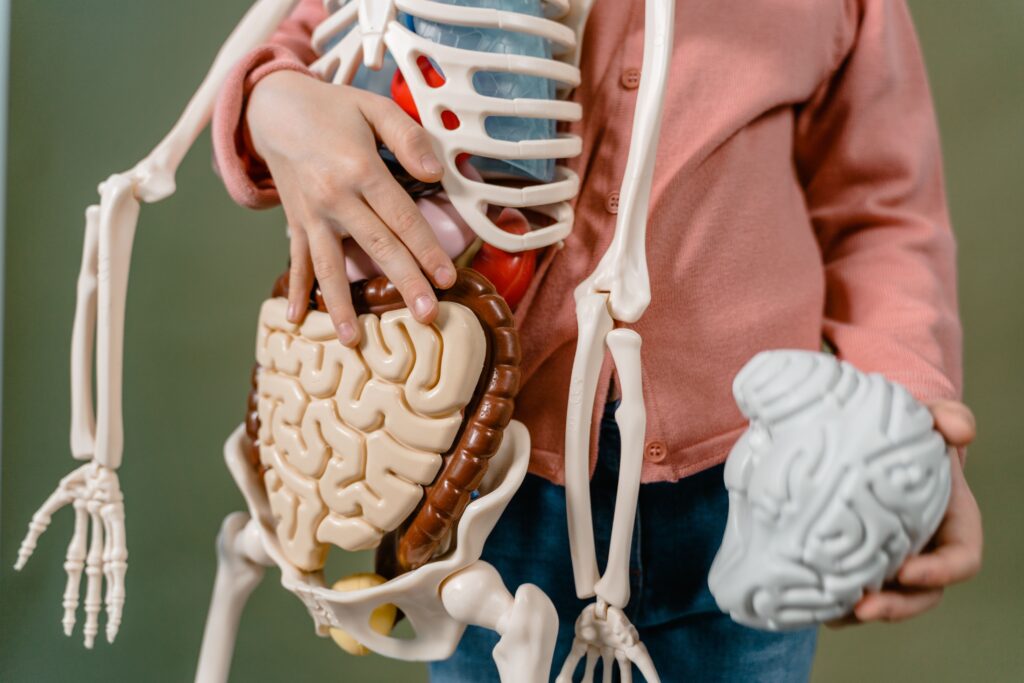
Helping children learn body parts is one of the first and most important milestones in early childhood education. Before kids begin reading or writing, they learn by exploring themselves and the world around them. Knowing the names of body parts improves vocabulary, communication, motor skills, confidence, and even personal safety.
Whether your child is a toddler learning their first words or a preschooler preparing for kindergarten, teaching body parts through fun games, songs, and daily activities makes learning exciting and memorable.
In this complete guide, you’ll discover body part names, their functions, engaging learning activities, printable ideas, songs, games, and expert teaching tips that make learning enjoyable for children of all ages.
Why Is Learning Body Parts Important?
Teaching body parts is much more than helping children memorize words.
Children who know body part names can:
- Build a stronger English vocabulary.
- Follow classroom instructions more easily.
- Develop better listening skills.
- Improve hand-eye coordination.
- Learn healthy habits like washing hands and brushing teeth.
- Explain injuries or discomfort clearly.
- Gain confidence in talking about themselves.
- Understand personal space and body safety.
Research in early childhood education also shows that movement-based learning helps children remember new words much faster than passive learning. Activities involving touching, pointing, jumping, and singing strengthen memory and language development.
When Should Kids Start Learning Body Parts?
Children begin recognizing their own bodies during infancy, but different ages learn different levels of vocabulary.
1–2 Years
Children usually learn simple body parts like:
- Head
- Eyes
- Nose
- Mouth
- Hands
- Feet
- Ears
2–3 Years
Kids can identify and point to:
- Hair
- Fingers
- Toes
- Arms
- Legs
- Belly
- Back
3–5 Years
Preschoolers learn:
- Neck
- Shoulders
- Elbows
- Knees
- Chin
- Cheeks
- Ankles
5–7 Years
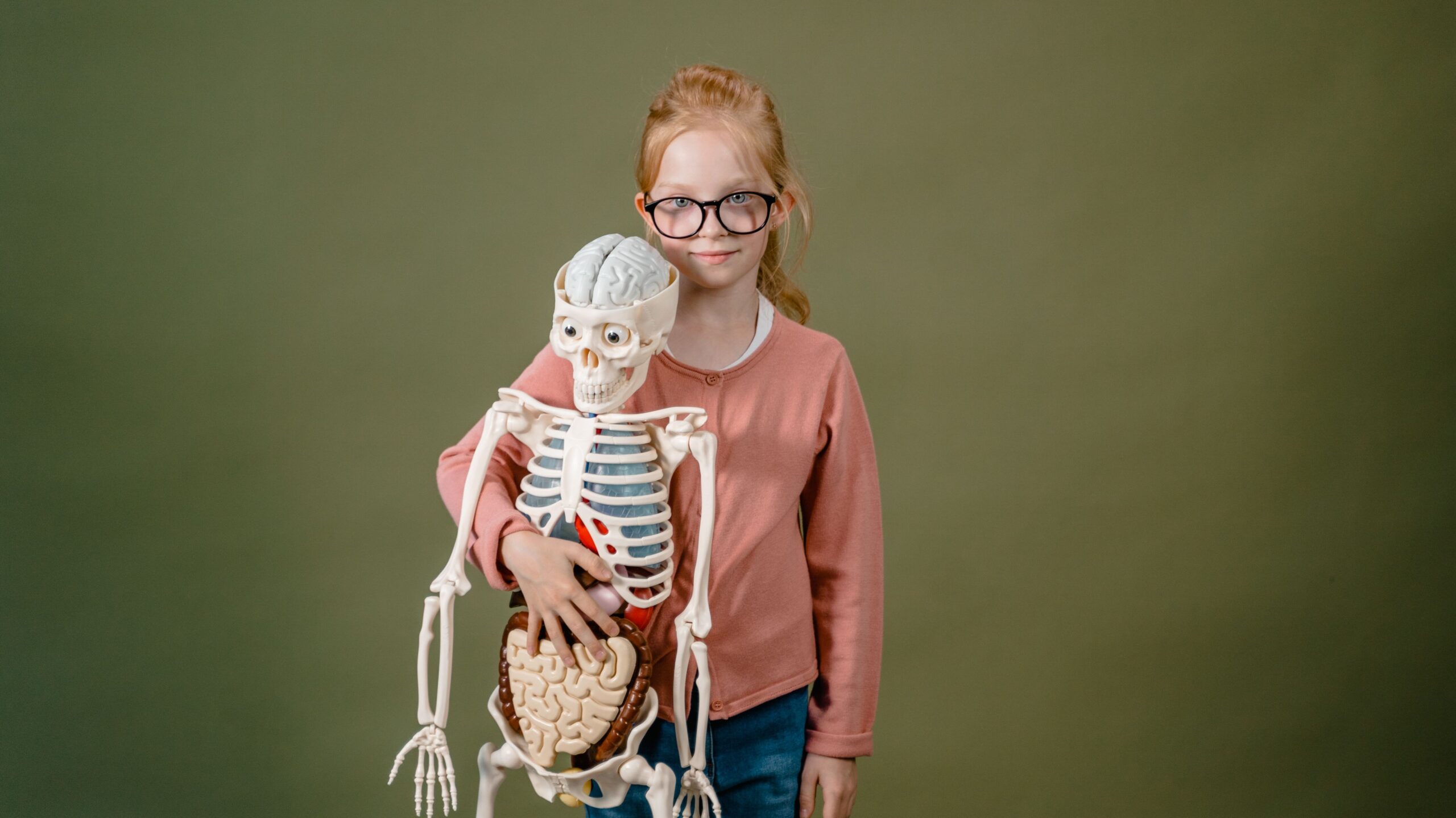
Older children can begin learning:
- Skeleton
- Muscles
- Heart
- Lungs
- Brain
- Stomach
Introducing vocabulary gradually prevents children from feeling overwhelmed while keeping learning enjoyable.
Main Body Parts Every Child Should Know
Here are the essential body parts children should learn first.
| Body Part | What It Does |
|---|---|
| Head | Holds the brain and face |
| Eyes | Help us see |
| Ears | Help us hear |
| Nose | Helps us smell and breathe |
| Mouth | Helps us eat and speak |
| Teeth | Chew food |
| Tongue | Helps taste and talk |
| Neck | Supports the head |
| Shoulders | Connect the arms |
| Arms | Lift and carry objects |
| Hands | Hold, write, and play |
| Fingers | Pick up small objects |
| Chest | Protects important organs |
| Belly | Contains the stomach |
| Back | Supports the body |
| Legs | Help us stand and walk |
| Knees | Bend our legs |
| Feet | Help us balance |
| Toes | Improve balance while walking |
Face Parts for Kids
The face is usually the easiest place for children to begin learning.
Important face vocabulary includes:
- Forehead
- Eyes
- Eyebrows
- Eyelashes
- Nose
- Cheeks
- Mouth
- Lips
- Teeth
- Tongue
- Chin
- Ears
- Hair
A fun mirror activity can help children identify each feature while saying its name aloud.
Fun Ways to Teach Body Parts
Children learn fastest through play.
Some engaging methods include:
- Singing “Head, Shoulders, Knees and Toes”
- Playing Simon Says
- Labeling body parts on dolls
- Drawing life-size body outlines
- Matching picture cards
- Body-part treasure hunts
- Flashcard games
- Action rhymes
- Mirror games
- Movement challenges
These interactive activities keep children actively involved, which improves long-term retention.
Body Parts by Category
Grouping body parts into categories helps children remember them more easily instead of memorizing a long list.
Head and Face
These are usually the first body parts children recognize because they see them every day in the mirror.
- Hair
- Forehead
- Eyes
- Eyebrows
- Eyelashes
- Ears
- Nose
- Cheeks
- Mouth
- Lips
- Teeth
- Tongue
- Chin
Fun question: Which body part helps you smile?
Upper Body
These body parts help children lift, hold, push, pull, and play.
- Neck
- Shoulders
- Chest
- Back
- Arms
- Elbows
- Wrists
- Hands
- Fingers
- Thumb
Try this: Ask your child to touch each upper body part while saying its name aloud.
Lower Body
These body parts help children move, run, jump, and balance.
- Waist
- Hips
- Legs
- Knees
- Ankles
- Feet
- Heels
- Toes
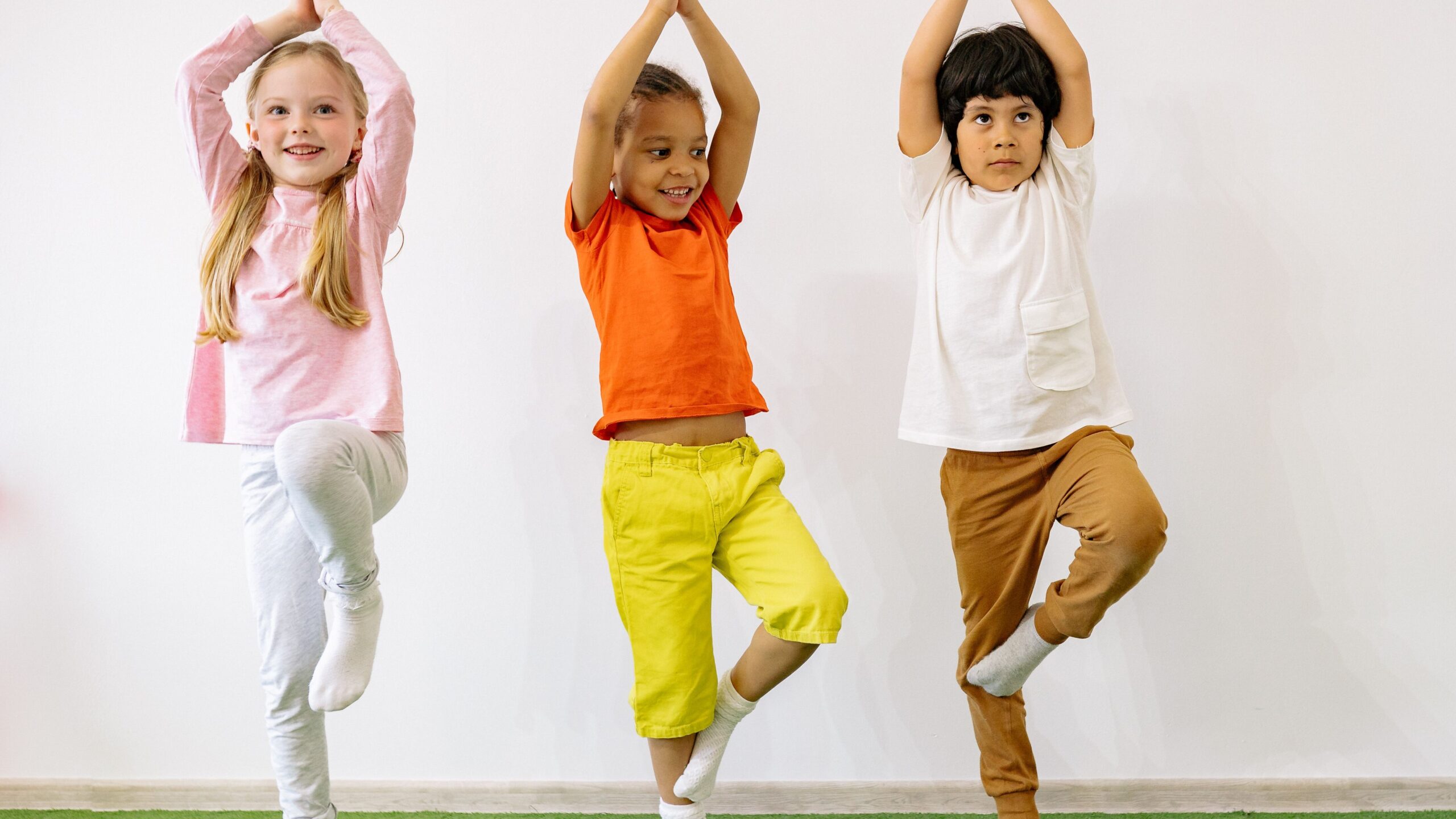
Encourage children to hop on one foot or count their toes to reinforce learning.
What Does Each Body Part Do?
Children remember vocabulary better when they understand the purpose of each body part.
| Body Part | Simple Function for Kids |
|---|---|
| Eyes | Help us see colors, people, and objects. |
| Ears | Help us hear sounds and music. |
| Nose | Helps us smell flowers and breathe air. |
| Mouth | Helps us eat, drink, and speak. |
| Teeth | Bite and chew food. |
| Tongue | Helps us taste food and pronounce words. |
| Hands | Hold toys, write, clap, and wave. |
| Fingers | Pick up small objects and draw. |
| Legs | Help us walk, run, and jump. |
| Feet | Keep us balanced while standing and moving. |
| Brain | Helps us think, learn, and remember. |
| Heart | Pumps blood throughout the body. |
| Lungs | Help us breathe in oxygen. |
| Stomach | Digests the food we eat. |
Easy Body Parts Activities for Kids
Hands-on activities make learning exciting and memorable.
1. Point and Name
Ask your child to point to different body parts as you call them out.
Example:
- Touch your nose.
- Touch your knees.
- Point to your shoulders.
2. Mirror Exploration
Stand with your child in front of a mirror.
Ask questions like:
- Where are your ears?
- Can you find your chin?
- Which part helps you blink?
This activity builds self-awareness and vocabulary.
3. Draw a Person
Give children paper and crayons.
Ask them to draw a person and add:
- Eyes
- Hair
- Arms
- Hands
- Legs
- Feet
- Fingers
Afterward, label each body part together.
4. Body Parts Scavenger Hunt
Write body part names on small cards.
Call out one card at a time, and children race to touch that body part.
This game combines movement with learning.
5. Body Part Dice Game
Create a simple dice with body part names.
Children roll the dice and perform an action.
Examples:
- Touch your elbows.
- Wiggle your fingers.
- Jump using your legs.
- Clap your hands.
6. Body Tracing Activity
Have a child lie on a large sheet of paper while an adult traces their outline.
Then let children:
- Color it.
- Label body parts.
- Add clothes.
- Draw facial features.
This activity is a favorite in preschool classrooms.
Learning Through Daily Routines
You don’t need a classroom to teach body parts. Everyday moments are perfect learning opportunities.
During bath time:
- Wash your hands.
- Clean your ears.
- Wash your feet.
While getting dressed:
- Put your arms in the sleeves.
- Pull up your socks over your feet.
- Zip your jacket near your chest.
During meals:
- We chew with our teeth.
- We taste with our tongue.
- We smell delicious food with our nose.
Using body part names naturally throughout the day helps children learn without feeling like they’re studying.
Best Body Parts Games for Preschoolers
Try these simple games to keep learning fun:
- Simon Says
- Head, Shoulders, Knees and Toes
- Freeze Dance
- Hokey Pokey
- Charades
- Flashcard Matching
- Puzzle Assembly
- Memory Matching
- Body Part Bingo
- Musical Movement
Games encourage active participation, making it easier for children to remember new words.
Tips for Parents and Teachers
To make learning successful:
- Keep lessons short and playful.
- Repeat body part names regularly.
- Praise every effort, even if mistakes are made.
- Use books, songs, and toys to reinforce vocabulary.
- Encourage children to ask questions.
- Practice every day instead of cramming information into one lesson.
- Let children learn through movement rather than memorization alone.
Consistent practice in a positive environment helps children build confidence and retain new vocabulary more effectively.
Best Songs to Help Kids Learn Body Parts
Music is one of the easiest ways for children to remember new words. Songs combine movement, rhythm, and repetition, making learning fun and engaging.
Try encouraging your child to sing while pointing to each body part. Repeating songs every day helps strengthen vocabulary and listening skills.
Popular body parts songs include:
- Head, Shoulders, Knees and Toes
- If You’re Happy and You Know It
- Hokey Pokey
- One Little Finger
- Open Shut Them
To make the songs even more exciting:
- Sing slowly first, then speed up.
- Let children take turns leading the actions.
- Pause the song and ask children to identify a body part before continuing.
- Dance together to improve coordination and balance.
Creative Body Parts Crafts
Craft projects allow children to explore body parts while developing creativity and fine motor skills.
Paper Plate Face
Children decorate a paper plate to create a face.
Materials:
- Paper plate
- Colored paper
- Glue
- Safety scissors
- Markers
Add:
- Eyes
- Nose
- Mouth
- Hair
- Ears
- Eyebrows
Label each feature together.
Handprint Art
Trace your child’s hand on colored paper.
Ideas include:
- Handprint flowers
- Handprint animals
- Family handprint tree
- Rainbow hands
While tracing, count each finger together.
Footprint Painting
Dip children’s feet in washable paint and stamp them onto paper.
Afterward:
- Count toes.
- Compare footprints.
- Decorate them into fish, rockets, or butterflies.
Build a Body Puzzle
Cut out separate body parts from cardboard.
Children assemble:
- Head
- Arms
- Hands
- Legs
- Feet
This activity improves sequencing and problem-solving skills.
Printable Worksheet Ideas
Printable worksheets give children additional practice after hands-on learning.
Ideas include:
Match the Body Part
Draw lines to connect:
- Eye → Picture
- Hand → Picture
- Foot → Picture
Label the Human Body
Children write the correct name beside each body part.
Color the Correct Body Part
Instructions such as:
- Color the nose blue.
- Color the hands green.
- Color the feet yellow.
This combines vocabulary with color recognition.
Count and Circle
Example questions:
- How many fingers do you have?
- How many eyes?
- How many ears?
- How many toes?
Missing Body Parts
Complete unfinished drawings by adding:
- Eyes
- Hair
- Arms
- Legs
- Mouth
Indoor Learning Games
Rainy days are perfect for indoor educational games.
Body Parts Treasure Hunt
Hide flashcards around the room.
Children find one and touch the matching body part.
Guess the Body Part
Describe a body part without saying its name.
Example:
“I help you smell flowers.”
Answer:
Nose
Roll and Move
Write different actions on a dice.
Examples:
- Clap your hands.
- Touch your shoulders.
- Jump three times.
- Wiggle your fingers.
- Blink your eyes.
- Stomp your feet.
Dress-Up Challenge
Ask children to dress a doll while naming body parts.
Example:
- Put the hat on the head.
- Put socks on the feet.
- Put gloves on the hands.
Outdoor Activities
Learning doesn’t have to stay inside.
Try these active games:
- Obstacle course
- Hop on one foot
- Run and touch a tree
- Jump over a line
- Balance on one leg
- Follow the leader
- Nature walk while discussing which body parts are working
After each activity, ask questions such as:
- Which body parts helped you run?
- Which body parts kept your balance?
- Which muscles feel tired?
These conversations help children connect vocabulary with real-life movement.
STEM Connection: How Our Body Works
Introduce simple science concepts using child-friendly language.
The Brain
The brain is like the body’s control center.
It helps us:
- Think
- Learn
- Remember
- Solve problems
The Heart
The heart is a strong muscle.
It pumps blood throughout the body every second.
Ask children to place a hand on their chest after running and feel their heartbeat.
The Lungs
Our lungs help us breathe.
Take a deep breath together and notice how the chest expands.
Bones
Bones give our body shape and support.
Without bones, we couldn’t stand or walk.
Muscles
Muscles help us move every part of our body.
Challenge children to flex their arms and feel their muscles working.
Common Mistakes to Avoid
Parents sometimes unintentionally make learning harder.
Avoid these common mistakes:
- Teaching too many body parts in one lesson.
- Expecting children to memorize without practice.
- Correcting every mistake immediately instead of encouraging effort.
- Skipping games and hands-on activities.
- Using difficult medical terms too early.
- Forgetting to review previously learned vocabulary.
Learning should always feel fun, not stressful.
Quick Review Quiz
Ask your child these simple questions:
- Which body part helps you see?
- What do you use to hear music?
- Which body part helps you smell flowers?
- How many hands do you have?
- Which body parts help you walk?
- What do you use to clap?
- Where is your chin?
- Can you point to your shoulders?
- Which body part pumps blood?
- Which body part helps you think?
Celebrate every correct answer to keep children motivated.
Frequently Asked Questions
At what age should children learn body parts?
Most children begin recognizing simple body parts between 12 and 18 months. By preschool age, they can usually identify many external body parts and understand their basic functions.
What is the easiest way to teach body parts?
The most effective approach combines songs, games, books, daily conversations, and hands-on activities. Repetition through play helps children remember vocabulary naturally.
Why is learning body parts important?
It supports language development, improves communication, builds self-awareness, encourages healthy habits, and helps children describe injuries or discomfort clearly.
How can I make body parts lessons more fun?
Use action songs, flashcards, mirror games, crafts, printable worksheets, scavenger hunts, and movement activities. Mixing different learning styles keeps children engaged.
Should I teach internal organs too?
For toddlers and preschoolers, focus mainly on external body parts. As children grow older, you can introduce simple explanations of organs like the heart, lungs, brain, and stomach.
Conclusion
Learning body parts is one of the first building blocks of early childhood education. By combining songs, games, crafts, movement, and everyday conversations, parents and teachers can help children develop vocabulary, confidence, and a better understanding of how their bodies work.
Keep lessons playful, encourage curiosity, and celebrate every small achievement. With regular practice, children will quickly recognize body parts, understand their functions, and use the correct words in everyday life.

Aina Arif is a mother of two young children and the founder of NatureNestia. Based in Pakistan, she spent three years as an early childhood educator before becoming a full-time parent and writer. She writes about learning through play, managing difficult behaviour, and building strong family bonds.