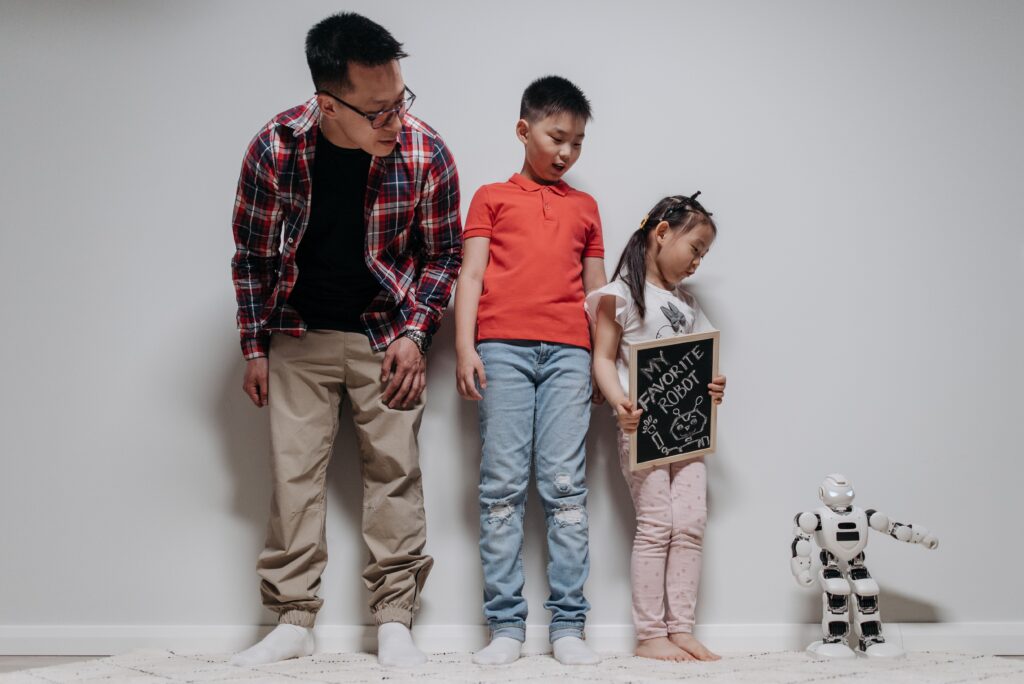
Artificial intelligence has quietly become part of childhood. It’s in the app kids use for math homework, the chatbot they ask when they’re worried about something, and increasingly, the tool parents lean on to plan lessons at home. In 2026, this shift is no longer a prediction — it’s measurable, and the numbers are bigger than most parents realize.
This guide pulls together three things that are usually reported separately: how many children are actually using AI and for what, what peer-reviewed research says about AI’s role in homeschooling, and what parents can practically do to keep AI use safe and useful.
How Many Kids Are Actually Using AI?
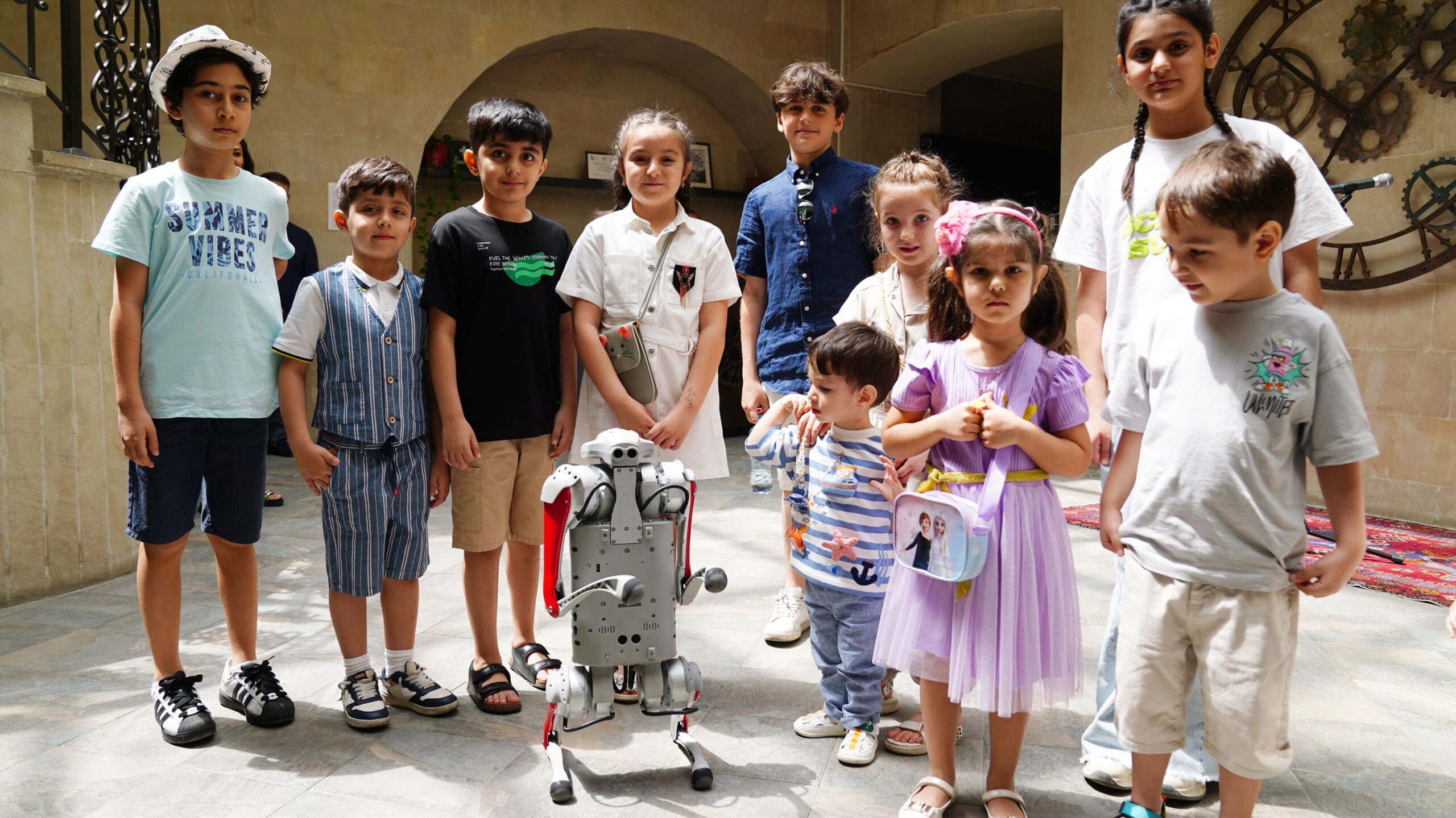
New data released by UNICEF in mid-2026, drawn from 10 countries, puts real numbers behind what many parents already suspected: children are adopting AI faster than adults. According to the findings, at least 20 million children have used AI tools, and young people are adopting the technology at more than three times the rate of adults.
The breakdown of how children use AI is where it gets interesting:
- 13 million children reported using AI specifically to help with schoolwork and homework
- 2 million children — roughly 1 in 10 of those surveyed — said they turn to AI for advice about things that personally worry them
- 1 in 3 children expressed concern that AI could be used to scam people or spread misinformation
- 1 in 4 feared their own images or videos could be manipulated into explicit deepfakes
UNICEF summed up the moment bluntly: a generation of children is effectively growing up inside a live, global experiment with a technology whose long-term effects on development and emotional wellbeing are still being studied. That’s not a reason for panic — but it is a reason for parents to be intentional rather than passive about how AI shows up in their child’s day.
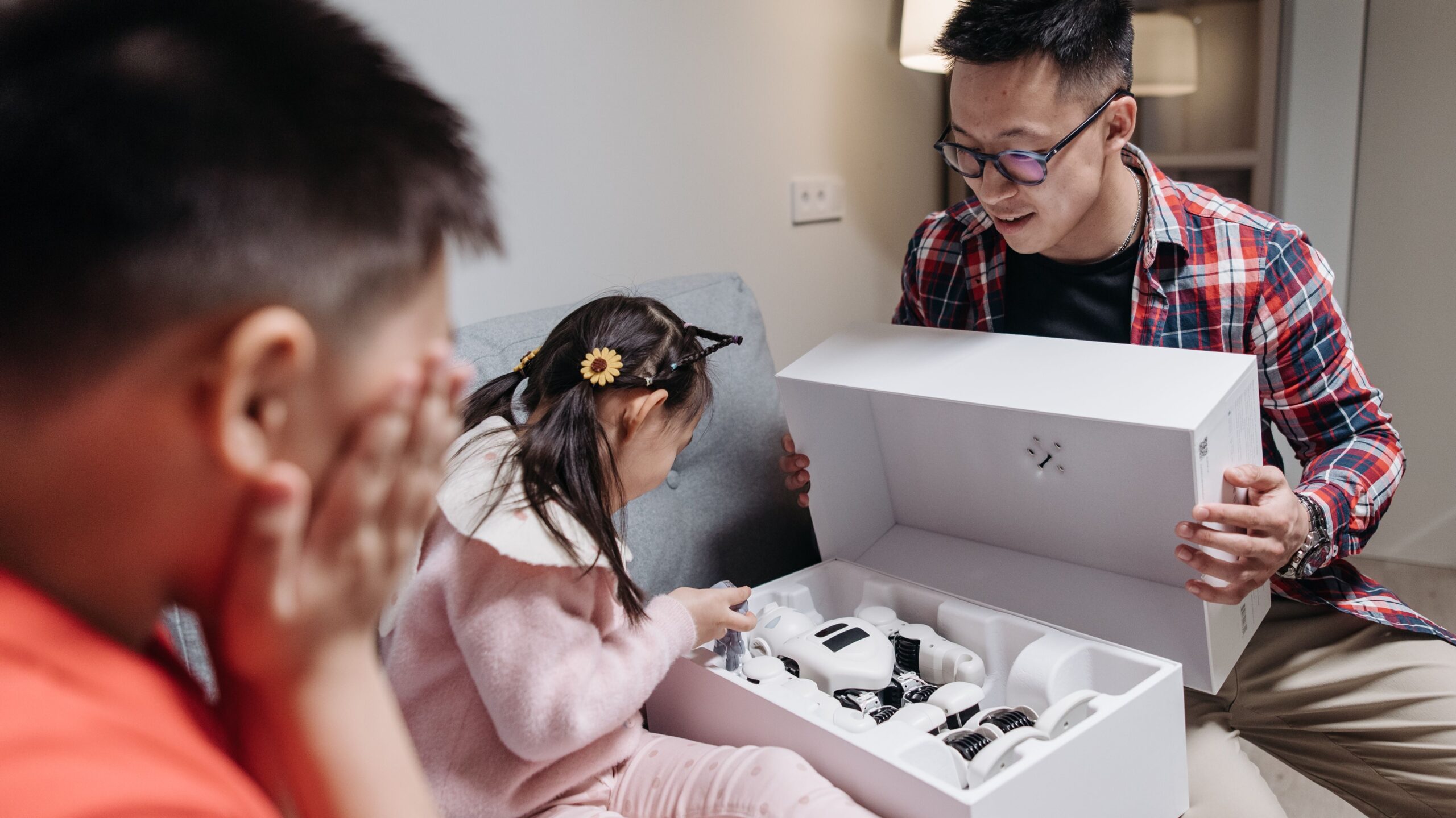
What the Research Says: AI Can Strengthen Homeschooling, Not Just Automate It
Away from the headline stats, researchers have been studying how AI actually functions inside home learning environments — and the findings reframe the usual “AI will replace the teacher” narrative.
A study presented at the 2026 CHI Conference on Human Factors in Computing Systems, co-authored by University of Notre Dame researcher Mohammad Rashidujjaman Rifat, looked at homeschooling families directly. The context matters: more than 3.4 million American children — about 6% of the school-age population — now learn at home, a rate that has grown nearly three times faster than before the pandemic. Similar growth is happening in Canada and the UK.
The researchers built and tested a tool called Homeroom, designed around three principles that most mainstream ed-tech ignores:
- Keeping parents as active decision-makers, not passive supervisors of an automated system
- Culturally responsive personalization — helping families build identity-affirming lesson content rather than generic, standardized material
- Community-based collaboration, letting parents co-create and share materials within trusted homeschooling circles
The key insight: school-focused AI platforms are typically optimized for classroom control, standardized pacing, and scale — priorities that don’t match what homeschooling families actually value, which is flexibility, values-alignment, and community trust. In testing, families used the tool to co-write ethics stories and build curricula that wove in family heritage alongside standard educational benchmarks.
The takeaway for parents: the most effective AI tools for home learning aren’t the ones that do the teaching for you — they’re the ones that make it easier for you to stay in the driver’s seat.
A Practical Safety Checklist for Parents
Given the UNICEF findings — particularly that children are already using AI for emotionally sensitive conversations, not just homework — safety needs to be treated as seriously as pedagogy. Based on current child-safety guidance and the research above, here’s what to look for:
- No open, unsupervised web access. Tools that let kids browse freely alongside AI chat increase exposure to unmoderated content.
- Clear data privacy practices. Look for explicit compliance with child data protection standards (e.g., COPPA in the US) and confirmation that student data isn’t sold or shared.
- Moderated, purpose-built interactions, not a general-purpose chatbot repurposed for kids. General chatbots aren’t designed to recognize when a child is asking for emotional support versus academic help.
- Parent visibility and controls, so you can see what your child is asking and how the AI is responding — not just the final output.
- Age-appropriate content boundaries that are enforced by design, not left to the child’s judgment.
- A defined learning purpose. If a tool can’t explain what pedagogical problem it solves, it’s probably a novelty, not a learning tool.
None of this means avoiding AI altogether — UNICEF itself frames the goal as protection and regulation, not restriction. It means treating AI tools the way you’d treat any other adult in the room with your child: with reasonable vetting, not blind trust.
Where This Leaves Families
The picture that emerges from combining the data and the research is more nuanced than either “AI is dangerous” or “AI is the future of learning” headlines suggest. Tens of millions of children are already using these tools daily, often without much adult visibility into how. At the same time, well-designed AI — particularly tools built with parents as active participants rather than bystanders — is showing real promise in home learning environments specifically.
The practical path forward for most families is the same one researchers are converging on: use AI as a support for the parent’s judgment, not a replacement for it, and choose tools that are transparent about safety, data use, and their actual pedagogical purpose.
Frequently Asked Questions
How many children currently use AI for schoolwork? UNICEF’s 2026 data across 10 countries found that at least 13 million children use AI specifically to help with homework and schoolwork.
Do children use AI for more than just homework? Yes. UNICEF found around 1 in 10 surveyed children — roughly 2 million — use AI to seek advice about personal worries, not just academic help.
Is AI actually effective for homeschooling? Peer-reviewed research presented at CHI 2026 found that AI tools work best in homeschooling when they support parents as active decision-makers and allow for culturally responsive, family-specific content — rather than simply automating instruction.
What should parents look for in a “safe” AI tool for kids? Look for no open web access, strong data privacy compliance, moderated interactions, parental visibility, and a clearly defined educational purpose rather than a general chatbot marketed at children.
Is homeschooling with AI becoming more common? Yes. Homeschooling now covers about 6% of school-age children in the US alone, growing nearly three times faster than before the pandemic, and AI adoption within that population is rising alongside it.
Sources: UNICEF (2026), UN News; CHI 2026 Conference proceedings, University of Notre Dame research on the “Homeroom” platform.

Aina Arif is a mother of two young children and the founder of NatureNestia. Based in Pakistan, she spent three years as an early childhood educator before becoming a full-time parent and writer. She writes about learning through play, managing difficult behaviour, and building strong family bonds.