
Introduction
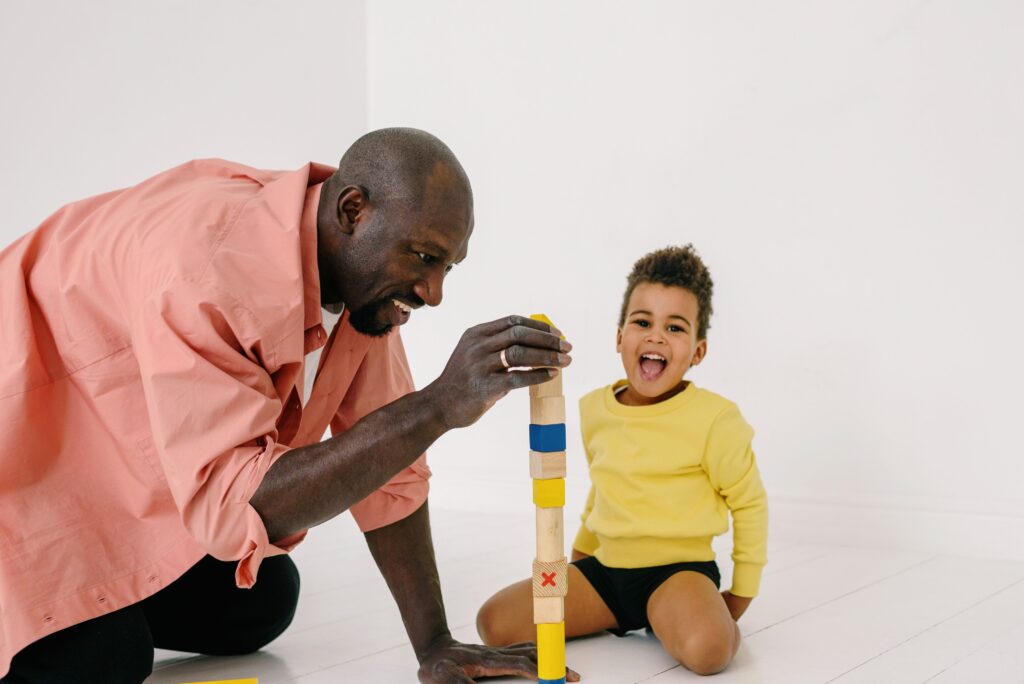
Every parent wants their child to grow into a kind, responsible, and confident adult. However, many families struggle to find the right balance between correcting unwanted behavior and maintaining a loving relationship. Traditional punishment may stop a behavior temporarily, but it often creates fear, resentment, or confusion instead of teaching valuable life skills. This is why many child development experts encourage parents to use positive discipline instead of punishment.
Positive discipline is a respectful parenting approach that teaches children how to make better choices while preserving their self-esteem. Rather than focusing on penalties, it emphasizes guidance, communication, consistency, and problem-solving. Children learn the reasons behind rules, understand the consequences of their actions, and develop emotional intelligence that benefits them throughout life.
Whether you are raising a toddler, preschooler, school-age child, or teenager, positive discipline can strengthen your relationship while encouraging long-term positive behavior. This guide explains everything parents need to know about practicing positive discipline without punishment in everyday family life.
What Is Positive Discipline?
Positive discipline is a parenting method that focuses on teaching rather than punishing. Instead of asking, “How can I make my child pay for this mistake?” parents ask, “How can I help my child learn from this experience?”
The goal is not simply to stop bad behavior but to build important life skills such as responsibility, empathy, cooperation, self-control, problem-solving, and respect for others.
Positive discipline combines kindness with firmness. Children understand that rules exist for safety and respect, but they also feel loved and supported even when they make mistakes.
Positive Discipline vs. Punishment
Many parents confuse discipline with punishment, but they are very different.
Punishment often relies on fear, shame, yelling, spanking, or harsh consequences. While it may stop unwanted behavior immediately, it usually does not teach children why their actions were wrong or how to make better choices next time.
Positive discipline focuses on education instead of fear. It encourages children to think about their actions, understand natural consequences, and learn healthier ways to respond in the future.
Punishment asks:
- “How do I stop this behavior?”
Positive discipline asks:
- “What skill does my child need to learn?”
This small shift creates a healthier parent-child relationship over time.
Why Punishment Often Doesn’t Work
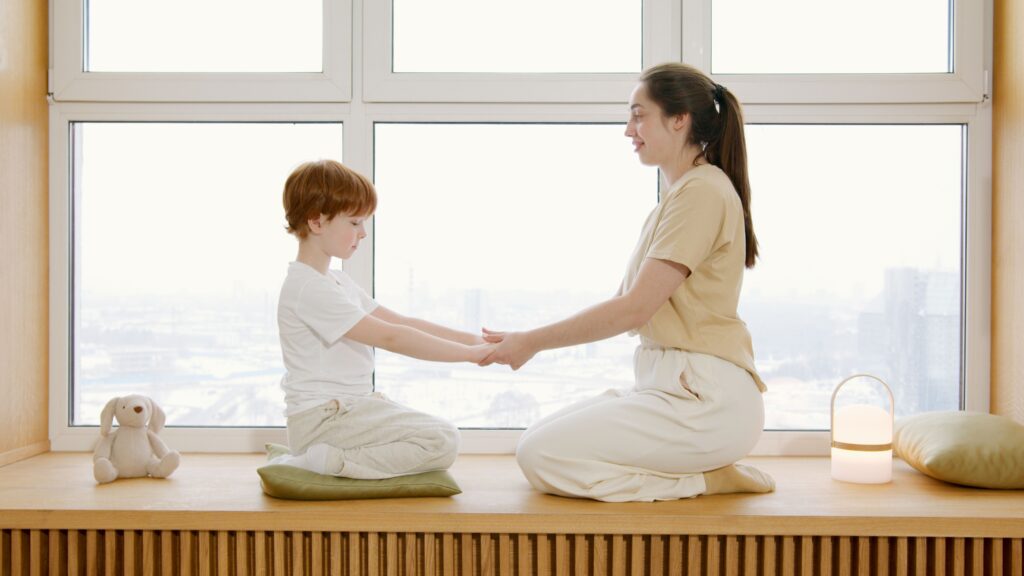
Many forms of punishment provide quick results but fail to solve the underlying problem.
Children who are punished frequently may:
- Become afraid of making mistakes.
- Hide the truth to avoid punishment.
- Develop anger or resentment.
- Struggle with confidence.
- Repeat the same behavior when adults are not watching.
Instead of learning responsibility, they often focus only on avoiding consequences.
Positive discipline helps children understand the impact of their choices, making lasting behavior change much more likely.
Benefits of Positive Discipline Without Punishment
Positive discipline offers long-term advantages for both children and parents.
Children who experience respectful discipline often develop stronger emotional regulation. They become better at managing frustration, solving conflicts peacefully, and expressing their feelings appropriately.
Parents also experience fewer power struggles because communication improves. Family relationships become more trusting, cooperative, and supportive.
Other benefits include:
- Better emotional intelligence
- Improved self-confidence
- Greater independence
- Stronger parent-child connection
- Better problem-solving skills
- Increased responsibility
- Healthier communication
- Reduced aggressive behavior
- Improved decision-making
- Better classroom behavior
These benefits continue into adolescence and adulthood.
Core Principles of Positive Discipline
Positive discipline is built on several important principles that guide everyday parenting decisions.
Respect Comes First
Children deserve respect even when they misbehave. Speaking calmly, listening carefully, and acknowledging feelings help children feel secure and understood.
Respect does not mean allowing bad behavior. It means correcting behavior without damaging the child’s dignity.
Be Firm and Kind
Being kind does not mean saying yes to everything.
Healthy boundaries help children feel safe because they know what is expected.
For example:
“I know you’re upset that playtime is over. It’s okay to feel disappointed, but now it’s time for dinner.”
This response validates emotions while maintaining the rule.
Focus on Solutions
Instead of blaming children, involve them in solving problems.
Ask questions such as:
- What happened?
- How can we fix this?
- What can we do differently next time?
Children learn responsibility when they participate in finding solutions.
Encourage Rather Than Praise Constantly
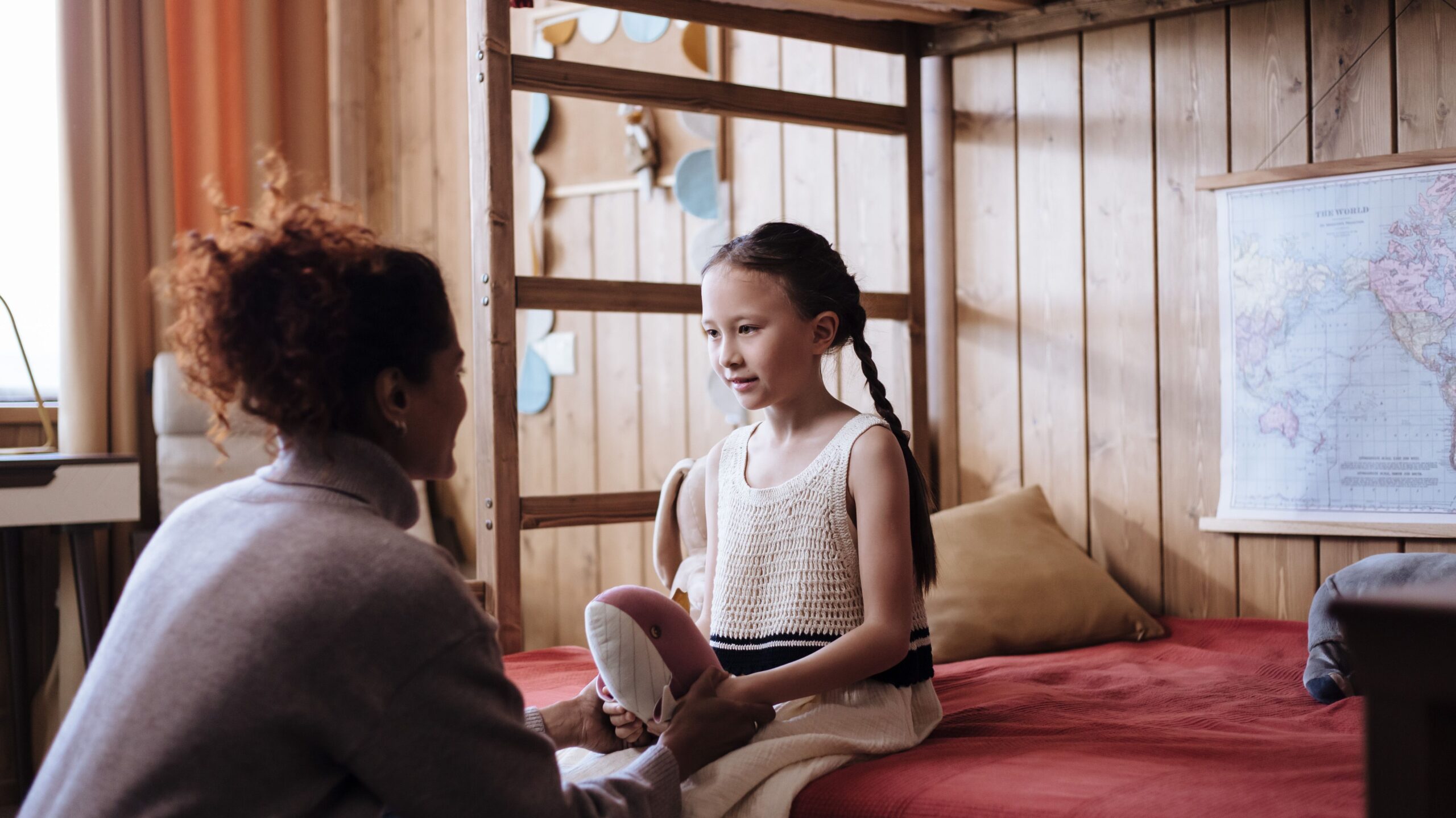
Encouragement focuses on effort instead of results.
Instead of saying:
“You’re so smart.”
Try saying:
“I noticed how hard you worked on that puzzle.”
This builds resilience and a growth mindset.
Practical Positive Discipline Strategies
Set Clear Expectations
Children behave better when they know exactly what is expected.
Keep rules simple, consistent, and age appropriate.
For younger children, use visual reminders or routines to reinforce expectations.
Use Natural Consequences
Natural consequences happen without adult interference.
For example:
If a child refuses to wear a jacket on a cool day, they may feel cold and decide to wear it later.
Natural consequences teach responsibility through experience whenever safety is not at risk.
Use Logical Consequences
Logical consequences are directly related to the behavior.
Examples include:
If toys are left on the floor after reminders, they are put away for the rest of the day.
If a child draws on the wall, they help clean it.
Logical consequences teach accountability instead of creating fear.
Offer Limited Choices
Giving children appropriate choices encourages independence while reducing conflict.
For example:
- Would you like the blue pajamas or the green ones?
- Would you like to brush your teeth before or after putting on pajamas?
Both choices lead to the desired outcome.
Stay Calm During Challenging Moments
Children often mirror adult emotions.
If parents yell, children usually become more upset.
Taking a deep breath, speaking slowly, and responding calmly teaches emotional regulation through example.
Create Consistent Routines
Predictable routines reduce many common behavior problems.
Children feel more secure when they know what happens next.
Daily routines for meals, homework, bedtime, and screen time create stability.
Use Time-In Instead of Time-Out
Instead of isolating children, some families use a “time-in.”
Sit with your child, help them calm down, talk about feelings, and discuss better choices.
Children learn emotional regulation instead of feeling rejected.
Model the Behavior You Want
Children learn more from watching adults than from listening to lectures.
If you want respectful communication, demonstrate respectful communication yourself.
If you expect honesty, admit your own mistakes openly.
Your actions become your child’s strongest lessons.

How to Handle Common Behavior Problems
Tantrums
Stay calm and avoid arguing.
Acknowledge feelings without giving in to unreasonable demands.
Once your child calms down, discuss what happened and practice better ways to express emotions.
Hitting or Aggressive Behavior
Immediately stop the behavior calmly.
Say:
“I won’t let you hurt others.”
Help your child identify their emotions and practice safe alternatives like using words or asking for help.
Refusing to Listen
Gain your child’s attention before giving instructions.
Use short, clear directions instead of repeating yourself many times.
Follow through consistently with logical consequences when necessary.
Sibling Arguments
Avoid deciding who is always right or wrong.
Encourage both children to explain their perspectives and work together toward a fair solution.
This builds communication and conflict-resolution skills.
Common Positive Discipline Mistakes Parents Should Avoid
Even well-intentioned parents sometimes make mistakes while practicing positive discipline.
Avoid these common pitfalls:
- Giving too many warnings without following through.
- Setting unrealistic expectations for your child’s age.
- Inconsistent rules between caregivers.
- Lecturing excessively.
- Solving every problem for your child.
- Expecting immediate change.
- Using shame or embarrassment.
Remember that learning new behaviors takes time and patience.
Tips for Different Age Groups
Toddlers (1–3 Years)
Young children need simple instructions, predictable routines, and lots of redirection. Their brains are still developing self-control, so patience is essential.
Preschoolers (3–5 Years)
Use pretend play, visual schedules, and simple choices to teach responsibility. Praise effort and encourage independence with age-appropriate tasks.
School-Age Children (6–12 Years)
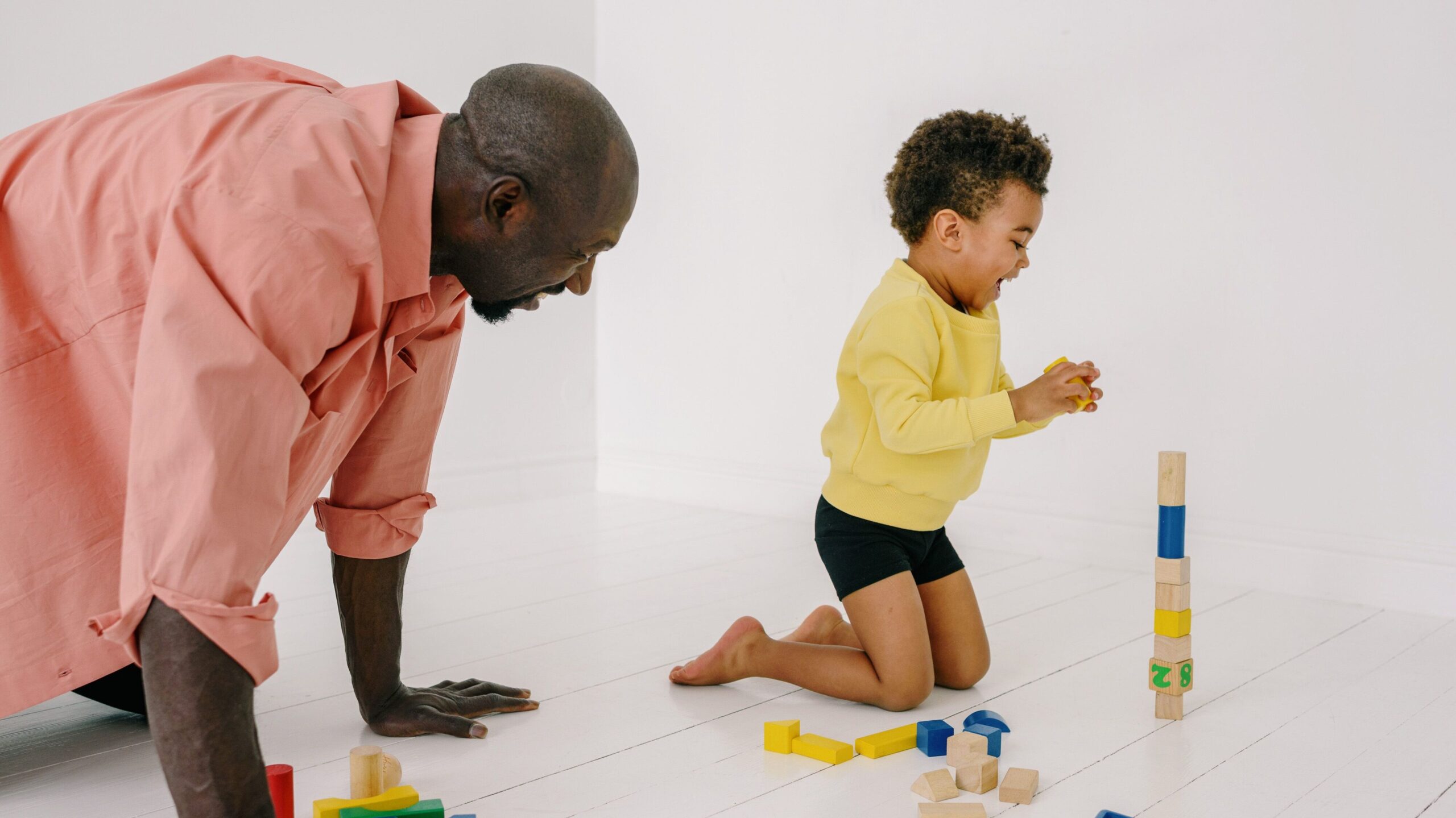
Invite children to help create family rules and routines. Encourage problem-solving and use logical consequences that connect directly to the behavior.
Teenagers
Respect their growing independence while maintaining clear expectations. Listen carefully, involve them in decisions, and focus on mutual respect rather than control.
Frequently Asked Questions
Is positive discipline too gentle?
No. Positive discipline combines kindness with clear limits. Children still experience consequences, but they are respectful, logical, and designed to teach.
Does positive discipline spoil children?
No. It actually encourages responsibility, independence, and accountability because children learn to understand the impact of their choices.
How long does positive discipline take to work?
Every child is different. Some improvements appear within days, while long-term habits develop over weeks or months with consistent practice.
Can positive discipline replace punishment completely?
In most everyday situations, yes. Positive discipline provides effective alternatives that help children learn without relying on fear or harsh treatment.
Final Thoughts
Positive discipline without punishment is about teaching children, not controlling them. It recognizes that mistakes are opportunities to learn rather than reasons for shame. By combining empathy with consistent boundaries, parents can help children develop self-control, confidence, respect, and resilience.
Changing parenting habits takes time, and no parent gets it right every day. What matters most is staying consistent, responding with patience, and focusing on long-term growth instead of short-term obedience. As children learn through guidance rather than fear, families often experience stronger relationships, fewer conflicts, and a more peaceful home. Positive discipline is not about raising perfect children—it is about raising capable, compassionate, and responsible individuals who are prepared for life’s challenges.

Aina Arif is a mother of two young children and the founder of NatureNestia. Based in Pakistan, she spent three years as an early childhood educator before becoming a full-time parent and writer. She writes about learning through play, managing difficult behaviour, and building strong family bonds.