
Introduction
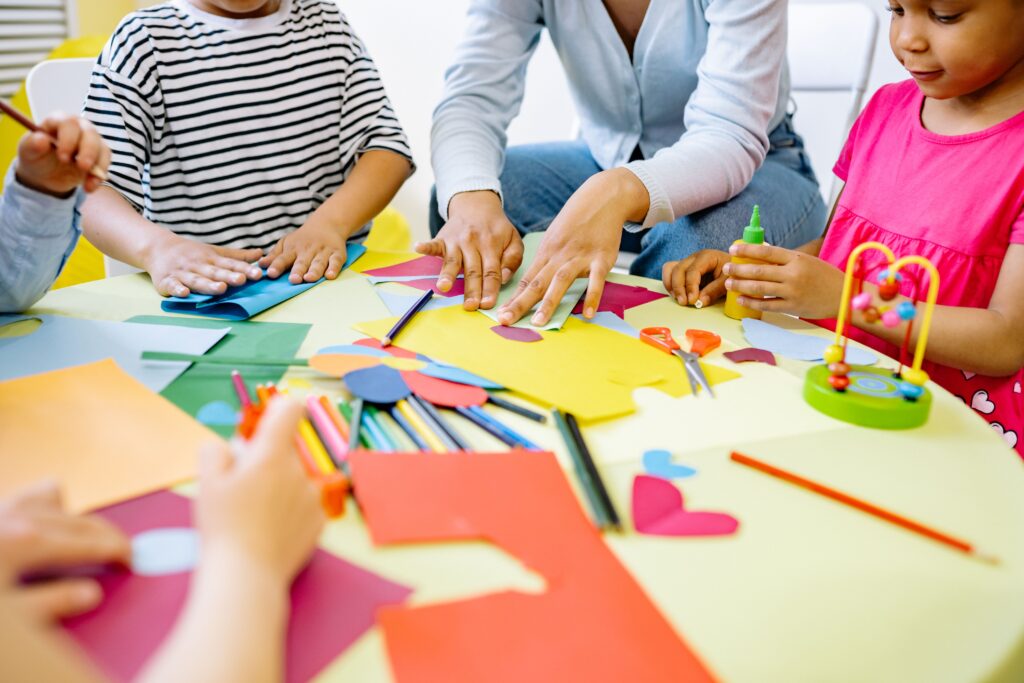
Paper plate crafts are one of the easiest and most affordable ways to keep preschoolers engaged while supporting their development. A simple paper plate can become an adorable animal, a colorful rainbow, a spinning weather wheel, or even a learning tool that teaches letters, numbers, shapes, and seasons. These activities encourage creativity while helping children strengthen important skills like hand-eye coordination, cutting, painting, gluing, and problem-solving.
Whether you’re a parent looking for fun weekend activities, a preschool teacher planning classroom projects, or a homeschool family searching for educational crafts, paper plate activities offer endless possibilities. Most projects require only inexpensive supplies that you probably already have at home.
In this complete guide, you’ll discover the benefits of paper plate crafts, essential supplies, safety tips, and more than 30 creative craft ideas that preschoolers will love.
Why Paper Plate Crafts Are Perfect for Preschoolers
Preschool-aged children learn best through hands-on experiences. Craft activities allow them to explore colors, textures, shapes, and creativity while improving important developmental skills.
Paper plates are especially ideal because they are lightweight, inexpensive, easy to paint, and safe for young children. Their circular shape also works well for creating animals, flowers, clocks, masks, and many other imaginative projects.
Unlike expensive craft kits, paper plates can be transformed into hundreds of unique creations with just a little imagination.
Benefits of Paper Plate Crafts
Crafting offers much more than entertainment. Every project helps children develop valuable skills that prepare them for future learning.
Some of the biggest benefits include:
- Strengthens fine motor skills
- Improves hand-eye coordination
- Encourages creativity and imagination
- Builds concentration and patience
- Develops problem-solving skills
- Supports language development through conversation
- Increases confidence by completing projects
- Introduces early science and math concepts
- Encourages independent thinking
- Creates opportunities for family bonding
These activities combine fun with meaningful learning, making them an excellent addition to any preschool routine.
Supplies You’ll Need
Most paper plate crafts use basic materials that are inexpensive and easy to find.
Common supplies include:
- Plain white paper plates
- Washable paint
- Paintbrushes
- Child-safe scissors
- Glue stick
- White craft glue
- Construction paper
- Colored cardstock
- Googly eyes
- Pom-poms
- Pipe cleaners
- Cotton balls
- Feathers
- Tissue paper
- Markers
- Crayons
- Stickers
- Yarn
- Ribbon
- Popsicle sticks
- Hole punch
Having these materials ready allows children to start crafting whenever inspiration strikes.
Safety Tips Before You Start
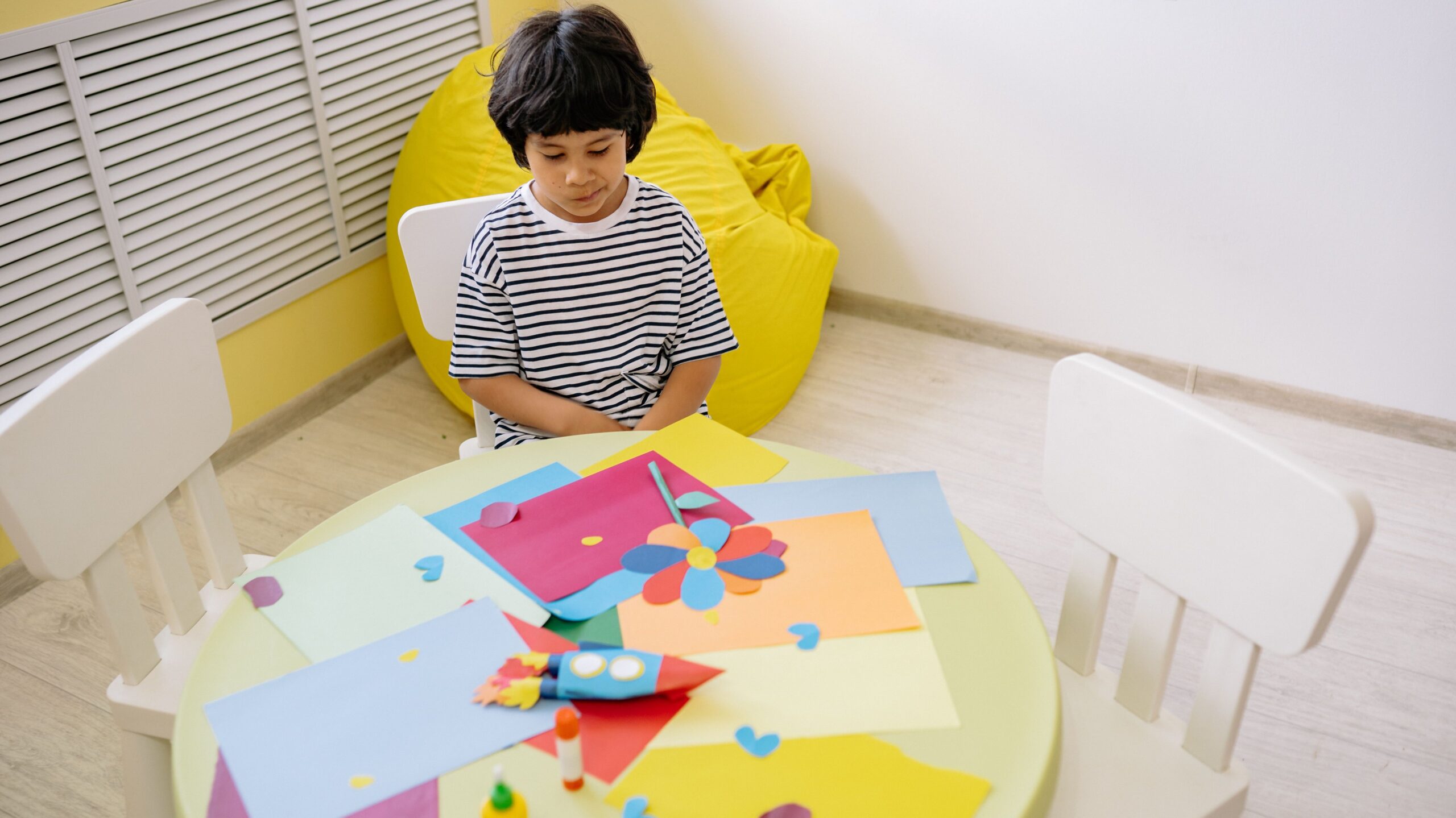
Although crafting is fun, adult supervision is important.
Choose child-safe scissors and washable, non-toxic supplies.
Cover your work area with newspaper or a reusable craft mat to make cleanup easier.
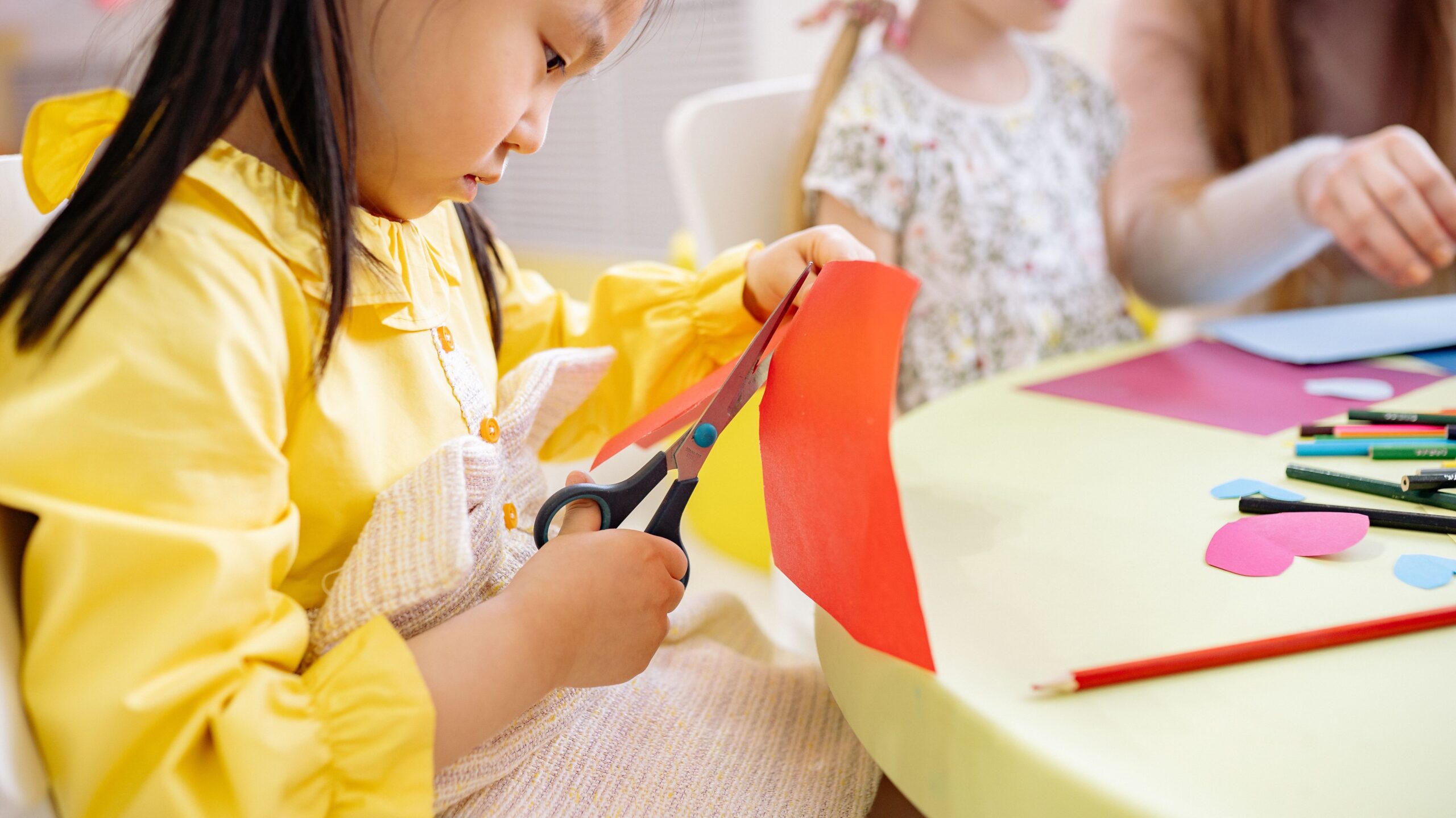
Teach children how to use scissors correctly and remind them not to put small decorations like pom-poms or googly eyes into their mouths.
Always supervise preschoolers during every craft session.
Easy Paper Plate Animal Crafts
Animals are among the most popular paper plate projects because preschoolers naturally enjoy learning about wildlife.
Paper Plate Lion
Paint the plate yellow or orange.
Glue strips of construction paper around the edge to create a fluffy mane.
Draw a smiling face in the centre.
This activity works well alongside lessons about African animals.
Paper Plate Turtle
Paint the plate green.
Draw shell patterns using darker shades of green.
Cut out paper legs, a tail, and a head before attaching them to the plate.
Children can also count the shell shapes while decorating.
Paper Plate Fish
Paint the plate bright blue, orange, or yellow.
Cut a triangle from one side and glue it onto the opposite side to form a tail.
Add scales using fingerprints or tissue paper.
Paper Plate Owl
Paint the plate brown.
Add large paper eyes, wings, and feathers.
This craft pairs perfectly with nighttime or woodland themes.
Paper Plate Frog
Paint the plate green.
Add large googly eyes and a smiling mouth.
Children can discuss frogs, ponds, and life cycles while crafting.
Farm Animal Crafts
Farm-themed activities are perfect during lessons about agriculture or community helpers.
Ideas include:
- Pig
- Cow
- Sheep
- Horse
- Chicken
- Duck
Cotton balls create fluffy sheep, while pink paint makes adorable pigs.
Ocean-Themed Crafts
Introduce underwater life through colorful paper plate creations.
Try making:
- Jellyfish with ribbon tentacles
- Crab with paper claws
- Octopus using curled paper legs
- Shark with large teeth
- Sea turtle
- Starfish
These projects pair well with ocean books and science lessons.
Seasonal Paper Plate Crafts
Changing seasons provide endless crafting inspiration.
Spring
Make flowers, butterflies, bees, rainbows, and birds.
Bright colors celebrate warmer weather and new beginnings.
Summer
Create sunshine faces, watermelon slices, beach balls, ice cream cones, and fish.
Children can discuss summer activities while crafting.
Autumn
Use orange, yellow, and red paint to create pumpkins, leaves, scarecrows, or apples.
Collecting real leaves beforehand adds a nature-learning element.
Winter
Make snowmen, penguins, snowflakes, mittens, and polar bears.
Cotton balls make excellent snow textures.
Holiday Paper Plate Crafts
Holiday-themed crafts help preschoolers celebrate special occasions while learning about traditions.
Popular ideas include:
Valentine’s Day
- Heart wreath
- Cupid
- Love bug
Easter
- Bunny
- Chick
- Easter basket
Halloween
- Jack-o’-lantern
- Ghost
- Spider
Thanksgiving
- Turkey
- Cornucopia
- Harvest wreath
Christmas
- Santa
- Reindeer
- Snowman
- Christmas wreath
- Elf
Educational Paper Plate Crafts
Crafting can also reinforce early learning concepts.
Alphabet Wheel
Write one letter on each section of the plate.
Children can decorate each letter with matching pictures.
Number Plate
Write numbers around the edge.
Children place matching stickers, buttons, or pom-poms beside each number.
Shape Spinner
Divide the plate into sections showing different shapes.
Use a paper arrow attached with a split pin.
Children spin and identify the shape.
Colour Wheel
Paint each section a different colour.
Discuss colour names and encourage children to find matching objects around the room.
Weather Wheel
Create sections showing sunny, rainy, cloudy, snowy, and windy weather.
Turn the wheel each morning to match the day’s weather.
Nature-Inspired Paper Plate Crafts
Nature crafts encourage outdoor exploration.
Children can create:
- Sunflower
- Tree
- Rainbow
- Cloud
- Bird nest
- Ladybug
- Butterfly
- Bee
- Caterpillar
- Mushroom
Collecting leaves, flowers, or small twigs beforehand makes these crafts even more exciting.
Tips for a Successful Craft Session
Keep activities short for younger preschoolers.
Allow children to make their own creative choices instead of aiming for perfection.
Praise effort rather than focusing only on the final result.
Display finished crafts around your home or classroom to build confidence.
Most importantly, enjoy the process together.
Common Mistakes to Avoid
Many adults accidentally take over craft projects.
Avoid correcting every small detail or trying to make every project look identical.
Remember that creativity is more important than perfection.
Also avoid using too many complicated supplies that may overwhelm young children.
Simple projects often produce the best learning experiences.
Frequently Asked Questions
What age is suitable for paper plate crafts?
Most activities are ideal for children aged 3 to 5 years, although toddlers can participate with extra adult assistance.
Are paper plate crafts educational?
Yes. They help develop creativity, fine motor skills, early literacy, numeracy, problem-solving, and language development.
What paint is best for preschoolers?
Washable, non-toxic tempera paint is generally the best option because it is easy to clean and safe for young children.
How long should a preschool craft activity last?
Most preschoolers stay engaged for around 15 to 30 minutes, depending on the activity and their age.
Can these crafts be used in classrooms?
Absolutely. Many paper plate crafts are perfect for preschool classrooms, daycare centres, homeschool lessons, and children’s activity groups.
Conclusion
Paper plate crafts for preschoolers are a wonderful way to combine creativity, learning, and quality time. With just a few simple supplies, children can transform ordinary paper plates into animals, seasonal decorations, educational games, and imaginative works of art. Along the way, they strengthen fine motor skills, build confidence, practise problem-solving, and express their creativity in meaningful ways.
The best part is that these activities are affordable, easy to prepare, and adaptable to almost any theme or lesson. Whether you’re planning a rainy-day activity, a classroom project, or a weekend family craft session, paper plate crafts provide endless opportunities for fun and learning. By encouraging exploration instead of perfection, you’ll help preschoolers develop a lifelong love of creativity while making memories they’ll treasure for years to come.

Aina Arif is a mother of two young children and the founder of NatureNestia. Based in Pakistan, she spent three years as an early childhood educator before becoming a full-time parent and writer. She writes about learning through play, managing difficult behaviour, and building strong family bonds.