
Introduction
In today’s busy world, families often spend less quality time together than they would like. Between school, work, household responsibilities, and digital devices, meaningful family interactions can easily become less frequent. However, building strong family relationships doesn’t require expensive vacations or elaborate plans. Some of the most memorable moments happen right at home through simple activities that encourage laughter, teamwork, communication, and connection.
Family bonding activities provide opportunities for parents and children to slow down, enjoy each other’s company, and create traditions that children will remember for years. These shared experiences help children feel loved, valued, and emotionally secure while improving communication and strengthening trust within the family.
Whether you have toddlers, preschoolers, school-age children, or a mix of ages, there are countless ways to make everyday moments more meaningful. This guide shares practical family bonding activities that are easy to organize, affordable, and enjoyable for everyone.
Why Family Bonding Is Important
Strong family relationships provide children with a safe and supportive environment where they can grow emotionally, socially, and mentally. When families spend quality time together, children develop confidence, improve communication skills, and learn valuable life lessons through everyday interactions.
Regular bonding activities also help parents better understand their children’s personalities, interests, strengths, and challenges. Even short periods of focused family time can strengthen relationships and reduce feelings of loneliness or stress.
Children who experience strong family connections often develop better emotional regulation, healthier friendships, and greater resilience as they grow older.
Benefits of Family Bonding Activities
Spending quality time together offers many long-term benefits for both children and parents.
Some of the biggest advantages include:
- Builds stronger parent-child relationships
- Improves communication skills
- Increases children’s confidence
- Encourages teamwork and cooperation
- Creates lasting family memories
- Reduces stress and anxiety
- Promotes emotional security
- Strengthens problem-solving skills
- Encourages healthy family traditions
- Supports children’s social and emotional development
The most valuable gift families can give one another is consistent time and attention.
Tips for Creating Meaningful Family Time
Family bonding doesn’t have to be complicated. A few simple habits can make shared time more enjoyable and meaningful.
Try to:
- Put away phones and other distractions.
- Involve everyone in choosing activities.
- Focus on enjoying the experience rather than making it perfect.
- Encourage every family member to participate.
- Celebrate effort, creativity, and teamwork.
- Create regular family traditions that everyone looks forward to.
Consistency matters more than expensive entertainment.
Creative Family Bonding Activities at Home
1. Family Game Night
Choose board games, card games, or simple indoor games that everyone can enjoy together.
Game nights encourage teamwork, patience, problem-solving, and friendly competition while creating lots of laughter.
2. Cook a Meal Together
Invite children to wash vegetables, mix ingredients, measure flour, or decorate homemade pizzas.
Cooking together teaches life skills, teamwork, math concepts, and healthy eating habits.
Children are often more willing to try new foods when they help prepare them.
3. Family Movie Night
Choose a family-friendly movie and prepare popcorn together.
Turn off phones, dim the lights, and enjoy uninterrupted time together.
Afterward, discuss favorite characters and lessons from the movie.
4. Read Stories Together
Reading aloud creates wonderful bonding opportunities for children of all ages.
Take turns reading pages, acting out characters, or discussing what might happen next.
This activity also strengthens vocabulary and listening skills.
5. Indoor Picnic
Spread a blanket on the living room floor and enjoy lunch or snacks together.
Add music, stuffed animals, or themed decorations to make the experience extra special.
Children often find simple changes in routine exciting.
6. Family Art Time
Gather crayons, markers, paints, paper, and craft supplies.
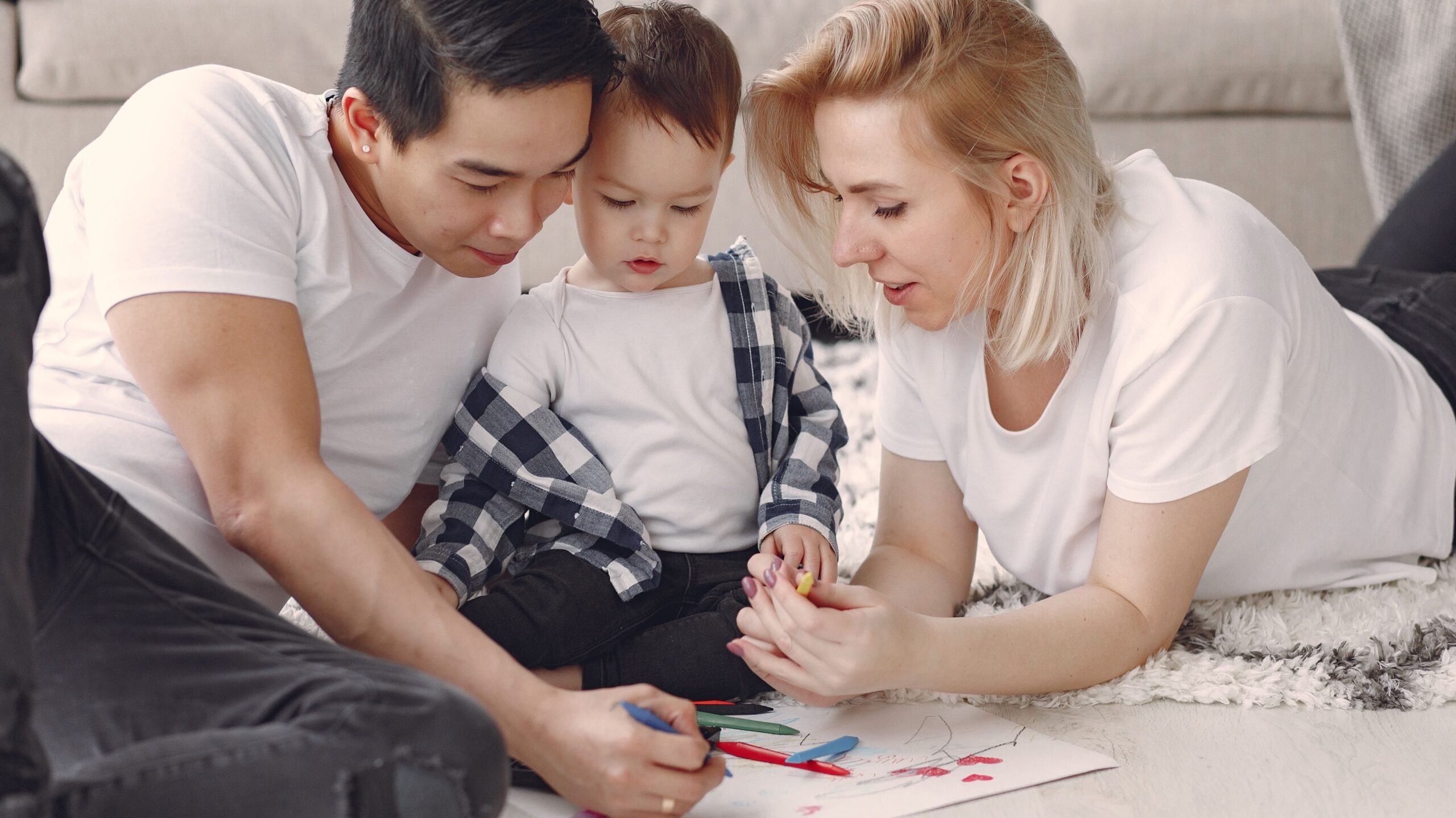
Everyone can create their own artwork or collaborate on one large family masterpiece.
Display finished artwork around your home to celebrate creativity.
7. Build a Blanket Fort
Use blankets, pillows, chairs, and cushions to build a cozy indoor fort.
Read books, tell stories, or enjoy snacks inside your new hideout.
This simple activity encourages imagination and teamwork.
8. Dance Party
Create a playlist of favorite songs and dance together in the living room.
Dancing provides exercise while improving mood and creating joyful family memories.
Let each family member choose a song.
9. Puzzle Challenge
Work together to complete a large jigsaw puzzle.
Children develop patience, concentration, and teamwork while solving the puzzle together.
Celebrate completing it as a family achievement.

10. Family Talent Show
Encourage everyone to share a talent.
Children can sing, dance, tell jokes, perform magic tricks, or read a favorite poem.
Parents can participate too, making the experience fun and encouraging.
Indoor Learning Activities for Families
Learning together can be one of the most rewarding ways to strengthen family relationships. These activities help children develop new skills while giving parents opportunities to encourage curiosity and confidence.
11. Family Science Experiments
Choose simple science experiments using household items like baking soda, vinegar, food coloring, or water.
Children love watching exciting reactions while learning basic science concepts. Ask questions throughout the activity to encourage critical thinking and observation.
12. Bake Homemade Treats
Baking cookies, muffins, or cupcakes together is both fun and educational.
Children practice measuring, counting, mixing, and following directions while creating delicious treats for the whole family.
Enjoying the finished treats together makes the experience even more memorable.
13. Create a Family Scrapbook
Collect family photographs, ticket stubs, postcards, drawings, and memorable notes.
Arrange them in a scrapbook and write short captions together.
This activity helps children remember special moments and strengthens their sense of belonging.
14. Family Reading Hour
Choose a quiet time when everyone reads together.
Parents can read aloud to younger children while older kids enjoy independent reading.
Afterward, discuss favorite characters, lessons, or interesting facts from the books.
15. DIY Craft Afternoon
Gather simple craft supplies such as paper, glue, paint, scissors, and recycled materials.
Create greeting cards, animals, decorations, or seasonal crafts.
Crafting encourages creativity while giving families time to talk and work together.
Screen-Free Family Activities
Reducing screen time creates more opportunities for meaningful conversations and shared experiences.
16. Family Treasure Hunt
Hide small objects or clues around the house.
Create simple riddles or picture clues for younger children.
Working together to solve each clue encourages teamwork and excitement.
17. Storytelling Circle
Sit together and create a story as a family.
One person starts with the first sentence, and each family member adds another sentence.
Every story becomes unique, funny, and imaginative.
18. Build with Blocks or LEGO®
Work together to design a city, castle, zoo, or spaceship.
Encourage children to explain their ideas while building.
This activity develops creativity, communication, and early engineering skills.
19. Family Yoga Session
Practice simple yoga poses suitable for children.
Stretching and breathing together promotes relaxation while encouraging healthy habits.
Finish with a few minutes of quiet breathing to help everyone feel calm.
20. Music Time
Gather simple instruments or make homemade ones using containers and rice.
Sing favorite songs together or create a family band.
Music helps children develop rhythm, listening skills, and confidence.
Weekend Family Bonding Ideas
Weekends offer extra opportunities to spend uninterrupted time together.
21. Family Gardening
Plant flowers, herbs, or vegetables in pots or your backyard.
Children enjoy watering plants and watching them grow.
Gardening teaches responsibility, patience, and appreciation for nature.
22. DIY Pizza Night
Let each family member decorate their own pizza with favorite toppings.
Cooking together encourages creativity while making mealtime more enjoyable.
23. Family Karaoke
Play favorite songs and sing together.
Children often gain confidence by performing in a supportive family environment.
Remember, the goal is to have fun—not to sing perfectly.
24. Living Room Campout
Set up sleeping bags, blankets, and flashlights indoors.
Tell stories, play games, and enjoy snacks together before bedtime.
This activity creates exciting memories without leaving home.
25. Memory Jar
Decorate a large jar together.
Throughout the year, write happy family memories on small pieces of paper and place them inside.
At the end of the year, read each memory together and relive those special moments.
Budget-Friendly Family Bonding Activities
Creating meaningful memories doesn’t require spending a lot of money.
26. Family Coloring Time
Print free coloring pages or use coloring books.
Color together while talking about your day.
This relaxing activity encourages conversation and creativity.
27. Make Homemade Greeting Cards
Create birthday cards, thank-you cards, or holiday cards for friends and relatives.
Children enjoy giving handmade gifts that come from the heart.
28. Learn a New Skill Together
Choose a simple activity like basic origami, drawing, knitting, or beginner magic tricks.
Learning something new together encourages perseverance and teamwork.
29. Family Quiz Night
Create fun questions about animals, nature, history, or favorite family memories.
Children enjoy answering questions while learning new facts.
30. Gratitude Circle
Before bedtime, ask everyone to share one thing they are grateful for that day.
This simple habit encourages positive thinking and helps family members appreciate one another.
Seasonal Family Bonding Activities
Every season brings new opportunities for families to spend meaningful time together. Celebrating seasonal changes through simple activities helps children appreciate nature, create traditions, and make lasting memories.
31. Spring Nature Walk
Take a walk around your neighborhood, backyard, or local park to observe flowers blooming, birds singing, and trees growing new leaves.
Encourage children to collect interesting leaves, flowers (where permitted), or small stones for a nature journal or craft project.
32. Summer Water Play
Set up a small water play station in your backyard using buckets, cups, sponges, or a kiddie pool.
Children enjoy cooling off while practicing pouring, measuring, and teamwork.
Always supervise water activities closely.

33. Autumn Leaf Hunt
Collect colorful autumn leaves and compare their shapes, sizes, and colors.
Use the leaves to create collages, bookmarks, or seasonal decorations once you return home.
This activity combines outdoor exploration with creativity.
34. Winter Hot Chocolate Night
Prepare homemade hot chocolate together and enjoy it while reading books, playing games, or watching snow (if available).
Children often remember these simple traditions for years.
Holiday Family Traditions
Holiday traditions create excitement, strengthen family identity, and give children something special to look forward to every year.
35. Decorate Together
Invite everyone to help decorate the home for holidays or special occasions.
Children can hang decorations, make paper ornaments, or arrange festive displays.
Working together creates a shared sense of celebration.
36. Make Handmade Gifts
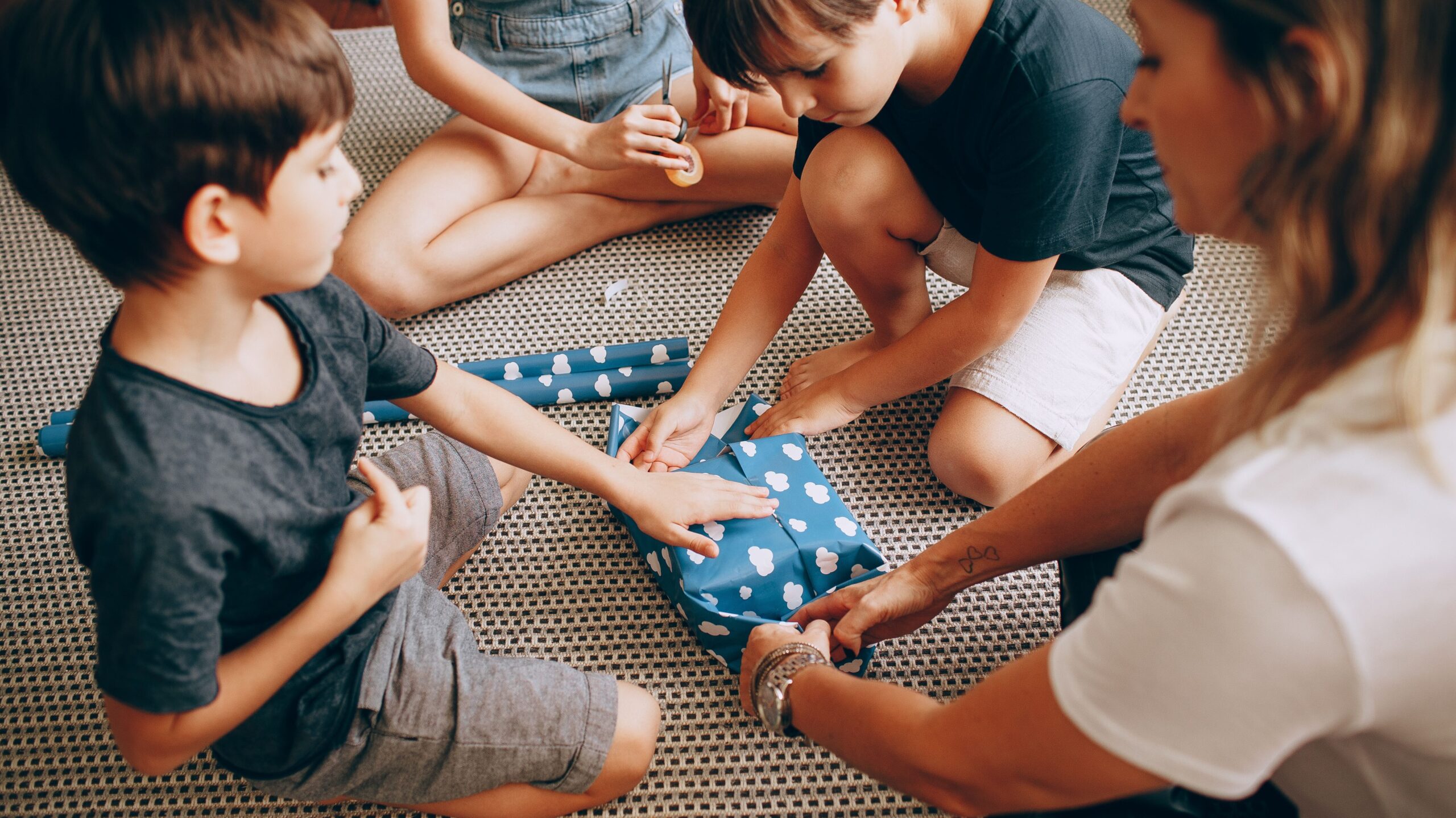
Spend an afternoon creating handmade cards, crafts, baked treats, or simple gifts for relatives, neighbors, or teachers.
Giving thoughtful gifts teaches kindness and generosity.
37. Family Photo Day
Choose one day during each holiday season to take family photographs.
Looking back at these pictures over the years helps children appreciate family traditions and memories.
Rainy-Day Family Activities
Rainy days provide the perfect excuse to enjoy cozy indoor family time.
38. Indoor Obstacle Course
Create a safe obstacle course using pillows, chairs, masking tape, and soft toys.
Children can crawl, jump, balance, and climb while parents cheer them on or participate.
This activity encourages physical movement even when staying indoors.
39. Family Baking Challenge
Choose a simple recipe and divide tasks among family members.
Decorate cookies or cupcakes together and vote for the most creative designs.
Remember that laughter and teamwork are more important than perfect results.
40. Dream Together
Sit together and talk about future family adventures, goals, or dreams.
Children can draw pictures of places they would like to visit, hobbies they want to learn, or goals they hope to achieve.
This activity encourages communication, optimism, and imagination.
How to Make Family Bonding a Daily Habit
Building strong family relationships doesn’t require hours every day. Even 15 to 30 minutes of focused, uninterrupted time can make a meaningful difference.
Here are a few simple habits to try:
- Eat at least one meal together each day whenever possible.
- Ask open-ended questions about everyone’s day.
- Celebrate small achievements, not just major milestones.
- Schedule a weekly family activity that everyone looks forward to.
- Keep phones, tablets, and televisions off during family conversations.
- Encourage every family member to share ideas and feelings without interruption.
The key is consistency. Small moments shared regularly often become the memories children treasure most.
Common Mistakes to Avoid
While spending time together is important, some habits can reduce the quality of family bonding.
Try to avoid:
- Allowing phones or television to distract from conversations.
- Forcing children to participate in activities they strongly dislike.
- Turning every activity into a competition.
- Overplanning every minute instead of allowing free, relaxed interaction.
- Comparing siblings or expecting perfection.
- Canceling family time too often because of busy schedules.
Remember that meaningful connection matters more than elaborate plans.
Frequently Asked Questions
How much family time should we spend together each day?
Quality is usually more important than quantity. Even 15 to 30 minutes of focused family time each day can strengthen relationships when everyone is fully present.
What if my children are different ages?
Choose activities that everyone can enjoy together, such as cooking, reading, puzzles, movie nights, or storytelling. Older children can also help younger siblings, which builds patience and leadership skills.
Can family bonding activities improve children’s behavior?
Yes. Regular quality time helps children feel emotionally secure, improves communication, and strengthens trust. Children who feel connected to their families are often more cooperative and confident.
Do family bonding activities need to cost money?
Not at all. Many of the best activities—reading together, playing games, cooking, dancing, storytelling, or taking nature walks—are inexpensive or completely free.
Why are family traditions important?
Family traditions create a sense of belonging and stability. They give children positive memories, strengthen family identity, and provide comforting routines that can last for generations.
Conclusion
Family bonding activities at home are one of the most meaningful investments parents can make in their children’s emotional well-being and development. Simple moments like reading a bedtime story, cooking dinner together, playing a board game, or building a blanket fort help create strong relationships built on trust, love, and communication.
The best part is that meaningful family time doesn’t require expensive entertainment or perfect planning. What children remember most is the attention, encouragement, and laughter they share with the people they love. By making family bonding a regular part of your routine, you can create traditions, strengthen emotional connections, and build a home where every family member feels valued and supported.
Whether you choose one activity each week or a few minutes every day, these shared experiences will help your family create joyful memories that last a lifetime. Over time, those small moments become the foundation of strong relationships and a happy, connected home.

Aina Arif is a mother of two young children and the founder of NatureNestia. Based in Pakistan, she spent three years as an early childhood educator before becoming a full-time parent and writer. She writes about learning through play, managing difficult behaviour, and building strong family bonds.