
By Aina Arif | Updated: June 2026 | 16 min read
Every Day Is a Sensory Adventure
Long before babies can speak, read, or solve puzzles, they begin learning through their senses.
The feeling of a soft blanket.
The sound of a parent’s voice.
The bright colors of a favorite toy.
The gentle scent of fresh air after rain.
These simple experiences help babies understand the world around them.
Sensory play isn’t about keeping babies entertained. It’s about supporting healthy brain development by encouraging them to see, hear, touch, smell, and move in safe, meaningful ways.
The best part?
You don’t need expensive sensory toys. Your home is already full of wonderful opportunities for discovery.
Let’s begin our Sensory Discovery Trail.
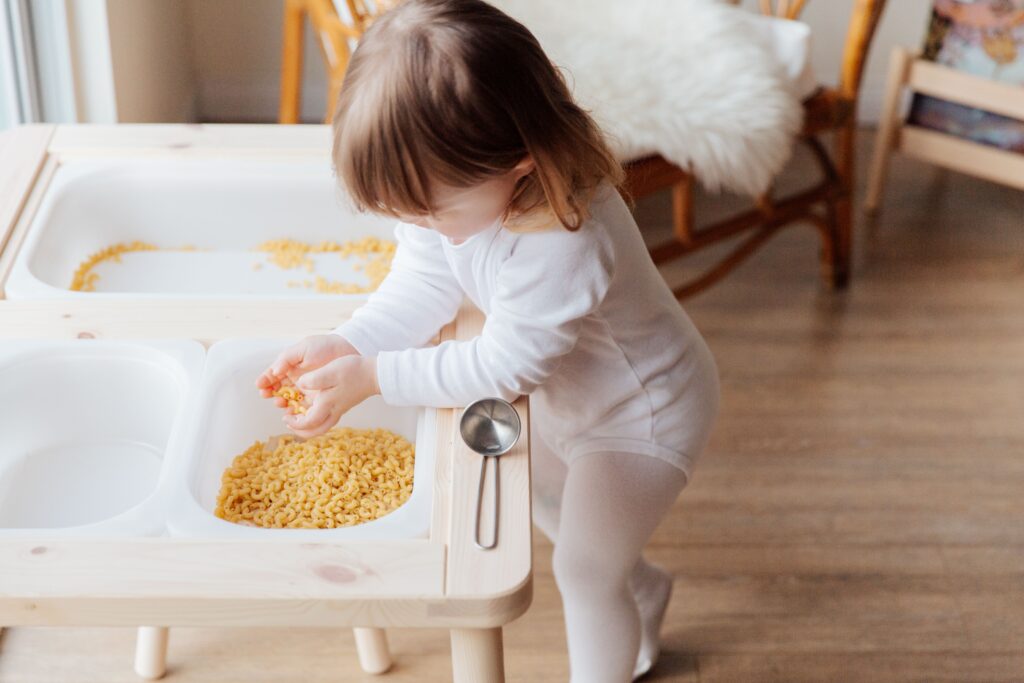
👋 Touch Trail: Tiny Hands, Big Discoveries
What Your Baby Discovers
Touch is one of the earliest senses to develop.
Babies learn about comfort, safety, temperature, and texture through their hands, feet, and skin.
Offering different textures helps build sensory awareness while strengthening fine motor skills.
Easy Home Activity: Texture Treasure Basket
Fill a small basket with baby-safe items such as:
- Soft fleece fabric
- Cotton cloth
- Silicone teether
- Wooden ring
- Textured sensory ball
- Velvet ribbon
- Large sponge
Allow your baby to hold, squeeze, rub, and explore each item at their own pace.
Instead of giving everything at once, introduce one object at a time to maintain curiosity.
Development Connection
Texture exploration supports:
- Sensory processing
- Finger strength
- Hand-eye coordination
- Curiosity
- Early problem-solving
Safety Note
Always supervise your baby during sensory play.
Avoid items with loose parts, sharp edges, or anything small enough to become a choking hazard.
👀 Sight Corner: Following the World
What Your Baby Discovers
Vision develops rapidly during the first year.
Babies become better at recognizing faces, tracking movement, and noticing colors and patterns.
Simple visual activities strengthen focus and eye coordination.
Easy Home Activity: Color Hunt
Choose three brightly colored objects from around your home.
For example:
- Yellow duck
- Red ball
- Blue cup
Slowly move each object from side to side while your baby follows it with their eyes.
Pause often to allow your baby time to focus.
Another Fun Idea
Hang lightweight ribbons or colorful scarves where they can gently move with the air.
Watching slow movement encourages visual tracking without overwhelming your baby.
Development Connection
Visual play encourages:
- Eye muscle coordination
- Attention
- Color recognition
- Focus
- Tracking moving objects
Parent Reminder
Your face is still your baby’s favorite thing to look at.
Talking, smiling, and making funny expressions are some of the richest visual experiences you can offer.
👂 Sound Station: Listening Like a Little Explorer
What Your Baby Discovers
Every day is filled with new sounds.
Birds singing outside.
Water running from the tap.
A spoon tapping against a bowl.
Listening carefully helps babies begin recognizing voices, rhythms, and language.
Easy Home Activity: Sound Walk
Carry your baby around the house.
Pause in different rooms.
Listen together.
Ask simple questions like:
“Can you hear the washing machine?”
“Listen to the clock ticking.”
“Do you hear the birds outside?”
Even though your baby can’t answer with words yet, they’re actively learning to connect sounds with the world around them.
Development Connection
Listening games help develop:
- Language foundations
- Auditory processing
- Memory
- Attention span
- Emotional bonding
Safety Note
Choose calm sounds.
Very loud toys or constant background noise may overwhelm young babies.
🌿 Tiny Discovery Pause
Sensory play doesn’t have to fill every hour of the day.
In fact, babies often learn best through short moments of exploration followed by time to rest.
Watching.
Touching.
Listening.
Smiling.
Repeating.
These simple experiences quietly build millions of new brain connections every day.
👃 Smell Moments: Exploring Gentle Scents
What Your Baby Discovers
Although smell often receives less attention than sight or touch, it’s closely connected to memory and emotional comfort.
Babies quickly recognize familiar scents, especially those of their parents and home environment.
Easy Home Activity: Nature Sniff Basket
Collect a few naturally scented items such as:
- Fresh mint leaves
- A slice of orange
- Cinnamon stick
- Fresh basil
- Lavender sachet (kept safely out of reach)
Hold each item near your baby and allow them to notice the scent naturally.
There’s no need to force a reaction.
Some babies simply observe quietly.
Development Connection
Gentle scent exploration supports:
- Sensory awareness
- Curiosity
- Memory building
- Emotional comfort
Safety Note
Never place herbs, spices, or scented items directly into your baby’s hands unless they are completely safe for their age.
Avoid strong perfumes or artificial fragrances.
🤸 Movement Zone: Learning Through Motion
What Your Baby Discovers
Movement is one of the most powerful sensory experiences.
Rolling.
Stretching.
Reaching.
Crawling.
Every movement helps babies understand how their bodies work.
Easy Home Activity: Soft Obstacle Path
Create a simple play area using:
- Folded blankets
- Cushions
- Soft pillows
- Play mats
Encourage your baby to roll, crawl, or reach across different surfaces while staying nearby for support.
The goal isn’t speed.
It’s exploration.
Another Activity: Bubble Reach
Blow a few bubbles just above your baby’s eye level.
Watch them reach, smile, and follow the floating bubbles.
This simple game combines movement with visual tracking.
Development Connection
Movement activities encourage:
- Gross motor development
- Balance
- Core strength
- Body awareness
- Coordination
🌈 Mixing the Senses Together
The most meaningful sensory experiences often involve more than one sense at a time.
Imagine your baby sitting on a soft blanket outdoors.
They can:
- Feel the grass.
- Hear birds singing.
- Watch leaves moving.
- Smell fresh air.
- Reach toward colorful flowers (without touching unsafe plants).
One simple moment becomes a rich learning experience.
Follow Your Baby’s Curiosity
Not every baby enjoys the same sensory experiences.
Some babies love water.
Others prefer music.
Some enjoy touching every texture they can find, while others need extra time before trying something new.
Instead of directing every activity, observe what naturally interests your baby.
Their curiosity is often the best guide.
Parent Reminder
Sensory play isn’t about creating perfect activities.
It’s about slowing down enough to notice the wonder in everyday moments.
A crinkly leaf.
A gentle breeze.
A warm cuddle.
A favorite lullaby.
For your baby, these simple experiences are introducing an entirely new world.
Outdoor Sensory Stops: Nature Is the Best Playroom
You don’t always need a dedicated sensory bin or activity mat.
Sometimes, stepping outside provides the richest sensory experience of all.
A short walk in the garden, backyard, or local park can introduce your baby to sights, sounds, and textures that can’t be recreated indoors.
Easy Home Activity: Nature Blanket Time
Spread a soft blanket on the grass and sit beside your baby.
Let them safely experience the outdoor environment by observing:
- Leaves moving in the breeze
- Clouds drifting across the sky
- Birds flying overhead
- Gentle shadows from nearby trees
There’s no need to rush from one activity to another.
Sometimes simply watching the world is enough.
Development Connection
Outdoor sensory experiences help develop:
- Visual attention
- Listening skills
- Emotional regulation
- Curiosity
- Environmental awareness
Safety Note
Choose shaded areas when possible, dress your baby appropriately for the weather, and never leave them unattended outdoors.
🛁 Water Wonder Corner
Water offers endless opportunities for sensory learning.
Whether it’s bath time or supervised water play, babies enjoy discovering how water moves, splashes, and feels.
Easy Home Activity: Floating Fun
Fill a shallow container with a small amount of lukewarm water.
Add a few floating baby-safe items such as:
- Rubber ducks
- Plastic measuring cups
- Floating balls
- Silicone stacking cups
Encourage your baby to splash gently, pour water between cups, or watch toys float.
Development Connection
Water play supports:
- Hand-eye coordination
- Cause-and-effect learning
- Fine motor development
- Sensory exploration
Safety Note
Never leave a baby alone near water—not even for a few seconds.
💛 Sensory Play Doesn’t Need to Be Perfect
Many parents feel pressure to create beautiful sensory setups they see online.
The truth is, babies don’t notice whether the basket matches the play mat.
They care about exploring.
Some of the best sensory experiences happen naturally while:
- Folding laundry together
- Watering plants
- Preparing meals
- Listening to rain
- Taking a walk after sunrise
Everyday life already provides countless opportunities for learning.
Read Your Baby’s Signals
Sensory play should always feel enjoyable.
If your baby starts turning away, rubbing their eyes, crying, or becoming unusually quiet, they may be telling you they’ve had enough.
Other signs include:
- Arching their back
- Becoming fussy without another obvious reason
- Ignoring toys they were interested in moments earlier
- Looking away repeatedly
When you notice these cues, pause the activity.
A short break helps babies process new experiences without becoming overwhelmed.
Create Your Own Sensory Basket
Instead of buying expensive sensory kits, build one using safe household items.
Here are a few ideas to include:
| Item | Sensory Experience |
|---|---|
| Soft washcloth | Texture |
| Silicone teether | Touch and chewing |
| Wooden ring | Grip and texture |
| Fabric ribbon | Visual movement |
| Sensory ball | Touch and movement |
| Crinkle toy | Sound |
| Board book | Sight and touch |
| Large sponge | Texture exploration |
Rotate the items every few days to keep your baby’s curiosity alive.
Small Experiences Build Big Brains
Sensory development isn’t about completing dozens of activities.
It’s about giving your baby meaningful opportunities to explore.
One new sound today.
A different texture tomorrow.
A gentle breeze next week.
These tiny experiences gradually help babies understand how the world works.
Frequently Asked Questions
How often should I do sensory activities with my baby?
You don’t need a special schedule.
Short sensory experiences naturally fit into everyday routines such as tummy time, bath time, outdoor walks, feeding, or story time.
A few minutes of focused exploration several times a day is usually enough.
At what age can babies start sensory play?
Sensory learning begins from birth.
Newborns enjoy looking at faces, listening to familiar voices, and feeling gentle touch.
As babies grow, you can gradually introduce new textures, sounds, colors, and movement that match their developmental stage.
Do I need expensive sensory toys?
Not at all.
Many excellent sensory activities use everyday household items like scarves, wooden spoons, measuring cups, fabric pieces, and board books.
Simple, safe objects often encourage more curiosity than toys with lights and sounds.
Can babies become overstimulated?
Yes.
Too many lights, loud noises, or activities without breaks may overwhelm young babies.
Watch your baby’s body language and allow quiet time whenever they seem tired or uninterested.
Which sensory activity is most important?
There isn’t one “best” activity.
Babies benefit from a balanced mix of experiences that involve touch, movement, sight, sound, and gentle exploration throughout their daily routines.
Final Thoughts
Your baby isn’t learning through worksheets or formal lessons.
They’re learning every time they reach for a soft toy, listen to your voice, splash during bath time, or watch sunlight dance across the floor.
These everyday discoveries may seem small to adults, but they are laying the foundation for future learning, communication, confidence, and creativity.
You don’t need to plan perfect activities or buy expensive equipment.
A loving smile.
A gentle conversation.
A safe place to explore.
A few minutes of curiosity each day.
That’s where meaningful sensory learning begins.
So slow down, follow your baby’s interests, and enjoy each tiny discovery together—because today’s little moments become tomorrow’s big milestones.
References
This article is based on guidance from trusted child development organizations and pediatric resources, including:
- American Academy of Pediatrics (AAP)
- HealthyChildren.org
- Centers for Disease Control and Prevention (CDC)
- Zero to Three
- Harvard Center on the Developing Child
Continue Exploring on NatureNestia
You may also enjoy:
- Activities for Babies at Home
- 7-Month Baby Activities
- How to Encourage Baby to Crawl
- Tummy Time Activities
- Baby Milestones by Month
- Montessori Activities for Toddlers

Aina Arif is a mother of two young children and the founder of NatureNestia. Based in Pakistan, she spent three years as an early childhood educator before becoming a full-time parent and writer. She writes about learning through play, managing difficult behaviour, and building strong family bonds.
Good job 👍👍
Pingback: 20 rainy day activities for toddlers with no screen simple, free and genuinely fun - Nature Nestia