
By Aina Arif | Updated: June 2026 | 15 min read
Children rarely remember expensive gifts years later.
But they often remember building a pillow fort with Dad, baking cookies with Mom, chasing butterflies in the garden, or laughing together during a simple game.
The best childhood memories are usually created through shared experiences—not expensive entertainment.
Whether you’re looking for weekend ideas, rainy-day fun, or everyday activities, spending quality time together helps children develop confidence, creativity, communication skills, and stronger family relationships. Research consistently shows that positive parent-child interactions through play support healthy emotional, social, and cognitive development.
The good news?
Creating meaningful memories doesn’t require a big budget.
Sometimes all you need is a little imagination and a willingness to join the fun.
Start With Curiosity
Children are naturally curious.
Instead of asking,
“What should we do today?”
try asking,
“What would you like to discover today?”
That small change transforms ordinary play into an adventure.
Every activity becomes an opportunity to explore, ask questions, and learn something new together.
Moment One: Explore the Outdoors
Nature offers one of the biggest free playgrounds in the world.
Children don’t always need organized activities.
Sometimes they simply need space to explore.
Try ideas like:
- Go on a nature scavenger hunt.
- Collect interesting leaves.
- Watch birds with binoculars.
- Search for colorful flowers.
- Look for insects under rocks.
- Count butterflies in the park.
- Watch clouds and imagine shapes.
Outdoor exploration encourages observation, curiosity, and appreciation for nature while keeping children physically active.
Moment Two: Create Something Together
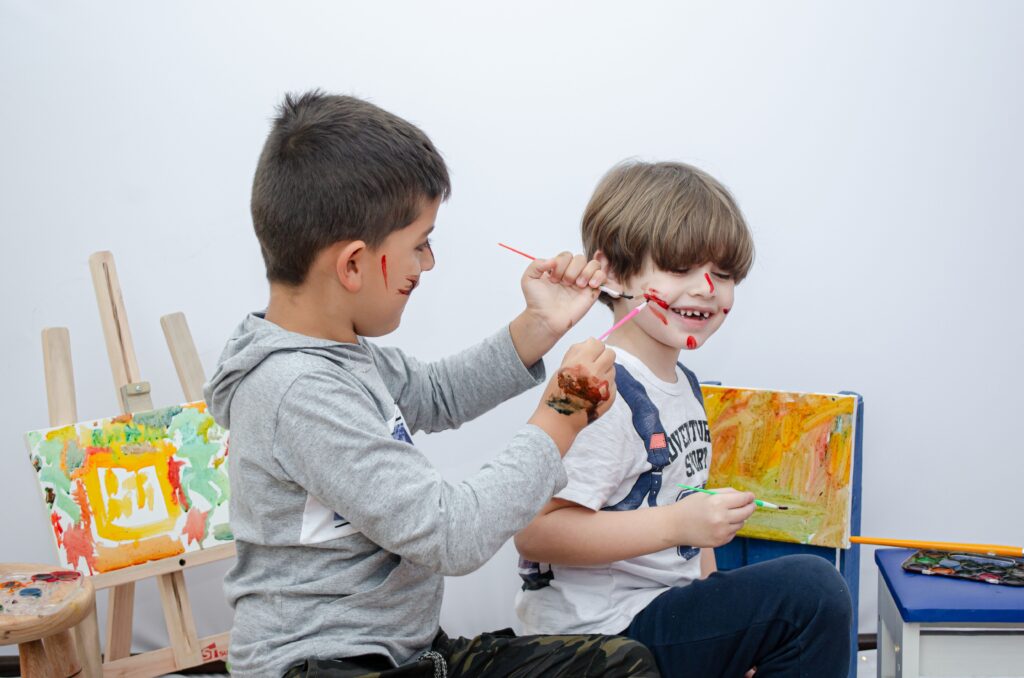
Creative activities allow children to express ideas in ways words sometimes cannot.
Instead of focusing on making perfect crafts, enjoy the process together.
Ideas include:
- Paint with watercolors.
- Make greeting cards.
- Build paper airplanes.
- Decorate flower pots.
- Create puppets from paper bags.
- Design homemade bookmarks.
- Make friendship bracelets.
Children develop creativity, fine motor skills, and confidence while creating something uniquely their own.
Moment Three: Bring Stories to Life
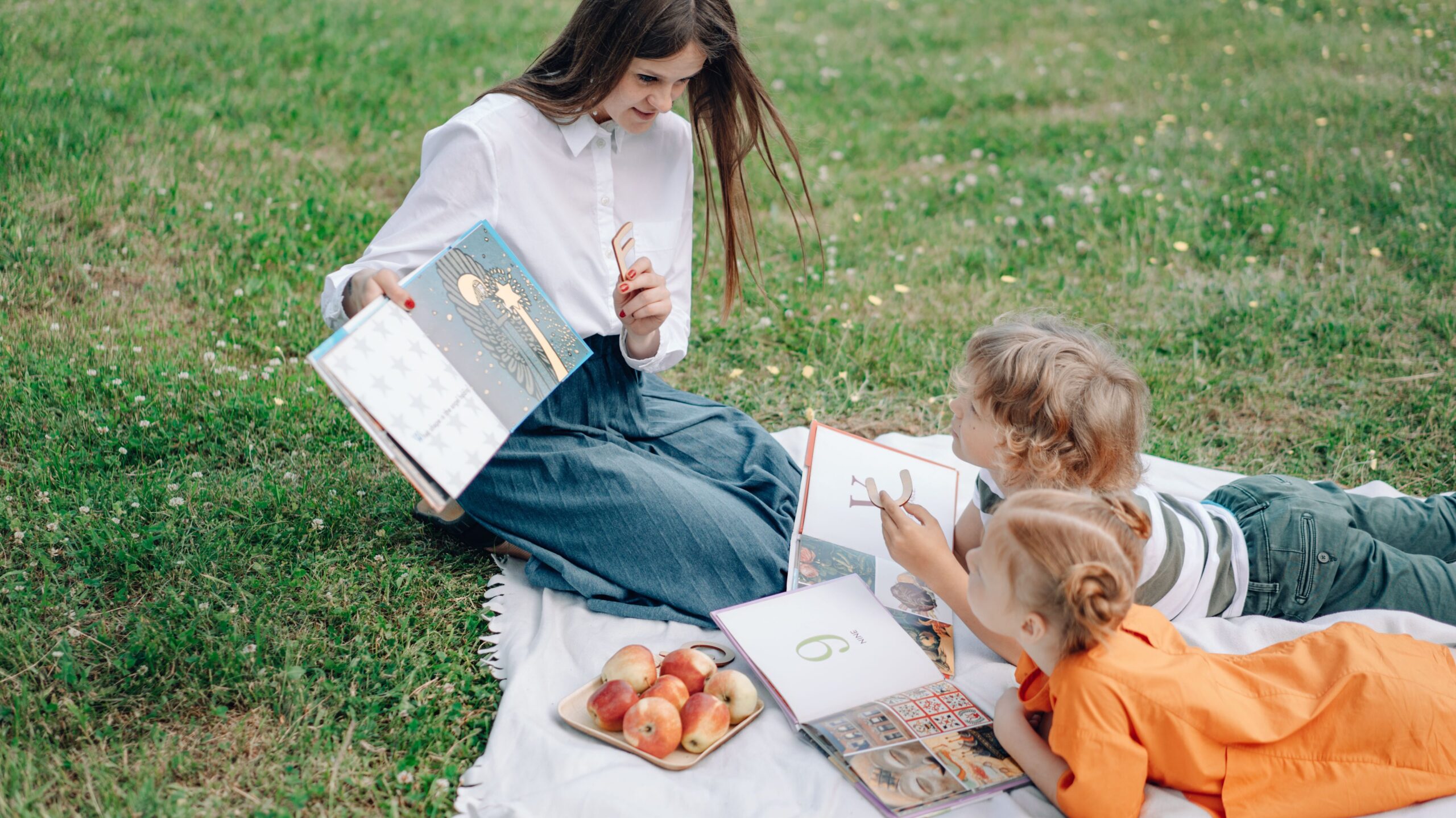
Reading becomes even more exciting when stories jump off the page.
After reading a favorite book, encourage your child to:
- Dress like a character.
- Act out scenes.
- Create a different ending.
- Draw their favorite moment.
- Build the story setting with blocks.
Story-based play strengthens language development while encouraging imagination.
Moment Four: Become Little Scientists
Children love discovering how things work.
Simple science activities often create the biggest excitement.
Try experiments such as:
- Baking soda and vinegar volcanoes.
- Growing beans in a clear cup.
- Making a rainbow with a glass of water.
- Exploring objects that float or sink.
- Creating homemade slime (with supervision).
Hands-on experiments help children ask questions, make predictions, and learn through observation.
Moment Five: Move, Dance, Laugh
Children learn best when their bodies are moving.
Instead of saying,
“Go burn some energy,”
join them.
Ideas include:
- Family dance party.
- Obstacle course.
- Balloon volleyball.
- Hopscotch.
- Sack races.
- Freeze dance.
- Simon Says.
Active play supports coordination, balance, teamwork, and healthy physical development.
Little Moments Matter Most
Parents sometimes believe every activity needs careful planning.
It doesn’t.
Some of the happiest childhood memories begin with simple moments like:
- Baking pancakes together.
- Watering plants.
- Folding laundry as a team.
- Washing the family car.
- Having a picnic in the backyard.
Children usually remember how they felt far longer than what they actually did.
Moment Six: Turn Everyday Chores Into Games
Children are more willing to help when ordinary tasks feel playful.
Instead of saying,
“Clean your room.”
Try:
“Let’s see how many toys we can put away before the song ends.”
Other fun ideas include:
- Color-sorting laundry.
- Matching socks.
- Dusting with a timer challenge.
- Watering plants together.
- Organizing books by color.
These activities teach responsibility while keeping the mood positive.
Moment Seven: Cook Together
The kitchen is full of learning opportunities.
Even young children can safely help with simple tasks like:
- Washing fruits.
- Stirring ingredients.
- Sprinkling cheese.
- Measuring flour.
- Decorating sandwiches.
- Mixing yogurt parfaits.
Cooking together introduces math, science, language, and healthy eating habits—all in one activity.
Moment Eight: Build Family Traditions
Children thrive on routines they can look forward to.
Simple traditions don’t have to be elaborate.
For example:
- Friday family movie night.
- Saturday morning pancakes.
- Sunday nature walks.
- Monthly library visits.
- Evening board game nights.
These recurring moments strengthen family bonds and create lasting memories.
Moment Nine: Discover Your Community
Adventure doesn’t always require traveling far.
Explore places close to home, such as:
- Public libraries.
- Local parks.
- Museums.
- Botanical gardens.
- Farmers’ markets.
- Community events.
- Historical landmarks.
Every outing introduces children to new experiences while encouraging curiosity about the world around them.
Moment Ten: Give Back Together
Helping others teaches empathy and kindness.
Family-friendly ideas include:
- Making thank-you cards for community helpers.
- Donating gently used toys.
- Picking up litter in a park.
- Planting flowers in the neighborhood.
- Preparing care packages for families in need.
Acts of kindness help children understand that even small actions can make a positive difference.
Screen-Free Fun Can Be the Most Memorable
Technology certainly has its place, but children also benefit from activities that encourage conversation, creativity, and movement.
Some screen-free favorites include:
- Card games.
- Jigsaw puzzles.
- Treasure hunts.
- Building forts.
- Drawing contests.
- Charades.
- Shadow puppets.
Without screens competing for attention, families often find more opportunities to laugh, communicate, and connect.
A Simple Formula for Every Weekend
If you’re ever unsure what to do, remember this easy balance:
| Include… | Example |
|---|---|
| One outdoor activity | Nature walk or playground visit |
| One creative activity | Painting or craft project |
| One learning activity | Reading or science experiment |
| One active game | Obstacle course or dance party |
| One quiet family moment | Picnic, story time, or board game |
You don’t need to do everything in one day.
Even one meaningful activity can turn an ordinary afternoon into a treasured childhood memory.
Choose Activities That Match Your Child’s Age
The best activity isn’t necessarily the most creative one.
It’s the one your child is developmentally ready to enjoy.
Here’s a simple guide:
| Age Group | Activities They’ll Love |
|---|---|
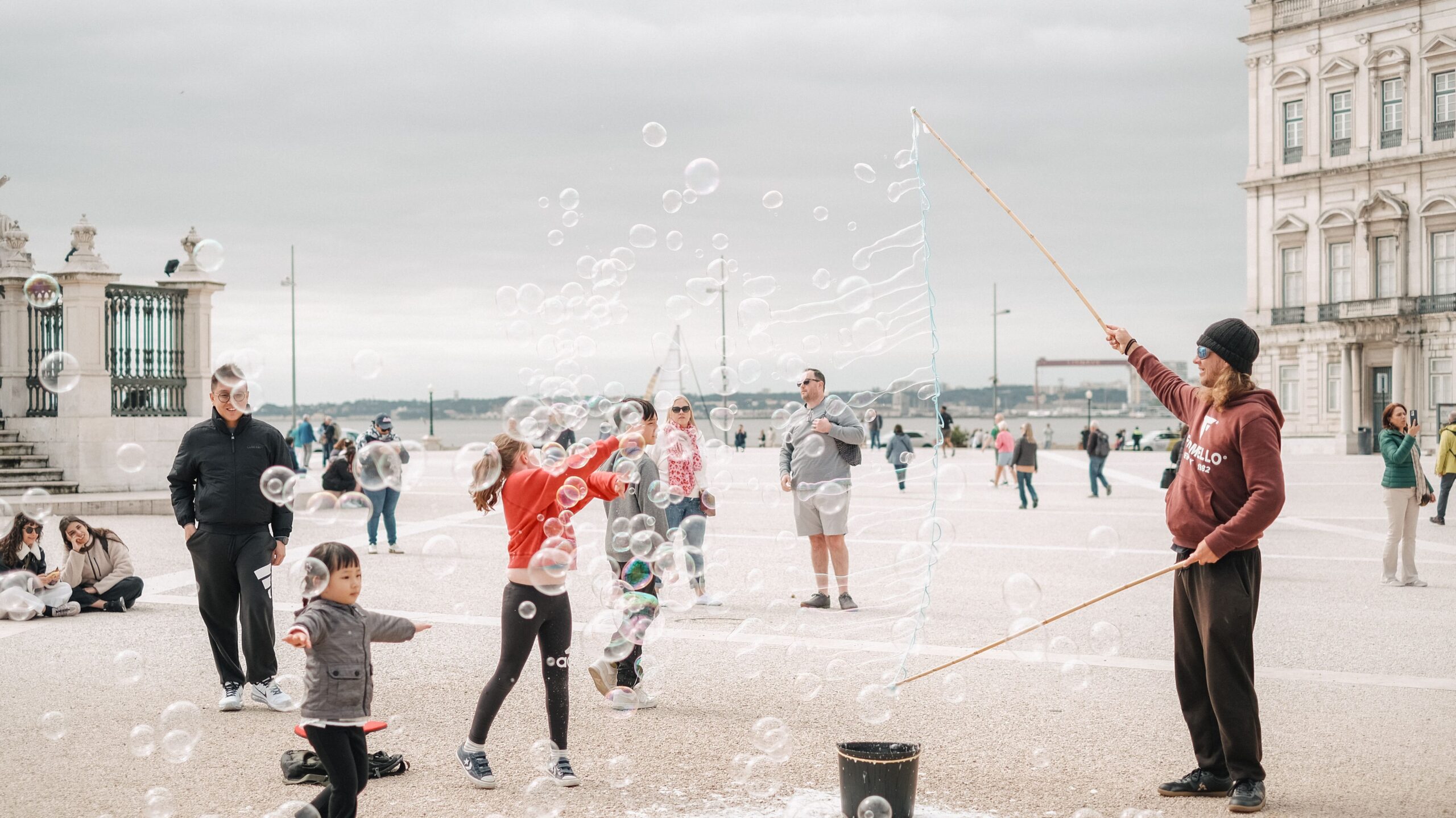
| 1–3 Years | Sensory bins, bubble play, stacking blocks, water play, simple songs |
| 4–6 Years | Treasure hunts, crafts, pretend play, beginner board games, baking together |
| 7–9 Years | LEGO challenges, science experiments, cycling, puzzles, museums |
| 10–12 Years | Photography walks, coding games, gardening, cooking, sports, DIY projects |
Children are more likely to stay engaged when activities match their abilities instead of being too easy or too difficult.
Let Children Lead Sometimes
Parents often plan every detail.
But occasionally, let your child become the activity planner.
Ask questions like:
- “If you could design the perfect afternoon, what would we do?”
- “Which game should we invent today?”
- “What would you like to build together?”
Giving children a voice builds confidence and encourages creativity.
You may be surprised by the wonderful ideas they come up with.
Make Every Season an Adventure
Different seasons naturally inspire different family activities.
Spring
- Plant flowers
- Fly a kite
- Visit a botanical garden
- Collect colorful leaves and flowers
Summer
- Water balloon games
- Backyard camping
- Sidewalk chalk art
- Ice cream picnic
- Splash pad visits
Autumn
- Pumpkin decorating
- Nature walks
- Leaf crafts
- Apple picking
- Scarecrow making
Winter
- Hot chocolate picnic indoors
- Blanket forts
- Homemade holiday decorations
- Baking cookies
- Family puzzle nights
Changing activities with the seasons keeps family time exciting all year long.
When You Have Only 15 Minutes
Busy days don’t mean family fun has to disappear.
Quick activities can still create meaningful moments.
Try:
- Dance to three favorite songs.
- Read one picture book together.
- Build the tallest block tower.
- Play “I Spy.”
- Draw funny monsters.
- Toss a balloon without letting it touch the floor.
- Tell a made-up bedtime story together.
Even short moments of focused attention help strengthen parent-child relationships.
Create a Family Adventure Jar
Write different activity ideas on small pieces of paper and place them in a jar.
Examples:
- Visit a park.
- Build a fort.
- Bake cookies.
- Read outside.
- Paint rocks.
- Have a picnic.
- Watch birds.
- Make homemade pizza.
Whenever someone says,
“I’m bored,”
simply let them choose one activity from the jar.
This makes family fun spontaneous and exciting.
It’s Okay If Everything Doesn’t Go as Planned
Children may lose interest.
The weather may change.
Someone might get tired halfway through an activity.
That’s perfectly normal.
The goal isn’t to create a perfect day.
The goal is to enjoy spending time together.
Sometimes the unexpected moments become the most memorable ones.

Frequently Asked Questions
Do children need expensive activities to have fun?
Not at all.
Many of the happiest childhood memories come from simple experiences like building forts, reading together, visiting parks, or baking cookies at home.
Love, attention, and shared laughter matter far more than expensive entertainment.
How much quality time should families spend together?
There isn’t a perfect number of hours.
Even 15–30 minutes of uninterrupted family time each day can strengthen relationships when everyone is fully engaged and free from distractions.
What if my child says they’re bored?
Boredom isn’t always a problem.
In fact, it often encourages children to become more creative and invent their own games.
Instead of immediately offering a screen, encourage them to explore, build, draw, imagine, or help create a new activity.
How can I encourage siblings to play together?
Choose activities that require teamwork rather than competition.
Building forts, cooking, scavenger hunts, gardening, and cooperative board games help children work toward a shared goal while reducing unnecessary conflicts.
Are educational activities more important than fun activities?
Children need both.
Learning and fun naturally go hand in hand when activities encourage curiosity, creativity, movement, and family interaction.
The best activities teach valuable skills while still feeling like play.
Final Thoughts
Children won’t always remember the newest toy or the biggest birthday gift.
But they’ll often remember the afternoon spent chasing butterflies, building pillow forts, baking cupcakes, reading stories under a blanket, or laughing during a silly family game.
These ordinary moments quietly shape childhood.
The best thing to do with kids isn’t necessarily the most expensive activity or the busiest schedule.
It’s being present.
By setting aside time to explore, create, learn, move, and laugh together, you’re giving your child something far more valuable than entertainment—you’re creating memories, building confidence, and strengthening a relationship that can last a lifetime.
Because in the end, the greatest gift you can give your child isn’t another toy.
It’s your time.
References
This article is informed by child development and family engagement guidance from trusted organizations, including:
- American Academy of Pediatrics (AAP)
- HealthyChildren.org
- National Association for the Education of Young Children (NAEYC)
- UNICEF Parenting
- Harvard Center on the Developing Child
Continue Exploring on NatureNestia
You may also enjoy:
- Creative Activities for Kids
- Social Skills Activities for Kids
- Montessori Activities for Toddlers
- Sensory Activities for Toddlers
- Make Learning Fun for Kids
- Screen Time for Kids
- Healthy Snacks for Kids

Aina Arif is a mother of two young children and the founder of NatureNestia. Based in Pakistan, she spent three years as an early childhood educator before becoming a full-time parent and writer. She writes about learning through play, managing difficult behaviour, and building strong family bonds.