
By Aina Arif | Published: March 2026 | 11 min read
Why Every Child Benefits from a Simple Daily Learning Routine
A daily learning routine doesn’t have to look like a school timetable.
In fact, young children learn best through short, consistent, and enjoyable activities spread throughout the day. A predictable routine helps children know what to expect, making them feel more secure and confident while building healthy habits over time.
The goal isn’t to make every minute educational.
Instead, it’s about creating small moments of learning that naturally fit into your family’s day.
A simple daily routine can help children:
- Build better focus and concentration
- Develop independence
- Strengthen language and communication skills
- Improve memory through repetition
- Create healthy lifelong learning habits
- Balance learning with play and rest
The activities below are flexible. You can adjust them according to your child’s age, interests, and daily schedule.
🌞 Learning Block 1: Morning Reading Time
🎯 Mission of the Day
Can your child start the day with curiosity?
🧺 What You’ll Need
- One picture book or storybook
- A quiet reading corner
- 10–15 minutes
🌱 How to Do It
After breakfast, sit together and read one short story.
Don’t rush.
Pause while reading and ask questions like:
- What do you think will happen next?
- Which character do you like most?
- Why is the character happy?
- Can you find the red bird in the picture?
If your child cannot read yet, simply let them describe the pictures.
🧠 Skills Developed
- Vocabulary
- Listening skills
- Imagination
- Reading readiness
- Speaking confidence
⭐ Easy Level
Read one short picture book.
🚀 Next Challenge
Ask your child to retell the story using their own words.
🔤 Learning Block 2: Letter & Word Play
🎯 Mission of the Day
Can your child discover letters during everyday life?
🧺 What You’ll Need
- Alphabet magnets (optional)
- Books
- Food packages
- Labels around the house
🌱 How to Do It
Choose one letter each day.
For example:
Today’s Letter: B
Now explore the house together.
Can your child find:
- Book
- Ball
- Bottle
- Basket
Repeat the sound together several times.
If your child already knows letters, ask them to think of another word beginning with that letter.
🧠 Skills Developed
- Letter recognition
- Phonics awareness
- Vocabulary
- Observation skills
⭐ Easy Level
Practice one letter only.
🚀 Next Challenge
Find five objects beginning with today’s letter.
🔢 Learning Block 3: Five-Minute Number Fun
🎯 Mission of the Day
Can learning numbers become part of everyday life?
🧺 What You’ll Need
Anything around the house:
- Toys
- Fruits
- Cups
- Blocks
- Spoons
🌱 How to Do It
Ask your child questions like:
- Can you count five apples?
- Which plate has more biscuits?
- Can you make a group of three toys?
- What comes after number six?
Keep it playful instead of making it feel like a lesson.
🧠 Skills Developed
- Counting
- Number recognition
- Early math skills
- Comparison
- Logical thinking
⭐ Easy Level
Practice counting from 1–10.
🚀 Next Challenge
Introduce simple addition using toys.
🎨 Learning Block 4: Creative Art Time
🎯 Mission of the Day
Can your child express ideas through creativity?
🧺 What You’ll Need
- Crayons
- Paper
- Colored pencils
- Washable markers
🌱 How to Do It
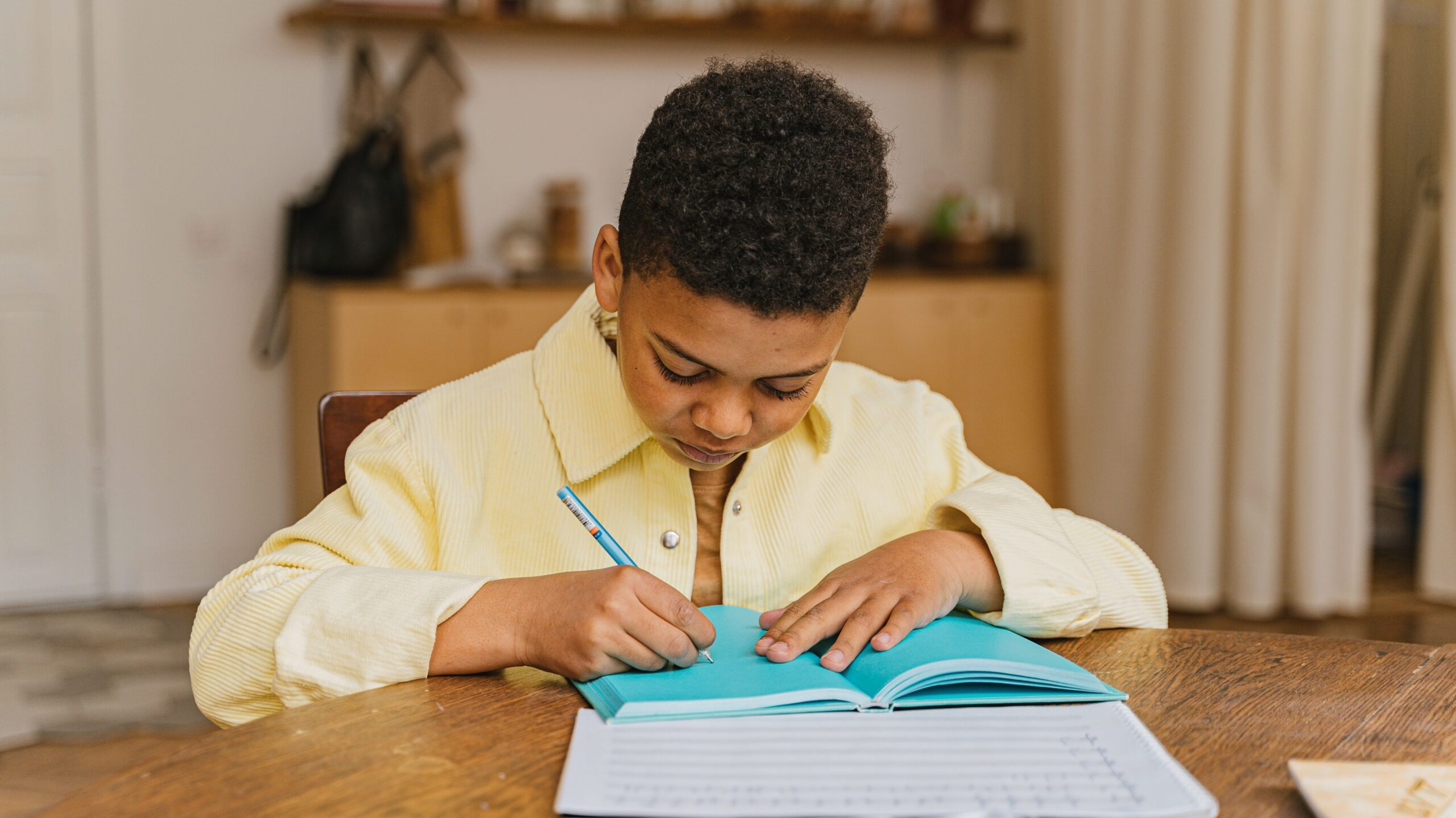
Instead of giving detailed instructions, offer an open-ended prompt.
For example:
- Draw your dream playground.
- Draw your favorite animal.
- Draw your family having a picnic.
- Draw something that makes you smile.
When they finish, invite them to explain their drawing.
🧠 Skills Developed
- Creativity
- Fine motor skills
- Storytelling
- Emotional expression
- Confidence
⭐ Easy Level
Draw using only three colors.
🚀 Next Challenge
Turn the drawing into a short story.
🏃 Learning Block 5: Movement & Brain Break
🎯 Mission of the Day
Can your child move their body before returning to quiet activities?
🧺 What You’ll Need
No materials.
🌱 How to Do It
Choose a quick movement activity:
- Jump 10 times
- Hop on one foot
- Dance for two minutes
- Stretch like different animals
- March around the room
Movement breaks help children release energy and return to learning with better focus. Short periods of active play are an important part of a balanced daily routine.
🧠 Skills Developed
- Gross motor skills
- Balance
- Coordination
- Focus
- Physical fitness
⭐ Easy Level
Choose one activity.
🚀 Next Challenge
Create a mini obstacle course using pillows and chairs.
🌟 Why Simple Routines Work Better Than Long Study Sessions
Young children don’t need hours of studying.
Research consistently shows that short, predictable learning routines are more effective than long, rigid study sessions because they match children’s natural attention spans and help build lasting habits.
A routine should feel like part of family life—not like a classroom at home.
💙 Parent Reminder
You don’t need to complete every activity every day.
Even 20–30 minutes of meaningful learning mixed with play can make a positive difference when done consistently over time.
✅ Daily Progress Tracker
Celebrate these small achievements:
✔ Read one story
✔ Practiced today’s letter
✔ Counted everyday objects
✔ Created one drawing
✔ Enjoyed active movement
Learning Block 6: Nature Exploration Time
🎯 Mission of the Day
Can your child become a little nature explorer?
🧺 What You’ll Need
- A small basket or bag
- A notebook (optional)
- Colored pencils
🌱 How to Do It
Spend 15–20 minutes outdoors in your backyard, balcony, garden, or a nearby park.
Encourage your child to observe the world around them.
Ask them to find:
- A green leaf
- A small flower
- A smooth stone
- A feather (if safe)
- An interesting stick
Talk about each object together.
Questions you can ask:
- What color is it?
- Is it rough or smooth?
- Where do you think it came from?
- Which one is the biggest?
Learning through nature helps children become curious observers while strengthening their vocabulary and science skills.
🧠 Skills Developed
- Observation
- Science awareness
- Vocabulary
- Critical thinking
- Curiosity
⭐ Easy Level
Find three different natural objects.
🚀 Next Challenge
Create a simple nature journal by drawing what your child collected.
🧩 Learning Block 7: Everyday Problem-Solving Time
🎯 Mission of the Day
Can your child think of different ways to solve a problem?
🧺 What You’ll Need
Nothing but imagination.
🌱 How to Do It
Present simple situations and encourage your child to think independently.
For example:
- “Your favorite toy is under the sofa. How can you get it?”
- “Your friend is sad. What could you do?”
- “You spilled water on the floor. What’s the first thing you should do?”
- “Your block tower keeps falling. How can you make it stronger?”
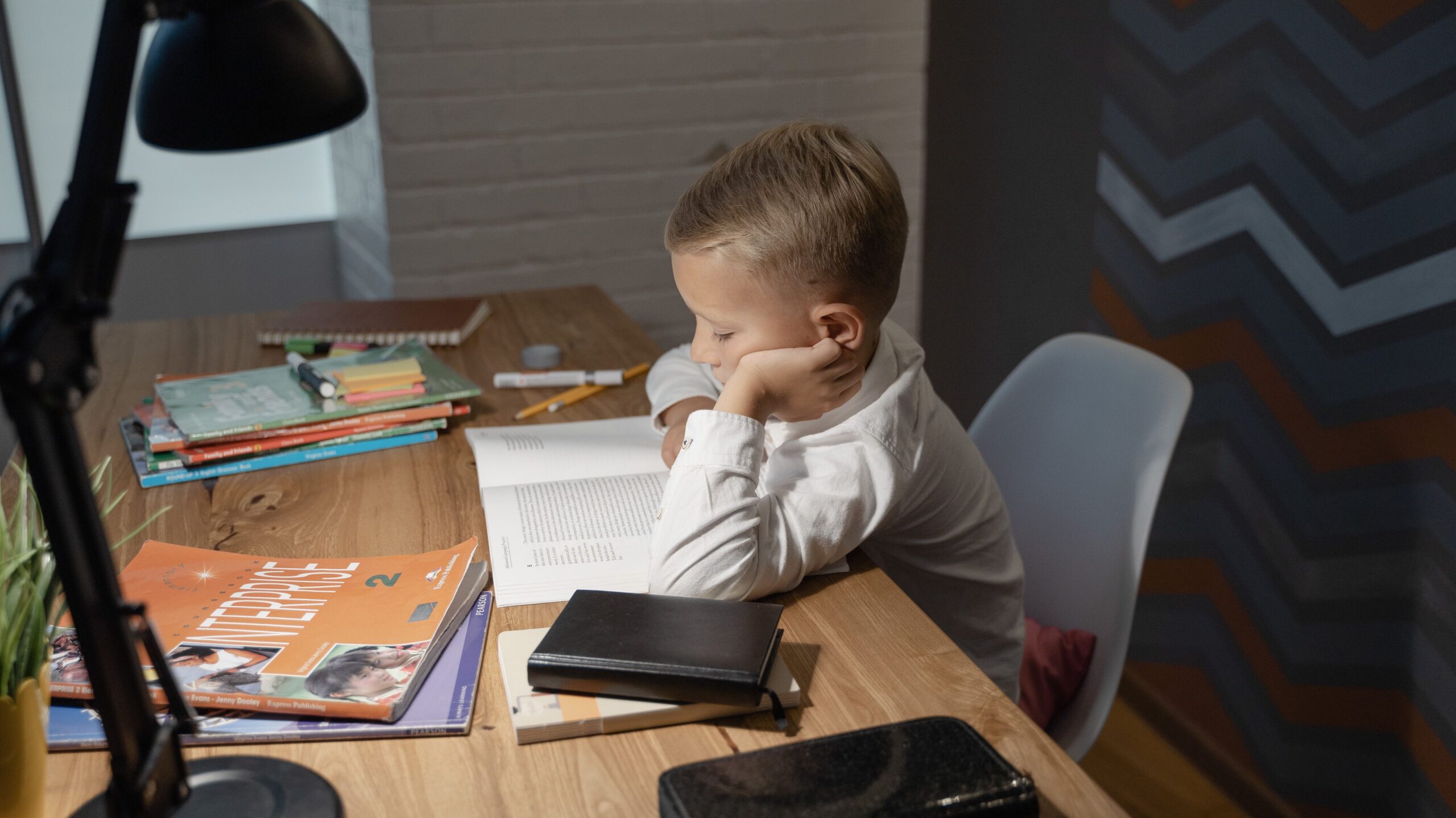
Allow your child enough time to think before offering suggestions.
🧠 Skills Developed
- Logical reasoning
- Decision-making
- Creativity
- Independence
- Confidence
⭐ Easy Level
Use familiar daily situations.
🚀 Next Challenge
Ask your child to create a problem for you to solve.
🎵 Learning Block 8: Music and Rhythm Time
🎯 Mission of the Day
Can your child learn through music and movement?
🧺 What You’ll Need
- Simple children’s songs
- Clapping hands
- Household objects for rhythm (optional)
🌱 How to Do It
Choose one favorite rhyme or action song.
Sing together while adding movements.
Examples include:
- Clapping patterns
- Marching
- Jumping
- Spinning
- Tapping rhythm on a table
Ask your child to copy the rhythm or create a new one.
Music supports language development while improving listening and coordination.
🧠 Skills Developed
- Listening skills
- Rhythm awareness
- Memory
- Coordination
- Language development
⭐ Easy Level
Sing one short song together.
🚀 Next Challenge
Create your own family action song.
📚 Learning Block 9: Storytelling and Conversation Time
🎯 Mission of the Day
Can your child become today’s storyteller?
🧺 What You’ll Need
- Favorite storybook (optional)
- Family members
🌱 How to Do It
Instead of reading every story, encourage your child to tell one.
Ask open-ended questions like:
- What happened today?
- If you met a dinosaur, what would you do?
- What would happen if animals could talk?
- Tell me a story about your favorite toy.
Avoid interrupting or correcting every sentence.
The goal is to encourage communication and imagination.
🧠 Skills Developed
- Speaking confidence
- Vocabulary
- Storytelling
- Creativity
- Listening
⭐ Easy Level
Tell a story with three simple events.
🚀 Next Challenge
Create a story together, with each family member adding one sentence.
🌙 Learning Block 10: Evening Reflection and Gratitude
🎯 Mission of the Day
Can your child end the day with positive thoughts?
🧺 What You’ll Need
Nothing.
🌱 How to Do It
Before bedtime, spend five minutes talking together.
Ask questions like:
- What made you smile today?
- What new thing did you learn?
- What was your favorite activity?
- What would you like to do tomorrow?
- Who helped you today?
This simple habit strengthens communication while helping children reflect on their experiences.
🧠 Skills Developed
- Emotional awareness
- Gratitude
- Communication
- Memory
- Self-reflection
⭐ Easy Level
Answer one question each night.
🚀 Next Challenge
Keep a simple gratitude journal with drawings or short sentences.
🌟 Tips for Building a Successful Daily Learning Routine
Every family has a different schedule, so your routine doesn’t have to be perfect. The most effective routines are the ones that are easy to follow and enjoyable for everyone.
Here are a few tips:
- Keep learning sessions short (10–20 minutes).
- Include time for movement and free play.
- Follow your child’s interests whenever possible.
- Celebrate effort instead of perfection.
- Be flexible if plans change.
- Repeat favorite activities throughout the week.
Remember, consistency matters more than doing something new every day.
💙 Parent Reminder
Your child doesn’t need a packed timetable to learn.
Reading one story, asking thoughtful questions, playing together, and talking about the day are all meaningful learning experiences.
The goal isn’t to raise a perfect student—it’s to raise a curious, confident learner who enjoys discovering new things every day.
🌈 Final Thoughts
A simple daily learning routine isn’t about doing more—it’s about making everyday moments count.
When children read, explore, move, create, and talk with caring adults, they build skills that last a lifetime.
Start small.
Stay consistent.
Enjoy the journey together.
Over time, these simple daily habits can help your child grow into an independent, creative, and lifelong learner.
❓ Frequently Asked Questions
At what age should I start a daily learning routine?
You can begin as early as toddlerhood by including short activities like reading, singing, stacking blocks, and talking during everyday routines. As children grow, you can gradually add more structured learning.
How long should a daily learning routine be?
For preschoolers, 30–60 minutes of total learning spread throughout the day is usually enough. Young children learn best through short, engaging sessions rather than long study periods.
What if we miss a day?
That’s perfectly fine. A learning routine should support your family—not create stress. Simply continue the next day without worrying about catching up.
Should learning happen before or after play?
Play and learning work best together. In early childhood, play is one of the most effective ways children learn new skills.
📚 References
- American Academy of Pediatrics – The Importance of Play
- UNICEF Parenting – Learning Through Everyday Activities
- NAEYC – Developmentally Appropriate Practice
- Harvard Center on the Developing Child – Serve and Return & Early Learning
- ChildCare.gov – Supporting Children’s Learning Through Play
🌟 Continue Exploring on NatureNestia
- Screen-Free Activities for Kids at Home
- Fun English Learning Games for Kids
- Educational Games for Kids Without Materials
- Easy Science Experiments for Kids at Home
- Outdoor Learning Activities for Kids
- Problem-Solving Activities for Kids at Home

Aina Arif is a mother of two young children and the founder of NatureNestia. Based in Pakistan, she spent three years as an early childhood educator before becoming a full-time parent and writer. She writes about learning through play, managing difficult behaviour, and building strong family bonds.