
By Aina Arif | Updated June 2026 |
Why Making Learning Fun Matters at Every Age
Children are naturally curious.
From the moment they begin asking “Why?” and “How?”, they are eager to explore the world around them. However, learning can quickly become stressful when it feels like a chore instead of an adventure.
The secret isn’t to make children study more.
The secret is to make them enjoy learning.
When learning is fun, children are more likely to:
- Stay motivated
- Remember information longer
- Build confidence
- Ask more questions
- Develop a lifelong love of learning
Research shows that playful, hands-on experiences increase children’s motivation, creativity, and knowledge retention while reducing learning-related stress.
Let’s explore simple and practical ways to make learning exciting for children of every age.
🎲 Way 1: Turn Lessons into Games
🎯 Mission of the Day
Can learning feel like play instead of homework?
🧺 What You’ll Need
- Flashcards (optional)
- Dice
- Toy blocks
- Paper and pencil
- Household objects
🌱 How to Do It
Instead of asking your child to solve ten math questions, turn them into a game.
Examples include:
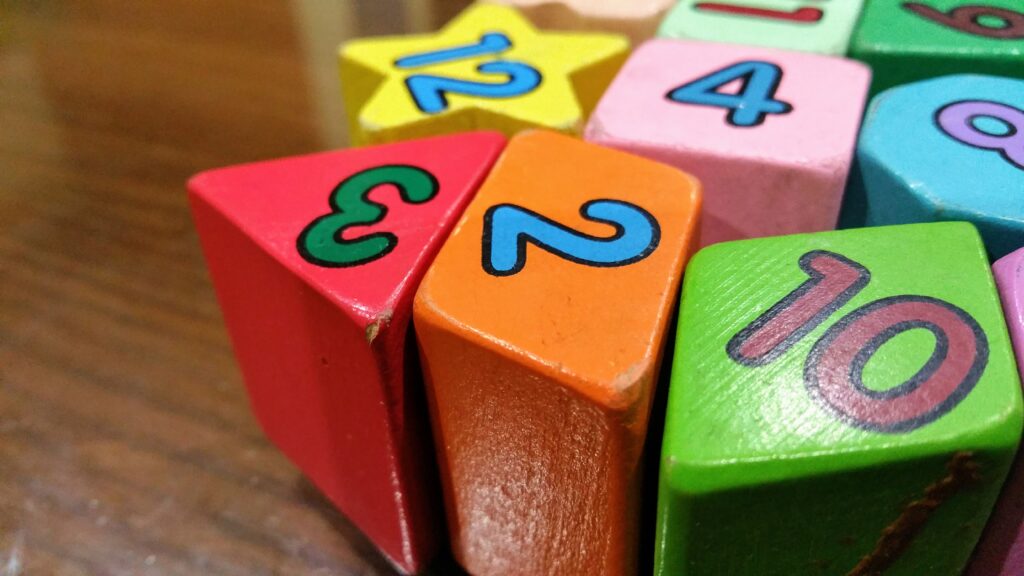
- Roll a dice and solve the number.
- Hide alphabet cards around the room for a letter hunt.
- Create a spelling treasure hunt.
- Play math bingo using homemade cards.
Children become excited because the focus shifts from “studying” to “playing.”
🧠 Skills Developed
- Problem-solving
- Memory
- Concentration
- Decision-making
- Confidence
⭐ Easy Level
Play for only 10 minutes.
🚀 Next Challenge
Let your child invent their own learning game.
📚 Way 2: Bring Stories into Every Lesson
🎯 Mission of the Day
Can stories make learning unforgettable?
🧺 What You’ll Need
- Storybooks
- Picture books
- Your imagination
🌱 How to Do It
Instead of simply teaching facts, tell a story.
For example:
Learning about space?
Create a story about a little astronaut exploring different planets.
Learning numbers?
Tell a story about five hungry monkeys sharing bananas.
Even science becomes more exciting when children imagine themselves inside the adventure.
🧠 Skills Developed
- Listening
- Vocabulary
- Creativity
- Reading comprehension
- Imagination
⭐ Easy Level
Read one short story every day.
🚀 Next Challenge
Ask your child to create an alternative ending.
🎨 Way 3: Encourage Hands-On Learning
🎯 Mission of the Day
Can your child learn by doing instead of only listening?
🧺 What You’ll Need
Simple household materials such as:
- Cups
- Water
- Blocks
- Leaves
- Measuring spoons
- Paper
🌱 How to Do It
Turn everyday activities into lessons.
Examples:
- Measure flour while baking.
- Plant seeds and watch them grow.
- Build towers using cups.
- Sort toys by color or size.
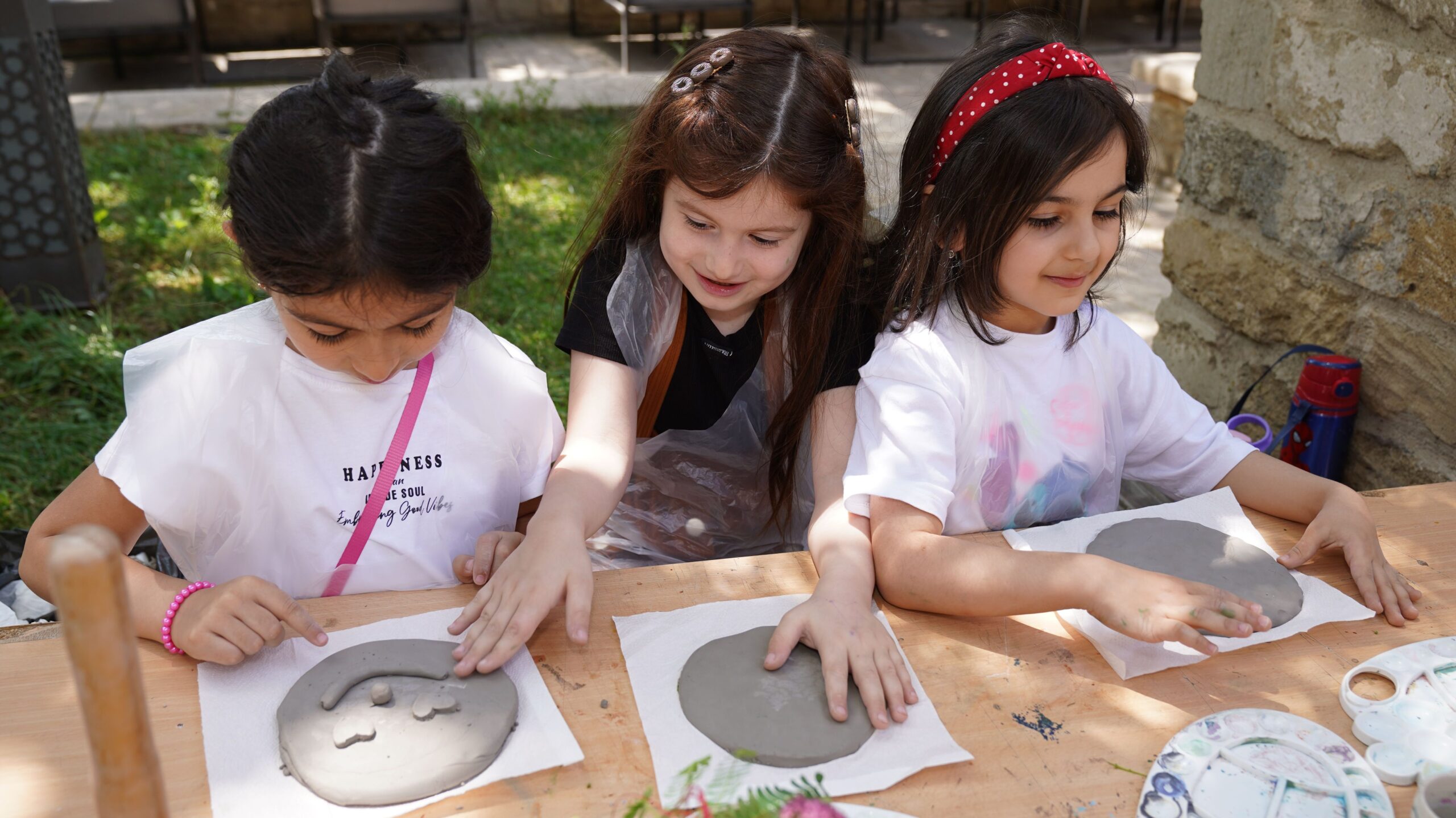
- Mix colors while painting.
Hands-on activities help children understand concepts more deeply because they experience them directly.
🧠 Skills Developed
- Fine motor skills
- Critical thinking
- Observation
- Science concepts
- Creativity
⭐ Easy Level
Complete one simple activity each day.
🚀 Next Challenge
Ask your child to explain what they discovered.
🌳 Way 4: Learn Beyond the Classroom
🎯 Mission of the Day
Can the world become your child’s classroom?
🧺 What You’ll Need
Nothing except curiosity.
🌱 How to Do It
Learning doesn’t have to happen at a desk.
Visit places like:
- Parks
- Gardens
- Museums
- Grocery stores
- Farmers’ markets
- Libraries
Even a walk around your neighborhood can become a learning adventure.
Ask questions like:
- Why do leaves change color?
- How many birds can you spot?
- Which building is the tallest?
- Can you count the red cars?
Children learn best when they connect lessons with real-life experiences.
🧠 Skills Developed
- Observation
- General knowledge
- Vocabulary
- Curiosity
- Critical thinking
⭐ Easy Level
Take one short educational walk every week.
🚀 Next Challenge
Create a nature journal after each outing.
🎵 Way 5: Teach Through Music and Movement
🎯 Mission of the Day
Can singing and dancing make learning easier?
🧺 What You’ll Need
- Nursery rhymes
- Children’s songs
- Clapping hands
- Plenty of energy
🌱 How to Do It
Teach:
- Alphabet through songs
- Counting through clapping
- Days of the week through music
- Body parts through action songs
Movement helps children remember information while keeping them actively engaged.
🧠 Skills Developed
- Memory
- Listening
- Coordination
- Language development
- Rhythm awareness
⭐ Easy Level
Learn one educational song each week.
🚀 Next Challenge
Create your own family learning song.
🌟 Why Fun Learning Creates Better Results
Children don’t remember information simply because someone explains it.
They remember experiences that make them:
- Laugh
- Explore
- Build
- Imagine
- Ask questions
When learning becomes enjoyable, children become active participants instead of passive listeners. This helps improve motivation, confidence, and long-term understanding.
💙 Parent Reminder
Don’t aim for perfection.
A child who spends 20 joyful minutes learning often gains more than a child who spends an hour feeling pressured.
Celebrate curiosity, effort, and progress—not just correct answers.
✅ Learning Success Checklist
Celebrate today’s achievements:
✔ Learned through a game
✔ Listened to a story
✔ Completed a hands-on activity
✔ Explored something new
✔ Sang or moved while learning
Way 6: Follow Your Child’s Interests
🎯 Mission of the Day
Can learning begin with something your child already loves?
🧺 What You’ll Need
Nothing except paying attention to your child’s interests.
🌱 How to Do It
Every child has unique interests.
Some love:
- Dinosaurs
- Cars
- Animals
- Space
- Princesses
- Construction vehicles
- Art
- Music
Instead of forcing topics they don’t enjoy, connect learning to what already excites them.
For example:
If your child loves dinosaurs:
- Count dinosaur toys.
- Read dinosaur books.
- Learn dinosaur names.
- Draw different dinosaurs.
- Measure toy dinosaurs using a ruler.
Children become much more engaged when learning connects with their passions.
🧠 Skills Developed
- Curiosity
- Reading motivation
- Creativity
- Critical thinking
- Independent learning
⭐ Easy Level
Choose one favorite topic each week.
🚀 Next Challenge
Help your child create a mini project about their favorite subject.
🏆 Way 7: Celebrate Progress Instead of Perfection
🎯 Mission of the Day
Can encouragement build confidence?
🧺 What You’ll Need
- Stickers (optional)
- A progress chart
- Positive words
🌱 How to Do It
Instead of focusing only on correct answers, celebrate effort.
Say things like:
- “You worked really hard.”
- “I love how you kept trying.”
- “That’s a creative idea.”
- “You didn’t give up.”
Small celebrations motivate children to keep learning without fearing mistakes.
🧠 Skills Developed
- Confidence
- Growth mindset
- Emotional resilience
- Motivation
- Self-esteem
⭐ Easy Level
Celebrate one achievement every day.
🚀 Next Challenge
Create a weekly “Learning Champion” certificate together.
🧪 Way 8: Make Everyday Activities Educational
🎯 Mission of the Day
Can ordinary moments become learning opportunities?
🧺 What You’ll Need
Everyday household items.
🌱 How to Do It
Learning can happen throughout the day.
During cooking:
- Count ingredients.
- Measure cups.
- Compare sizes.
During shopping:
- Read food labels.
- Count fruits.
- Compare prices.
- Identify colors.
During cleaning:
- Sort laundry by color.
- Match socks.
- Count toys.
These simple tasks teach practical life skills while reinforcing academic concepts.
🧠 Skills Developed
- Math skills
- Reading
- Responsibility
- Observation
- Organization
⭐ Easy Level
Include one learning conversation during daily chores.
🚀 Next Challenge
Let your child become your “little helper” for an entire activity.
🎭 Way 9: Encourage Questions Every Day
🎯 Mission of the Day
Can curiosity become your child’s greatest teacher?
🧺 What You’ll Need
Open conversations.
🌱 How to Do It
Instead of always giving answers, encourage discussion.
Ask questions like:
- Why do you think that happened?
- What would happen if…?
- How could we solve this?
- What do you notice?
When children ask questions, avoid saying:
“Because I said so.”
Instead, explore the answer together.
Sometimes you can even research it together in a book or from a trusted educational source.
🧠 Skills Developed
- Critical thinking
- Communication
- Scientific reasoning
- Curiosity
- Problem-solving
⭐ Easy Level
Ask one thoughtful question every day.
🚀 Next Challenge
Create a “Question of the Day” jar filled with fun topics.
🌈 Way 10: End Every Learning Session with Fun
🎯 Mission of the Day
Can learning finish with smiles?
🧺 What You’ll Need
Any enjoyable activity.
🌱 How to Do It
After learning, finish with something your child loves:
- Dance together.
- Play a quick game.
- Read a funny story.
- Sing a favorite song.
- Draw together.
- Go outside for five minutes.
Ending positively helps children associate learning with happiness instead of stress.
🧠 Skills Developed
- Positive emotional connection
- Motivation
- Family bonding
- Creativity
- Emotional well-being
⭐ Easy Level
Finish every learning session with five minutes of free play.
🚀 Next Challenge
Allow your child to choose the celebration activity.
🌟 Simple Tips to Make Learning Enjoyable Every Day
You don’t need to completely change your parenting style to make learning more exciting.
Small changes can make a big difference:
- Keep activities short and engaging.
- Mix learning with movement.
- Let children make choices.
- Encourage curiosity instead of memorization.
- Celebrate effort and improvement.
- Include laughter and play every day.
- Take regular breaks.
- Be patient with mistakes.
Children are more likely to remember lessons that make them feel happy, involved, and successful.
💙 Parent Reminder
Every child learns differently.
Some children enjoy reading.
Others learn best by building, drawing, moving, or asking questions.
Avoid comparing your child with others.
Focus on helping them discover how they learn best, because confidence grows when children feel supported and understood.
🌈 Final Thoughts
Making learning fun doesn’t require expensive resources, fancy classrooms, or long study hours.
It simply requires a shift in perspective.
When children are encouraged to explore, create, imagine, and play, learning becomes something they look forward to rather than something they try to avoid.
The happiest learners are often the most curious learners.
So read together, ask questions, build things, laugh often, and celebrate every small step.
Those joyful moments are where lifelong learning begins.
❓ Frequently Asked Questions
Can fun learning still be educational?
Absolutely. Play-based learning helps children develop language, math, problem-solving, creativity, and social skills while keeping them actively engaged.
How much time should children spend on learning activities each day?
It depends on age, but young children generally benefit more from several short learning sessions throughout the day rather than one long lesson.
What if my child loses interest quickly?
Switch activities, include movement, and follow your child’s interests. Learning should feel flexible rather than forced.
Do educational games really help children learn?
Yes. Well-designed educational games can improve memory, attention, communication, and problem-solving while making learning enjoyable.
📚 References
- American Academy of Pediatrics – The Power of Play
- UNICEF Parenting – Learning Through Play
- Harvard Center on the Developing Child – Play and Brain Development
- NAEYC – Developmentally Appropriate Practice
- Begin Learning – Strategies for Making Learning Fun
🌟 Continue Exploring on NatureNestia
- Screen-Free Activities for Kids at Home
- Fun English Learning Games for Kids at Home
- Educational Games for Kids Without Materials
- Simple Daily Learning Routine for Kids at Home
- Problem-Solving Activities for Kids at Home
- Easy Science Experiments for Kids at Home

Aina Arif is a mother of two young children and the founder of NatureNestia. Based in Pakistan, she spent three years as an early childhood educator before becoming a full-time parent and writer. She writes about learning through play, managing difficult behaviour, and building strong family bonds.