
By Aina Arif | Updated June 2026| 11 min read
Learning to Solve Problems Starts With Play
Children face small problems every day:
- A toy won’t fit
- A tower keeps falling
- A puzzle piece doesn’t match
- A plan doesn’t work
These moments are actually powerful learning opportunities.
Problem-solving activities help children learn how to think, not just what to think.
They build confidence, patience, creativity, and independence.
The best part?
You don’t need special tools—just everyday home items and a little guidance.
Let’s turn your home into a Problem-Solving Play Zone.
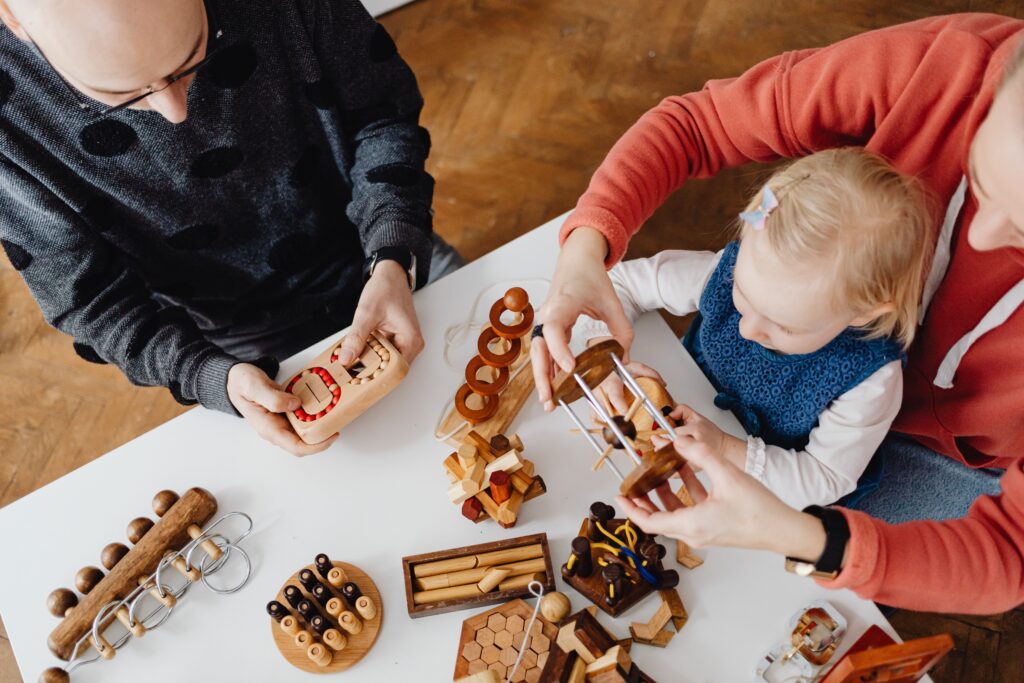
🧩 Activity 1: Puzzle Challenge Corner
🎯 Mission of the Day
Can your child complete a puzzle by thinking step-by-step?
🧺 What You’ll Need
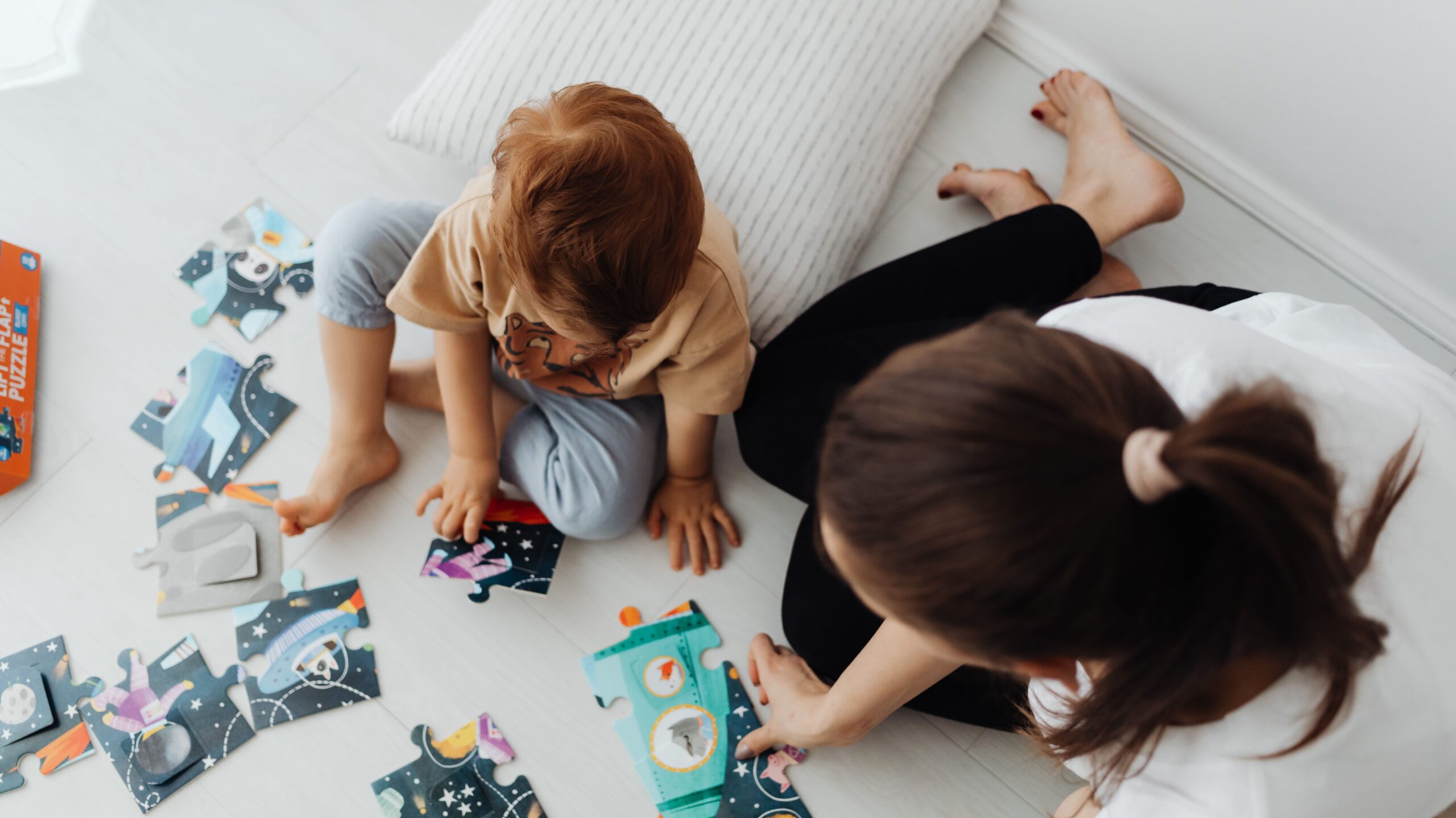
- Jigsaw puzzles (large pieces for younger kids)
- Shape puzzles or wooden boards
🧠 Let’s Play
- Mix all puzzle pieces.
- Ask your child to find corner pieces first.
- Slowly build the image together.
- Encourage trying different combinations.
No rushing—trial and error is the learning process.
🧠 What Kids Learn
- Logical thinking
- Patience
- Pattern recognition
- Focus
⭐ Easy Level
Use very simple 4–6 piece puzzles.
🚀 Next Challenge
Let your child complete a puzzle without help.
🧱 Activity 2: Building Block Balance Challenge
🎯 Mission of the Day
Can your child build something stable that doesn’t fall?
🧺 What You’ll Need
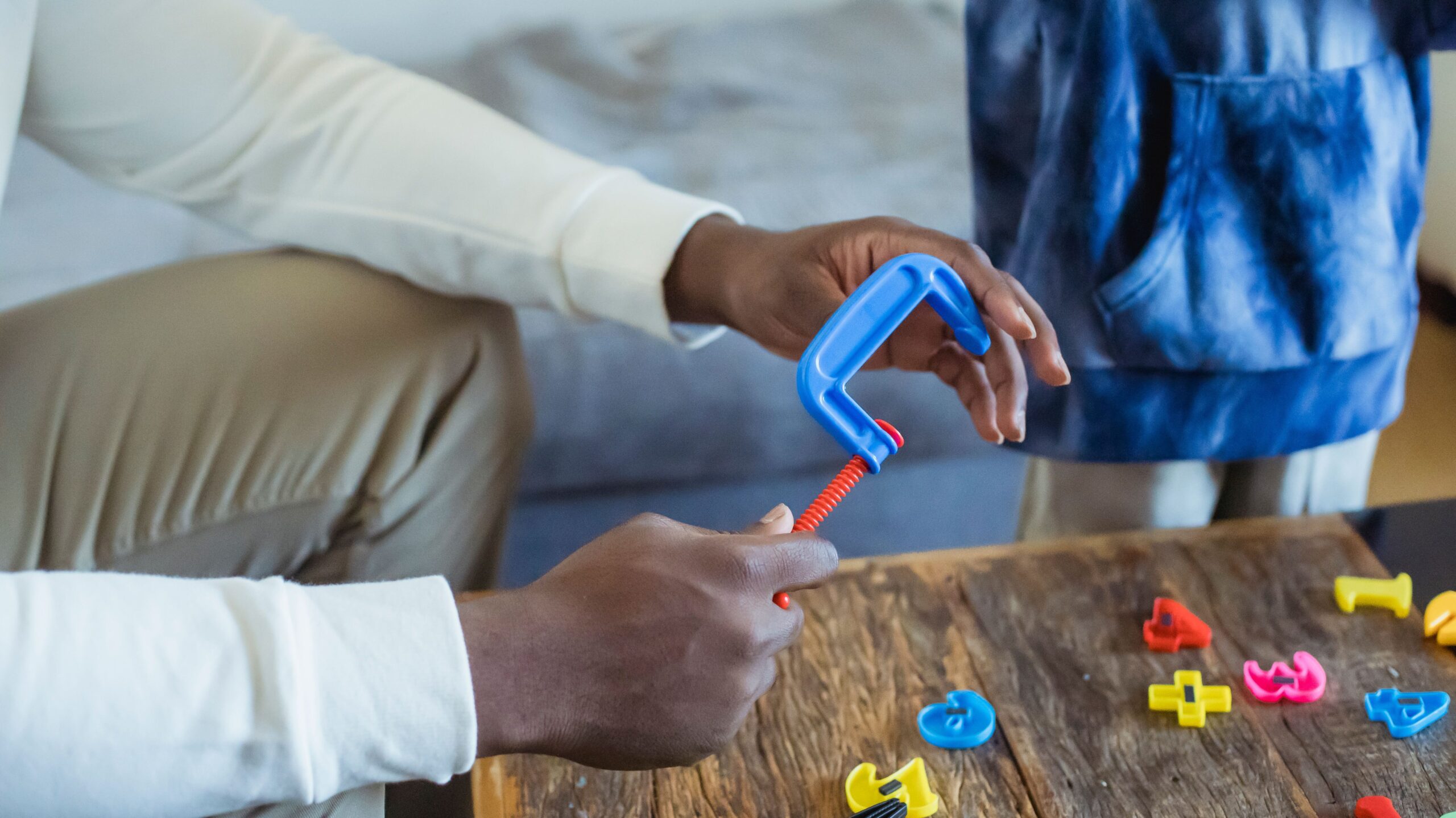
- Building blocks
- Plastic cups or cardboard boxes
🧠 Let’s Play
- Ask your child to build a tall tower.
- Watch what makes it fall.
- Try again with a wider base.
- Encourage different designs.
Let them discover stability on their own.
🧠 What Kids Learn
- Trial and error thinking
- Balance and structure
- Creativity
- Persistence
⭐ Easy Level
Build small 3–4 block towers.
🚀 Next Challenge
Build a bridge that can hold a toy.
🔍 Activity 3: Everyday Detective Hunt
🎯 Mission of the Day
Can your child solve clues to find hidden objects?
🧺 What You’ll Need
- Small toy or object
- Simple clues (spoken or drawn)
🧠 Let’s Play
- Hide an object somewhere in the house.
- Give simple clues like:
- “It is in a place where you sleep.”
- “It is near something soft.”
- Let your child search and think.
🧠 What Kids Learn
- Logical reasoning
- Attention to detail
- Decision making
- Observation skills
⭐ Easy Level
Hide object in very easy places.
🚀 Next Challenge
Let your child create clues for you.
🎴 Activity 4: Memory Match Game
🎯 Mission of the Day
Can your child remember and match pairs?
🧺 What You’ll Need
- Cards or paper pieces
- Draw simple matching pictures
🧠 Let’s Play
- Place all cards face down.
- Turn two cards at a time.
- Try to find matching pairs.
- Keep matched pairs aside.
🧠 What Kids Learn
- Memory strength
- Concentration
- Pattern recognition
- Thinking ahead
⭐ Easy Level
Use only 3–4 pairs.
🚀 Next Challenge
Increase number of cards gradually.
🧠 Activity 5: “Fix the Problem” Toy Challenge
🎯 Mission of the Day
Can your child improve or fix something that is “not working”?
🧺 What You’ll Need
- Broken toy (safe, simple)
- Blocks, tape, paper
🧠 Let’s Play
- Give a toy with a missing or “broken” part (safe one).
- Ask: “How can we fix it or make it better?”
- Let your child try different ideas.
🧠 What Kids Learn
- Creative thinking
- Solution finding
- Flexibility in ideas
- Confidence
⭐ Easy Level
Use simple toys only.
🚀 Next Challenge
Let your child redesign the toy completely.
🧠 Why Problem-Solving Play Is So Important
When children are allowed to explore and make mistakes, they develop stronger thinking skills.
They learn:
- Not giving up easily
- Trying different solutions
- Thinking before acting
- Learning from failure
Research shows that play-based problem-solving improves cognitive development, decision-making, and independence in early childhood.
🌟 Parent Reminder
If your child:
- Tries again after failing
- Talks through their thinking
- Tests different ideas
- Asks “what if?” questions
That means strong problem-solving development is happening.
🧩 Mini Skill Tracker
Celebrate small wins:
✔ Solving puzzles independently
✔ Building stable towers
✔ Following clues
✔ Matching memory cards
✔ Fixing or improving ideas
Every small step builds strong thinking skills.
❓ Frequently Asked Questions
How often should kids do problem-solving activities?
Even 10–15 minutes daily or a few times a week is enough.
What if my child gets frustrated quickly?
That is normal. Guide them gently and let them take breaks. Don’t force solutions.
Do I need educational toys?
No. Household items like blocks, paper, and cups work perfectly.
What age can start these activities?
Even toddlers can start with simple sorting, stacking, and matching games.
🌈 Final Thoughts
Problem-solving is not taught in one day.
It grows slowly through play, curiosity, and experience.
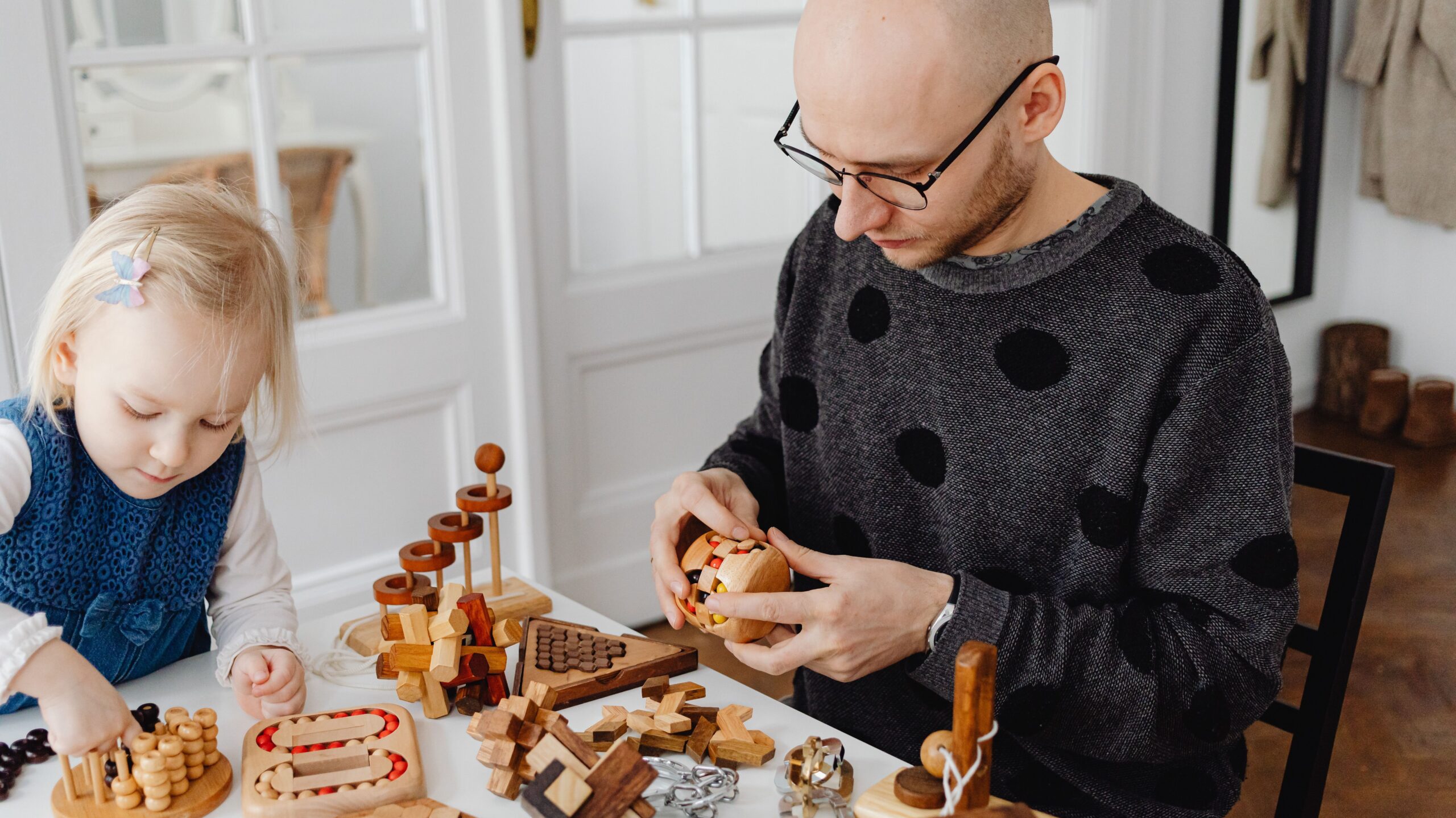
Every time a child:
- Tries again
- Thinks differently
- Tests an idea
- Solves a small challenge
They are building lifelong skills.
So let them explore, experiment, and even make mistakes.
Because every small problem they solve today becomes confidence for tomorrow.
References
- Mental Health Center Kids – Problem-Solving Activities
- KidStartupper – Creative Thinking Games
- NAEYC Early Learning Guidelines
- UNICEF Parenting – Learning Through Play
Continue Exploring on NatureNestia
- Montessori Activities for Toddlers
- Fine Motor Activities for Toddlers
- Easy Science Experiments for Kids
- Outdoor Learning Activities for Kids
- Sensory Activities for Toddlers
- Make Learning Fun for Kids

Aina Arif is a mother of two young children and the founder of NatureNestia. Based in Pakistan, she spent three years as an early childhood educator before becoming a full-time parent and writer. She writes about learning through play, managing difficult behaviour, and building strong family bonds.