By Aina Arif | Updated May 2026|
Every Plant Starts With a Tiny Question
Children are naturally curious about living things.
They often ask:
“How does a seed become a plant?”
“Why do plants need water?”
“What’s inside the soil?”
Plant learning is one of the simplest ways to introduce children to real science—without pressure, books, or complicated explanations.
It teaches them patience, responsibility, observation, and care for nature.
And the best part?
A full science lesson can begin with just a seed and a little water.
Let’s begin a hands-on journey inside your home Plant Discovery Lab.
🌿 Activity 1: Seed Sprouting in a Zip Bag
🎯 Mission of the Day
Can we watch a seed wake up and grow?
🧺 What You’ll Need
- Zip-lock bag or clear plastic bag
- Paper towel or tissue
- Bean seeds (moong or kidney beans work best)
- Water spray bottle
- Tape (optional)
🌱 Let’s Do It
- Fold a paper towel and place it inside the bag.
- Lightly spray it with water (damp, not soaked).
- Place 2–3 seeds inside the bag against the paper towel.
- Seal the bag.
- Tape it near a sunny window.
- Observe daily changes.
Within a few days, roots and shoots begin to appear clearly.
🧠 What Kids Learn
- Germination process
- Plant life cycle
- Daily observation habits
- Responsibility through care
🔍 Ask Your Little Scientist
- What changed today?
- Which part grew first?
- Why do you think roots grow downward?
⭐ Easy Level
Use only one seed and observe together daily.
🚀 Next Challenge
Place one bag in sunlight and one in shade—compare growth.
🌼 Activity 2: Mini Pot Garden (Real Soil Experiment)
🎯 Mission of the Day
Can your child grow a real plant from soil?
🧺 What You’ll Need
- Small pot, cup, or recycled container
- Soil
- Fast-growing seeds (sunflower, mustard, coriander)
- Spoon or small scoop
- Water
🌱 Let’s Do It
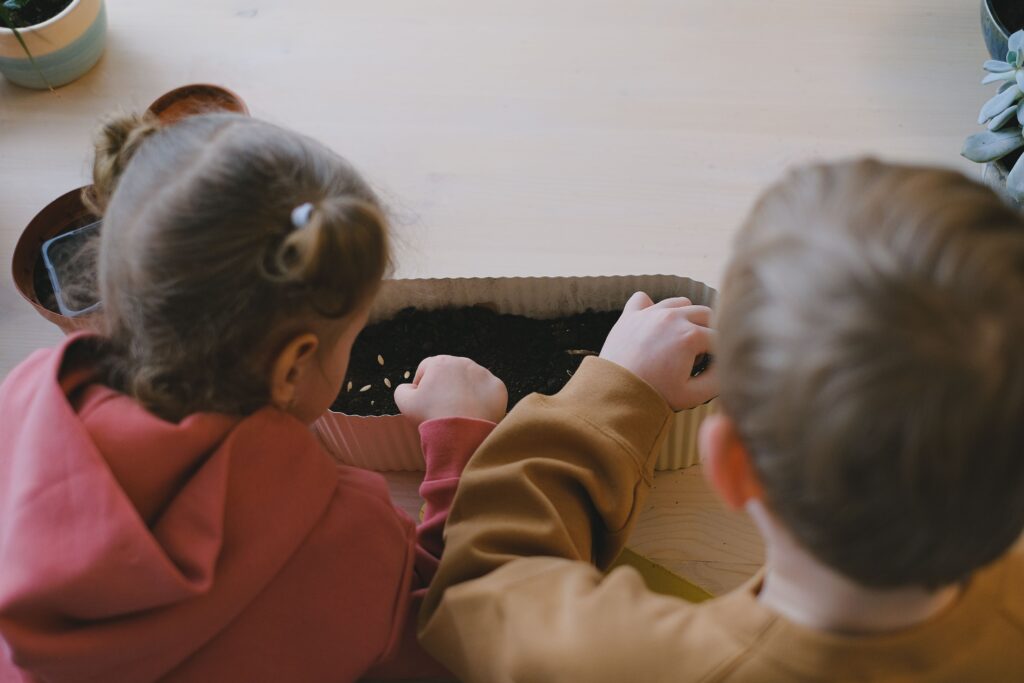
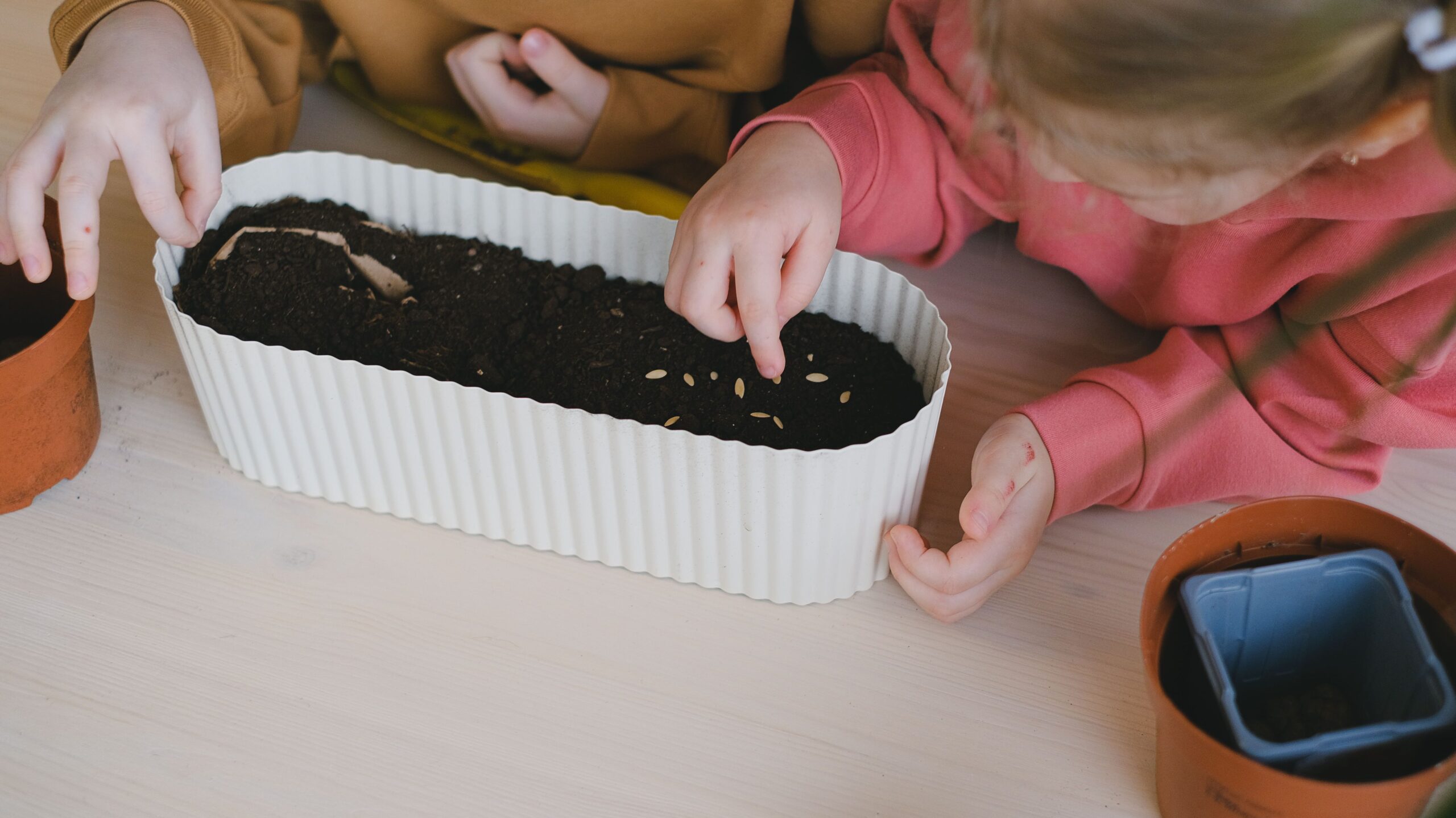
- Fill the container with soil.
- Make small holes using a finger.
- Drop 2–3 seeds inside each hole.
- Cover lightly with soil.
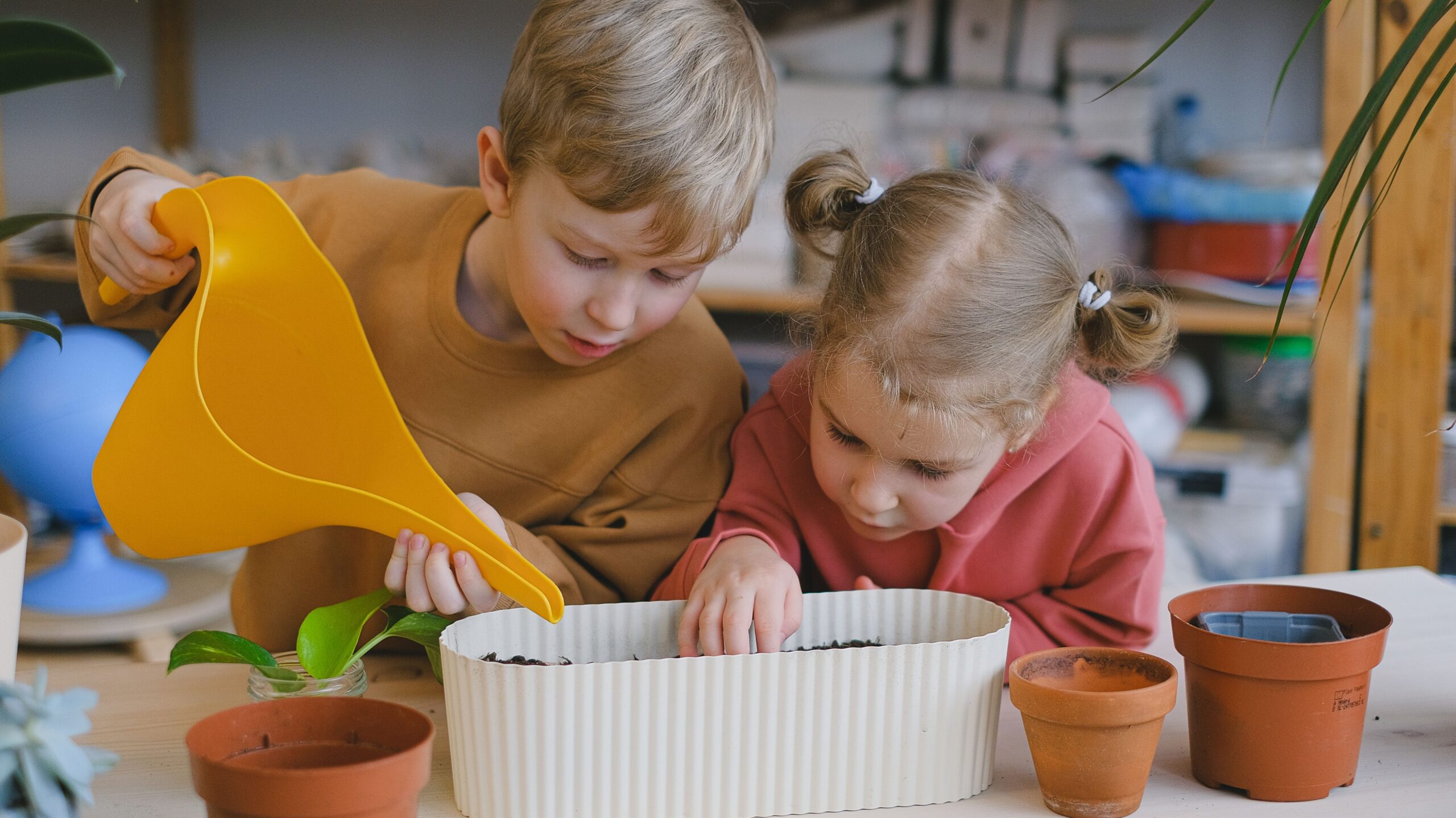
- Water gently.
- Place near sunlight.
Now the waiting game begins.
Each day brings small changes that children love to observe.
🧠 What Kids Learn
- How plants grow in soil
- Importance of sunlight and water
- Responsibility and routine
- Patience and observation
🔍 Ask Your Little Gardener
- What do you think will happen tomorrow?
- How do plants drink water?
- What helps plants stay healthy?
⭐ Easy Level
Grow only one type of seed for simple observation.
🚀 Next Challenge
Measure plant height using fingers or blocks every few days.
🌻 Activity 3: Soil Exploration & Sensory Play
🎯 Mission of the Day
Can your child understand what soil feels like?
🧺 What You’ll Need
- Soil (garden or pot soil)
- Small tray or plate
- Spoon or small cup
- Water (optional)
🌱 Let’s Do It
Let your child:
- Touch dry soil
- Break small soil lumps
- Add a little water and feel the change
- Dig and explore textures
Ask them to describe what they feel.
🧠 What Kids Learn
- Sensory development
- Earth material understanding
- Vocabulary building (soft, rough, wet, dry)
- Early science curiosity
🔍 Ask Your Little Explorer
- Is soil soft or hard?
- What happens when we add water?
- Do all soils look the same?
⭐ Easy Level
Just touch and explore dry soil.
🚀 Next Challenge
Compare garden soil vs potting soil.
🌱 Activity 4: Plant Sorting Game
🎯 Mission of the Day
Can your child recognize different types of plants?
🧺 What You’ll Need
- Pictures or real leaves
- Flowers (optional)
- Paper
- Glue or tape
🌱 Let’s Do It
Help your child sort plants into simple groups:
- Big leaves / small leaves
- Flowers / no flowers
- Green plants / colorful plants
Then stick them on paper to create a “plant chart.”
🧠 What Kids Learn
- Classification skills
- Observation ability
- Early science thinking
- Visual organization
🔍 Ask Your Little Scientist
- How are these leaves different?
- Which plant is biggest?
- Which one smells nice?
⭐ Easy Level
Sort only leaves and flowers.
🚀 Next Challenge
Let your child create their own plant categories.
🧠 Why Early Plant Learning Matters
When children interact with plants directly, they begin to understand:
- How living things grow
- Why care and patience matter
- How nature changes over time
Research shows that hands-on gardening activities improve children’s science understanding, responsibility habits, and emotional connection with nature. (kidsgardening.org)
Even simple seed experiments help build curiosity and long-term learning interest.
🌟 Parent Reminder
If your child:
- Keeps checking seeds again and again
- Forgets watering sometimes
- Digs soil repeatedly
- Asks many “why” questions
That means learning is happening.
At this stage, curiosity is more important than perfection.
Mini Growth Tracker
Celebrate small moments like:
✔ First root appears
✔ First green shoot
✔ Daily observation habit
✔ Remembering to water
✔ Excited questions about plants
These small wins build strong learning foundations.
Activity 5: Grow a Seed in a Clear Cup
🎯 Mission of the Day
Can your child see how a seed grows from the inside?
🧺 What You’ll Need
- Clear plastic cup or glass jar
- Tissue paper or cotton
- Bean or lentil seeds
- Water spray bottle
🌱 Let’s Do It
- Place tissue paper inside the cup.
- Lightly wet it with water.
- Place seeds between the cup wall and tissue (so roots are visible).
- Keep it near sunlight.
- Mist it daily.
Within a few days, roots start growing down and shoots go up.
🧠 What Kids Learn
- Direction of root growth
- Plant germination stages
- Observation skills
- Responsibility through daily care
🔍 Ask Your Little Scientist
- What changed today?
- Why do roots go down?
- What does the seed need to grow?
⭐ Easy Level
Use only one seed and observe closely.
🚀 Next Challenge
Compare two cups—one with light, one without light.
🌸 Activity 6: Leaf Stamp Art & Nature Printing
🎯 Mission of the Day
Can we turn leaves into art?
🧺 What You’ll Need
- Leaves of different shapes
- Paint (washable)
- Paper
- Brush or sponge
🌱 Let’s Do It
- Paint one side of a leaf.
- Press it gently on paper.
- Lift it to reveal the print.
- Try different leaves and colors.
Each leaf creates a unique pattern.
🧠 What Kids Learn
- Leaf shapes and patterns
- Creativity and expression
- Fine motor skills
- Nature appreciation
🔍 Ask Your Little Artist
- Which leaf made the best print?
- Do all leaves look the same?
- What shapes do you see?
⭐ Easy Level
Use only green paint and one leaf type.
🚀 Next Challenge
Create a full “leaf painting story” (tree, sun, animals).
🌾 Activity 7: Plant Life Cycle Circle
🎯 Mission of the Day
Can your child understand how a plant grows step by step?
🧺 What You’ll Need
- Paper plate or circle paper
- Crayons
- Glue
🌱 Let’s Do It
Draw or stick images of:
- Seed
- Sprout
- Small plant
- Big plant
- Flower
- New seeds
Arrange them in a circle to show the cycle.
🧠 What Kids Learn
- Life cycle of plants
- Sequencing skills
- Memory development
- Scientific thinking
🔍 Ask Your Little Learner
- What comes after a seed?
- Why do flowers turn into seeds?
- Can the cycle start again?
⭐ Easy Level
Use only 3 stages (seed → plant → flower).
🚀 Next Challenge
Let your child explain the cycle in their own words.
🌻 Activity 8: Water vs No Water Experiment
🎯 Mission of the Day
What happens when plants don’t get water?
🧺 What You’ll Need
- Two small plants or seeds
- Water
- Labels (optional)
🌱 Let’s Do It
- Water one plant regularly.
- Do not water the second plant for a few days.
- Observe differences daily.
Children quickly notice changes in color and strength.
🧠 What Kids Learn
- Importance of water
- Plant survival needs
- Observation over time
- Cause and effect thinking
🔍 Ask Your Child
- Which plant looks healthier?
- What happens when we forget water?
- Can plants live without care?
⭐ Easy Level
Observe for 2–3 days only.
🚀 Next Challenge
Add sunlight vs shade comparison.
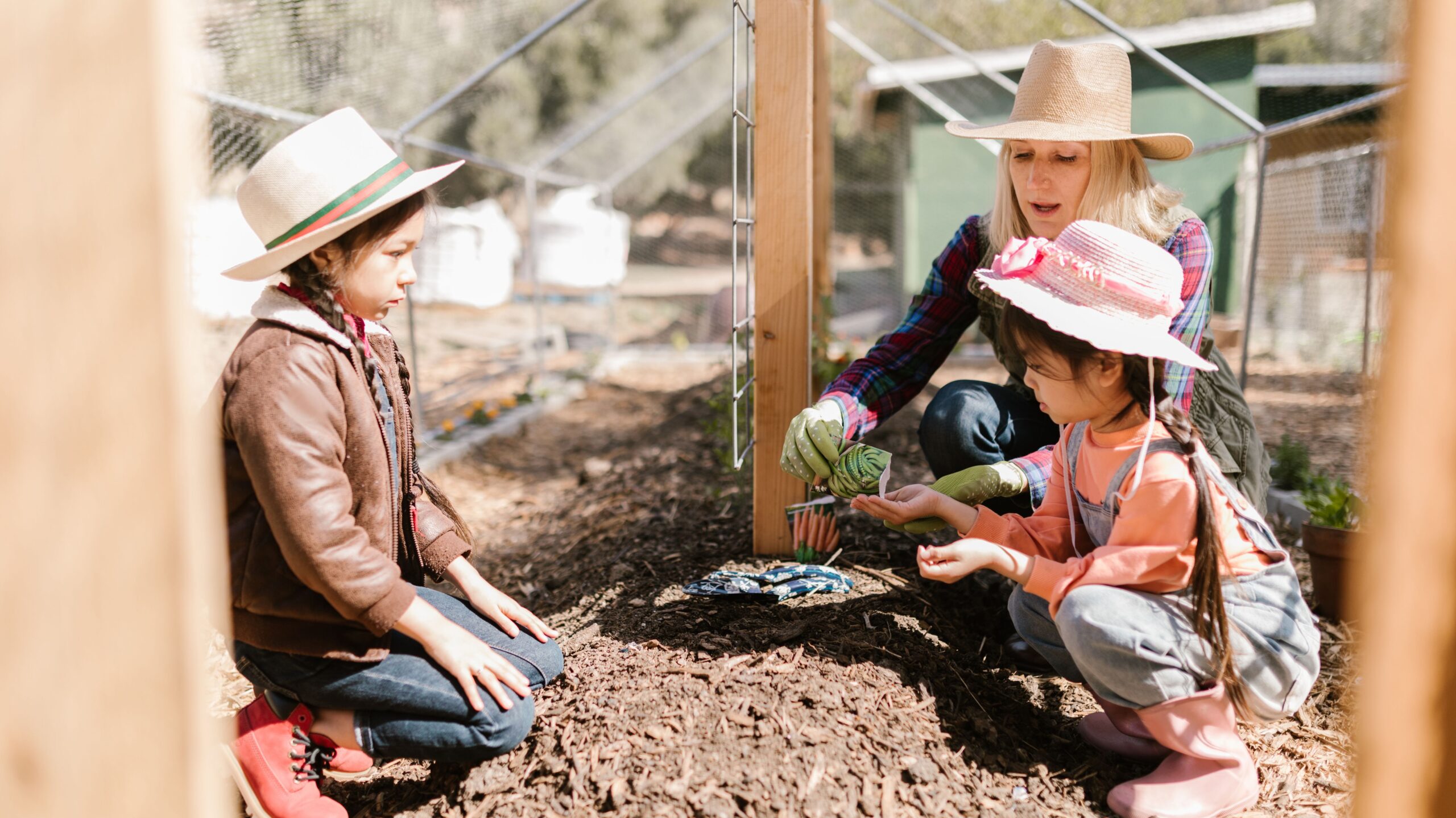
🧠 Why This Stage of Learning Is So Powerful
When children directly observe plants growing, they begin to understand real-world science without memorization.
They learn:
- Growth takes time
- Living things need care
- Small actions create big changes
- Nature follows patterns
Studies in early childhood education show that hands-on gardening improves curiosity, responsibility, and long-term scientific thinking in young children. (kidshealth.org)
🌟 Parent Observation Corner
You may notice your child:
- Checking plants daily
- Talking to their plant
- Asking repeated questions
- Feeling excited about small changes
This is strong learning engagement.
No correction is needed—just encouragement.
Plant Learning Progress Tracker
Celebrate achievements like:
✔ First sprout appears
✔ Root visible in jar
✔ Leaf growth observed
✔ Remembering watering routine
✔ Explaining plant stages
Each milestone builds confidence.
❓ Frequently Asked Questions
How long do plant experiments take?
Most simple experiments take 3–10 days to show visible changes, depending on the seed type and environment.
What if my child loses interest?
That’s normal. Keep activities short, and let them only observe instead of forcing participation daily.
Do I need a garden for these activities?
No. Most activities work perfectly in cups, jars, or small pots inside the home.
What age is best for plant learning?
Children as young as 2–3 years can start with observation, touching soil, and simple watering routines.
How do I make it more fun?
Turn it into a “plant friend” activity—give the plant a name and let your child take care of it daily.
🌈 Final Thoughts
Plants teach children something very important in the simplest way:
👉 Growth takes time
👉 Care brings results
👉 Nature responds to attention
A tiny seed becomes a strong plant only with patience and care.
When children grow plants themselves, they don’t just learn science—they learn responsibility, empathy, and respect for life.
So let them touch, water, observe, and wonder.
Because every seed they plant today grows not only into a plant—but into curiosity for life.
References
- KidsHealth – Gardening With Children
- Kidsgardening.org Educational Resources
- NAEYC Early Science Learning Guidelines
- American Academy of Pediatrics (AAP) Early Learning Resources
Continue Exploring on NatureNestia
- Sensory Activities for Toddlers
- Outdoor Learning Activities for Kids
- Easy Science Experiments for Kids
- Montessori Activities for Toddlers
- Fine Motor Activities for Toddlers
- Make Learning Fun for Kids

Aina Arif is a mother of two young children and the founder of NatureNestia. Based in Pakistan, she spent three years as an early childhood educator before becoming a full-time parent and writer. She writes about learning through play, managing difficult behaviour, and building strong family bonds.
Pingback: 15 best fine motor activities for 2 year olds at home – simple, fun and free - Nature Nestia