

By Aina Arif | Updated: June 2026 | 11 min read
You’re standing in the grocery store when your toddler suddenly throws themselves onto the floor because you said “no” to another candy bar. People begin looking in your direction. Your child is crying, screaming, and refusing to move. Meanwhile, you’re wondering whether you should comfort them, ignore the behavior, or simply leave your shopping cart behind.
If this situation sounds familiar, you’re not alone.
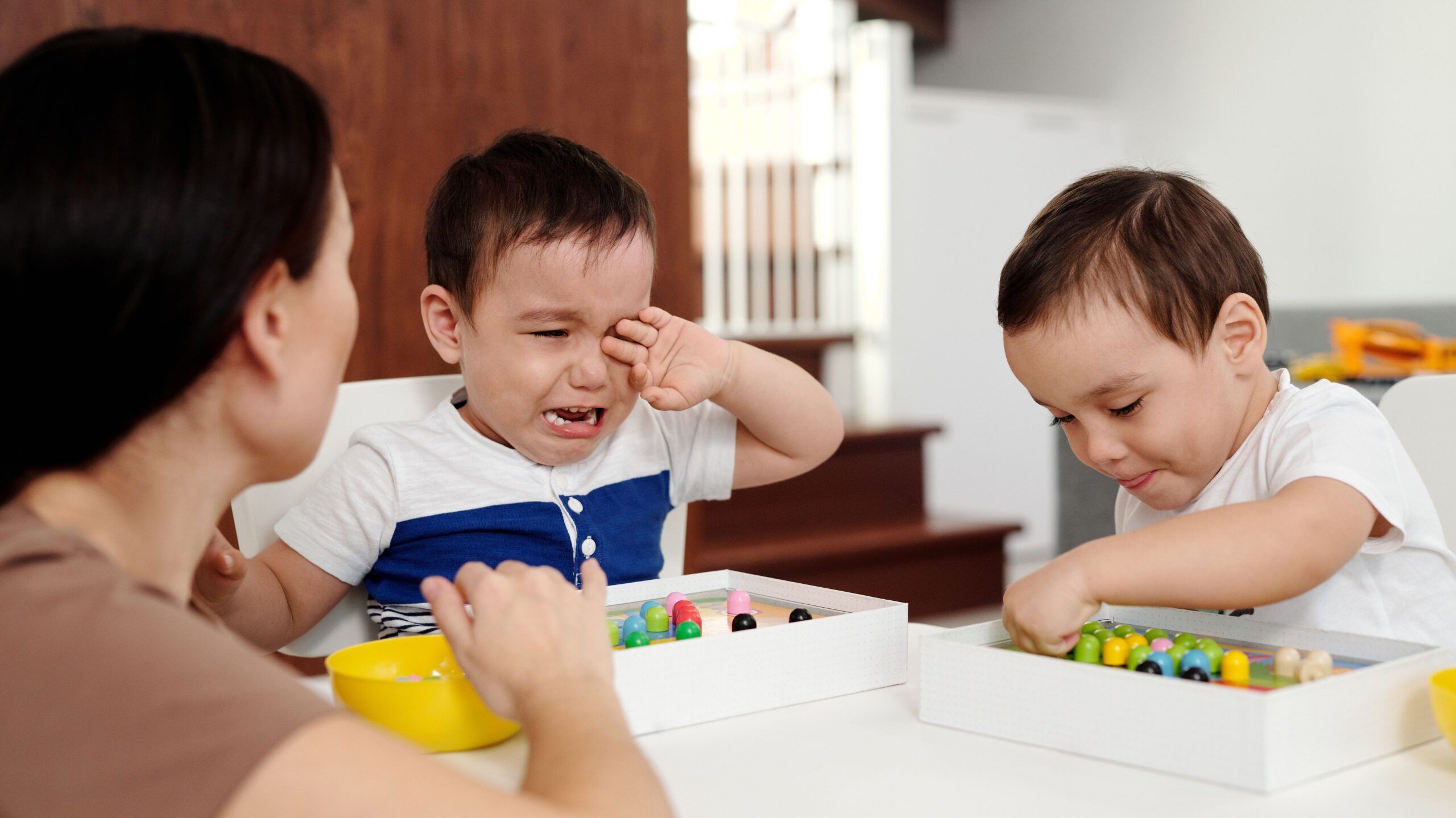
Toddler tantrums are one of the most challenging parts of early childhood. They can happen at home, in public places, during bedtime, before meals, or even over something as small as the “wrong” colored cup.
The encouraging news is that tantrums are usually a normal part of development. They don’t mean your child is spoiled, stubborn, or intentionally trying to embarrass you. Instead, they often signal that your toddler is overwhelmed by emotions they haven’t yet learned to manage.
This guide explains why tantrums happen, what parents can do before, during, and after a meltdown, and how to teach children healthier ways to express big feelings over time.
First, Let’s Understand What a Tantrum Really Is
A tantrum is an emotional outburst that happens when a young child cannot express or regulate their feelings effectively.
Unlike older children, toddlers don’t yet have the brain development needed to pause, think logically, and calmly explain what’s bothering them.
Instead, frustration may appear as:
- Crying loudly
- Screaming
- Throwing toys
- Kicking or hitting
- Refusing to cooperate
- Falling to the floor
- Running away
- Holding their breath for a few seconds
Although these behaviors can be stressful for parents, they are often signs of emotional overload rather than deliberate misbehavior.
Why Toddlers Have Tantrums
Many parents assume tantrums happen because children are “being naughty.”
In reality, several different factors may contribute to a meltdown.
| Possible Trigger | What Your Toddler May Be Experiencing |
|---|---|
| Hunger | Low energy makes emotions harder to manage. |
| Tiredness | An exhausted brain struggles with self-control. |
| Frustration | They want to do something but can’t yet. |
| Limited language | They can’t explain what they need. |
| Too many choices | Feeling overwhelmed by decisions. |
| Sudden changes | Difficulty adjusting to unexpected routines. |
| Seeking independence | Wanting to do things without help. |
| Sensory overload | Too much noise, light, or activity. |
Understanding the trigger is often more helpful than focusing only on the behavior.
What Happens Inside a Toddler’s Brain?
Imagine trying to solve a difficult problem while someone keeps talking loudly, you’re hungry, and you’re exhausted.
Even adults would struggle.
Toddlers experience something similar when strong emotions take over.
During a tantrum, the emotional part of the brain becomes much more active than the thinking part. This means your child may not be able to listen to long explanations or follow detailed instructions at that moment.
That’s why saying things like:
“Calm down.”
or
“Use your words.”
often doesn’t work during the peak of a meltdown.
Your child first needs help feeling safe before they can begin listening or learning.
Tantrums vs. Misbehavior
Not every challenging behavior is a tantrum.
Knowing the difference helps parents respond more effectively.
| Tantrum | Deliberate Misbehavior |
|---|---|
| Child is overwhelmed by emotions. | Child understands the rule but chooses to test it. |
| Often happens when tired, hungry, or frustrated. | Usually happens after clear expectations have been explained. |
| Child struggles to calm down. | Child can often stop when motivation changes. |
| Needs emotional support and guidance. | Needs consistent boundaries and appropriate consequences. |
Sometimes the two overlap, but understanding your child’s emotional state helps you choose the best response.
BEFORE THE TANTRUM
Many tantrums can be reduced before they even begin.
The goal isn’t to prevent every meltdown—because that’s impossible—but to lower the chances of emotional overload.
Learn Your Child’s Personal Triggers
Every toddler has different challenges.
Some struggle with transitions.
Others become upset when they’re hungry.
Some dislike loud environments.
Spend a few days simply observing patterns.
Ask yourself:
- Does my child melt down before lunch?
- Are mornings easier than evenings?
- Do shopping trips usually end badly?
- Does too much screen time affect behavior?
- Are they becoming overwhelmed in crowded places?
Once you identify patterns, preventing tantrums becomes much easier.
Build Predictable Daily Routines
Toddlers feel safer when they know what happens next.
A simple routine reduces uncertainty and helps children transition between activities more calmly.
For example:
Morning
Breakfast → Get dressed → Play → Snack
Afternoon
Lunch → Nap → Outdoor play → Quiet activity
Evening
Dinner → Bath → Storytime → Bed
Consistency creates security, and security often reduces frustration.
Give Warnings Before Transitions
One of the biggest tantrum triggers is suddenly stopping an enjoyable activity.
Instead of saying:
“Turn the TV off right now.”
Try preparing your toddler ahead of time.
For example:
“We’ll watch cartoons for five more minutes, then it’s time to brush your teeth.”
Follow up with another reminder after a few minutes.
These gentle warnings help children shift from one activity to another without feeling surprised.
Offer Limited Choices
Toddlers want independence.
Giving small choices allows them to feel in control while you remain in charge of the bigger decisions.
Instead of asking:
“What do you want for breakfast?”
Try:
“Would you like oatmeal or eggs?”
Instead of:
“Get dressed.”
Try:
“Would you like the blue shirt or the green one?”
Simple choices often prevent unnecessary power struggles.
Watch for Early Warning Signs
Most tantrums don’t begin suddenly.
Children usually show small signals first.
You might notice:
- Whining
- Clinginess
- Rubbing eyes
- Speaking loudly
- Throwing small objects
- Refusing simple requests
- Becoming unusually quiet
Responding early is often much easier than waiting until emotions become overwhelming.
Fill Your Child’s Emotional Cup
Toddlers need connection just as much as they need food and sleep.
Even ten minutes of uninterrupted attention each day can reduce attention-seeking behavior.
Try:
- Reading together.
- Building blocks.
- Going for a short walk.
- Singing songs.
- Pretend play.
When children feel connected, they’re often better able to handle disappointment later.
A Real-Life Example
Imagine you’re leaving the playground.
Parent A suddenly says,
“We’re leaving. Right now.”
The toddler screams, runs away, and refuses to leave.
Parent B says,
“Five more minutes, then we’ll slide one last time before going home.”
They remind the child again after a few minutes and let them choose whether to walk or hop to the car.
Both parents leave the same playground—but the experience is completely different because one child had time to prepare for the transition.
DURING THE TANTRUM
Once a tantrum has started, your main goal is not to stop the crying immediately.
Your goal is to help your child move safely through overwhelming emotions while remaining calm yourself.
Stay Calm Before Expecting Your Child To Calm Down
Children naturally look to adults for emotional cues.
If you begin shouting, arguing, or reacting angrily, the situation often becomes even more intense.
Take a slow breath.
Lower your voice.
Keep your sentences short.
Your calm behavior communicates safety, even when your child isn’t ready to respond.
Remember: Big Feelings Need a Calm Adult
Think of yourself as your toddler’s emotional anchor.
You don’t need to solve every problem immediately.
Sometimes your quiet presence is more powerful than a long explanation.
You might simply say:
“I’m here with you.”
“You’re having a really hard time.”
“We’ll talk when you’re ready.”
These simple words help children feel understood without rewarding the tantrum itself.

AFTER THE TANTRUM
The crying has stopped. Your toddler is calm again.
This is the moment when learning actually begins.
Trying to teach lessons during a tantrum rarely works because your child’s brain is focused on emotions, not reasoning. Once they’re calm, they’re much more ready to understand what happened.
Reconnect Before You Correct
Many parents immediately begin asking questions like:
“Why did you do that?”
“You embarrassed me!”
Instead, start by rebuilding the connection.
You might say:
“That was really hard for you.”
“I’m glad you’re feeling calmer now.”
“Would you like a hug?”
Not every child wants physical comfort immediately, so respect their response.
Once your toddler feels safe again, they’re more likely to listen and learn.
Talk About Feelings Using Simple Words
Toddlers are still building emotional vocabulary.
Help them connect emotions with words.
For example:
“You felt angry because playtime ended.”
“You were disappointed because we couldn’t buy the toy.”
“You felt frustrated because the blocks kept falling.”
Naming emotions helps children recognize them more easily in the future.
Teach What To Do Next Time
Instead of only saying what not to do, show your child a better option.
Practice simple alternatives such as:
- Taking deep breaths.
- Asking for help.
- Using words like “I’m upset.”
- Hugging a favorite stuffed animal.
- Counting slowly together.
- Taking a short quiet break.
Learning happens through repetition, not one conversation.
Don’t Punish Big Emotions
Feelings themselves are never “bad.”
Children need to know that it’s okay to feel angry, sad, or frustrated.
The goal is to teach appropriate ways to express those feelings.
For example:
Instead of saying:
“Stop crying right now.”
Try saying:
“It’s okay to feel angry. It’s not okay to hit.”
This separates the emotion from the behavior.
AGE-BY-AGE TANTRUM SUPPORT
Different ages bring different challenges.
Understanding what’s typical can help parents respond with realistic expectations.
Around 1 Year Old
At this age, tantrums are often linked to frustration and limited communication.
Helpful approaches include:
- Keeping routines predictable.
- Offering comfort quickly.
- Using simple words.
- Redirecting attention when appropriate.
Around 2 Years Old
Two-year-olds are discovering independence.
Common triggers include:
- Being told “no.”
- Wanting to do everything themselves.
- Difficulty waiting.
- Trouble expressing feelings.
Helpful strategies include offering limited choices and maintaining consistent routines.
Around 3 Years Old
Three-year-olds have stronger opinions and bigger emotions.
They benefit from:
- Practicing problem-solving.
- Talking about feelings after calming down.
- Consistent family expectations.
- Plenty of opportunities for independent play.
Around 4 Years Old
Many four-year-olds can begin learning simple calming strategies.
Practice together during calm moments:
- Belly breathing.
- Counting to ten.
- Asking for space.
- Using feeling words.
- Choosing a quiet activity when overwhelmed.
Remember that even older preschoolers still need adult support during difficult moments.
WHEN SHOULD PARENTS SEEK EXTRA HELP?
Most toddler tantrums are a normal part of development.
However, consider speaking with your child’s pediatrician if:
- Tantrums become extremely intense or frequent over several months.
- Your child regularly hurts themselves or others during meltdowns.
- Tantrums last much longer than expected and are difficult to recover from.
- You’re concerned about your child’s language, development, or behavior.
- Tantrums interfere with daily family life or preschool.
Seeking professional advice isn’t a sign of failure. It simply helps rule out any underlying concerns and provides additional guidance.

Parenting Habits That Often Make Tantrums Worse
Even loving parents sometimes respond in ways that accidentally increase future meltdowns.
| Instead of… | Try… |
|---|---|
| Shouting louder | Lower your voice and speak calmly. |
| Giving in after screaming starts | Stay consistent with reasonable boundaries. |
| Long lectures | Use short, simple sentences. |
| Threatening punishment | Focus on guidance and teaching. |
| Comparing your child to others | Respond to your child’s individual needs. |
Consistency is far more effective than perfection.
Frequently Asked Questions
Are tantrums a sign of bad parenting?
No. Tantrums are a common part of toddler development because young children are still learning how to manage strong emotions. Even children raised in calm, loving homes experience meltdowns.
Should I ignore every tantrum?
Not always.
If your child is overwhelmed, they need your calm presence and support.
However, avoid giving extra attention to behaviors that are clearly being used to negotiate rules, such as buying a toy after repeated screaming.
Is it okay to hug my toddler during a tantrum?
Some children find hugs comforting, while others need a little personal space first.
Watch your child’s cues.
If they push you away, stay nearby and let them know you’re available when they’re ready.
Why do tantrums happen more at home?
Children often feel safest expressing big emotions with the people they trust most.
Many toddlers hold themselves together in daycare or preschool and release those emotions once they return home.
Will my child eventually outgrow tantrums?
For most children, yes.
As language, emotional regulation, and problem-solving skills improve, tantrums usually become less frequent and less intense.
Parents play an important role by responding with patience, consistency, and guidance.
Final Thoughts
Toddler tantrums can leave parents feeling exhausted, frustrated, and unsure of what to do next. But it’s important to remember that every meltdown is also an opportunity to teach emotional regulation.
Your child doesn’t need a perfect parent—they need a calm, predictable adult who can guide them through overwhelming emotions.
Some days will be harder than others, and that’s completely normal.
Focus on progress instead of perfection.
Each time you stay calm, prepare your child for transitions, name their emotions, and model healthy coping skills, you’re helping build emotional resilience that will benefit them far beyond the toddler years.
One day, today’s tantrums will become tomorrow’s self-control.
References
This article is based on guidance from trusted child development and parenting organizations, including:
- American Academy of Pediatrics (AAP)
- HealthyChildren.org
- Centers for Disease Control and Prevention (CDC)
- Zero to Three
- Harvard Center on the Developing Child
Explore More Parenting Guides on NatureNestia
You may also enjoy:
- Positive Parenting Tips Every Family Can Use
- Screen Time for Kids: Healthy Limits and Practical Advice
- Montessori Activities for Toddlers
- Social Skills Activities for Kids
- Potty Training Tips for Toddlers
- Picky Eater Solutions
- Sibling Rivalry Solutions

Aina Arif is a mother of two young children and the founder of NatureNestia. Based in Pakistan, she spent three years as an early childhood educator before becoming a full-time parent and writer. She writes about learning through play, managing difficult behaviour, and building strong family bonds.