
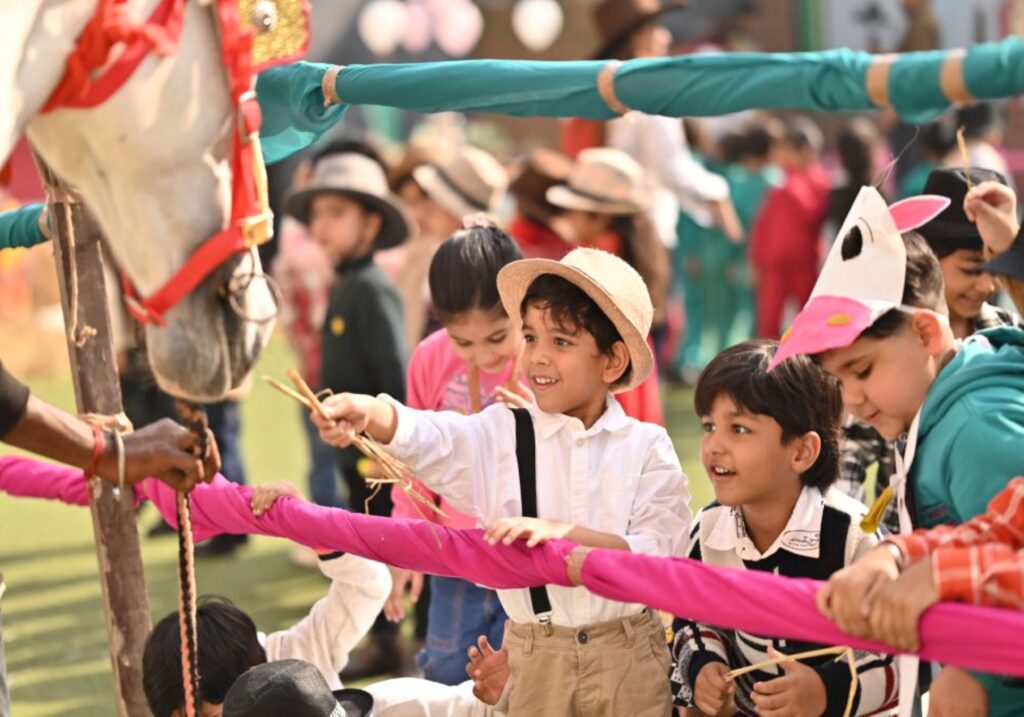
Summer break gives children time to explore interests that school schedules often leave behind. With the right summer fun for kids, an ordinary day can become an adventure, a science lab, an art studio, or a family challenge. From outdoor play and water games to crafts and reading, there are countless ways to keep children happy and engaged.
This guide shares practical summer activities for kids of different ages and interests. You’ll find screen-free activities, educational projects, creative ideas, outdoor adventures, family games, and affordable activities using everyday materials. Whether you’re planning a summer bucket list or searching for something to do this afternoon, these ideas can help turn boredom into curiosity.
Why Summer Activities Are Important for Kids
Summer activities give children valuable space to learn through real experiences. Creative activities, outdoor exploration, games, and hands-on projects support creativity, imagination, confidence, and independence. A child who builds a cardboard fort practices planning. A child who grows tomatoes learns patience. A child who organizes a backyard game develops communication skills and leadership skills.
A balanced summer also supports healthy childhood. Children need movement, rest, social connection, and opportunities to think independently. Regular physical activity for kids can support strength, balance, coordination, and an active lifestyle. Meanwhile, reading, puzzles, cooking, and educational activities for kids can help maintain academic skills during the school break.
| Summer Activity | Skills Children Practice |
|---|---|
| Nature walks | Observation and curiosity |
| Arts and crafts | Creativity and fine motor control |
| Outdoor games | Balance and coordination |
| Cooking | Math and life skills |
| Reading | Vocabulary and concentration |
| Family games | Cooperation and communication |
The best approach doesn’t turn summer into another classroom. Instead, parents can blend summer learning with play. This helps children enjoy hands-on learning, experiential learning, and play-based learning without feeling pressured. Small daily experiences can also support summer learning loss prevention while keeping the season relaxed.
Rainy Day Summer Activities
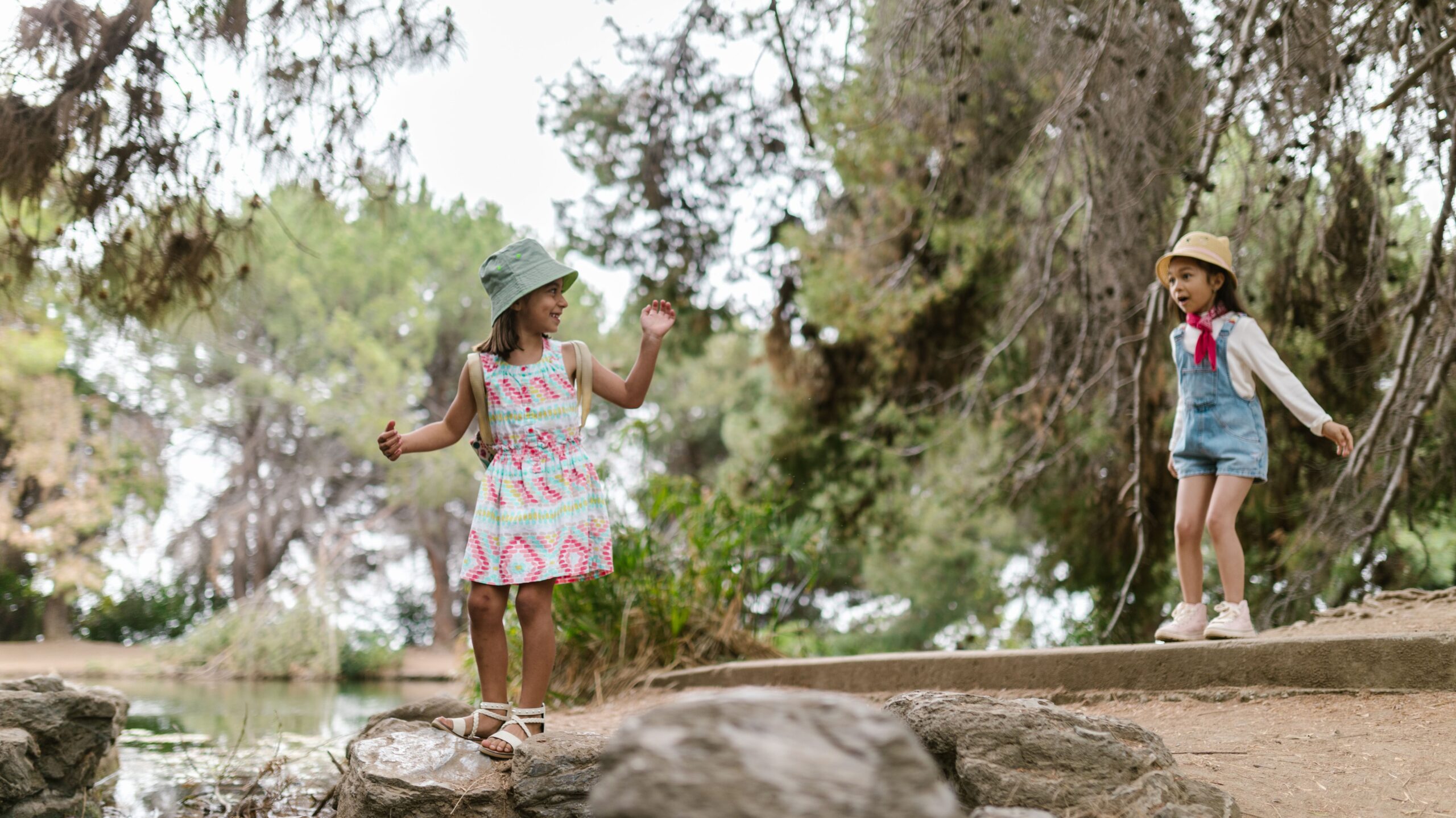
Rain can quickly change outdoor plans. However, rainy day activities during summer can still bring plenty of excitement. Turn the living room into a campsite. Create a treasure hunt through the house. Set up an art table. With a little imagination, ordinary rooms can become exciting spaces for summer entertainment for children.
Indoor days also offer a chance to try activities that need more concentration. Children can read, build, cook, paint, or play games. These fun things to do with kids during summer break can become excellent boredom busters for kids when outdoor plans disappear.
Indoor Summer Activities for Rainy Days
Create a simple indoor adventure by hiding clues around the house. Children can solve each clue before finding the next one. Younger children might search for objects by color or shape. Older children can solve riddles or complete small challenges.
You can also plan activities for kids at home around their interests. A child who loves animals might create a wildlife museum. A young artist might design a gallery. A curious child might build a homemade weather station. These activities turn a rainy afternoon into meaningful summer play ideas.
Rainy-Day Learning and Creative Play
Rainy weather is ideal for arts and crafts, reading, puzzles, and science. Children can make paper boats and test them in a basin. They can build a bridge from cardboard. They can create a family quiz or write a short mystery story.
These screen-free summer activities for kids support curiosity without requiring expensive supplies. Even simple materials can create educational enrichment when children have time to explore questions and test ideas.
Creative Arts, Crafts & DIY Summer Projects
Creative work gives children a chance to express ideas in their own way. Summer crafts for kids can involve painting, drawing, folding, building, or recycling. The final result doesn’t need to look perfect. The real value comes from planning, experimenting, and making personal choices.
Keep a small collection of paper, crayons, washable paint, glue, cardboard, and recycled materials nearby. These supplies can support many creative art projects throughout the summer. When children can access materials easily, they may begin creating without waiting for an adult to organize every activity.
Easy Summer Arts and Crafts for Kids
Children can try painting activities, drawing activities, and paper crafts based on summer themes. They might create a beach scene, design a dream playground, or draw an imaginary animal. Younger children may enjoy potato stamping while older kids experiment with origami.
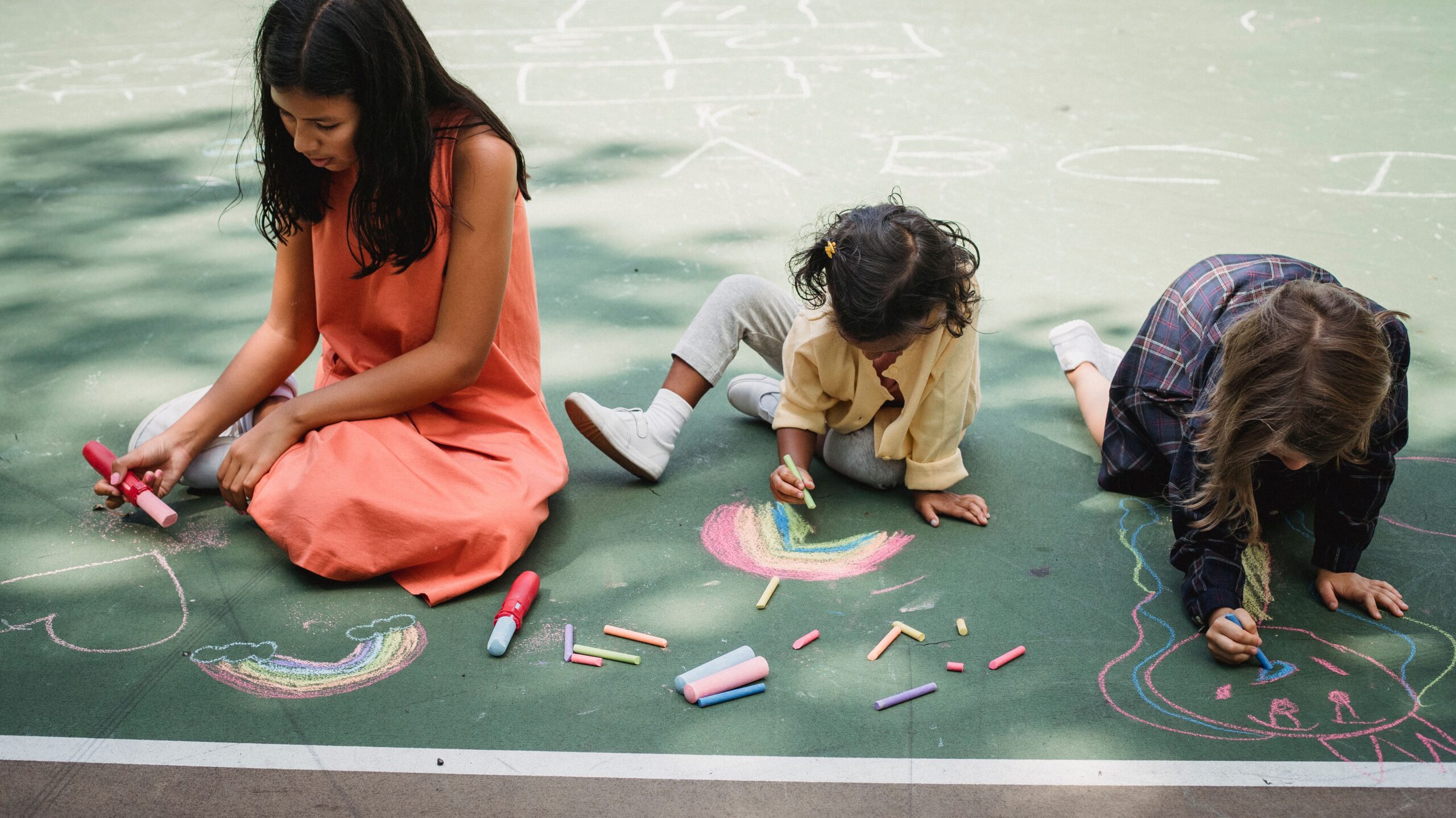
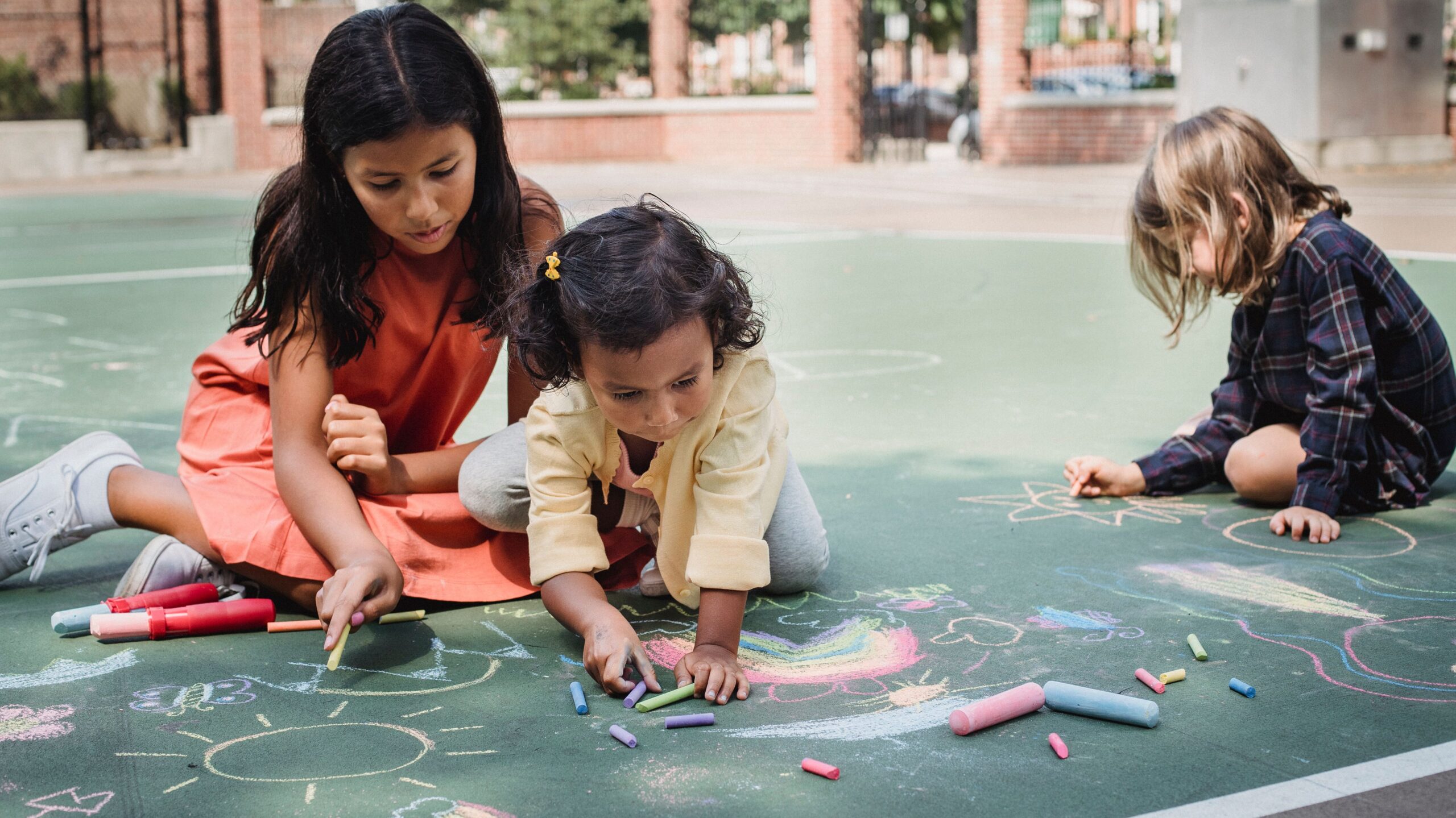
For outdoor creativity, try chalk art, sidewalk chalk activities, or nature crafts. Children can collect leaves for collages or paint smooth rocks. These projects encourage observation while supporting fine motor skills and self-expression.
DIY Crafts Using Recycled Materials
Recycling can become the beginning of a fantastic project. A large box can become a house, spaceship, store, or theater. Paper tubes can become binoculars. Small boxes can become buildings for a miniature town.
These cardboard box activities encourage children to solve problems with limited materials. They also make excellent DIY summer projects for families searching for inexpensive entertainment. A child may start with a box and end with an entire imaginary world.
Creative Summer Projects for Older Children
Older children often enjoy projects that take several days. They might create a handmade magazine, design a board game, make a stop-motion movie, or complete tie-dye projects. Tweens may also enjoy building models or designing a personal summer journal.
These creative activities for tweens support planning and decision-making. They also provide a sense of accomplishment. When a child finishes a project they designed themselves, that achievement can strengthen confidence.
Educational Summer Activities That Make Learning Fun
Summer learning doesn’t need worksheets every day. Children can practice important skills through cooking, games, reading, building, and exploration. A recipe teaches measurement. A map introduces geography. A garden creates opportunities to study plants and weather.
This type of learning through play makes education feel useful. Children often remember information better when they connect it to a real experience. That’s why hands-on learning can be so powerful during summer.
Summer Reading Activities That Keep Kids Curious
A summer reading challenge can encourage children to explore different genres. Instead of focusing only on the number of books, let children choose personal goals. One child might read about space. Another might explore mysteries or animals.
Try reading outdoors during a family picnic. Create a character drawing after finishing a book. Write a different ending to a story. These summer reading activities support reading skills, vocabulary development, and concentration.
Math Activities That Don’t Feel Like Homework
Math appears naturally in daily summer life. Children can measure ingredients while cooking. They can calculate points during games. They can compare prices during a pretend store activity.
Older children can plan a pretend vacation budget. They can calculate travel distances or create a simple spending plan. These math games connect school skills with real-life decisions.
Hands-On Science and STEM Activities
Children are natural investigators. Simple science experiments can explore water, air, plants, motion, sound, and light. A paper airplane challenge can become an engineering project. A garden can become a living science lesson.
Try asking children to predict what will happen before testing an idea. Then compare the prediction with the result. This simple process develops critical thinking, curiosity, and problem-solving activities.
Nature, Geography, and Social Studies Activities
A walk around the neighborhood can become a geography lesson. Children can draw maps, identify landmarks, or compare different types of homes. A visit to a local historical site can introduce social studies activities in a memorable way.
Families can also explore nature science by observing insects, plants, clouds, and birds. These experiences make learning more personal. They also support curiosity and careful observation.
How to Make Summer Learning Feel Natural
The easiest way to encourage learning is to follow a child’s interests. If your child loves cooking, explore recipes. If they enjoy animals, research habitats. If they like building, try simple STEM projects for kids.
Short activities often work better than long lessons. A few minutes of meaningful exploration can be more valuable than an hour of forced work. This approach supports learning engagement and keeps summer enjoyable.
Active Summer Games That Keep Kids Moving
Children need regular movement during summer. Active play can improve balance, coordination, strength, and endurance. It also gives children a healthy way to release energy.
You don’t need expensive equipment. A ball, chalk, a timer, or a few household objects can create exciting games. The best outdoor summer activities for families are often simple enough to begin within minutes.
Outdoor Games for the Backyard or Park
Backyards and parks offer space for outdoor games for kids. Try tag, relay races, obstacle courses, or a nature scavenger hunt. Children can also create their own rules for a new game.
A family can organize backyard Olympics with jumping, throwing, balancing, and running challenges. These backyard Olympics encourage movement while creating friendly competition.
Water Games for Hot Summer Days
Hot days are perfect for water play. Children can enjoy water games, sprinkler activities, sponge races, and water balloon games. A simple bucket can become part of a relay challenge.
Older children may enjoy a DIY slip and slide with proper adult supervision and a safe surface. Younger children can enjoy water sensory play with cups and containers. Always supervise children closely around water.
Fitness and Movement Activities
Fitness doesn’t have to feel like a workout. Try kids yoga, dance activities, animal walks, or family stretching. Children can also create their own movement challenges.
A daily walk, bike ride, or active game can help develop healthy summer habits. These activities support gross motor skills, flexibility, strength, and physical fitness.
Summer Activities by Age Group
Children enjoy activities that match their abilities and interests. A toddler may enjoy pouring water between cups. A preschooler may prefer pretend play. An older child may want a complex project with a clear goal.
Age-based planning makes activities safer and more enjoyable. However, children of different ages can still play together. Older children can help younger siblings while practicing patience and cooperation.
Summer Activities for Toddlers
Summer activities for toddlers should be simple, sensory, and supervised. Water play, safe containers, large building blocks, music, and outdoor exploration can keep young children interested.
Families looking for summer activities for toddlers at home can create simple sorting games or sensory activities. A nature walk can also introduce leaves, textures, sounds, and colors.
Summer Activities for Preschoolers
Summer activities for preschoolers can include painting, pretend shops, simple science, music, and outdoor games. Preschoolers often enjoy activities that allow them to make choices.
Simple summer crafts for preschoolers can support early writing movements and creativity. Nature activities for preschoolers can also build observation skills.
Summer Activities for Elementary Students
Children in elementary school often enjoy challenges. Try reading challenges, science projects, math games, crafts, and outdoor exploration.
Summer activities for elementary students can also include STEM projects for kids. Building, testing, measuring, and improving a design can make learning exciting.
Summer Activities for Older Kids
Older children often want greater independence. They may enjoy cooking, photography, creative writing, coding, model building, or strategy games.
These summer activities for older kids can become meaningful summer projects for tweens. Give children a goal while allowing them to decide how to complete it.
Summer Activities for Teens
Summer activities for teens should offer choice and purpose. Teens may enjoy creative summer projects, filmmaking, cooking, fitness, volunteering, photography, or learning a new skill.
Productive summer activities for teenagers can also include volunteer activities for teens. These experiences build responsibility, communication, and life skills. Summer learning for teenagers can feel more meaningful when it connects with future goals.
Family Summer Activities Everyone Will Love
Family time doesn’t require an expensive vacation. A shared meal, walk, game, or project can create strong memories. The best family fun often happens during ordinary moments.
Try planning a weekly family activity. One week might include a family picnic. Another might include family game night. You could also plan a movie night, local adventure, or cooking project.
Family Adventures Close to Home
Explore a local park. Visit a library. Attend community events. Take a short hike. Try geocaching for families. These small adventures can make familiar places feel new.
Families can also plan day trips with kids to nearby museums, farms, nature centers, or historic sites. These outings combine entertainment with discovery.
Family Game and Movie Nights
A family game night can include board games, card games, guessing games, or cooperative challenges. Choose games that match the ages and interests of the players.
A family movie night can become more special with a theme. Families might prepare snacks, create tickets, or decorate the room. These small details add excitement.
Cooking and Baking Projects
Cooking with kids teaches practical skills. Children can measure ingredients, read instructions, and help plan meals. Baking with kids also introduces science and math in a natural way.
Younger children can wash produce or mix ingredients. Older children can follow recipes more independently. These activities support communication and cooperation.
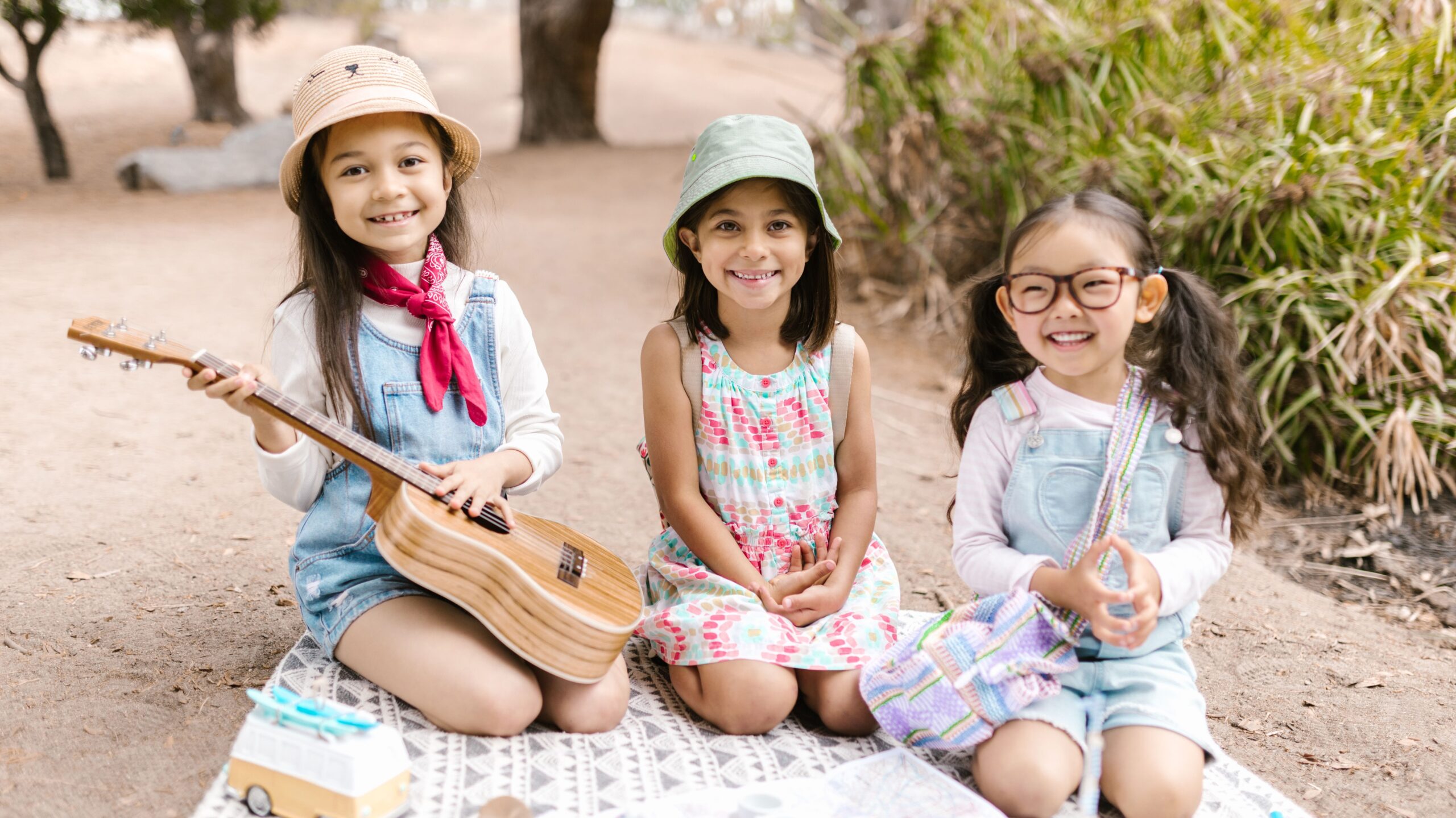
Backyard Camping and Evening Fun
Backyard camping can create a memorable summer adventure. Children can set up a tent, tell stories, play games, and observe the evening sky.
If the weather changes, move the adventure indoors. Sleeping bags, flashlights, and storytelling can transform a bedroom or living room into an exciting campsite.
Summer Activities for Kids and Their Friends
Children often enjoy activities more when friends join them. Plan scavenger hunts, relay races, craft sessions, or backyard games.
These activities for kids and friends help develop friendship, communication, cooperation, and social interaction. Children learn how to share ideas, follow rules, and solve disagreements.
Budget-Friendly Summer Activities That Cost Almost Nothing
Summer fun doesn’t need a large budget. Many free summer activities use parks, libraries, nature, or household materials. Children can create wonderful memories without expensive equipment.
A budget-friendly approach can also encourage creativity. When children have fewer ready-made toys, they may invent new ways to use ordinary objects. That is where many wonderful low-cost activities for kids begin.
Free Summer Activities in Your Community
Libraries often offer free library activities, reading programs, and family events. Parks provide space for outdoor play. Community centers may offer seasonal programs.
Families should also look for free community events such as concerts, festivals, story hours, and outdoor activities. These can provide affordable entertainment for the whole family.
Nearly Free Backyard Activities
A backyard can become a playground with very little preparation. Try a scavenger hunt, a chalk challenge, or a homemade obstacle course.
Families can also create DIY backyard games using cardboard, plastic cups, balls, or recycled materials. These activities provide no-cost summer fun.
Low-Cost Activities Using Household Items
Household materials can create many exciting activities. Cardboard can become a fort. Paper can become a game board. Empty containers can support sorting or building.
These activities using household items are practical for families on a budget. Recycled material crafts also teach children to look at everyday objects differently.
How to Create a Summer Activity Box
A summer activity box can contain paper, crayons, markers, glue, child-safe scissors, craft materials, and small building supplies. Keep some items available for spontaneous projects.
You can also add cards with simple activity ideas. When boredom appears, children can choose an idea from the box. This makes planning easier and encourages independence.
Frequently Asked Questions About Summer Activities for Kids
What are the best summer activities for kids?
The best summer activities for kids combine enjoyment with movement, creativity, learning, or connection. Outdoor games, crafts, reading, cooking, science projects, and family activities can all create a rewarding summer.
What are fun summer activities for kids at home?
Some of the best fun summer activities for kids at home include crafts, baking, science experiments, board games, reading challenges, pretend play, and homemade obstacle courses.
What are free summer activities for kids?
The best free summer activities for kids include nature walks, library visits, park games, scavenger hunts, homemade crafts, outdoor exploration, and community events.
How can I prevent boredom during summer break?
Create a simple collection of summer activities for kids that prevent boredom. Keep craft supplies ready. Plan outdoor time. Add reading and family games. Children also need unstructured time to invent their own play.
What are the best summer activities for kids on a budget?
Summer activities for kids on a budget can include cardboard box projects, nature walks, backyard games, recycled crafts, library programs, homemade science experiments, and family picnics.
How can I reduce screen time during summer?
Offer appealing alternatives before removing screens. Try screen-free summer activities for kids such as crafts, outdoor games, cooking, reading, puzzles, and creative projects.
What are good summer learning activities that don’t feel like school?
Cooking, gardening, reading challenges, nature exploration, science experiments, building projects, and math games can become summer learning activities that don’t feel like school.
What are the best outdoor summer activities for families?
The best outdoor summer activities for families include hiking, biking, picnics, nature walks, scavenger hunts, gardening, camping, water play, and backyard games.
Final Thoughts
Summer offers children something precious: time to explore. The right summer activity ideas can turn an ordinary afternoon into a creative project, outdoor adventure, learning experience, or family memory.
You don’t need a packed schedule. Mix outdoor play with quiet time. Add creative projects, educational activities, movement, and family connection. Whether you choose summer activities for toddlers, projects for older children, or activities for teens, the goal remains the same: create a summer filled with curiosity, connection, and joyful discovery.
Sometimes the best adventure starts with a cardboard box, a little imagination, and a child asking, “What should we do today?”

Aina Arif is a mother of two young children and the founder of NatureNestia. Based in Pakistan, she spent three years as an early childhood educator before becoming a full-time parent and writer. She writes about learning through play, managing difficult behaviour, and building strong family bonds.