
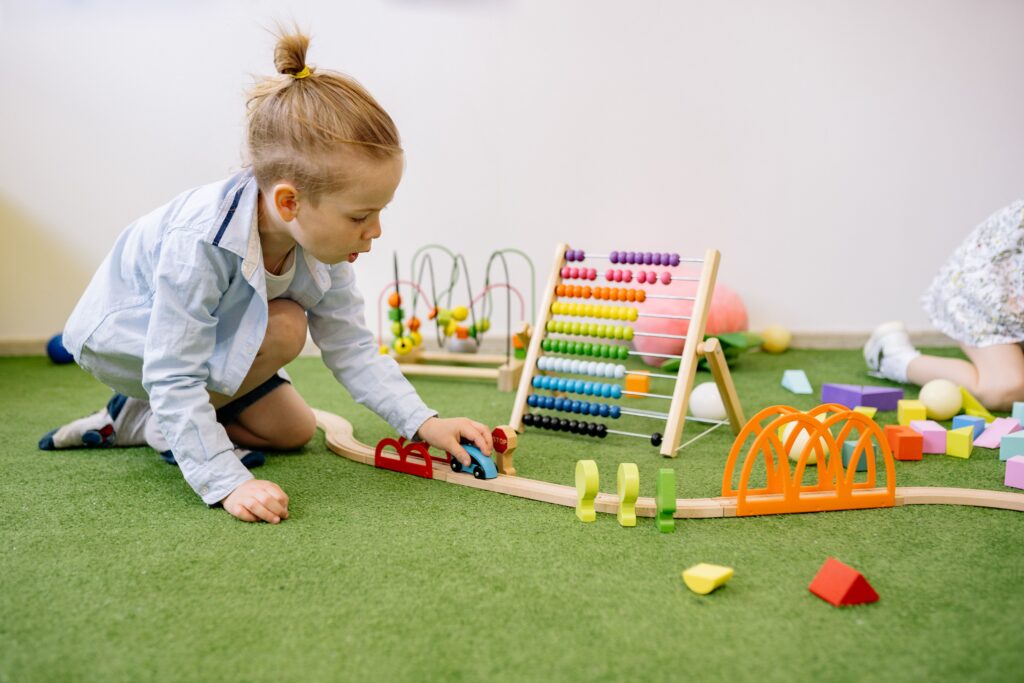
Choosing the best educational toys for kids can transform everyday play into a powerful learning experience. The right toys do more than entertain; they encourage curiosity, creativity, and important skills that support a child’s growth. From building sets to science kits, these learning toys help children explore ideas, solve challenges, and develop confidence through hands-on activities.
Quality STEM educational toys introduce concepts like problem-solving, logic, and experimentation while keeping learning exciting. Whether you are searching for toddlers, preschoolers, or older children, the best choices combine fun with meaningful development. These educational toys for kids create opportunities for discovery, imagination, and lifelong learning.
Understanding the Difference Between Educational Toys and STEM Toys
Learning and STEM Toys combine entertainment with meaningful skill development. Unlike ordinary toys that provide short-term amusement, these Educational STEM toys encourage children to investigate, build, explore, and experiment. Many experts in Educational psychology explain that children remember concepts more effectively when they actively participate instead of simply watching or listening. This approach supports Hands-on learning, strengthens Cognitive development, and inspires curiosity that lasts well beyond childhood.
Many parents assume every educational toy belongs to STEM. However, there is an important distinction. Traditional Kids learning toys often teach letters, numbers, or vocabulary, while STEM toys for kids focus on applying knowledge through challenges involving Science, Technology, Engineering, and Mathematics. These activities encourage Logical thinking, Computational thinking, and Problem solving, allowing children to discover solutions independently instead of memorizing answers.
Why STEM Learning Starts Through Play
Play acts as a child’s first classroom. During Creative play, children naturally test ideas, make predictions, and learn from mistakes. This process supports Inquiry-based learning because every block tower, marble run, or coding challenge becomes a small experiment. Rather than fearing failure, children learn that every mistake offers another opportunity to improve.
Simple activities often teach surprisingly advanced concepts. A child arranging Magnetic tiles learns balance and structure. Another child building with Building blocks develops patience and Spatial awareness. These experiences nurture Executive function, improve Memory development, and prepare children for future academic success without creating unnecessary pressure.
Core STEM Skills Children Develop While Playing
Every quality STEM activity develops multiple skills simultaneously. Children strengthen Decision-making skills while selecting materials for a project. They improve Pattern recognition by solving puzzles. They build Communication skills while explaining their ideas to parents, siblings, or classmates. These abilities remain valuable throughout school and adulthood.
The strongest Open-ended toys never limit imagination. Instead, they allow children to invent countless solutions using the same materials. This flexible style of Project-based learning supports Independent learning, boosts Confidence building, encourages Innovation, and creates meaningful experiences that continue challenging children as their abilities grow.
Benefits of Learning and STEM Toys for Child Development
The greatest advantage of Learning and STEM Toys extends far beyond academic achievement. High-quality Smart learning toys encourage children to think carefully before acting, explore different strategies, and remain patient when solving difficult problems. Research in Child development consistently shows that children who participate in meaningful Hands-on learning activities often demonstrate stronger attention spans, greater resilience, and improved learning confidence throughout their school years.
Unlike passive entertainment, Interactive learning toys encourage children to participate actively in every challenge. Building a robot, designing a bridge, or completing a science experiment requires observation, planning, testing, and adjustment. These repeated experiences strengthen Executive functioning, improve Fine motor development, encourage Logical reasoning, and support healthy Social development through teamwork and shared discovery.
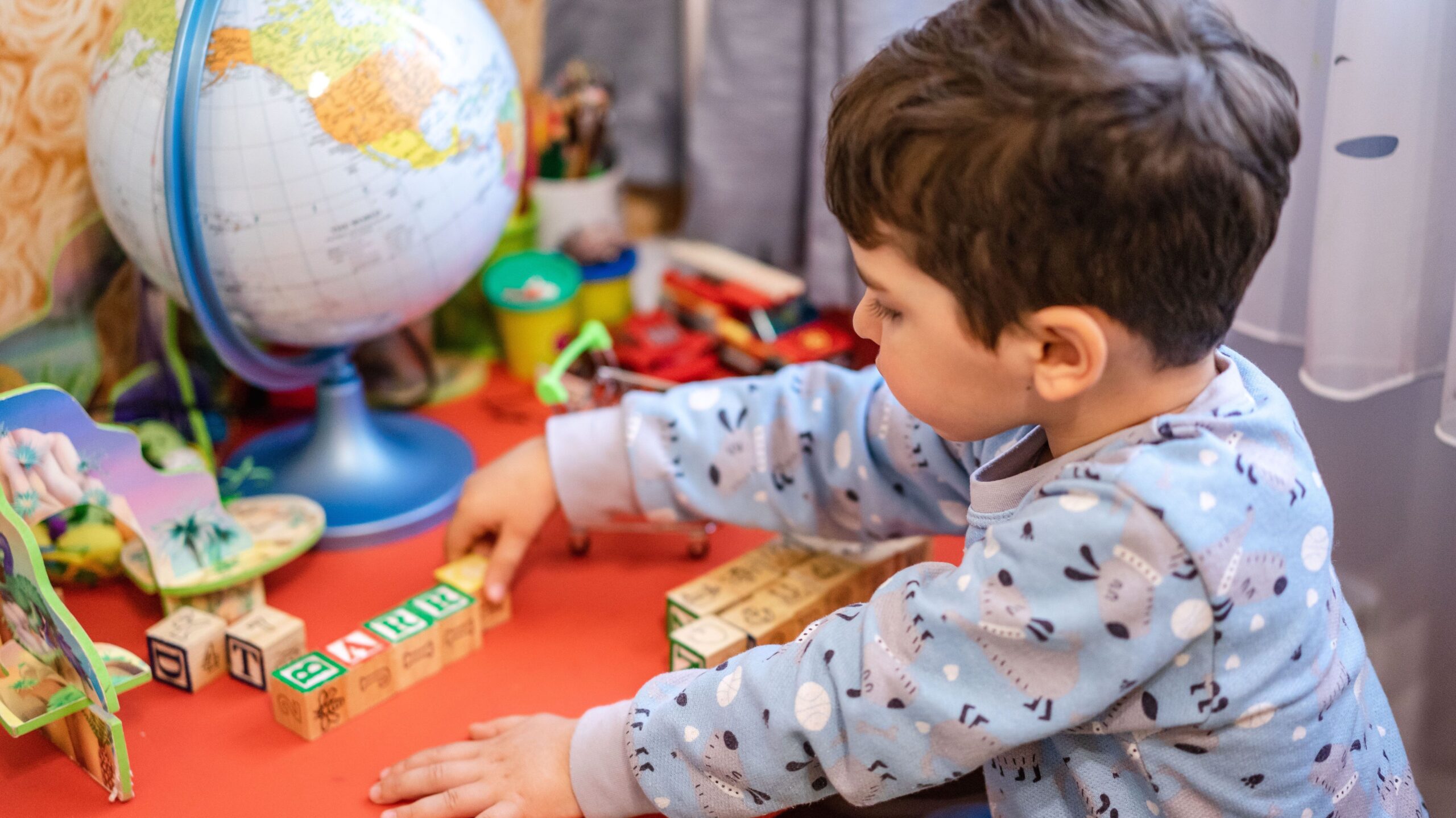
Building Critical Thinking and Problem-Solving Skills
Strong thinkers rarely memorize every answer. Instead, they know how to ask better questions. Activities involving Logic games, Puzzle toys, Coding games for kids, and Construction toys encourage children to analyze situations before making decisions. This gradual process strengthens Critical thinking, improves Problem-solving skills, and develops lasting confidence when facing unfamiliar challenges.
As children progress through increasingly difficult activities, they learn persistence instead of frustration. Solving a challenging puzzle or correcting a coding mistake teaches resilience alongside technical knowledge. These experiences help children understand that success usually comes through practice rather than instant perfection.
Encouraging Creativity, Curiosity, and Innovation
Imagination flourishes when children have freedom to explore. Quality Creative learning toys, Open-ended toys, and Educational games invite endless possibilities because there isn’t only one correct answer. A single collection of Wooden learning toys or Mechanical toys can become a castle today and a space station tomorrow.
Curiosity grows naturally during exploration. Children begin asking deeper questions about how machines work, why bridges stay standing, or how electricity travels through circuits. This excitement introduces advanced ideas in Engineering, Electronics, Artificial intelligence, and Robotics while keeping every lesson enjoyable and age appropriate.
Supporting Fine Motor Skills, Communication, and Teamwork
Many activities quietly strengthen physical development while children focus on having fun. Connecting small components in Circuit learning kits, assembling Robot kits, or completing DIY STEM kits improves hand coordination and Fine motor skills. Larger construction projects also strengthen Gross motor skills by encouraging movement and coordination.
Group activities create equally valuable social opportunities. Working together on Science experiment kits, solving Educational board games, or building elaborate structures teaches patience, sharing, listening, and leadership. These experiences improve Collaboration skills, strengthen Communication skills, and build healthy relationships through shared achievement.
Preparing Children for Future Careers Through Early STEM Exposure
The workplace continues changing rapidly as innovation shapes nearly every profession. Early exposure to STEM education helps children develop flexible thinking that remains valuable regardless of their future career path. Whether they become doctors, architects, artists, engineers, programmers, or entrepreneurs, these foundational skills continue supporting lifelong success.
Children don’t need advanced laboratories to begin learning. Everyday Science learning toys, Engineering kits, Programming toys, Electronics learning kits, and Robotics learning kits introduce real-world concepts through enjoyable activities. Over time, these experiences build confidence while making complex subjects feel approachable instead of intimidating.
| Skill Developed | Example Activity | Long-Term Benefit |
|---|---|---|
| Critical thinking | Solving Logic puzzles | Better decision-making |
| Problem-solving skills | Building Marble runs | Analytical thinking |
| Creativity | Designing with Magnetic construction toys | Innovation |
| Coding | Using Coding board games | Computational thinking |
| Engineering | Building bridges and towers | Design confidence |
| Robotics | Programming beginner robots | Technology readiness |
| Communication skills | Team STEM projects | Collaboration |
| Confidence building | Completing independent challenges | Growth mindset |
| Spatial awareness | Using construction sets | Better visualization |
| Pattern recognition | Puzzle-solving activities | Faster learning |
How to Choose the Best Learning and STEM Toys
Finding the right Learning and STEM Toys isn’t about buying the most expensive option. The best choice matches your child’s interests, developmental stage, and curiosity. High-quality Best educational toys create exciting challenges without causing frustration. They encourage Learning through play, support Early education, and keep children engaged long after the first day.
A well-designed toy grows with your child. Instead of offering only one activity, it encourages new ideas every time children play. The most valuable STEM educational toys promote Independent learning, strengthen Executive function, and develop Logical thinking through exploration rather than memorization.
Select Toys Based on Your Child’s Age and Development
Age recommendations provide a helpful starting point, yet every child develops differently. Some preschoolers enjoy advanced building challenges while older children may still love simple creative activities. Choosing Educational toys by age ensures that learning feels exciting instead of overwhelming.
Parents searching for Learning toys for toddlers, Learning toys for preschoolers, STEM toys for kindergarten, STEM toys for elementary students, STEM toys for tweens, or STEM toys for teens should focus on matching activities to attention span, curiosity, and skill level. A toy that offers gradual challenges often stays interesting for several years.
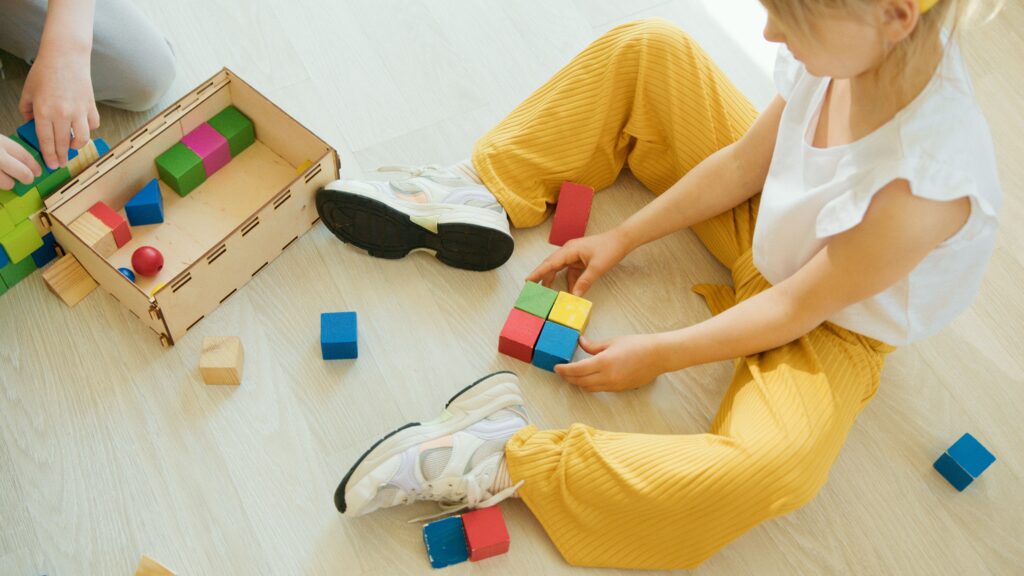
Look for Hands-On Learning and Open-Ended Play
Children remember experiences they actively create. The strongest Hands-on learning toys invite children to build, test, redesign, and improve instead of simply pressing buttons. Activities involving Building toys, Construction toys, and Science kits encourage meaningful exploration every time children play.
The best Open-ended educational toys never limit imagination. One day a child may build a castle. The next day the same pieces become a bridge or spaceship. This flexibility strengthens Creativity, improves Problem solving, and supports long-term Cognitive science through repeated experimentation.
Prioritize Safety, Durability, and High-Quality Materials
A great toy should survive years of enthusiastic play. Durable materials, smooth edges, and reliable construction make learning enjoyable while reducing safety concerns. Choosing Safe learning toys, Child-safe STEM toys, and Non-toxic educational toys helps families enjoy learning with confidence.
Parents should also consider storage, cleaning, and maintenance. Quality Wooden learning toys, sturdy Magnetic construction toys, and well-built Engineering toys usually last much longer than cheaper alternatives. Long-lasting products often provide better value because younger siblings can enjoy them later.
Balance Educational Value, Fun, and Budget
Educational value matters most when children actually enjoy using the toy. A fun activity naturally encourages repeated practice, making learning effortless. Many Budget-friendly learning toys deliver outstanding educational benefits without requiring a large investment.
Families don’t always need premium products. Many Affordable STEM toys, Educational board games, and simple Puzzle toys develop the same core skills as expensive electronic kits. The right balance depends on your child’s interests rather than the price tag.
Features That Make a STEM Toy Worth Buying
Excellent STEM activity toys combine durability, flexibility, creativity, and meaningful challenges. They encourage children to ask questions, explore solutions, and discover new ideas independently. These qualities make learning enjoyable rather than forced.
Parents looking for How to choose STEM toys should prioritize products that remain useful as children grow. Flexible Interactive learning toys, engaging Creative learning toys, and well-designed Best learning toys continue offering fresh challenges year after year.
Quick Buying Guide
| Buying Factor | What to Look For | Why It Matters |
|---|---|---|
| Age suitability | Clear age range | Better learning experience |
| Safety | Non-toxic materials | Child protection |
| Durability | Strong construction | Long-term value |
| Educational value | Real skill development | Supports lifelong learning |
| Replay value | Multiple activities | Prevents boredom |
| Ease of use | Simple instructions | Encourages independence |
| Creativity | Open-ended design | Boosts imagination |
| Budget | Best value for money | Smart investment |
Best Learning and STEM Toys by Age Group
Children learn differently as they grow. A toddler explores by touching and stacking while an older child enjoys designing robots or building electronic circuits. Choosing age-appropriate Learning and STEM Toys helps children stay motivated while steadily improving important skills.
The following recommendations focus on developmental milestones rather than strict age limits. Every child grows at a different pace, so parents should always consider individual interests alongside official age recommendations.
Best Learning and STEM Toys for Toddlers (1–3 Years)
Young children learn through movement, repetition, and discovery. The best STEM toys for toddlers include colorful Building blocks, large Magnetic tiles, simple shape sorters, and beginner Montessori toys. These activities strengthen Fine motor skills, improve Brain development, and encourage early curiosity.
Simple Screen-free STEM toys work especially well during these years because toddlers learn best through direct interaction. Stacking, matching, and building activities improve Pattern recognition, support Preschool education, and introduce basic cause-and-effect relationships.
Best Learning and STEM Toys for Preschoolers (3–5 Years)
Preschool children love asking questions and solving simple challenges. High-quality STEM toys for preschoolers, STEM toys for 5-year-olds, and Learning games for kids encourage exploration through colorful puzzles, beginner science activities, and imaginative construction sets.
Many families choose Science learning toys, beginner Coding board games, and creative Educational games during these years. These activities improve Communication skills, strengthen Memory development, and encourage Inquiry-based learning while keeping play exciting.
Best Learning and STEM Toys for Kids (6–8 Years)
School-age children become ready for more detailed projects. The best STEM toys for 6-year-olds, STEM toys for 7-year-olds, and STEM toys for 8-year-olds introduce engineering challenges, beginner robotics, and science investigations that require planning and patience.
Many children enjoy Science experiment kits, Circuit kits, Programming toys, and Mechanical toys because they produce visible results. Completing each project builds confidence while strengthening Decision-making skills, Logical reasoning, and Executive functioning.
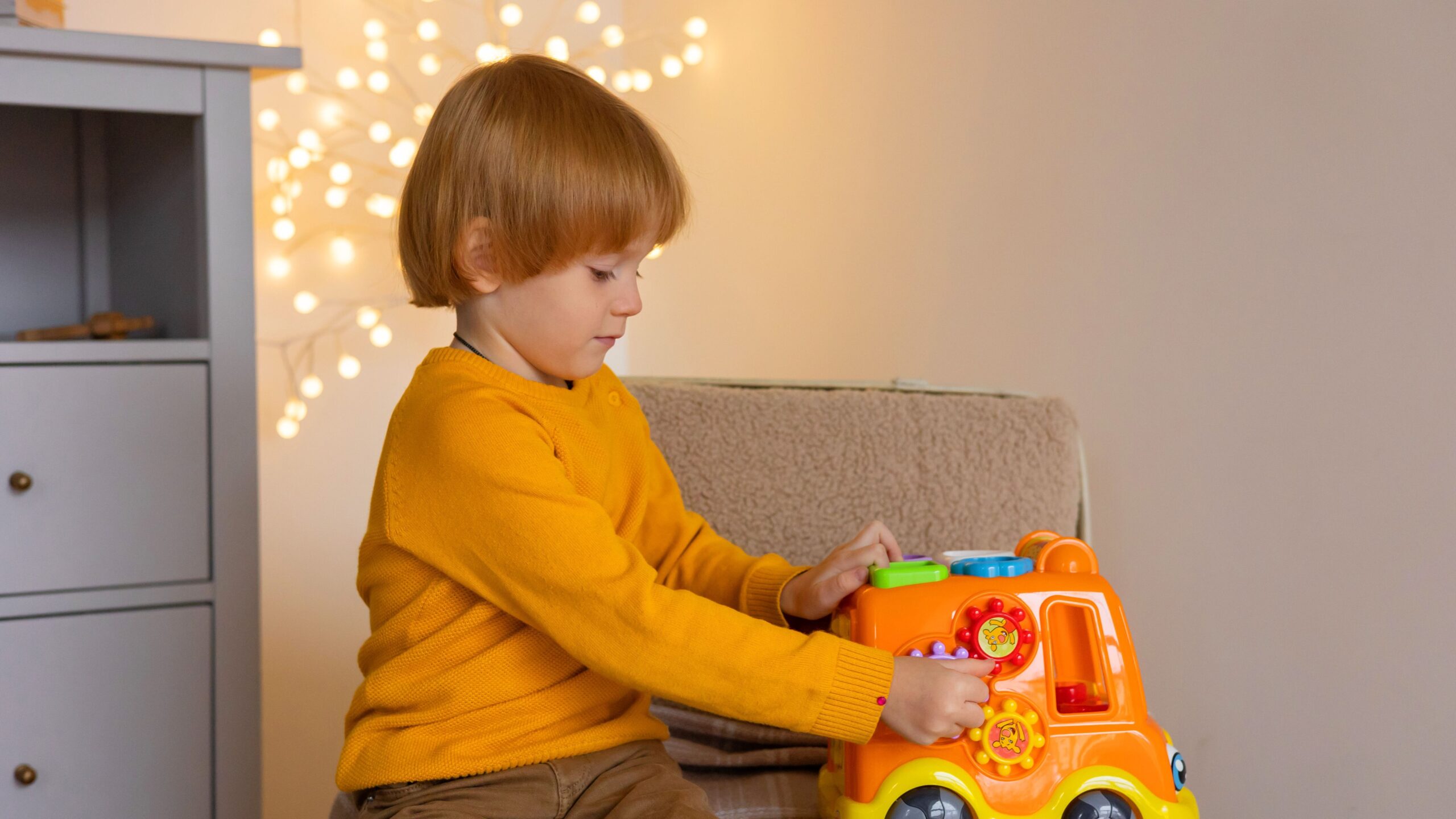
Best Learning and STEM Toys for Older Kids (9–12 Years)
Older children often enjoy solving bigger challenges independently. High-quality STEM toys for 10-year-olds encourage advanced building, coding, and experimentation through engaging projects that resemble real-world engineering tasks.
Excellent options include Electronics kits, advanced Circuit learning kits, beginner Robotics toys, and detailed Engineering kits. These activities introduce more complex ideas in Technology, Electronics, and Computational thinking while maintaining an enjoyable learning experience.
Best STEM Toys for Teens (13+ Years)
Teenagers usually appreciate projects with real-world applications. Advanced STEM toys for teens include programmable robots, electronics projects, engineering challenges, and sophisticated DIY STEM kits that encourage creative problem-solving.
Many older students also benefit from Robotics kits for beginners, advanced Coding toys without screens, and realistic design projects. These experiences strengthen Innovation, prepare students for future careers, and demonstrate how classroom knowledge connects with everyday life.
Age-Based STEM Toy Guide
| Age Group | Recommended Toy Types | Skills Developed |
|---|---|---|
| 1–3 Years | Building blocks, Montessori toys, stacking toys | Fine motor development, coordination |
| 3–5 Years | Puzzle toys, Educational games, beginner Science kits | Curiosity, language, creativity |
| 6–8 Years | Coding toys, Science experiment kits, Building toys | Critical thinking, teamwork |
| 9–12 Years | Robot kits, Electronics learning kits, Engineering kits | Advanced Problem solving, design skills |
| 13+ Years | Programming toys, Circuit kits, advanced robotics | Career readiness, innovation, analytical thinking |
The best Best learning and STEM toys for kids don’t simply entertain. They encourage exploration, build confidence, and create lifelong learners through meaningful experiences. Whether you choose Best STEM toys for preschoolers, Best STEM toys for elementary students, or Educational gifts that kids actually use, the goal remains the same: helping children enjoy learning while preparing for a rapidly changing world.
Best Types of Learning and STEM Toys
The world of Learning and STEM Toys is much bigger than most parents expect. Every category teaches different skills while keeping children engaged through exciting challenges. Some toys develop Critical thinking, while others improve Fine motor skills, encourage Creativity, or introduce real-world concepts in Science, Technology, Engineering, and Mathematics. Choosing a variety of toy types gives children a balanced learning experience.
The most successful collections combine several learning styles instead of focusing on one subject. Mixing Building toys, Coding toys, Science learning toys, and Robotics toys creates endless opportunities for exploration. Children stay curious because every activity introduces a fresh challenge that supports Project-based learning, Hands-on learning, and long-term Child development.
Building and Construction Toys
Construction activities teach children how individual pieces work together to create something larger. Classic Building blocks, modern Magnetic construction toys, and colorful Magnetic tiles improve Spatial awareness, strengthen Logical thinking, and encourage careful planning before building. These activities also introduce basic architectural and engineering concepts in a fun way.
Many experts consider construction sets among the Best building toys because they never become outdated. A child who builds simple towers today may design detailed bridges or cities tomorrow. This gradual progression supports Creative play, Brain development, and Learning toys for brain development while encouraging children to experiment without fear of making mistakes.
Coding and Programming Toys
Programming no longer belongs only to computer scientists. Beginner Coding toys, Coding board games, and Programming toys help children understand sequencing, logic, and instructions before they even write computer code. These playful experiences strengthen Computational thinking while making complex ideas feel approachable.
Many parents choose Coding toys without screens because they reduce digital distractions while teaching the same core concepts. These activities improve Decision-making skills, develop Executive function, and prepare children for future learning in technology-related subjects.
Robotics and Artificial Intelligence Kits
Robots instantly capture children’s imagination because they respond, move, and interact. Beginner Robot kits, engaging Robotics learning kits, and advanced Best robotics kits introduce programming through exciting real-world projects. Children quickly learn that small changes in instructions create different behaviors.
Working with robots naturally introduces concepts related to Artificial intelligence, Robotics, sensors, automation, and logical sequences. These experiences strengthen Innovation, encourage teamwork, and help children understand how modern technology influences everyday life.
Science Experiment Kits
Curiosity grows strongest through experimentation. Quality Science experiment kits, engaging Science kits, and practical Educational STEM toys encourage children to observe, predict, test, and compare results. These activities transform ordinary questions into memorable discoveries.
Simple chemistry reactions, weather experiments, plant growth projects, and physics demonstrations introduce scientific thinking through exciting activities. This style of Inquiry-based learning supports Cognitive development, improves observation skills, and makes learning enjoyable instead of intimidating.
Engineering and Mechanical Toys
Engineering teaches children how things work together. Excellent Engineering toys, detailed Engineering kits, and durable Mechanical toys encourage children to design bridges, vehicles, gears, and moving machines while solving increasingly difficult challenges.
As children redesign and improve each project, they naturally strengthen Problem solving, develop patience, and gain confidence. These practical experiences demonstrate that failure often leads to better solutions, an important lesson both inside and outside the classroom.
Electronics and Circuit Learning Kits
Electricity becomes much easier to understand when children build real circuits themselves. Modern Electronics kits, beginner Circuit learning kits, and safe Electronics learning kits introduce switches, batteries, motors, and simple electrical systems without requiring advanced technical knowledge.
Building working alarms, lights, fans, or small motors helps children understand cause and effect through direct experience. These activities strengthen Logical reasoning, improve Critical thinking, and introduce important concepts in Electronics through meaningful exploration.
Logic, Math, and Puzzle Games
Games often teach more than worksheets because children remain fully engaged. Challenging Logic games, engaging Puzzle toys, and interactive Learning games for kids encourage strategic thinking while making every solution feel rewarding.
These activities improve Pattern recognition, strengthen memory, and develop planning skills. Many families also enjoy Educational board games because they encourage conversation, teamwork, and healthy competition while supporting important learning goals.
Montessori-Inspired Learning Toys
Simple materials often produce remarkable learning results. High-quality Montessori toys encourage children to explore independently while developing confidence through self-directed discovery. These activities focus on real experiences rather than flashy distractions.
Many families interested in Montessori education appreciate toys made from natural materials because they encourage concentration and meaningful exploration. These Open-ended educational toys strengthen Independent learning, support Early childhood learning, and build lifelong curiosity.
Comparison of Popular STEM Toy Categories
| Toy Category | Best For | Main Skills Developed |
|---|---|---|
| Building toys | Creative construction | Spatial awareness, creativity |
| Coding toys | Programming basics | Computational thinking, logic |
| Robotics toys | Technology exploration | Robotics, innovation |
| Science experiment kits | Scientific discovery | Observation, inquiry |
| Engineering kits | Design challenges | Engineering concepts |
| Electronics kits | Circuit building | Electrical knowledge |
| Puzzle toys | Logical challenges | Critical thinking |
| Montessori toys | Independent exploration | Focus, confidence |
Our Top Picks for the Best Learning and STEM Toys
Choosing the Best learning and STEM toys for kids depends on your child’s interests, age, and preferred learning style. Some children enjoy building impressive structures while others love coding robots or performing exciting science experiments. The best toys encourage repeated exploration instead of becoming boring after a few days.
The following recommendations represent outstanding examples of Top-rated STEM toys because they combine educational value with genuine fun. Each one supports Learning through play, encourages creativity, and helps children develop practical skills they can use throughout life.
Best Overall Learning and STEM Toy
A versatile magnetic construction set remains one of the Best learning toys available because it grows alongside your child. Sets featuring durable Magnetic tiles encourage children to design bridges, towers, vehicles, and imaginative structures using the same pieces.
These toys strengthen Problem-solving skills, improve Spatial awareness, and support Creative play across many age groups. Their open-ended design makes them one of the most valuable long-term educational investments.
Best Budget-Friendly STEM Toy
Quality learning doesn’t always require a high price. Many Budget-friendly learning toys include engaging Logic games, beginner Puzzle toys, and affordable Educational games that deliver outstanding educational value.
Simple construction challenges and strategy games often improve Logical thinking, Communication skills, and Confidence building just as effectively as expensive electronic products.
Best Building Toy for Creative Play
Construction toys remain favorites because every project feels different. Modern Best magnetic building toys, creative Building blocks, and flexible construction sets encourage endless experimentation.
These activities develop Fine motor development, strengthen Executive functioning, and encourage children to solve design problems independently through trial and improvement.
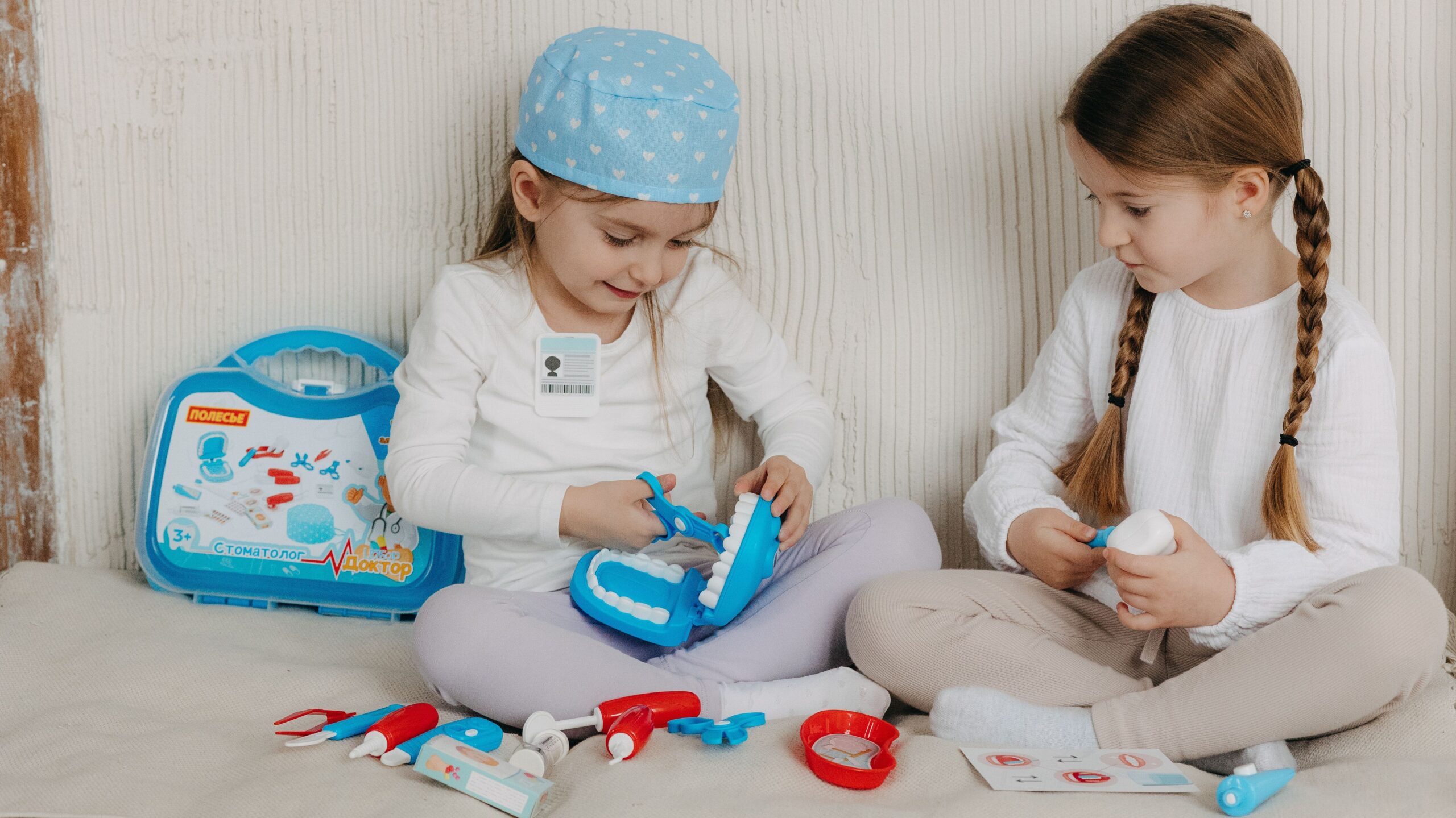
Best Coding Toy for Beginners
Children new to programming benefit from beginner-friendly Best coding toys that introduce sequencing through play rather than typing. Interactive coding activities gradually develop logical thinking while keeping frustration low.
Many parents also appreciate Coding toys without screens because they balance technology education with healthy Screen-free activities, making learning both practical and enjoyable.
Best Robotics Kit
Beginner robots transform programming into an exciting adventure. Quality Best robotics kits allow children to create movement, complete challenges, and experiment with different commands through easy-to-understand activities.
Working with robots introduces ideas related to Artificial intelligence, automation, and engineering while encouraging persistence and creative experimentation.
Best Science Experiment Kit
Children naturally become curious when experiments produce surprising results. High-quality Best science kits include safe activities involving chemistry, physics, plants, weather, and simple engineering projects.
These practical investigations strengthen observation skills, encourage questions, and introduce important scientific concepts through enjoyable exploration.
Best Electronics and Circuit Kit
Building working circuits helps children understand electricity through direct experience. Reliable Circuit kits and educational Electronics learning kits teach practical concepts using colorful components that safely connect together.
These projects strengthen Logical reasoning, improve Decision-making skills, and introduce future engineers to the exciting world of electronics.
Best Logic Game for Problem Solving
A well-designed strategy game continues challenging children for years. Excellent Logic games encourage players to think ahead, test different approaches, and adapt their plans after every move.
These games improve Critical thinking, develop patience, and encourage children to enjoy difficult challenges instead of avoiding them.
Comparison of Recommended Learning and STEM Toys
| Category | Recommended Choice | Best For | Main Benefits |
|---|---|---|---|
| Best Overall | Magnetic construction set | Ages 3+ | Creativity and engineering |
| Best Budget | Logic puzzle game | Ages 5+ | Critical thinking |
| Best Building Toy | Magnetic tiles | Ages 3–10 | Spatial awareness |
| Best Coding Toy | Screen-free coding game | Ages 4+ | Programming basics |
| Best Robotics Kit | Beginner robot | Ages 5+ | Coding and automation |
| Best Science Kit | Hands-on experiment set | Ages 6+ | Scientific discovery |
| Best Electronics Kit | Snap-style circuit kit | Ages 8+ | Electrical knowledge |
| Best Logic Game | Multi-level strategy puzzle | Ages 6+ | Problem-solving |
Parents searching for Best STEM toys 2026, Best educational gifts, Best gifts for curious kids, Holiday STEM gifts, Educational birthday gifts, or STEM gift ideas should prioritize products that encourage exploration instead of passive entertainment. The strongest choices become part of everyday learning because children return to them again and again. Whether selecting STEM toys for homeschooling families, Best classroom STEM toys, or Science and engineering toys for kids, the greatest value comes from toys that inspire curiosity, build confidence, and create meaningful learning experiences that last for years.
STEM Toy Safety Tips for Parents
Every parent wants children to enjoy Learning and STEM Toys without unnecessary risks. Safety should always come before excitement because even the Best STEM toys need responsible use. Well-made Child-safe STEM toys help children explore confidently while reducing common hazards. Reading instructions, checking age recommendations, and choosing trusted manufacturers create a safer learning environment at home.
High-quality Safe STEM toys for young children also encourage independence because children can focus on learning instead of struggling with poorly designed parts. Durable materials, smooth edges, and reliable construction improve the overall experience while supporting Hands-on learning, Child development, and healthy Creative play through safe exploration.
Check Age Recommendations Before Buying
Manufacturers test toys for specific developmental stages. Those recommendations help parents choose activities that match children’s abilities instead of overwhelming them. Selecting age-appropriate STEM toys for toddlers, STEM toys for preschoolers, or STEM toys for elementary students improves both safety and learning outcomes.
Children who receive toys suited to their developmental level stay engaged longer and become more confident learners. Following age guidelines also supports Early childhood learning, improves Executive function, and encourages gradual skill development through achievable challenges.
Avoid Small Parts for Young Children
Young children naturally explore with their hands and mouths. Small pieces from Building toys, Robot kits, or Circuit kits can create choking hazards if used too early. Parents should always inspect toys before play and store loose components safely after each session.
Choosing larger construction pieces helps toddlers enjoy creative activities while developing Fine motor development safely. As children grow older, they become ready for smaller components that introduce more advanced engineering and design concepts.
Choose Non-Toxic and Certified Materials
Material quality matters just as much as educational value. Parents should look for Non-toxic educational toys made from child-safe plastics, responsibly sourced wood, or other certified materials. Reliable manufacturers often follow strict safety standards that protect children during everyday play.
Premium quality doesn’t always mean higher prices. Many Affordable STEM toys now use safe materials while delivering outstanding educational experiences. Investing in durable products also reduces waste because quality toys often last through several years of active use.
Battery, Magnet, and Electronic Safety
Modern Electronics kits, programmable robots, and electronic learning sets introduce exciting opportunities for exploration. However, batteries, charging cables, and strong magnets require careful supervision, especially with younger children. Parents should regularly inspect electronic toys for damaged wires or loose battery compartments.
Rechargeable products should always use approved chargers supplied by the manufacturer. Proper handling protects children while helping electronic components perform reliably throughout years of educational use.
Cleaning, Storage, and Maintenance Tips
Regular cleaning keeps Educational toys for home hygienic and extends their lifespan. Plastic pieces can usually be cleaned with a soft cloth and mild soap while wooden toys should remain dry to prevent damage. Electronics should never be submerged in water unless specifically designed for washing.
Proper storage also encourages responsibility. Organized containers help children sort pieces after play while protecting valuable Engineering kits, Science experiment kits, and Programming toys from unnecessary wear.
STEM Toy Safety Checklist
| Safety Area | Best Practice | Why It Matters |
|---|---|---|
| Age Rating | Follow manufacturer guidelines | Reduces safety risks |
| Materials | Choose Non-toxic educational toys | Protects children’s health |
| Small Parts | Keep away from toddlers | Prevents choking hazards |
| Batteries | Check compartments regularly | Improves electrical safety |
| Magnets | Supervise younger children | Prevents accidental swallowing |
| Storage | Store pieces in containers | Prevents loss and damage |
| Cleaning | Clean toys regularly | Supports healthy play |
| Supervision | Monitor advanced projects | Encourages safe learning |
Common Mistakes Parents Make When Buying Learning Toys
Buying the right educational toy can feel overwhelming because thousands of products claim to improve learning. Unfortunately, attractive packaging doesn’t always guarantee quality. The best Learning and STEM Toys encourage exploration, build confidence, and remain interesting long after the first play session. Understanding common mistakes helps families make smarter decisions.
Many parents focus only on entertainment or price while overlooking long-term educational value. A thoughtful purchase considers safety, replay value, developmental benefits, and the child’s natural interests. These factors help children enjoy meaningful Learning through play while strengthening important life skills.
Choosing Toys That Are Too Easy or Too Difficult
Children enjoy challenges that stretch their abilities without causing frustration. A toy that feels too simple quickly loses excitement while an overly difficult activity may reduce confidence. Finding the right balance encourages persistence and steady progress.
The best Educational toys by age provide increasing levels of difficulty as children develop. This gradual progression strengthens Problem-solving skills, supports Brain development, and encourages children to keep exploring new ideas.
Ignoring Children’s Interests and Learning Styles
Every child learns differently. Some enjoy designing structures while others prefer coding robots, conducting experiments, or solving puzzles. Matching toys with personal interests creates stronger motivation and longer attention spans.
Parents choosing Science learning toys, Robotics toys, Coding toys, or Construction toys should observe what naturally excites their child. Interest often becomes the strongest driver of meaningful learning and lifelong curiosity.
Buying Based Only on Brand Popularity
Popular products aren’t always the best educational choice. Some heavily advertised toys offer limited opportunities for exploration once children complete the first activity. Instead, parents should evaluate how many different ways a toy can be used over time.
Excellent Top-rated STEM toys usually encourage repeated experimentation rather than providing only one correct answer. Flexible designs support Independent learning, Innovation, and continuous skill development through open-ended play.
Confusing Screen Time with Interactive Learning
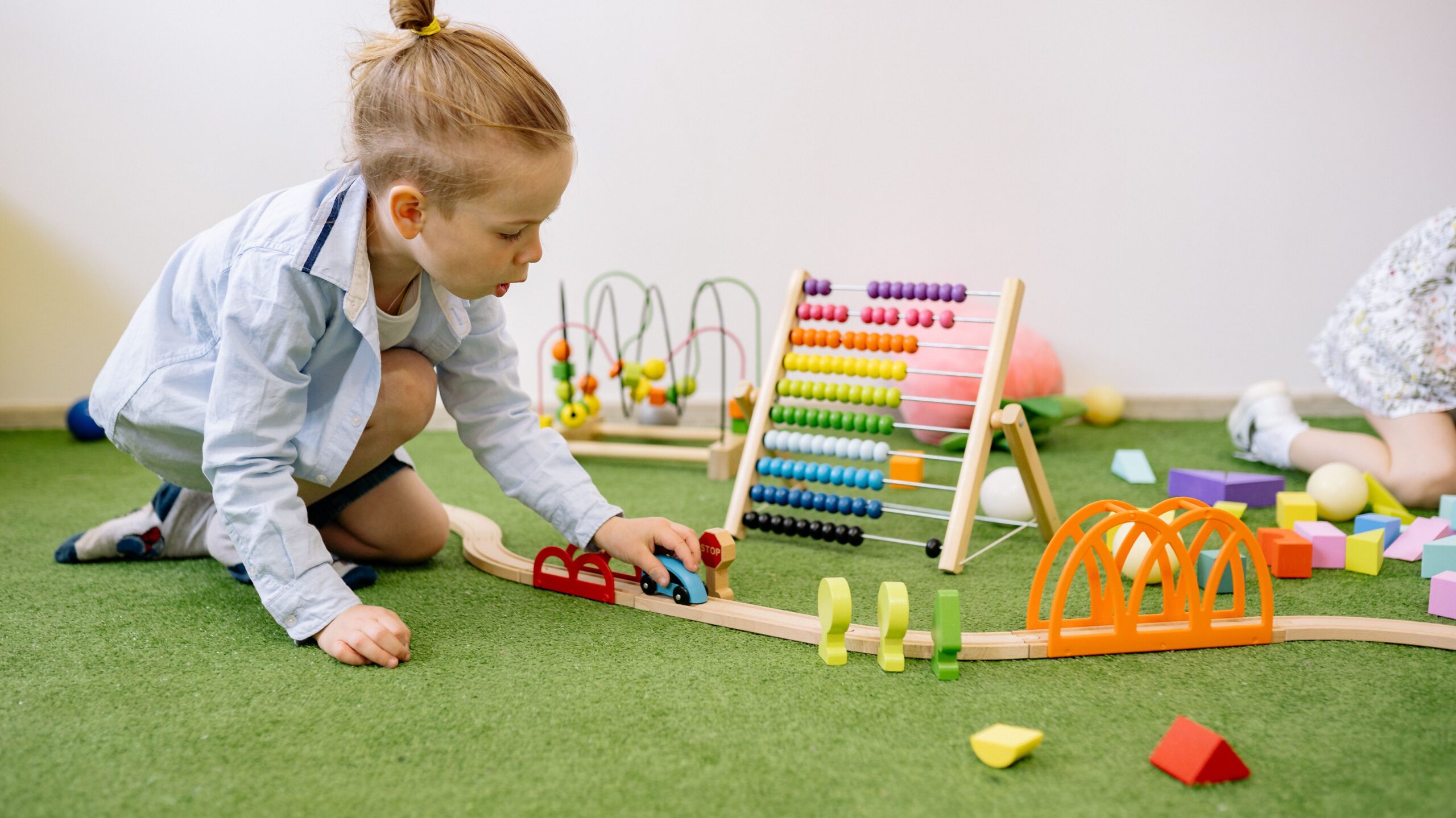
Digital devices certainly have educational value, yet children also benefit from physical activities that engage their hands and imagination. Many Screen-free learning toys for kids encourage deeper concentration because children actively build, test, and explore instead of simply watching a screen.
Activities using Building toys, Mechanical toys, Wooden learning toys, and Educational board games strengthen coordination, improve Communication skills, and encourage meaningful family interaction through shared experiences.
Overlooking Long-Term Educational Value
The best educational toys remain useful as children grow. High-quality Educational toys that build problem-solving skills adapt to increasing abilities, allowing children to create more advanced projects every year.
Parents searching for a practical Parent buying guide should prioritize replay value over temporary entertainment. Durable Teacher recommended toys, versatile Best classroom STEM toys, and engaging STEM toys that encourage creativity often become favorite learning tools throughout childhood.
Smart Buying Comparison
| Common Mistake | Better Choice | Long-Term Benefit |
|---|---|---|
| Buying only trendy toys | Choose educational value | Better learning outcomes |
| Ignoring age recommendations | Match developmental stage | Greater confidence |
| Choosing single-use toys | Select Open-ended toys | More replay value |
| Focusing only on price | Balance quality and value | Longer lifespan |
| Too much screen time | Add Screen-free activities | Better creativity |
| Ignoring safety | Follow a Toy safety guide | Safer learning environment |
Choosing the right Learning and STEM Toys isn’t about finding the newest product on the shelf. It is about selecting experiences that inspire curiosity, encourage exploration, and support healthy development. Parents who focus on quality, safety, and long-term educational value give children opportunities to build confidence, strengthen essential skills, and develop a lifelong love of learning.
Frequently Asked Questions About Learning and STEM Toys
Choosing the right Learning and STEM Toys often raises important questions for parents, teachers, and caregivers. Understanding how these toys support learning makes it easier to select products that match a child’s age, interests, and developmental needs. The answers below address the most common concerns while helping you make informed decisions.
These frequently asked questions also explain why Learning and STEM Toys continue to grow in popularity across American homes and classrooms. When children enjoy learning through play, they develop valuable skills that extend far beyond academics.
What Are Learning and STEM Toys?
Learning and STEM Toys are designed to make education enjoyable through interactive play. Unlike traditional toys that mainly entertain, these products encourage children to explore concepts in Science, Technology, Engineering, and Mathematics while naturally developing Critical thinking, Problem-solving skills, and creativity.
Many Educational toys for kids include building challenges, coding activities, robotics, experiments, and puzzles. Their greatest strength is encouraging children to discover solutions independently instead of simply following instructions.
At What Age Should Children Start Using STEM Toys?
Children can begin exploring simple STEM concepts during infancy and toddlerhood. Large stacking blocks, shape sorters, and beginner STEM toys for toddlers introduce problem-solving and coordination through safe, hands-on activities.
As children grow, they become ready for STEM toys for preschoolers, coding games, robotics kits, science experiments, and engineering projects. Selecting age-appropriate toys helps maintain confidence while gradually introducing more advanced concepts.
Are STEM Toys Really Worth the Investment?
Quality Learning and STEM Toys provide value far beyond short-term entertainment. Well-designed products continue challenging children as they develop new abilities, making them useful for several years rather than only a few weeks.
Parents often discover that durable Educational STEM toys become favorite family activities. Their ability to encourage curiosity, creativity, and independent thinking makes them worthwhile investments in a child’s future learning.
Do STEM Toys Improve Academic Performance?
No toy can guarantee higher grades. However, research suggests that regular participation in meaningful Hands-on learning activities strengthens skills that support classroom success. Children who frequently solve problems, build projects, and conduct experiments often become more confident learners.
These experiences improve concentration, logical reasoning, observation, and persistence. Those qualities benefit children across many school subjects, not only science or mathematics.
What Is the Difference Between STEM and Montessori Toys?
Although both encourage learning through play, they focus on different educational approaches. Montessori education emphasizes independence, practical life skills, and self-directed exploration using simple materials.
STEM toys place greater emphasis on scientific discovery, engineering challenges, coding, robotics, and experimentation. Many families successfully combine both approaches because they complement each other and encourage well-rounded development.
How Many Educational Toys Does a Child Need?
Children usually benefit more from a carefully selected collection than from an overflowing toy box. A smaller number of versatile Open-ended educational toys encourages deeper exploration because children discover new ways to use familiar materials.
Rotating toys every few weeks also keeps activities exciting. This simple strategy renews curiosity without requiring frequent purchases.
Which STEM Toy Is Best for Beginners?
The ideal beginner toy depends on the child’s interests. Young children often enjoy magnetic building sets, simple construction toys, and beginner coding games because they provide immediate success without becoming overwhelming.
Older beginners may prefer science kits, beginner robotics, or electronics projects that gradually introduce more advanced concepts while maintaining an enjoyable learning experience.
Final Thoughts: Choosing the Right Learning and STEM Toy
Selecting the best Learning and STEM Toys is not about finding the most expensive product or the newest trend. The best choice matches your child’s curiosity, developmental stage, and natural learning style. When children enjoy meaningful play, they willingly explore new ideas, overcome challenges, and develop confidence through their own discoveries.
Whether you choose Building toys, Science experiment kits, Coding toys, Robotics toys, or creative construction sets, each activity contributes to lifelong learning. The strongest educational toys inspire children to ask questions, test ideas, and continue learning long after playtime ends.
Quick Checklist for Buying the Best Learning and STEM Toys
Before purchasing a toy, consider whether it encourages creativity, supports problem-solving, matches your child’s age, and offers long-term replay value. High-quality products should also meet safety standards, use durable materials, and provide opportunities for independent exploration.
Parents who focus on educational value instead of flashy marketing often discover toys that children return to again and again. Those repeated experiences create lasting learning far beyond a single afternoon of play.
Helping Children Learn Through Meaningful Play
Every tower built, every puzzle solved, and every robot programmed teaches something valuable. Children develop confidence when they experiment freely and learn that mistakes are simply stepping stones toward better solutions.
Creating a supportive environment where curiosity is celebrated helps children become resilient learners. Encouraging questions instead of immediately giving answers allows them to develop stronger reasoning and independent thinking.
Making Every Gift an Opportunity to Learn
The best gifts create memories while opening doors to future discoveries. Educational toys can inspire interests that eventually grow into lifelong hobbies, academic passions, or rewarding careers.
When families choose Learning and STEM Toys thoughtfully, they invest in much more than playtime. They provide opportunities for imagination, exploration, and continuous growth. Those experiences build skills that remain valuable throughout school, future careers, and everyday life.
Learning and STEM Toys Comparison Table
| Feature | Traditional Toys | Learning and STEM Toys |
|---|---|---|
| Purpose | Entertainment | Learning through play |
| Creativity | Moderate | Excellent |
| Problem-solving | Limited | High |
| Replay Value | Medium | Very High |
| Skill Development | Basic | Comprehensive |
| STEM Learning | Rare | Strong |
| Critical Thinking | Limited | Excellent |
| Collaboration | Sometimes | Frequently |
| Long-Term Educational Value | Moderate | Outstanding |
“Play is the highest form of research.” — Albert Einstein
The most meaningful learning rarely begins with a lecture. It begins with curiosity, exploration, and the freedom to discover something new. The right Learning and STEM Toys transform everyday play into opportunities that inspire confident, creative, and lifelong learners.

Aina Arif is a mother of two young children and the founder of NatureNestia. Based in Pakistan, she spent three years as an early childhood educator before becoming a full-time parent and writer. She writes about learning through play, managing difficult behaviour, and building strong family bonds.