
By Aina Arif | Updated: June 2026 | 12 min read
Tiny Hands, Big Skills
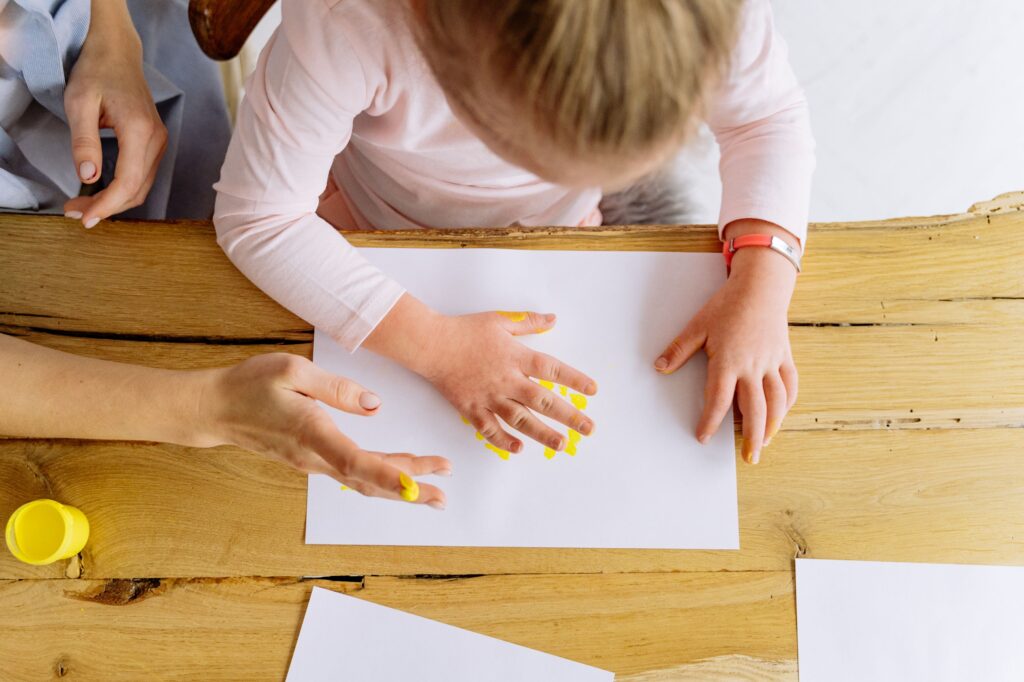
At age 2, children are in a very exciting stage of development.
They are starting to do more with their hands than ever before—stacking blocks, scribbling, feeding themselves, turning pages, and trying to copy adults in everyday tasks.
These small movements are called fine motor skills, and they are the foundation for important future abilities like writing, buttoning clothes, using scissors, and even tying shoelaces.
But here’s the important part:
Fine motor skills don’t develop through pressure.
They develop through play, repetition, and hands-on exploration.
So let’s turn everyday home moments into a fun Fine Motor Play Lab.
✋ Fine Motor Activity 1: Pom-Pom Drop Challenge
🎯 Mission of the Day
Can your child guide small objects into tiny spaces?
🧺 How to Set It Up
You will need:
- Pom-poms or cotton balls
- Empty bottle or cup
- Spoon or tweezers (optional)
Place a bottle or cup on the table and ask your child to drop pom-poms inside one by one.
You can increase difficulty by making the opening smaller.
🧠 What Kids Learn
- Hand-eye coordination
- Pincer grasp (thumb + finger control)
- Focus and patience
- Finger strength
⭐ Easy Level
Let your child use both hands freely.
🚀 Next Challenge
Use tweezers or chopsticks to pick and drop pom-poms.
🎨 Fine Motor Activity 2: Playdough Power Hands
🎯 Mission of the Day
Can little hands shape, squeeze, and control soft dough?
🧺 How to Set It Up
Give your child simple playdough and let them:
- Roll snakes
- Make small balls
- Flatten with palms
- Pinch edges
- Press objects inside (buttons, beads, safe items)
No instructions needed at first—just free exploration.
🧠 What Kids Learn
- Finger strength
- Hand muscle control
- Creativity
- Sensory development
⭐ Easy Level
Just squishing and squeezing is enough.
🚀 Next Challenge
Ask them to make shapes like “snake,” “ball,” or “pizza.”
📚 Fine Motor Activity 3: Page Turner Book Time
🎯 Mission of the Day
Can your child carefully turn pages one by one?
🧺 How to Set It Up
Choose sturdy board books or thick pages.
Read together and let your child:
- Turn pages slowly
- Point at pictures
- Try to hold the book correctly
You can also ask simple questions:
- “Where is the cat?”
- “What color is this?”
🧠 What Kids Learn
- Finger control
- Attention span
- Early literacy skills
- Visual tracking
⭐ Easy Level
Help your child turn pages together.
🚀 Next Challenge
Let your child “read” the book to you using pictures.
✂️ Fine Motor Activity 4: Tear & Stick Paper Fun
🎯 Mission of the Day
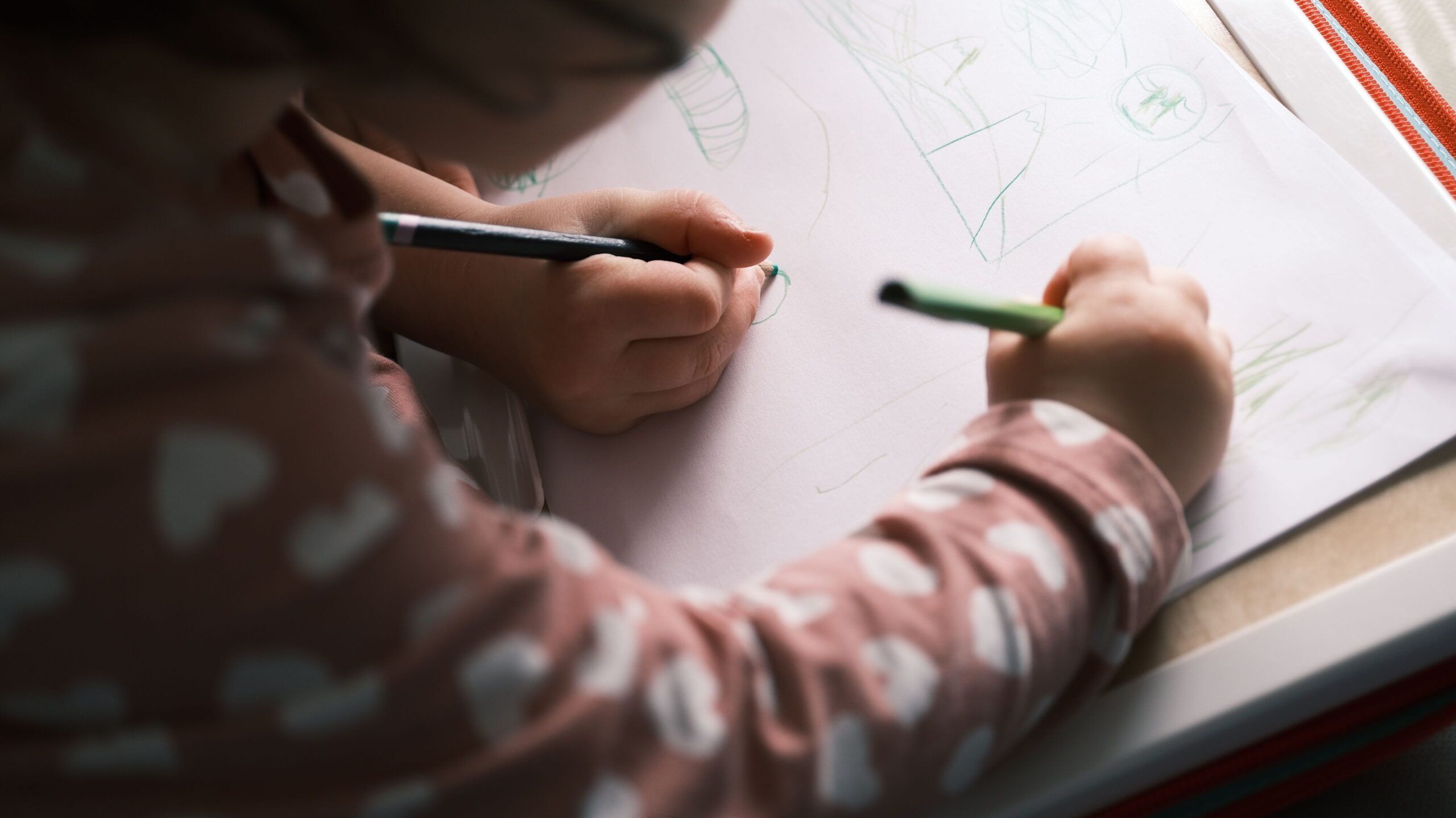
Can your child use both hands together to tear paper?
🧺 How to Set It Up
- Give old newspapers or colored paper
- Show how to tear strips
- Provide glue stick or tape
- Create a simple collage
Let your child stick pieces freely on paper.
🧠 What Kids Learn
- Bilateral coordination (both hands working together)
- Grip strength
- Creativity
- Control of hand movement
⭐ Easy Level
Just tearing paper without gluing.
🚀 Next Challenge
Make shapes like a sun, house, or tree using torn pieces.
🧠 Why Fine Motor Play Matters at Age 2
At this age, children are not expected to write perfectly or hold tools correctly.
Instead, they are building the muscle foundation for future skills.
Research shows that activities like squeezing, stacking, scooping, and tearing help develop coordination and hand strength needed for later academic tasks like writing and cutting.
Simple play-based activities also improve focus, independence, and confidence in toddlers.
🌟 Parent Reminder
If your child:
- Holds objects in unusual ways
- Makes messy attempts
- Loses interest quickly
- Uses both hands at once
That is completely normal for age 2.
The goal is not perfection.
The goal is practice through play.
🧩 Mini Skill Tracker
Celebrate small wins like:
✔ Picking up small objects
✔ Turning pages carefully
✔ Squeezing playdough
✔ Tearing paper
✔ Dropping items into containers
These tiny actions are building strong future skills.
Fine Motor Activity 5: Bead Threading Adventure
🎯 Mission of the Day
Can your child guide small objects onto a string?
🧺 How to Set It Up
You will need:
- Large beads, pasta (penne), or cut straws
- Shoelace, string, or thick thread
Show your child how to gently push beads onto the string one by one.
Start with large objects, then slowly move to smaller ones.
🧠 What Kids Learn
- Hand-eye coordination
- Finger precision
- Focus and patience
- Early pre-writing control
⭐ Easy Level
Use very large beads or thick pasta pieces.
🚀 Next Challenge
Create simple color patterns like red–blue–red–blue.
🖍️ Fine Motor Activity 6: Scribble & Control Art
🎯 Mission of the Day
Can your child explore drawing with control?
🧺 How to Set It Up
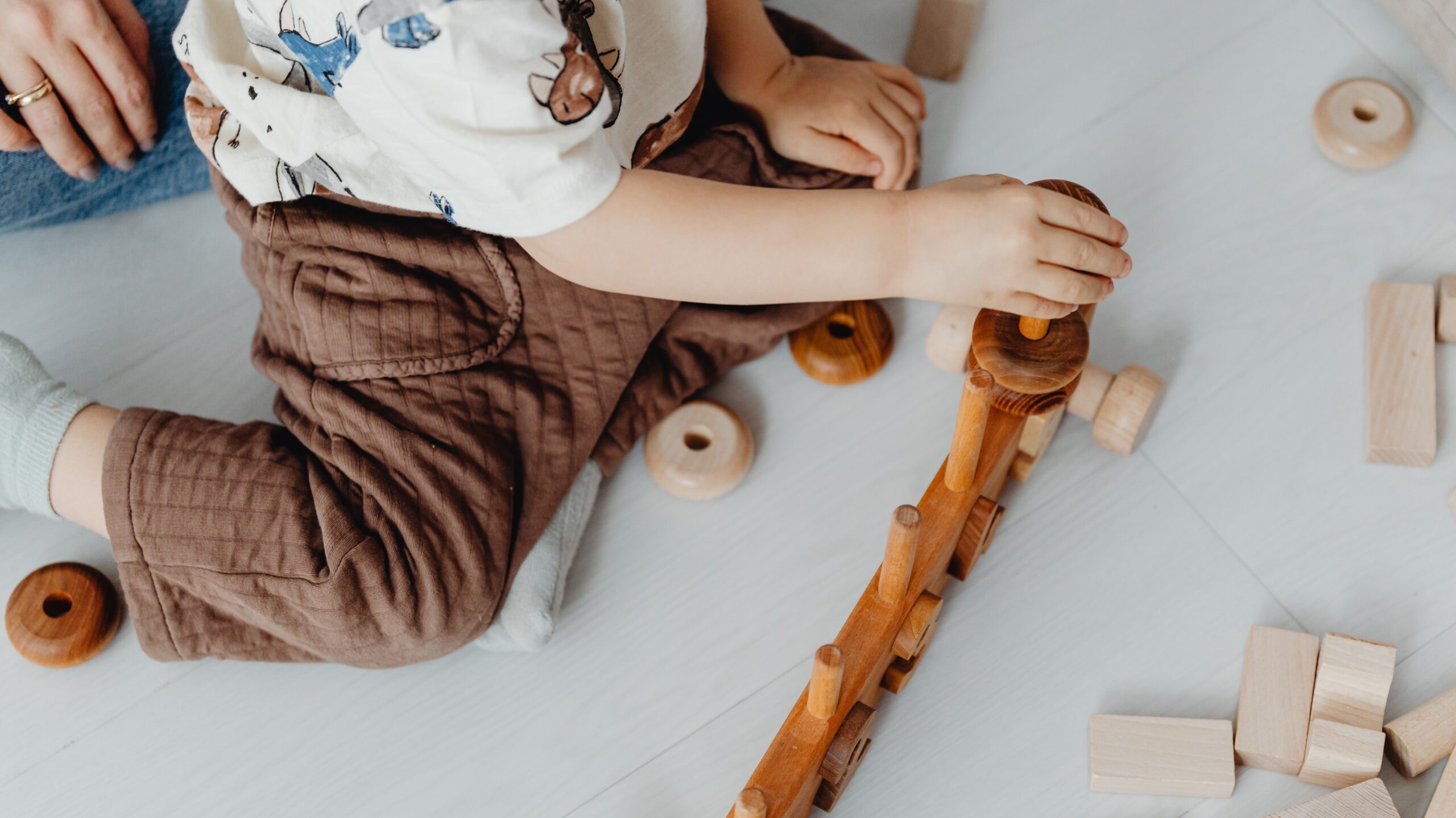
- Give crayons, chunky pencils, or washable markers
- Provide large sheets of paper
- Encourage free scribbling first
Then gently guide:
- Draw straight lines
- Draw circles
- Try zig-zag lines
- Copy simple strokes
🧠 What Kids Learn
- Grip development
- Pre-writing skills
- Hand control
- Creativity
⭐ Easy Level
Free scribbling only.
🚀 Next Challenge
Draw simple shapes like sun, ball, or lines between two points.
🧲 Fine Motor Activity 7: Sticker Peel Challenge
🎯 Mission of the Day
Can small fingers peel and place stickers carefully?
🧺 How to Set It Up
- Use easy-peel stickers
- Draw simple shapes or lines on paper
- Ask your child to place stickers inside shapes
You can also let them decorate freely.
🧠 What Kids Learn
- Pincer grasp strength
- Finger independence
- Precision
- Visual planning
⭐ Easy Level
Use large stickers that peel easily.
🚀 Next Challenge
Create a simple sticker pattern or picture (face, flower, etc.).
🧺 Fine Motor Activity 8: Kitchen Helper Tasks
🎯 Mission of the Day
Can your child help with safe household tasks?
🧺 How to Set It Up
Let your toddler participate in simple activities like:
- Transferring spoons into a container
- Pouring water between cups
- Picking up clothespins
- Sorting toys into boxes
- Wiping a small table
Make it feel like a “helper mission.”
🧠 What Kids Learn
- Grip strength
- Coordination
- Independence
- Responsibility
⭐ Easy Level
One simple task at a time.
🚀 Next Challenge
Turn it into a sorting game (colors, sizes, or types).
🧠 Why These Tiny Movements Matter So Much
At age 2, every small hand movement is building future academic and life skills.
These activities strengthen:
- Writing control
- Buttoning clothes
- Eating independently
- Using scissors later
- Holding tools properly
The more children practice in playful ways, the more confident they become in everyday tasks.
No pressure is needed—just repetition and encouragement.
🌟 Parent Observation Guide
You may notice progress when your child:
- Uses thumb and finger more often
- Tries to copy lines or shapes
- Shows interest in small objects
- Becomes more patient with tasks
- Asks to “do it myself”
These are all strong developmental signs.
🧩 Fine Motor Growth Tracker
Celebrate these milestones:
✔ Holding crayons better
✔ Picking small objects
✔ Turning pages independently
✔ Threading or stacking items
✔ Showing better control in play
Each small step matters more than speed.
❓ Frequently Asked Questions
How long should fine motor activities last?
For 2-year-olds, 10–15 minutes is enough. Short, repeated play sessions are more effective than long activities.
What if my child cannot do these tasks properly?
That is completely normal. At age 2, skills are still developing. The goal is exposure, not perfection.
Do I need special toys?
No. Everyday items like paper, spoons, clothespins, beads, and crayons work perfectly.
How often should we do these activities?
A little daily practice is best. Even 10 minutes of fine motor play each day makes a big difference over time.
My child loses interest quickly. What should I do?
Switch activities often, keep them playful, and avoid pressure. Let your child lead the pace.
🌈 Final Thoughts
Fine motor skills are not built overnight.
They grow slowly through small, repeated actions:
- A child tearing paper
- Dropping beads into a bottle
- Scribbling with crayons
- Peeling a sticker carefully
- Helping in the kitchen
These simple moments are actually powerful learning experiences.
Your child is not just playing.
They are building the foundation for writing, independence, and confidence.
So keep it light, keep it fun, and let those tiny hands explore freely.
Because every small movement today becomes a big skill tomorrow.
References
- American Academy of Pediatrics (AAP)
- Zero to Three Early Development Guidelines
- National Association for the Education of Young Children (NAEYC)
- CDC Developmental Milestones
- Child Mind Institute Early Childhood Development Resources
Continue Exploring on NatureNestia
- Sensory Activities for Babies at Home
- Pre-Writing Activities for Preschoolers
- Montessori Activities for Toddlers
- Gross Motor Activities for Toddlers
- Activities for Babies at Home
- Make Learning Fun for Kids

Aina Arif is a mother of two young children and the founder of NatureNestia. Based in Pakistan, she spent three years as an early childhood educator before becoming a full-time parent and writer. She writes about learning through play, managing difficult behaviour, and building strong family bonds.
Pingback: Fun Math Games for Kids at Home: Make Numbers Exciting! - Nature Nestia
Pingback: Easy Science Experiments for Kids at Home: Learn While Having Fun! - Nature Nestia
Pingback: Outdoor Learning Activities for Kids: Take Education Beyond the Classroom! - Nature Nestia
Pingback: 20 Best Sensory Activities for 1 Year Olds at Home (Easy & Safe) - Nature Nestia