Reading and Writing Activities are among the most powerful ways to help children build confidence, improve communication, and develop a lifelong love of learning. Whether your child is just beginning to recognize letters or already enjoys reading chapter books, the right activities can transform learning into an exciting adventure. Every story you read together, every word game you play, and every sentence your child writes creates another step toward stronger literacy skills.
Today’s children have many distractions, yet simple daily habits still make the biggest difference. Parents don’t need expensive programs or complicated lesson plans to support learning. A few minutes of reading, storytelling, drawing, or writing every day can significantly improve vocabulary, imagination, and problem-solving abilities. These activities also strengthen family relationships because children learn best when they feel supported and encouraged.
This guide explores the best Reading and Writing Activities for children from birth through elementary school. You’ll discover practical ideas, expert-backed strategies, and engaging activities that improve literacy while keeping learning enjoyable. Whether you homeschool, support classroom learning, or simply want meaningful ways to spend time together, these ideas will help your child grow into a confident reader and writer.
Why Reading and Writing Activities Are Important for Kids
How Daily Reading and Writing Activities Strengthen Learning, Confidence, and Communication
Children learn language long before they read their first book. Every conversation, bedtime story, nursery rhyme, and playful question builds the foundation for future learning. Consistent literacy activities for children encourage curiosity while strengthening listening, speaking, reading, and writing. These everyday experiences prepare children for success in school and beyond.
Reading introduces children to thousands of new words they may never hear during normal conversations. As vocabulary grows, children understand ideas more easily and express themselves with greater confidence. Regular vocabulary building activities also improve thinking skills because children learn how words connect with feelings, actions, and experiences.
Writing strengthens the brain in a different but equally important way. When children organize their thoughts into sentences, they practice planning, sequencing, and problem-solving. Even simple drawing and labeling pictures contribute to writing activities for kids because they encourage children to connect spoken language with written words.
Parents often wonder how to improve a child’s reading skills without making learning feel like homework. The answer is surprisingly simple. Children learn best through enjoyable experiences. Reading bedtime stories, singing songs, playing word games, and talking about everyday events all build strong literacy foundations naturally.
Research continues to show that children who participate in regular reading and writing activities develop stronger academic skills throughout elementary school. They often become better communicators, more creative thinkers, and more confident learners. These benefits extend beyond language arts because strong readers usually perform better in science, mathematics, and social studies.
| Benefit | How It Helps Children |
|---|---|
| Better Vocabulary | Understands and uses new words confidently |
| Stronger Communication | Expresses ideas clearly in speaking and writing |
| Improved Memory | Remembers information more effectively |
| Better Problem Solving | Thinks critically and analyzes situations |
| Greater Creativity | Imagines stories and develops original ideas |
| Higher Confidence | Participates actively in learning |
Another overlooked advantage involves emotional growth. Stories introduce children to different cultures, emotions, and life situations. Reading about characters teaches empathy while helping children understand their own feelings. These experiences support children’s literacy development and emotional intelligence at the same time.
Teachers across the United States consistently recommend family reading activities because learning continues long after school ends. A child who regularly reads with parents often develops stronger reading habits than one who only reads in the classroom. Creating enjoyable reading moments at home sends a powerful message that books are valuable and enjoyable rather than simply another school assignment.
Reading and Writing Milestones by Age
What Reading and Writing Skills Children Typically Develop from Birth Through Grade 6
Every child develops differently, yet most children follow similar literacy milestones as they grow. Understanding these stages helps parents choose age-appropriate activities while avoiding unrealistic expectations. Instead of comparing children with classmates, focus on steady progress and consistent encouragement.
During infancy, babies begin recognizing voices, sounds, facial expressions, and picture books. Although they cannot read words, they already develop early literacy skills through songs, conversations, and repeated stories. Listening carefully helps babies recognize language patterns that later support reading.
Toddlers usually enjoy pointing to pictures, repeating familiar words, and pretending to read books. This stage introduces reading readiness skills that prepare children for recognizing letters and sounds. Parents can strengthen learning by asking simple questions and encouraging children to describe what they see.
Preschool children become fascinated by letters, numbers, rhymes, and simple words. Activities like alphabet learning games, phonics activities, and letter recognition activities build important foundations before formal reading instruction begins. Drawing pictures and attempting to write names also become exciting milestones during these years.
Kindergarten marks a major transition. Children begin connecting letters with sounds while reading simple sentences independently. Daily kindergarten literacy activities and reading practice at home reinforce classroom learning. Short reading sessions often produce better results than long study periods because young children maintain attention more easily.
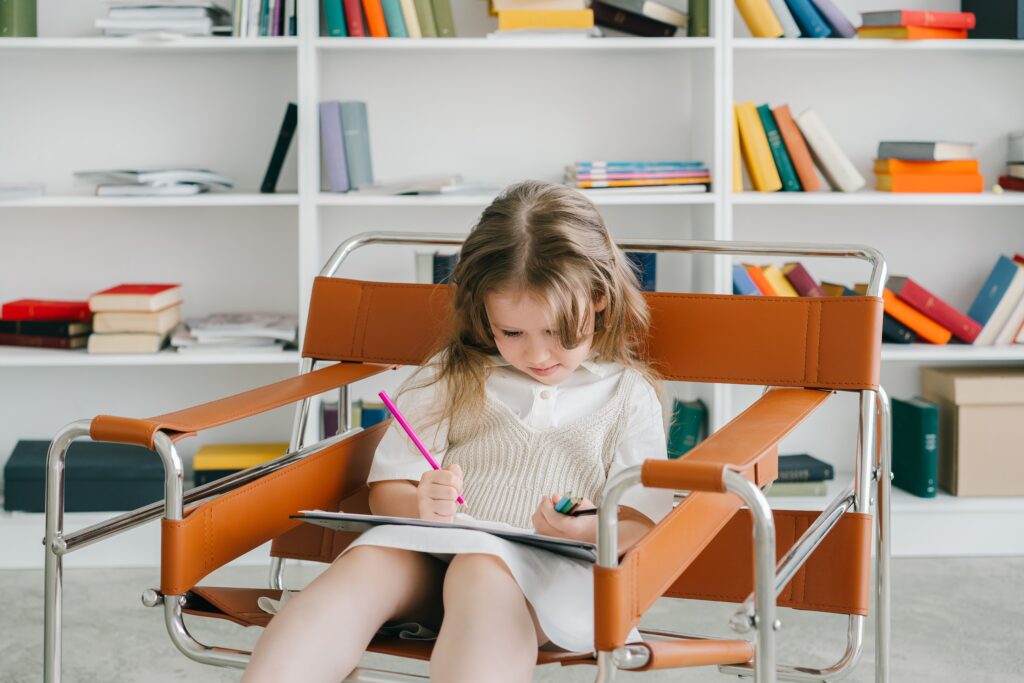
Elementary school children gradually move from learning to read toward reading to learn. During Grades 1 through 3, children improve fluency, comprehension, spelling, and writing organization. Regular reading fluency activities combined with reading comprehension activities help children understand increasingly challenging books while developing confidence.
Older elementary students enjoy longer stories, chapter books, research projects, and creative writing. They begin evaluating information, comparing ideas, and supporting opinions with evidence. Activities such as journals, book reports, and creative writing for kids encourage deeper thinking while expanding language skills.
The table below summarizes common literacy milestones by age.
| Age Group | Typical Literacy Development | Recommended Activities |
|---|---|---|
| Birth–2 Years | Listening, sounds, picture recognition | Songs, board books, storytelling |
| Ages 3–5 | Letter recognition, rhyming, simple writing | Preschool reading activities, alphabet games |
| Kindergarten | Reading simple books, writing short sentences | Beginner reading activities, phonics practice |
| Grades 1–2 | Reading independently, spelling, comprehension | Reading games for kids, journals |
| Grades 3–6 | Reading fluently, creative writing, research | Projects, book discussions, vocabulary challenges |
Parents sometimes worry when their child develops more slowly than expected. Small differences are completely normal. The most important goal is maintaining enthusiasm for learning. Positive encouragement creates stronger results than pressure because children learn best when they feel confident rather than anxious.
Building a literacy-rich home environment does not require an expensive library. A small collection of books, regular conversations, library visits, and consistent reading routines often provide everything children need to succeed. These daily experiences support child development through reading while making literacy a natural part of family life.
Reading milestones should always remain flexible because every child learns at a unique pace. Some children read early while others become excellent readers later. Consistency matters much more than speed. Daily encouragement, patience, and enjoyable parent-child learning activities help children build lifelong reading habits that continue well beyond elementary school.
Reading and Writing Activities for Babies and Preschoolers (Activities 1–7)
The first five years of a child’s life are the foundation for future learning. During this period, the brain develops rapidly, making it the perfect time to introduce Reading and Writing Activities through play, conversation, music, and stories. Young children do not need formal lessons to become successful readers. Instead, they need warm interactions, exciting books, and opportunities to explore language every day. These simple experiences strengthen language development activities while building confidence and curiosity.
Parents often ask whether toddlers are too young for literacy activities. The answer is no. Every smile during story time, every nursery rhyme, and every conversation teaches valuable language skills. The goal is not to teach children to read immediately. Instead, it is to develop reading readiness skills, encourage imagination, and create positive associations with books. When learning feels like fun, children naturally become eager readers.
Books and Babies
Books introduce babies to sounds, pictures, and emotions long before they understand words. Reading aloud every day helps babies recognize familiar voices while developing listening abilities. Board books with colorful illustrations, simple words, and touch-and-feel pages encourage exploration. These early book-based activities become the first step toward lifelong literacy.
Experts recommend reading to babies from birth because repeated exposure to language strengthens brain connections. Point to pictures, name objects, and allow your baby to touch the pages. This simple habit supports early childhood education, encourages eye contact, and develops attention skills while making reading a comforting family routine.
Tot Talk
Every conversation becomes a learning opportunity for toddlers. Talk while cooking dinner, folding laundry, or taking a walk outside. Describe colors, shapes, sounds, and actions using clear language. These daily conversations naturally improve vocabulary without feeling like lessons.
Instead of asking questions that require only “yes” or “no” answers, encourage children to explain what they see. Questions such as “What do you think will happen next?” or “Why is the bird flying?” stimulate thinking and improve language learning games through natural conversation. This approach also supports literacy development in children.
Repetition & Rhyme
Children love hearing the same story repeatedly because repetition helps them recognize patterns and predict words. Familiar books become comforting while strengthening memory and language understanding. Nursery rhymes also introduce rhythm, sound patterns, and pronunciation naturally.
Simple rhyming games improve phonics activities because children begin recognizing similar sounds. Songs like “Twinkle, Twinkle, Little Star” and “Humpty Dumpty” remain popular because they combine music, rhythm, and repetition into enjoyable learning experiences. These activities strengthen phonemic awareness activities while making language memorable.
Poetry
Poetry introduces children to expressive language through rhythm and imagination. Short poems encourage children to listen carefully while learning how words create pictures and emotions. Reading poems aloud also improves pronunciation and confidence.
Parents can invite children to clap during rhyming words or act out favorite poems together. These enjoyable moments become fun educational activities that encourage creativity while improving listening skills. Poetry also supports reading aloud activities because children learn to change their voices for expression and emotion.
Story Talk
Reading a story is only the beginning. Talking about the story afterward helps children understand characters, settings, and events more deeply. Asking thoughtful questions encourages children to think beyond the printed words while developing comprehension skills.
Questions such as “Why do you think the character felt sad?” or “What would you do differently?” strengthen reading comprehension activities while encouraging critical thinking. These conversations also become valuable interactive reading ideas because children actively participate instead of simply listening.
Storytelling
Children naturally enjoy making up stories. Encourage them to invent adventures about animals, superheroes, or family experiences. Storytelling develops imagination while helping children organize ideas into a logical sequence.
Parents can begin a story and allow children to finish it using their own ideas. This simple activity supports storytelling for children, improves speaking confidence, and lays the foundation for creative writing for kids later in elementary school.
Educational TV
Not all screen time is harmful. Carefully selected educational programs can reinforce literacy concepts when parents watch together and discuss what they see. Quality programs often introduce letters, sounds, vocabulary, and storytelling in engaging ways.
The real learning happens after the program ends. Ask your child to describe favorite characters, retell the story, or draw a picture about what they watched. These follow-up conversations transform television into meaningful educational activities for children while limiting passive viewing.
Daily Literacy Routine for Babies and Preschoolers
A predictable routine helps children understand that reading is part of everyday life. Even fifteen to twenty minutes of shared reading each day creates lasting benefits. Consistency matters much more than the length of each session.
| Daily Activity | Learning Benefit |
|---|---|
| Morning Story Time | Builds listening and attention |
| Alphabet Songs | Improves letter recognition |
| Picture Book Reading | Expands vocabulary |
| Nursery Rhymes | Develops phonemic awareness |
| Drawing and Scribbling | Encourages early writing |
| Bedtime Stories | Strengthens comprehension and imagination |
Parents should remember that every child develops differently. Some children speak early, while others spend more time observing before participating. Patience, encouragement, and enjoyable educational games for preschoolers create the strongest learning environment. Rather than focusing on perfect reading, celebrate every small success because confidence fuels future achievement.
Literacy Activities for Preschoolers and Early Elementary Kids (Activities 8–13)
As children enter preschool and elementary school, their literacy journey becomes even more exciting. They begin recognizing words, reading short sentences, and expressing ideas through writing. This stage is ideal for introducing more structured Reading and Writing Activities while keeping learning enjoyable. Children who participate in engaging literacy experiences often develop stronger academic skills and greater confidence in the classroom.
Learning should never feel repetitive or stressful. Instead, parents can turn ordinary daily routines into opportunities for literacy growth. Writing grocery lists, reading signs during a walk, or sending simple letters to family members all strengthen literacy naturally. These practical experiences encourage independence while making reading and writing meaningful.
World of Words
Children become curious about printed words when they see them everywhere. Label household objects such as chairs, tables, windows, and doors. Reading these labels daily helps children connect spoken language with written words while expanding vocabulary.
Creating a word wall at home introduces new vocabulary every week. Encourage children to use these words in conversations or simple sentences. This enjoyable activity supports activities to build vocabulary, improves reading and spelling activities, and strengthens long-term word recognition.
Writing Practice
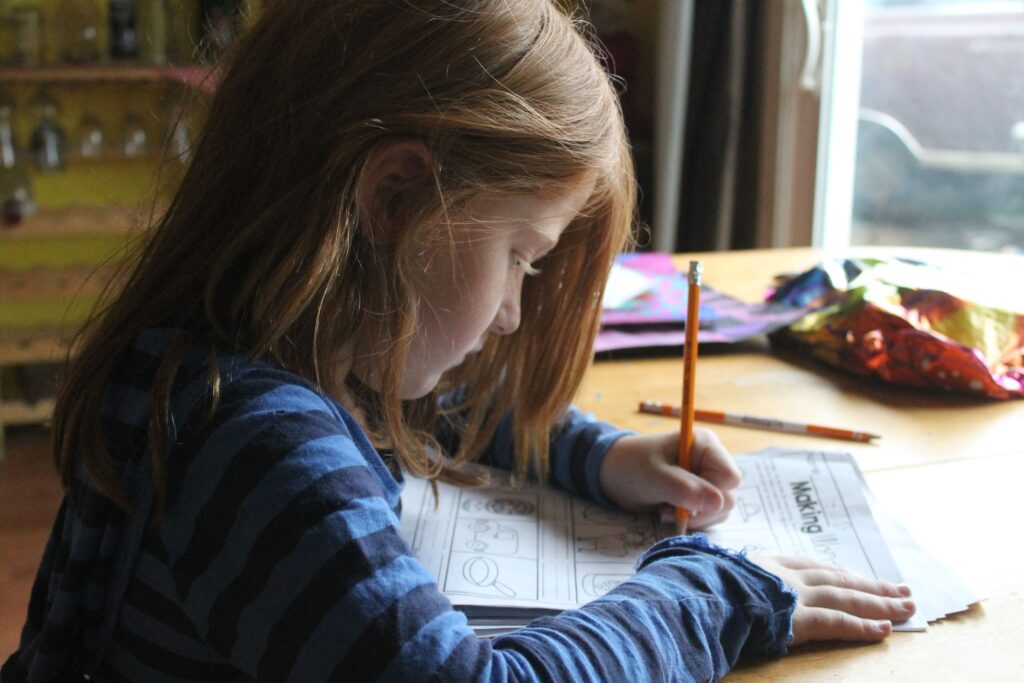
Writing begins with drawing shapes, tracing letters, and practicing names. Over time, children learn to create complete sentences and short stories. Daily writing practice for children develops fine motor skills while improving sentence structure and creativity.
Parents can provide journals, colorful pencils, or dry-erase boards to make writing enjoyable. Even writing shopping lists or thank-you notes contributes to literacy growth. These simple writing activities for children encourage children to express thoughts confidently while developing handwriting accuracy.
Book Selection
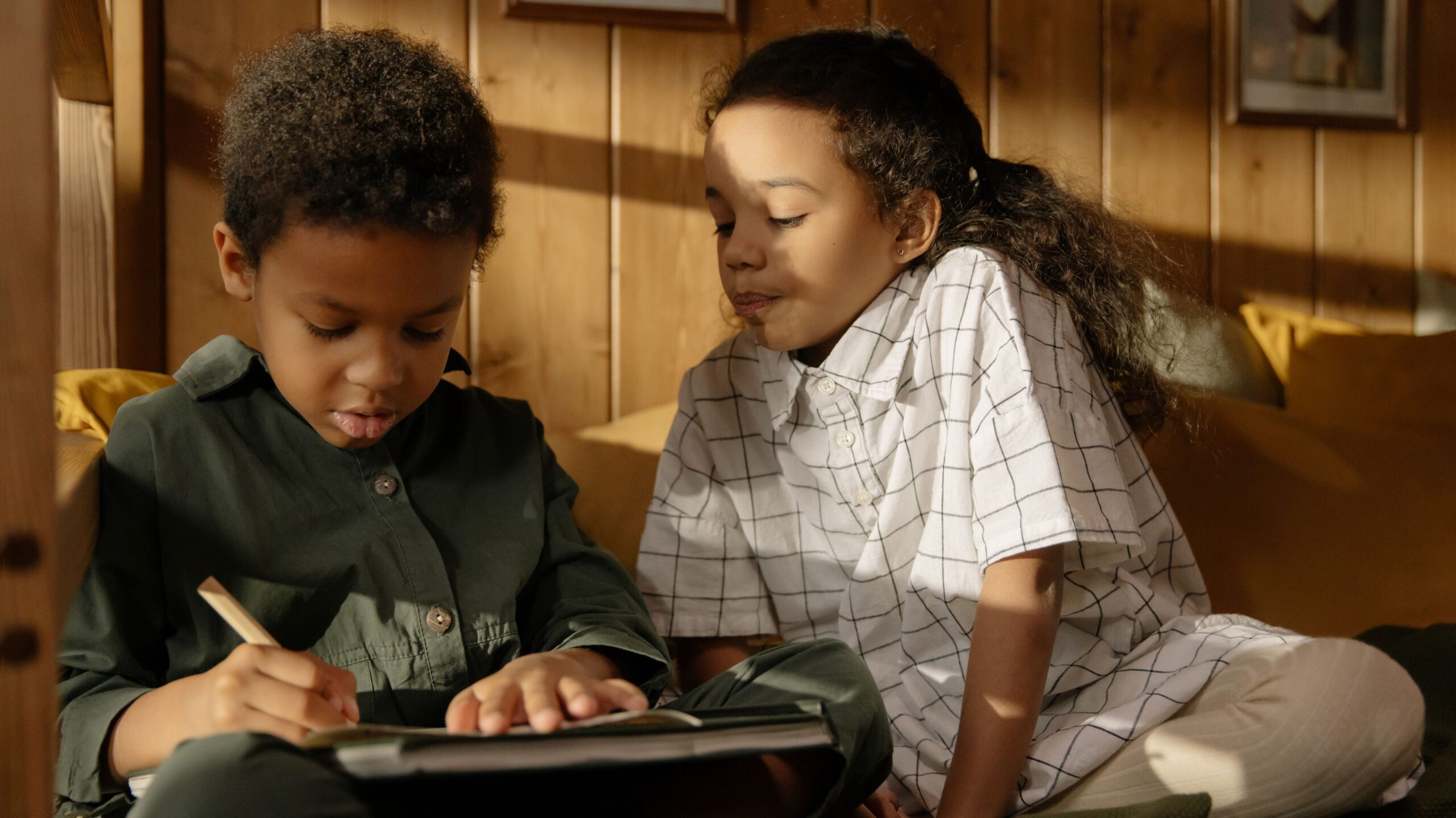
Allowing children to choose their own books creates excitement and ownership. Some children enjoy animals, while others prefer adventure, science, or fairy tales. Personal interests increase motivation because children naturally spend more time reading topics they love.
Visiting the local library introduces children to thousands of books while teaching responsibility. Librarians also recommend excellent books for early readers based on reading level and interests. Regular library visits support reading motivation for children and encourage lifelong reading habits.
Read Together
Shared reading remains one of the most effective ways to improve literacy. Parents can take turns reading pages while discussing unfamiliar words and interesting ideas. This interactive approach builds confidence because children receive immediate support when needed.
Reading together also strengthens family relationships. Children enjoy spending time with parents while practicing pronunciation and fluency. These family literacy activities encourage meaningful conversations and provide valuable reading aloud benefits that improve comprehension and vocabulary.
Family Stories
Every family has stories worth sharing. Ask grandparents about their childhood, favorite games, or memorable holidays. Encourage your child to write or draw these memories in a notebook. These meaningful conversations strengthen parent-child learning activities while teaching children that every family history has value and every story deserves to be remembered.
Creating a family memory book also builds stronger writing skills. Children learn how to organize events in order while practicing descriptive language. These personal experiences support storytelling activities for children, encourage emotional expression, and help children understand that writing preserves important moments for future generations.

Letter Writing
Although digital communication is common today, handwritten letters remain a wonderful literacy activity. Encourage children to write birthday cards, thank-you notes, postcards, or friendly letters to relatives. These simple exercises improve grammar, sentence structure, and confidence while making writing meaningful.
Letter writing also teaches children about purpose and audience. They begin choosing words carefully because someone else will read their message. These enjoyable activities improve writing games for elementary students, strengthen communication skills, and encourage children to use writing in everyday life rather than only for school assignments.
Advanced Reading and Writing Activities for Grades 3–6 (Activities 14–25)
As children enter upper elementary school, they move beyond learning basic reading skills and begin reading to discover new ideas. Their vocabulary expands quickly, their writing becomes more detailed, and they develop stronger critical thinking abilities. At this stage, Reading and Writing Activities should encourage creativity, independence, and deeper understanding rather than simple memorization.
Parents and teachers should gradually introduce more challenging activities while keeping learning enjoyable. Projects, discussions, journals, and research activities encourage children to think independently. These experiences improve academic performance while preparing students for middle school and lifelong learning.
Creative Writing
Creative writing allows children to transform imagination into words. They can invent fantasy worlds, mystery stories, adventures, or humorous tales. These writing experiences improve sentence structure while encouraging original thinking and self-expression.
Using writing prompts for kids helps children begin writing when they cannot think of an idea. Encourage them to describe imaginary places, create superheroes, or rewrite fairy tales with different endings. These engaging exercises strengthen creative literacy activities while making writing enjoyable instead of stressful.
Dictionary Games
A dictionary is much more than a spelling tool. It introduces children to new vocabulary, pronunciation, word origins, and meanings. Regular dictionary practice develops curiosity while encouraging children to explore unfamiliar words independently.
Parents can create a “Word of the Week” challenge. Each week, children learn a new word, write its definition, and use it in conversations. These enjoyable vocabulary building activities improve communication while increasing confidence during reading and writing.
Journals
Keeping a journal encourages children to write freely without worrying about grades or perfect spelling. Daily journals help children organize thoughts, describe experiences, and express emotions honestly. Over time, journal writing strengthens grammar, vocabulary, and creativity.
Children can write about school events, vacations, favorite books, or future dreams. This habit improves writing practice for children while encouraging reflection and independent thinking. Journals also become treasured memories that children enjoy reading years later.
Reading Projects
Reading projects help children think beyond the story itself. Instead of simply finishing a book, they analyze characters, summarize chapters, predict endings, and compare different stories. These projects improve comprehension while encouraging deeper thinking.
Book reviews, character interviews, and reading journals are excellent reading challenges for kids because they require children to explain ideas using their own words. These projects also support improve reading comprehension by encouraging active rather than passive reading.
Shopping Lists
A grocery trip becomes a valuable literacy lesson when children help prepare shopping lists. Writing product names, reading labels, comparing prices, and checking items off the list all reinforce practical reading and writing skills.
Children also practice spelling, organization, and planning while learning everyday vocabulary. These practical experiences demonstrate that reading and writing are useful life skills rather than subjects used only inside classrooms.
Maps
Reading maps teaches much more than geography. Children learn to follow directions, understand symbols, recognize landmarks, and interpret information visually. These activities strengthen observation skills while expanding vocabulary related to locations and travel.
Parents can organize an indoor treasure hunt using simple maps or clues. These exciting activities combine problem-solving with literacy, making learning active and memorable while encouraging teamwork and communication.
Newspapers
Newspapers expose children to current events, informational writing, and real-world vocabulary. Reading short articles together helps children distinguish between facts and opinions while encouraging thoughtful discussions about community and world events.
Children can also write their own newspaper featuring family news, pet stories, weather reports, or school events. This enjoyable project combines reading, research, and writing while developing creativity and organizational skills.
TV Learning
Educational documentaries and learning programs can support literacy when parents remain involved. Watching together allows families to discuss unfamiliar words, summarize important information, and connect television topics with books or classroom learning.
Encourage children to write short summaries after watching educational programs. This simple activity strengthens comprehension while helping children organize ideas logically. Television becomes more meaningful when it inspires reading rather than replacing it.

Bonus Literacy Activities
Children often learn best through play. Activities such as crossword puzzles, word searches, board games, spelling races, and readers’ theater provide valuable literacy practice without feeling like traditional lessons. These experiences improve reading fluency while encouraging teamwork and confidence.
Technology can also support learning when used wisely. Interactive educational websites, digital libraries, and printable worksheets provide additional opportunities for reading and writing games, printable reading activities, and homeschool literacy activities. Parents should balance digital resources with physical books to create a well-rounded learning experience.
| Activity | Main Skill Developed | Recommended Age |
|---|---|---|
| Creative Writing | Imagination and sentence structure | Grades 3–6 |
| Dictionary Games | Vocabulary growth | Grades 2–6 |
| Journals | Writing confidence | Grades 2–6 |
| Reading Projects | Comprehension | Grades 3–6 |
| Shopping Lists | Functional literacy | All ages |
| Map Reading | Critical thinking | Grades 3–6 |
| Newspaper Activities | Informational reading | Grades 3–6 |
| Educational TV | Listening and summarizing | All ages |
Reading and writing become lifelong habits when children enjoy the learning process. Instead of measuring success only through test scores, celebrate curiosity, creativity, and steady improvement. Every story read, every journal completed, and every conversation shared helps children become thoughtful readers, confident writers, and enthusiastic lifelong learners.
Tips to Make Reading and Writing Fun Every Day
Children learn best when reading and writing become part of everyday life instead of feeling like schoolwork. Small daily habits often produce better results than long study sessions because children remain interested and motivated. Creating enjoyable Reading and Writing Activities at home helps children develop positive attitudes toward books while building confidence through regular practice. These simple routines also strengthen reading practice at home and encourage lifelong learning.
Parents do not need expensive learning materials to make literacy exciting. Everyday experiences such as reading recipes, writing shopping lists, playing word games, or discussing bedtime stories create meaningful learning opportunities. When children see adults reading and writing regularly, they naturally understand that literacy is an important part of daily life rather than just another classroom subject.
Build Daily Habits That Make Literacy Feel Like Play
A consistent daily routine encourages children to read without being reminded repeatedly. Reading together after dinner, visiting the library every weekend, or spending fifteen minutes writing in a journal can become enjoyable family traditions. These small habits improve daily reading routine for kids while reducing learning pressure.
Children also enjoy making choices. Let children choose books based on their interests instead of selecting every title for them. Whether they enjoy dinosaurs, space, sports, fairy tales, or animals, personal interest increases motivation. This simple strategy supports reading motivation for children, encourages independent learning, and creates stronger reading habits over time.
| Simple Daily Habit | Literacy Benefit |
|---|---|
| Read before bedtime | Improves vocabulary and comprehension |
| Visit the library weekly | Encourages book exploration |
| Keep books in every room | Increases spontaneous reading |
| Write a short journal | Builds writing confidence |
| Play word games | Expands vocabulary |
| Read recipes together | Develops practical reading skills |
| Discuss stories | Strengthens comprehension |
Children also enjoy celebrating achievements. Praise effort rather than perfection because confidence encourages continued learning. Display stories on the refrigerator, celebrate finishing books, or create a family reading challenge. These enjoyable moments become memorable engaging educational activities that inspire children to continue learning every day.
Common Reading and Writing Mistakes Parents Should Avoid
Parents naturally want children to succeed, yet certain habits can unintentionally reduce confidence. Correcting every mistake immediately, comparing children with siblings, or forcing long reading sessions often creates frustration. Successful Reading and Writing Activities focus on encouragement rather than perfection because confident learners continue trying even when tasks become challenging.
Every child develops at a different pace. Some children become fluent readers early, while others need additional practice and patience. Comparing progress rarely motivates children. Instead, celebrate small improvements because steady progress builds stronger skills than constant pressure. A positive learning environment supports long-term literacy success.
Simple Changes That Help Children Enjoy Learning More
One common mistake is treating reading only as homework. Children should also experience books as entertainment, adventure, and discovery. Reading comics, magazines, recipes, and informational books all contribute to literacy. Offering variety encourages curiosity while strengthening reading confidence for kids.
Another mistake involves relying too heavily on screens without interaction. Educational technology can be helpful, yet children benefit most when parents participate. Reading together, asking questions, and discussing stories create meaningful conversations that improve activities to encourage reading at home while strengthening family relationships.
| Common Mistake | Better Approach |
|---|---|
| Forcing long reading sessions | Read shorter books more often |
| Correcting every error | Praise effort first, then guide gently |
| Comparing children | Focus on personal progress |
| Ignoring interests | Choose books children enjoy |
| Reading only for school | Read for fun every day |
| Too much passive screen time | Balance screens with books and discussion |
Parents should also remember that mistakes are a natural part of learning. Every spelling error, unfinished sentence, or difficult word provides another opportunity to grow. Encouragement, patience, and consistency help children become resilient learners who enjoy reading and writing throughout their lives.
Frequently Asked Questions About Reading and Writing Activities
Parents often have questions about supporting literacy at home. Understanding the basics helps families create enjoyable learning experiences without unnecessary stress. The following answers address some of the most common concerns about Reading and Writing Activities for children.
Consistent practice remains more valuable than perfect lessons. Even ten to twenty minutes of reading every day can make a noticeable difference over time. The goal is to create enjoyable routines that children look forward to instead of avoiding.
Answers to the Most Common Parent Questions
What are the best Reading and Writing Activities for young children?
The best activities include reading aloud, storytelling, journaling, drawing and labeling pictures, alphabet games, rhyming songs, and family conversations. These experiences strengthen language while keeping learning enjoyable.
At what age should children begin reading activities?
Reading activities can begin at birth. Babies benefit from hearing voices, looking at colorful books, and listening to songs. Early exposure develops listening skills and prepares children for future reading success.
How long should children read every day?
Most experts recommend at least 15 to 20 minutes of daily reading. Consistency is more important than long study sessions because regular reading creates stronger habits.
How can I improve my child’s reading skills?
Read together daily, ask questions about stories, encourage independent reading, visit libraries regularly, and make books easily available at home. These simple habits gradually improve comprehension, vocabulary, and fluency.
Are educational games helpful?
Yes. Word puzzles, board games, alphabet activities, and storytelling games make learning enjoyable while improving literacy. Interactive learning keeps children engaged and motivated.
Should children read printed books or digital books?
Both formats offer benefits. Printed books encourage focused reading, while quality digital resources provide interactive learning opportunities. A balanced approach often works best.
Final Thoughts: Building Lifelong Readers and Writers
Helping children become confident readers and writers does not require expensive programs or complicated teaching methods. Small daily habits, meaningful conversations, and enjoyable Reading and Writing Activities create powerful learning experiences that last a lifetime. Every bedtime story, handwritten note, family discussion, and library visit strengthens literacy while building confidence, curiosity, and imagination.
The greatest gift parents and teachers can offer is a genuine love for learning. Children who grow up surrounded by books, encouragement, and positive learning experiences often become independent readers, thoughtful writers, and lifelong learners. By making literacy a natural part of everyday life, you help your child build the communication, creativity, and critical thinking skills needed for future success in school and beyond.
“A child who learns to love reading today gains a lifetime of knowledge tomorrow.”

Aina Arif is a mother of two young children and the founder of NatureNestia. Based in Pakistan, she spent three years as an early childhood educator before becoming a full-time parent and writer. She writes about learning through play, managing difficult behaviour, and building strong family bonds.