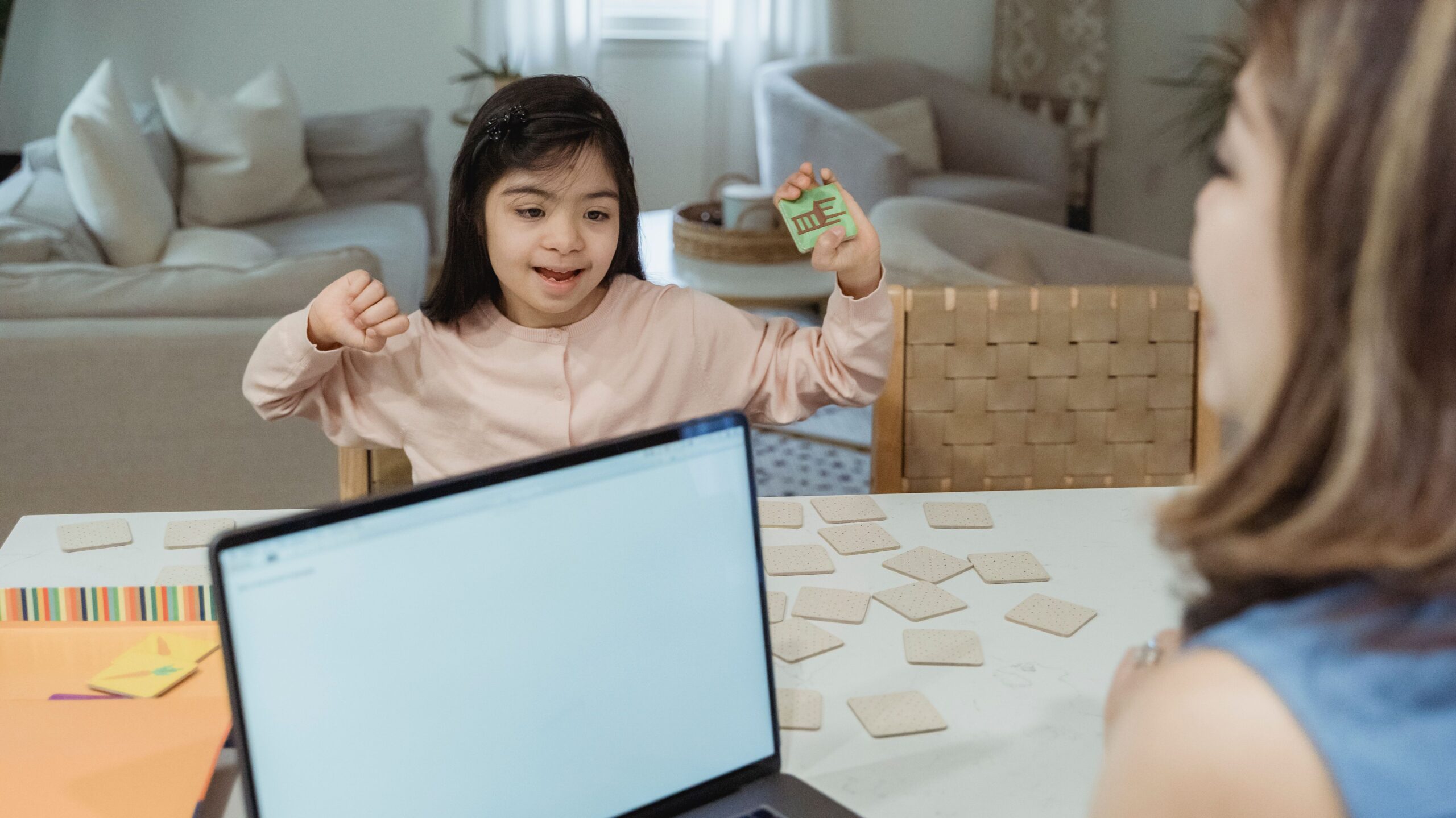
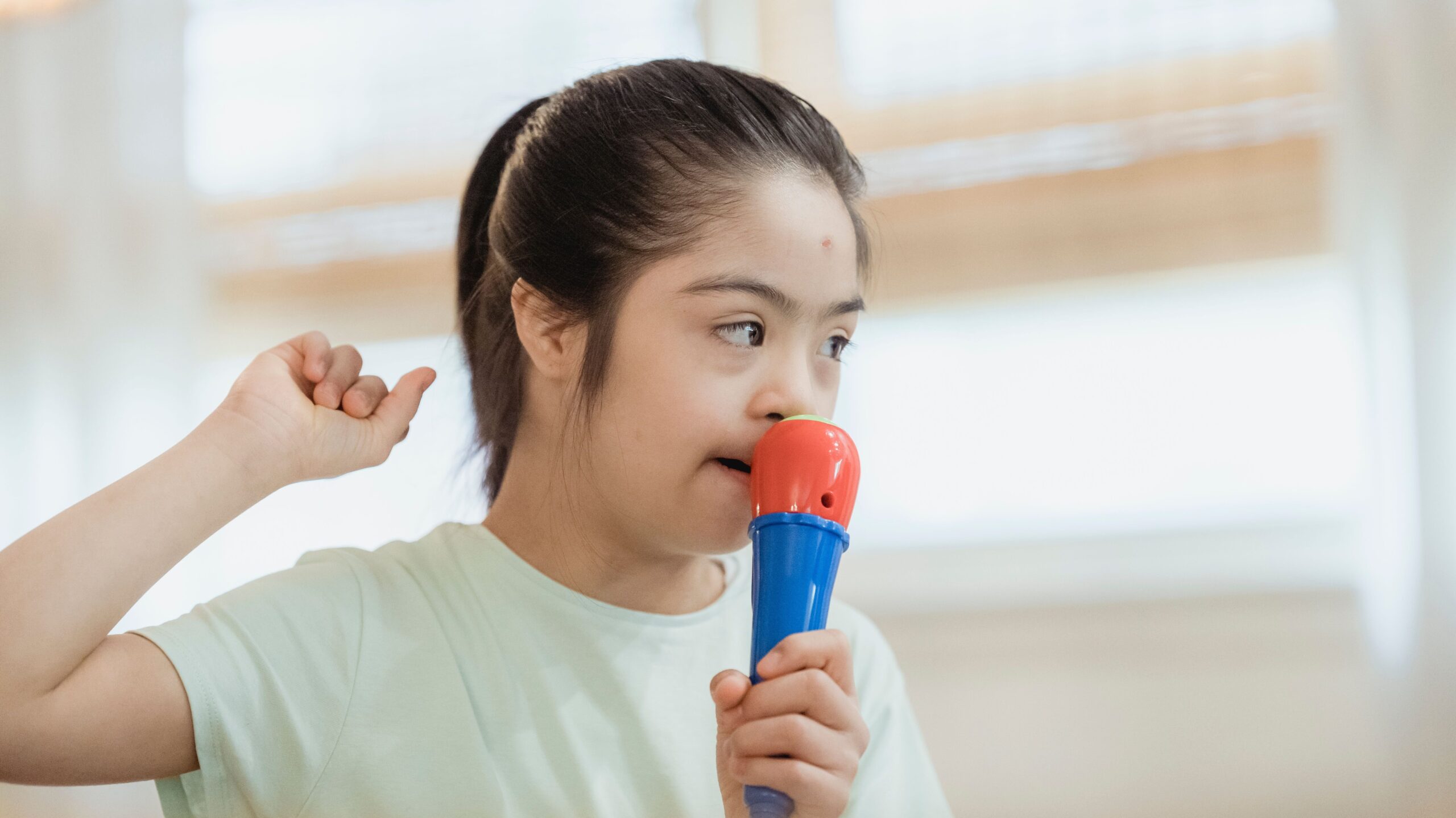
Children with special needs learn in unique and wonderful ways. Every child has different strengths, interests, and abilities, so learning activities should be flexible, enjoyable, and meaningful. The best learning activities for kids with special needs encourage children to explore, communicate, solve problems, and gain confidence at their own pace. Whether your child has autism, ADHD, Down syndrome, a learning disability, or a physical disability, the right activities can turn everyday moments into valuable learning experiences. In this guide, you’ll discover practical, engaging, and easy-to-use ideas that help children develop important life skills while making learning fun at home and in the classroom.
What Are Learning Activities for Kids with Special Needs?
Learning activities for children with special needs are carefully adapted experiences that match a child’s developmental level, learning style, and individual goals. Instead of expecting every child to learn the same way, these activities focus on building strengths while providing support in areas that need extra practice. They combine educational play, hands-on learning, and everyday experiences to help children develop essential academic, physical, and social skills.
These activities don’t have to be expensive or complicated. Many effective learning experiences use household items, recycled materials, simple toys, books, music, and outdoor exploration. The goal is to create a positive environment where children feel safe to explore, ask questions, make mistakes, and celebrate small successes. When learning feels enjoyable, children become more motivated and willing to try new challenges.
How Learning Activities Support Child Development
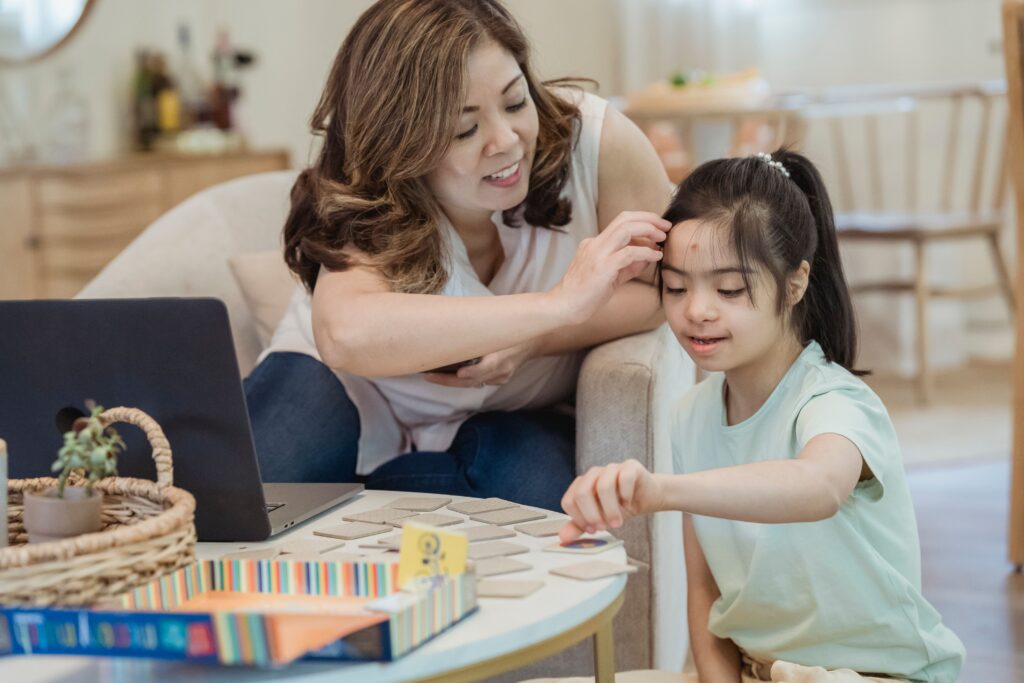
Every learning activity helps children strengthen different parts of their development. Matching games improve memory and concentration, while building blocks encourage problem-solving, planning, and creativity. Art projects help children express emotions, and movement games strengthen balance, coordination, and physical fitness. Each activity contributes to long-term brain development through repeated practice and positive experiences.
Children with special needs often benefit from visual supports, repetition, and predictable routines. For example, sorting colorful objects by shape and color teaches early math skills while improving fine motor skills and attention. Singing songs with actions improves language development and encourages communication skills. These small activities gradually build independence and confidence over time.
Learning Area
Skills Developed
Example Activity
Literacy
Letter recognition, vocabulary
Alphabet matching
Math
Counting, sorting, patterns
Color sorting games
Motor Skills
Hand strength, coordination
Playdough activities
Social Skills
Sharing, teamwork
Cooperative board games
Communication
Speaking, listening
Picture storytelling
Sensory Skills
Touch, sound, movement
Sensory bins
Benefits of Learning Activities for Kids with Special Needs
The right learning activities offer much more than academic progress. They help children become more independent, confident, and curious about the world around them. Every successful activity gives children an opportunity to practice new skills in a supportive environment without feeling pressured. Over time, these small achievements create lasting improvements in learning and daily life.
Parents and teachers also benefit because structured activities reduce frustration and make learning more enjoyable. Instead of focusing only on challenges, learning becomes an opportunity to celebrate strengths and encourage steady growth. Children who participate in regular educational activities often develop stronger routines, better focus, and greater enthusiasm for discovering new things.
Physical Benefits
Many learning activities naturally improve physical development. Threading beads, cutting paper, painting, stacking blocks, and using tweezers strengthen fine motor development, which supports writing, dressing, and self-care skills. Larger activities like obstacle courses, yoga, dancing, and ball games improve gross motor skills, balance, and coordination while encouraging healthy movement.
Physical activities also help children release energy, reduce stress, and improve body awareness. Even simple exercises such as stretching, jumping, or walking on a balance line promote physical exercise and contribute to a healthy childhood.
Cognitive and Educational Benefits
Hands-on learning encourages children to think, explore, and solve problems independently. Activities such as puzzles, matching games, simple science experiments, and building challenges strengthen critical thinking, cognitive development, and problem-solving skills. Instead of memorizing information, children learn by doing, which improves long-term understanding.
Visual schedules, picture cards, and interactive learning games also help children organize information more effectively. Repetition and positive reinforcement improve knowledge retention, while short, engaging lessons keep children motivated without becoming overwhelmed.
Social and Emotional Benefits
Learning activities provide opportunities for children to practice communication, cooperation, and emotional expression. Playing games with siblings, classmates, or parents teaches children how to share, take turns, and solve disagreements respectfully. These experiences build social skills, encourage teamwork, and strengthen positive relationships.
Creative activities such as drawing, storytelling, music, and pretend play also help children express feelings that may be difficult to describe with words. Celebrating each achievement, no matter how small, supports confidence, emotional development, and a positive attitude toward learning. As children experience success, they become more willing to explore new ideas and develop greater independence in everyday life.
Learning Activities for Children with Autism (ASD)
Children with autism often learn best through predictable routines, visual supports, and hands-on experiences. The most effective learning activities for kids with special needs are simple, structured, and based on the child’s interests. Instead of introducing many activities at once, focus on one skill at a time. This approach helps children feel comfortable while improving communication skills, cognitive development, and confidence. A calm learning environment with fewer distractions also allows children to stay focused for longer periods.
Many children with autism enjoy activities that involve patterns, sorting, building, or sensory exploration. Matching picture cards, completing simple puzzles, creating block towers, and using sensory bins encourage problem-solving, concentration, and independent learning. Visual schedules and reward charts can also reduce anxiety because children know what to expect throughout the activity.
Best Learning Activities for Children with Autism
Activities should encourage exploration while supporting language and social growth. Matching games help children recognize objects and improve visual memory. Picture storytelling develops vocabulary, while building with blocks encourages planning and creativity. Music activities with actions improve listening skills and body coordination. Sensory bins filled with rice, beans, or kinetic sand provide calming experiences that support fine motor skills and emotional regulation.
Parents can also introduce simple science experiments using water, ice, and floating objects. These activities teach cause and effect while encouraging curiosity. Keeping instructions short and giving plenty of praise after each success motivates children to continue learning.
Learning Activities for Children with ADHD
Children with ADHD often have plenty of energy and curiosity. Learning becomes easier when activities are short, interactive, and include movement. Instead of asking children to sit for long periods, combine lessons with games, physical activity, and hands-on projects. This keeps learning exciting while improving attention, memory, and problem-solving skills.
Breaking larger tasks into smaller steps helps children experience success more often. For example, instead of completing a long worksheet, ask them to solve five questions before taking a movement break. This simple strategy reduces frustration and encourages positive learning habits.
Active Learning Ideas for ADHD
Obstacle courses are excellent because they combine exercise with following directions. Alphabet treasure hunts encourage children to search for hidden letters around the room while practicing reading skills. Math hopscotch turns counting into a movement game, making learning more enjoyable. Dance breaks between lessons also improve focus and reduce restlessness while supporting physical exercise and gross motor skills.
Hands-on STEM challenges using recycled materials keep children engaged because they involve building, testing, and experimenting. Activities that require touching, moving, or creating are usually more effective than passive worksheets for children with ADHD.
Learning Activities for Children with Down Syndrome
Children with Down syndrome often learn best through repetition, visual examples, and practical experiences. Activities should focus on developing language, daily living skills, and early academic concepts while celebrating every achievement. Short, enjoyable lessons build confidence without causing unnecessary pressure.
Using picture cards, songs, and interactive games helps children remember new information. Repeating favorite activities throughout the week strengthens brain development, improves vocabulary, and encourages long-term learning. Positive encouragement plays a key role in helping children feel proud of their progress.
Practical Learning Activities
Sorting colorful objects by size or color teaches early math concepts while improving fine motor development. Reading simple picture books together strengthens language skills and encourages conversation. Cooking easy recipes allows children to practice counting, measuring, and following directions while building independence. Art activities such as painting, coloring, and clay modeling improve hand strength and support creativity.
Board games designed for young learners also teach patience, turn-taking, and social interaction. These enjoyable experiences encourage teamwork, strengthen social skills, and create meaningful opportunities for family learning.
Learning Activities for Children with Learning Disabilities
Children with learning disabilities benefit from lessons that use different teaching methods instead of relying only on reading or writing. Combining pictures, movement, sounds, and hands-on activities allows children to understand concepts more easily. Every child learns differently, so flexibility is more important than speed.
Parents and teachers should focus on progress rather than perfection. Small daily improvements often lead to significant long-term success. Giving children extra time to complete activities also reduces anxiety and builds confidence.
Multi-Sensory Learning Activities
Alphabet tracing in sand or shaving cream helps children remember letters through touch and movement. Number games using building blocks make math easier to understand because children can see and feel quantities. Story sequencing cards improve reading comprehension while encouraging logical thinking. Matching words with pictures strengthens vocabulary and supports active learning.
Simple memory games, puzzles, and educational apps used in moderation also improve focus and critical thinking. Mixing different learning styles keeps children interested while supporting their individual strengths.
Home Learning Tips for Parents
Creating a positive learning environment at home doesn’t require a dedicated classroom. A quiet corner with books, art supplies, educational toys, and comfortable seating is often enough. Keeping materials organized helps children know where everything belongs, making transitions between activities easier.
Establishing a daily routine also helps children feel secure. Try scheduling learning sessions at the same time each day, followed by free play or outdoor activities. Consistency reduces stress and helps children develop healthy learning habits. Celebrate effort instead of perfect results because encouragement builds confidence far more effectively than criticism.
Simple praise such as “You worked really hard today” or “I love how you kept trying” motivates children to continue learning. Parents should also participate in activities whenever possible because shared experiences strengthen family bonding while making learning enjoyable.
Creating a Special Needs Learning Routine
A predictable routine gives children a sense of stability and helps them understand what comes next. Begin each day with a visual schedule that includes learning time, movement breaks, snack time, creative activities, and relaxation. Children often become more cooperative when they know what to expect.
Keep learning sessions between 15 and 30 minutes, depending on your child’s age and attention span. Include regular breaks for stretching, dancing, or sensory play before moving to the next activity. Ending each session with a favorite game or story creates positive memories that encourage children to look forward to learning again.
Parent Tip: Every child learns differently. Focus on your child’s progress rather than comparing them with others. Consistent encouragement, patience, and enjoyable learning experiences often produce the greatest long-term success.
Educational Activities by Age Group
Every child learns differently, especially children with unique learning needs. Choosing activities based on age and developmental ability helps children stay motivated while reducing frustration. The best learning activities for kids with special needs focus on small achievements, enjoyable experiences, and consistent practice. Rather than comparing children to age-based milestones, parents and teachers should encourage steady progress while celebrating every success. Learning becomes more meaningful when activities match a child’s interests and abilities.
As children grow, their learning needs also change. Toddlers benefit from sensory exploration, preschoolers enjoy creative games, elementary students develop academic skills, and older children become ready for independent projects. Selecting age-appropriate activities strengthens confidence, supports brain development, and encourages a lifelong love of learning.
Toddlers (2–3 Years)
Toddlers learn through movement, exploration, and repetition. Simple activities like stacking blocks, rolling balls, matching colors, and playing with textured materials improve fine motor skills, coordination, and early communication. Reading picture books together and singing action songs also encourage language development while strengthening emotional connections with parents.
Water play, sensory bins, and large puzzles introduce toddlers to problem-solving in a relaxed way. These activities improve curiosity, attention, and early thinking skills while making learning feel like everyday play.
Preschoolers (3–5 Years)
Preschool children become more interested in recognizing letters, numbers, shapes, and colors. Alphabet puzzles, counting games, storytelling, and simple science experiments provide exciting opportunities for active learning. Creative art projects also encourage imagination, self-expression, and confidence.
Pretend grocery stores, toy kitchens, and role-playing games help preschoolers practice communication, cooperation, and daily living skills. These enjoyable activities prepare children for kindergarten while supporting social skills and cognitive development.
Elementary Students (6–9 Years)
Elementary-aged children enjoy learning through hands-on challenges and real-life experiences. STEM projects, educational board games, reading challenges, and math activities improve critical thinking and problem-solving skills. Children also benefit from creative writing, drawing, and building projects that encourage independent thinking.
Outdoor learning experiences such as nature walks, gardening, and scavenger hunts combine physical movement with science education. These activities strengthen observation skills while supporting physical exercise and curiosity.
Older Kids (10–12 Years)
Older children enjoy activities that involve planning, teamwork, and creativity. Building models, designing simple machines, coding games, cooking projects, and community service activities teach responsibility while encouraging leadership skills and independence. These projects also improve communication and decision-making.
Encouraging children to keep journals, complete research projects, or create presentations builds academic confidence. Allowing them to make choices during activities increases motivation and strengthens independent learning habits.
Sensory Activities That Support Learning
Sensory activities help children understand the world through touch, sight, sound, smell, and movement. These experiences are especially valuable for children with autism, ADHD, sensory processing differences, and developmental delays. Sensory play supports emotional development, improves attention, and creates meaningful opportunities for exploration.
Parents can create sensory experiences using rice, pasta, beans, sand, water, cotton balls, and homemade playdough. Rotating materials every few days keeps activities exciting while encouraging children to discover new textures and problem-solving strategies.
Easy Sensory Activities
Sensory bins filled with colored rice, toy animals, alphabet letters, or measuring cups encourage exploration while strengthening fine motor development. Water tables help children learn about floating, sinking, and measuring while supporting early science concepts.
Texture boards made from fabric, foil, bubble wrap, and felt encourage descriptive language. Children naturally compare rough, smooth, soft, and bumpy surfaces while improving vocabulary and sensory awareness.
Fine Motor Skill Activities
Strong hands and fingers help children write, button clothes, hold utensils, and complete everyday tasks independently. Fine motor activities strengthen small muscles while improving hand-eye coordination and precision. Regular practice also prepares children for school-based learning.
Parents should introduce enjoyable activities rather than repetitive drills. Children stay engaged longer when learning feels playful instead of demanding.
Activities That Build Hand Strength
Threading beads onto strings, squeezing clothespins, tearing paper for collages, cutting with child-safe scissors, and molding homemade playdough all improve finger strength. Picking up pom-poms with tweezers also develops control and coordination while making learning fun.
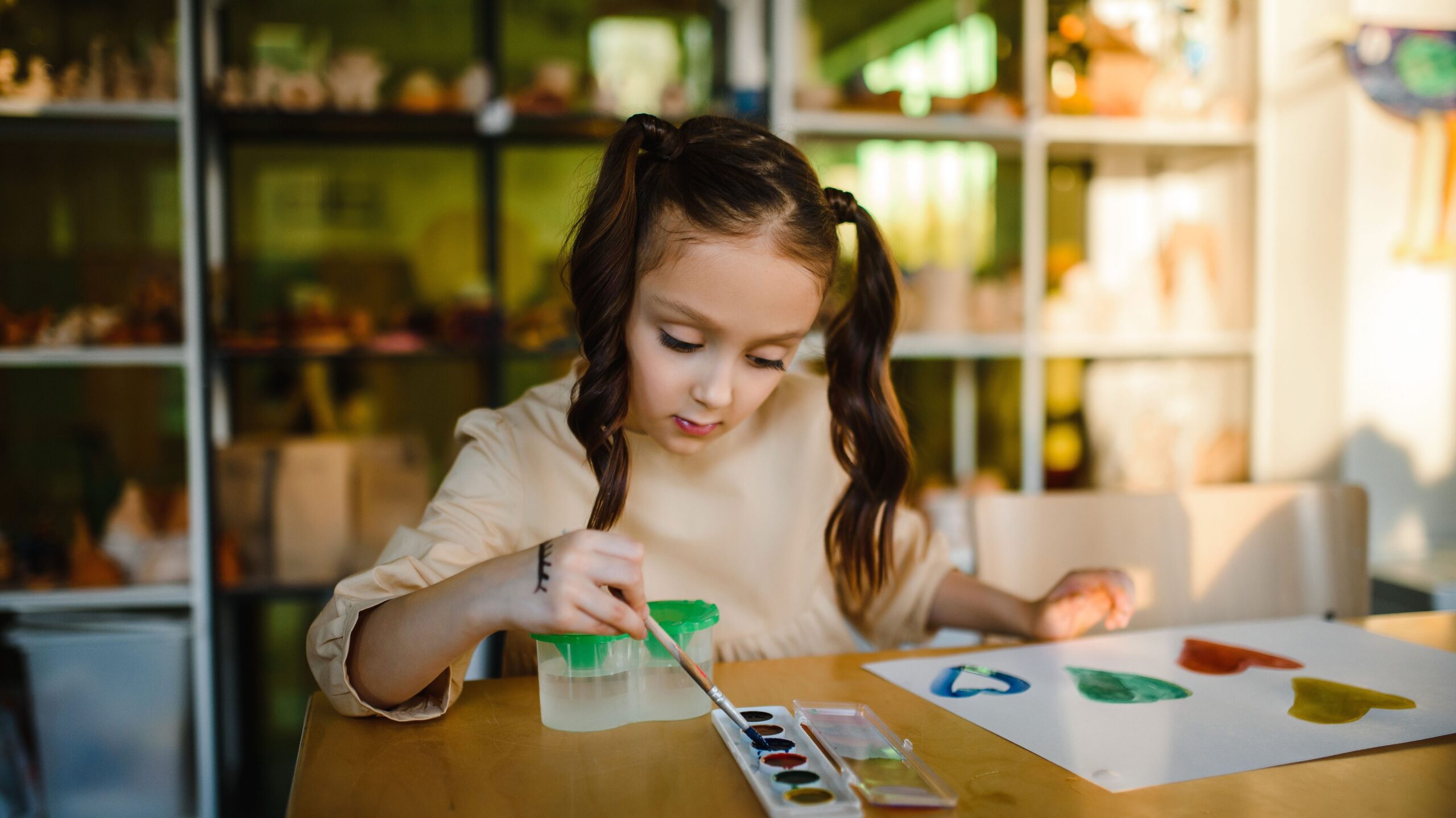
Drawing, painting, tracing, and coloring activities strengthen pencil grip and encourage creativity. These simple experiences gradually prepare children for writing tasks.
Fine Motor Activity
Skills Developed
Recommended Age
Playdough Modeling
Finger Strength
3+ Years
Bead Threading
Hand-Eye Coordination
4+ Years
Tweezer Games
Precision Control
4+ Years
Paper Tearing
Hand Strength
3+ Years
Coloring
Pencil Grip
3+ Years
Button Practice
Daily Living Skills
5+ Years
Gross Motor Skill Activities
Large body movements are equally important because they build strength, balance, and coordination. Gross motor activities also improve focus by allowing children to release energy before quieter learning sessions.
Simple movement games can be completed indoors or outdoors using minimal equipment. Families don’t need expensive playgrounds to encourage healthy physical development.
Movement Activities for Special Needs Children
Obstacle courses using pillows, chairs, and cones encourage climbing, crawling, and balancing. Balloon volleyball develops coordination while promoting teamwork and communication. Dancing to favorite songs improves rhythm, body awareness, and confidence.
Yoga for children teaches stretching, breathing, and relaxation techniques. These calming movements help many children regulate emotions before returning to academic learning.
Communication and Language Activities
Strong communication skills help children express ideas, ask questions, and build relationships. Learning activities should encourage conversation in a relaxed environment where children feel comfortable sharing their thoughts.
Picture cards, storytelling games, and puppet shows provide enjoyable ways to practice vocabulary. Reading together every day also improves listening comprehension while strengthening family connections.
Language-Building Activities
Ask children open-ended questions during stories, such as “What do you think will happen next?” This encourages thinking and conversation rather than simple yes-or-no answers. Singing nursery rhymes and action songs also improves memory while developing speech patterns.
Picture sequencing cards teach children how to organize ideas in the correct order. This skill supports reading comprehension and future writing development.
Teacher Tip: Offer praise for effort, communication, and participation instead of only correct answers. Positive reinforcement encourages children with special needs to take risks, ask questions, and become confident learners.
STEM Activities for Kids with Special Needs
STEM learning helps children explore science, technology, engineering, and math through hands-on discovery. For children with diverse learning needs, STEM activities should be simple, interactive, and adapted to their abilities. The best learning activities for kids with special needs encourage children to ask questions, solve problems, and experiment without worrying about making mistakes. Every successful experiment builds confidence, encourages critical thinking, and supports long-term brain development.
Parents and teachers don’t need expensive science kits to introduce STEM concepts. Household materials such as paper cups, straws, magnets, cardboard, baking soda, vinegar, and recycled bottles provide endless opportunities for learning. These activities promote hands-on learning, problem-solving, and creativity while making science exciting and accessible.
Easy STEM Activities
Building bridges with craft sticks teaches engineering concepts while improving planning and patience. Baking soda and vinegar volcanoes introduce simple chemical reactions that encourage curiosity. Sorting magnetic and non-magnetic objects helps children understand basic science while strengthening observation skills.
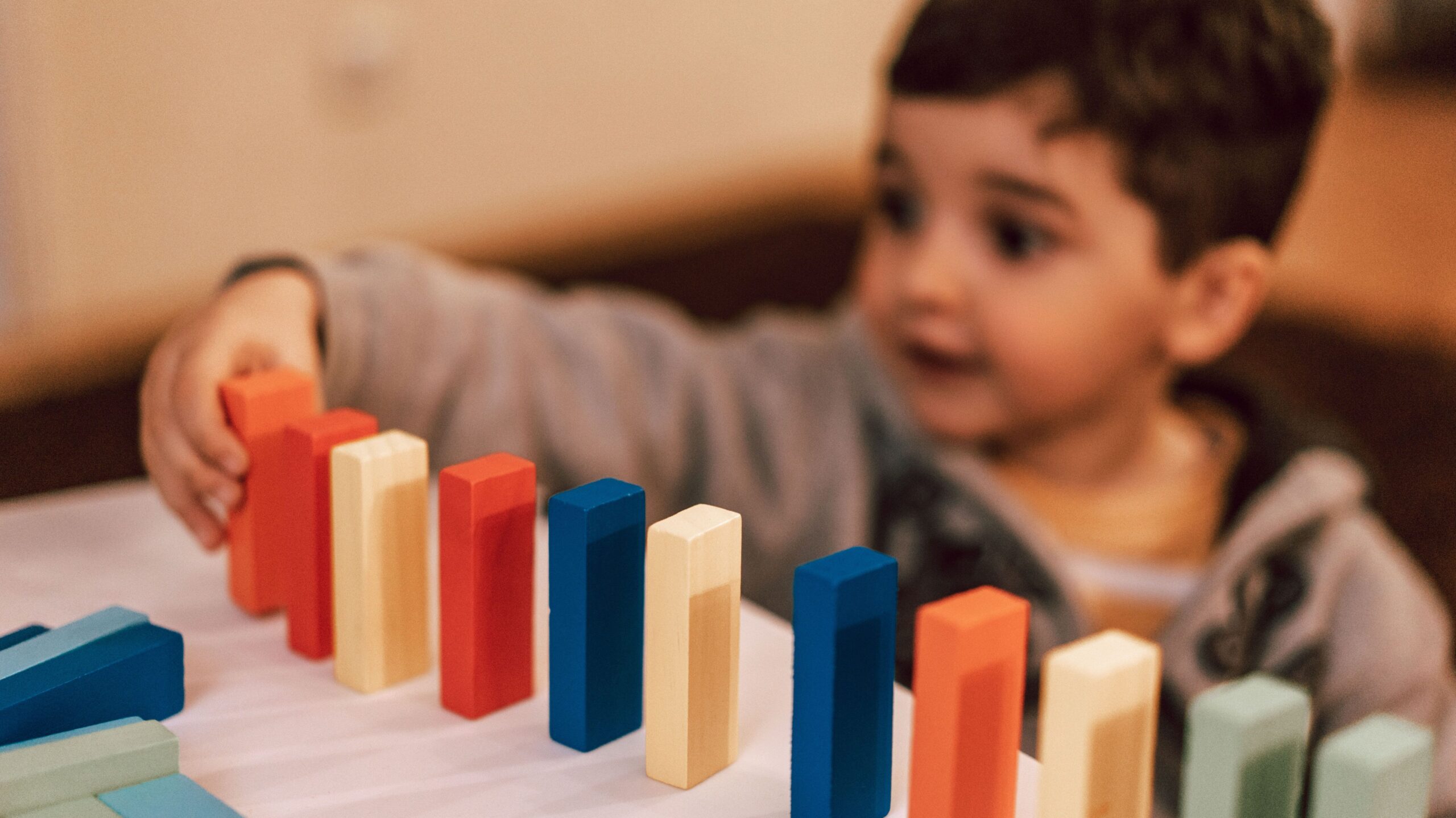
Building tall towers using blocks or recycled boxes also develops planning, balance, and teamwork. Every activity encourages children to think independently while having fun.
STEM Activity
Skills Developed
Materials Needed
Baking Soda Volcano
Cause and Effect
Baking soda, vinegar
Block Tower Challenge
Engineering
Building blocks
Paper Airplanes
Design Thinking
Paper
Floating & Sinking
Science Skills
Water tub, household items
Magnet Hunt
Observation
Magnets, metal objects
Rainbow Water Experiment
Color Mixing
Water, food coloring
Literacy Activities That Improve Reading and Communication
Literacy activities help children develop vocabulary, listening skills, and reading confidence. For children with special needs, learning should be enjoyable and interactive instead of overwhelming. Reading together every day creates opportunities for conversation while strengthening communication skills, memory, and language development.
Choose books with colorful pictures, simple sentences, and repetitive words. Encourage children to point at pictures, describe characters, and predict what might happen next. These conversations build comprehension while making reading a shared family experience.
Fun Literacy Activities
Alphabet treasure hunts encourage children to search for letters hidden around the room. Picture storytelling allows children to create their own stories using illustrated cards. Rhyming games strengthen phonics while making language learning enjoyable.
Reading signs during walks, labeling household objects, and keeping picture journals also reinforce literacy skills throughout the day. These everyday experiences turn ordinary moments into meaningful learning opportunities.
Math Learning Activities That Feel Like Play
Mathematics becomes easier when children can touch, move, and see what they are learning. Hands-on activities reduce anxiety while helping children understand numbers, patterns, and measurements through real-life experiences. The most effective learning activities for kids with special needs introduce math gradually using enjoyable games.
Parents should encourage exploration instead of focusing only on correct answers. Mistakes become valuable learning opportunities that strengthen problem-solving and logical thinking.
Simple Math Games
Counting toy animals, sorting buttons by color, stacking cups, measuring ingredients during cooking, and matching shapes all teach early math concepts. Dice games improve number recognition while encouraging turn-taking and social interaction.
Building patterns with colored blocks also strengthens observation skills. These enjoyable experiences prepare children for more advanced math concepts later.
Social Skills Activities That Build Positive Relationships
Social development is an important part of childhood learning. Children with special needs often benefit from structured opportunities to practice conversation, sharing, and cooperation. Regular social activities strengthen social skills, improve communication, and encourage positive relationships with family members and friends.
Learning through play allows children to practice real-life situations in a relaxed environment. Every shared activity creates opportunities for kindness, patience, and teamwork.
Activities That Encourage Social Growth
Board games teach children how to take turns, follow rules, and solve disagreements respectfully. Puppet shows encourage conversation while allowing children to express emotions safely. Role-playing activities such as pretending to shop, visit a doctor, or order food build confidence for everyday situations.
Group art projects also encourage cooperation because children work together toward a shared goal while practicing listening and communication.
Life Skills Activities for Everyday Independence
Life skills help children become more confident and independent in daily routines. Teaching these practical abilities through enjoyable activities makes learning meaningful and relevant. Every small success prepares children for greater independence as they grow.
Instead of completing tasks for children, encourage them to participate as much as possible. Praise effort and progress rather than expecting perfection.
Everyday Life Skills Activities
Cooking simple meals teaches measuring, sequencing, and safety awareness. Folding laundry improves sorting skills while strengthening hand coordination. Setting the table encourages responsibility and following directions. Gardening teaches patience while helping children understand how plants grow.
Shopping games using pretend money also develop early math and decision-making skills. These practical experiences support independence and prepare children for everyday life.
Life Skill
Activity Example
Skill Developed
Cooking
Making sandwiches
Sequencing
Cleaning
Sorting laundry
Responsibility
Gardening
Planting seeds
Patience
Shopping
Pretend grocery store
Decision-making
Personal Care
Brushing teeth routine
Independence
Organization
Toy sorting
Planning
Outdoor Learning Activities
Outdoor learning provides children with fresh air, movement, and opportunities to explore nature. Many children with special needs become more relaxed outside because natural environments reduce stress and encourage curiosity. Outdoor activities also improve physical exercise, coordination, and emotional well-being.
Nature offers countless opportunities for learning without expensive equipment. Parks, gardens, and backyards become exciting classrooms where children discover plants, insects, birds, and changing seasons.
Outdoor Learning Ideas
Nature scavenger hunts encourage observation while introducing new vocabulary. Gardening teaches responsibility as children care for flowers or vegetables. Sidewalk chalk games combine movement with literacy and math practice. Bubble play improves visual tracking and coordination while creating joyful learning experiences.
Walking through the neighborhood while identifying colors, shapes, numbers, or letters also turns ordinary outings into educational adventures that strengthen attention and curiosity.
Technology and Educational Apps
Technology can support learning when used thoughtfully and in moderation. Interactive educational apps, digital storybooks, and communication tools provide additional learning opportunities for children with special needs. The goal is to use technology as a learning aid rather than replacing hands-on experiences.
Parents should choose age-appropriate apps that encourage interaction instead of passive screen time. Combining digital learning with physical activities creates a balanced educational routine.
Healthy Technology Habits
Limit screen sessions to manageable lengths and include movement breaks between activities. Encourage children to discuss what they learned after using an educational app. This simple conversation reinforces learning while strengthening communication and memory.
Technology works best when combined with books, crafts, outdoor exploration, and sensory play rather than replacing them completely.
Classroom Activities for Inclusive Learning
Inclusive classrooms allow children of all abilities to learn together while respecting individual differences. Teachers can adapt activities so every student participates successfully. Flexible learning environments improve confidence while promoting cooperation and acceptance.
Small-group projects, visual schedules, and hands-on learning stations allow children to work at their own pace. These strategies encourage participation while reducing unnecessary pressure.
Inclusive Classroom Ideas
Partner reading encourages stronger readers to support classmates. Cooperative STEM challenges build teamwork while allowing every child to contribute. Art projects with open-ended instructions encourage creativity instead of focusing on perfect results. Flexible seating options also help children stay comfortable and engaged throughout the school day.
Expert Tip: The most successful learning activities for children with special needs focus on progress instead of perfection. Every child develops at their own pace, and consistent encouragement, patience, and enjoyable learning experiences create lasting success.
Parent Tips for Making Learning Activities More Successful
Parents play the biggest role in helping children enjoy learning. The best learning activities for kids with special needs don’t require expensive equipment or long study sessions. Instead, they focus on consistency, patience, and encouragement. Children learn more effectively when they feel supported and understood. Celebrate every small achievement because progress often happens one step at a time. Even learning one new word, completing one puzzle, or following one new instruction is an important success that deserves recognition.
Keep learning sessions short and enjoyable. Most children stay engaged for 15 to 30 minutes before needing a break. Alternate educational activities with movement, music, outdoor play, or sensory experiences to keep learning fresh. Giving children choices, such as selecting a book or deciding which activity comes next, also builds confidence, independence, and motivation.
Daily Tips for Parents
Create a predictable daily routine that includes learning, play, meals, and rest. Children often feel more secure when they know what to expect. Use visual schedules or simple picture cards to help children understand each part of the day.
Talk with your child throughout everyday activities. Ask questions while cooking, shopping, gardening, or reading together. These natural conversations improve communication skills, expand vocabulary, and strengthen family relationships. Most importantly, focus on effort instead of perfection because every child develops at their own pace.
Teacher Strategies for Inclusive Learning
Teachers create learning environments where every child has an opportunity to succeed. Inclusive classrooms recognize that children learn in different ways and may require different teaching strategies. Flexible instruction helps children remain engaged while reducing stress and frustration.
Providing visual supports, hands-on materials, movement breaks, and small-group instruction allows children to participate more confidently. Teachers who celebrate individual strengths encourage positive classroom experiences and help children develop lifelong learning habits.
Effective Classroom Strategies
Break larger assignments into smaller, manageable tasks. Give children extra time when needed and provide clear step-by-step instructions. Visual demonstrations often help children understand concepts more quickly than verbal explanations alone.
Offer frequent positive feedback throughout each lesson. Recognizing effort encourages children to continue trying even when tasks become challenging. Creating a supportive classroom culture also strengthens social skills, teamwork, and mutual respect among classmates.
Common Mistakes to Avoid
Many parents and teachers unintentionally make learning more difficult by expecting children to progress too quickly. Every child has unique abilities, so comparing them with others can reduce confidence and increase anxiety. Instead, celebrate individual progress and focus on personal growth.
Another common mistake is making activities too long or too complicated. Children often lose interest when tasks feel overwhelming. Keeping lessons simple, interactive, and enjoyable helps children remain motivated while supporting long-term learning success.
Better Learning Habits
Avoid giving too many instructions at one time. Introduce one concept before moving to the next. Choose activities that match the child’s developmental level rather than their chronological age.
Remember to include regular movement breaks, sensory activities, and opportunities for creative play. These experiences improve focus while supporting both physical and emotional well-being.
Frequently Asked Questions About Learning Activities for Kids with Special Needs
What are the best learning activities for kids with special needs?
The best activities depend on each child’s individual needs and interests. Sensory play, reading together, STEM projects, art, music, puzzles, movement games, and everyday life skills all provide meaningful learning opportunities.
How long should learning sessions last?
Most children benefit from learning sessions lasting between 15 and 30 minutes. Short lessons with regular breaks help maintain attention and reduce frustration.
Can learning activities be done at home?
Yes. Many effective activities use common household materials such as paper, blocks, measuring cups, recycled boxes, books, and art supplies. Parents can create valuable learning experiences without purchasing expensive educational products.
How can I keep my child motivated?
Offer choices whenever possible and praise effort rather than perfect results. Children become more motivated when learning feels enjoyable and success is celebrated regularly.
Are sensory activities helpful for all children?
Yes. Sensory activities support fine motor skills, brain development, attention, and emotional regulation for many children. Activities should always be adapted to each child’s age, preferences, and sensory needs.
Should children use educational technology?
Educational apps and digital learning tools can be helpful when used in moderation. Technology works best alongside books, outdoor play, sensory activities, and hands-on learning experiences.
Conclusion
Every child deserves the opportunity to learn in a way that matches their unique abilities, interests, and strengths. The best learning activities for kids with special needs create joyful experiences that encourage curiosity, independence, and lifelong learning. Whether children are exploring sensory bins, building STEM projects, reading stories, creating artwork, or practicing everyday life skills, each activity supports meaningful growth in academic, physical, social, and emotional development.
Remember that progress doesn’t happen overnight. Small daily successes lead to remarkable long-term achievements. By creating a supportive learning environment filled with encouragement, patience, and engaging experiences, parents and teachers help children develop the skills they need to thrive at home, in school, and throughout life. Every child learns differently, and that’s something to celebrate.
Aina Arif is a mother of two young children and the founder of NatureNestia. Based in Pakistan, she spent three years as an early childhood educator before becoming a full-time parent and writer. She writes about learning through play, managing difficult behaviour, and building strong family bonds.