
By Aina Arif | Updated: June 2026 | 18 min read
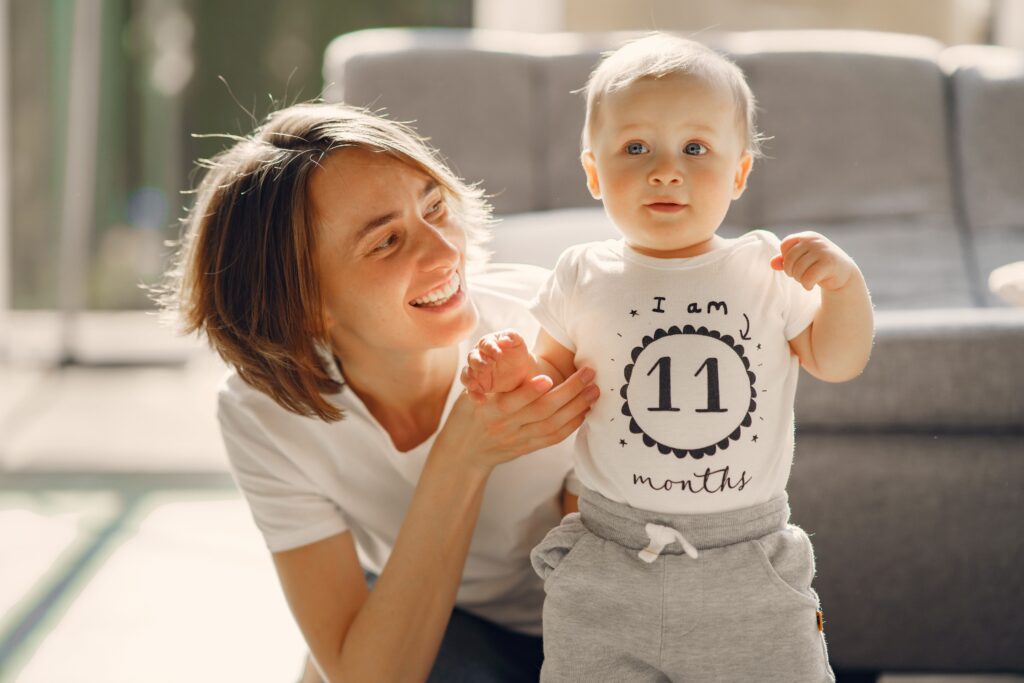
There is something magical about watching a baby discover the world for the very first time.
A ceiling fan becomes fascinating.
A crinkly piece of paper feels like a treasure.
A parent’s smile can trigger unstoppable giggles.
Unlike older children, babies don’t need complicated toys or expensive activity kits. Their brains are growing through everyday experiences—touching, listening, reaching, rolling, and connecting with the people who love them.
The best activities at home aren’t the busiest ones.
They’re the ones that match your baby’s stage of development while making everyday routines more meaningful.
Instead of filling every minute with entertainment, think of each part of the day as an opportunity to learn through play.
Good Morning, Little Explorer
The first hour after your baby wakes up is often when they’re most alert.
Rather than rushing into the day, spend a few minutes connecting.
Smile.
Talk.
Copy your baby’s sounds.
Make funny faces.
This simple interaction strengthens emotional bonding while encouraging language development.
Try These Morning Activities
- Mirror play together
- Singing a “good morning” song
- Gentle stretching of arms and legs
- Looking out the window and naming what you see
- Tummy time (for babies who are developmentally ready)
Development Boost
Morning interaction encourages social communication, visual tracking, and emotional security.
After Feeding Comes Learning
A full tummy often means a happy baby.
Once your baby has rested for a few minutes after feeding, it’s a wonderful time for gentle play.
There’s no need to overstimulate.
Slow, simple activities are enough.
Ideas include:
- Reading a cloth book
- Touch-and-feel cards
- Black-and-white flash cards for younger infants
- Listening to soft nursery rhymes
- Exploring different fabric textures
These quiet moments help babies process new sights, sounds, and sensations without becoming overwhelmed.
Parent Tip
Babies learn best when caregivers describe what they’re doing.
Instead of staying quiet, narrate simple actions like:
“Now we’re opening the curtains.”
“This blanket feels soft.”
“Can you hear the birds?”
Hearing language throughout the day helps support early communication skills.
Floor Time Beats Seat Time
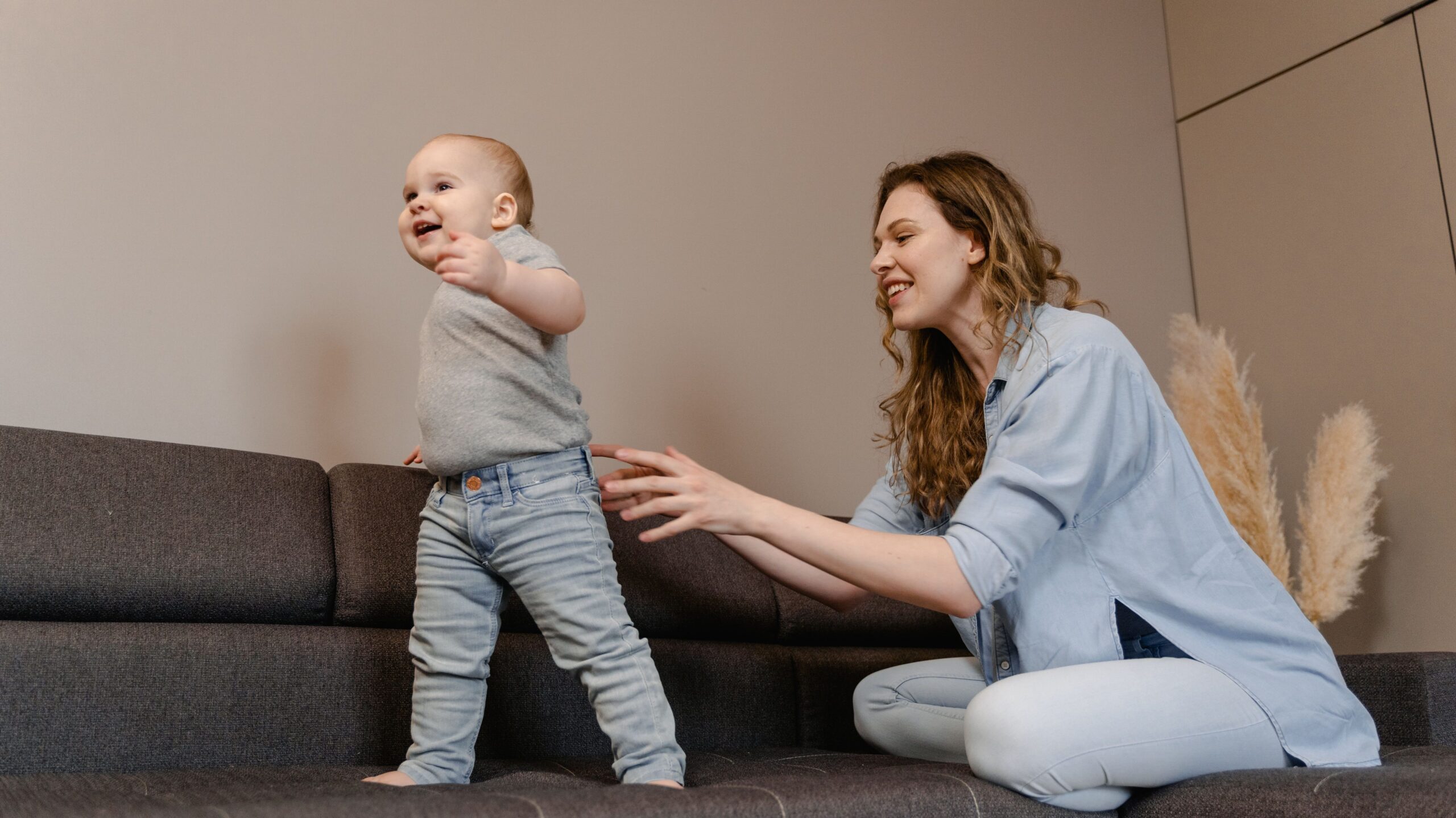
One of the greatest gifts you can give your baby is freedom to move.
While swings, bouncers, and infant seats can be helpful for short periods, babies need supervised floor time to build strength and coordination.
Spread a soft play mat on the floor and simply let your baby explore.
Some babies may:
- Reach for toys
- Roll over
- Lift their head
- Kick excitedly
- Watch their surroundings
All of these movements support healthy physical development.
Tiny Hands Love Big Discoveries
Babies experience the world through their hands.
Offer safe household objects with different textures, such as:
- Silicone spoon
- Wooden ring
- Soft washcloth
- Large fabric ribbon
- Textured sensory ball
Always supervise closely and ensure every item is clean and age-appropriate.
Simple objects often provide more curiosity than electronic toys.
Follow Your Baby’s Lead
Adults often decide what babies should play with.
But babies give wonderful clues about what interests them.
If your baby keeps staring at light coming through the window…
Explore shadows together.
If they love crinkly sounds…
Offer safe textured materials.
If they’re fascinated by your face…
Spend more time making expressions and talking together.
The best activity is often the one your baby chooses.
Before Nap Doesn’t Mean Before Boredom
Many parents try to keep babies busy until nap time.
Instead, think about helping them become calm.
Gentle activities prepare babies for better rest.
Try:
- Rocking while singing
- Looking through family photos
- Reading one short picture book
- Gentle baby massage
- Watching slow-moving mobiles
A peaceful transition often makes naps easier.
Baby Cue
Not every fuss means your baby wants another activity.
Sometimes babies are saying:
“I’ve had enough for now.”
Signs of overstimulation may include:
- Looking away repeatedly
- Rubbing eyes
- Fussiness
- Turning their head from toys
- Becoming unusually quiet
When you notice these signals, it’s okay to slow down.
Babies need breaks just as much as they need play.
Afternoon Is Adventure Time
As babies grow, afternoons can become the perfect opportunity for exploration.
Create small adventures around your home.
Walk together and discover:
- The kitchen
- The garden
- Houseplants (look, don’t touch)
- Different window views
- Safe household sounds
Talk about everything you see.
“That’s a green leaf.”
“Can you hear the washing machine?”
“Look at the sunshine.”
These conversations build vocabulary long before babies begin speaking.
Make Music Part of Every Day
Babies naturally respond to rhythm.
Music doesn’t have to be complicated.
Try:
- Clapping together
- Gentle dancing
- Homemade shakers
- Singing nursery rhymes
- Soft instrumental music
Pause occasionally and let your baby respond with smiles, sounds, or movements.
Those little conversations through music are wonderful for brain development.
Everyday Objects Become Learning Tools
Some of the best toys are already in your home.
With supervision, babies can safely explore:
- Plastic measuring cups
- Wooden spoons
- Empty cardboard boxes
- Large scarves
- Muffin trays
- Soft cushions
Open-ended objects encourage imagination because they don’t have only one purpose.
Don’t Worry If…
Your baby loses interest after only a few minutes.
That’s completely normal.
Babies have very short attention spans.
Instead of extending one activity, rotate between several simple experiences throughout the day.
Five minutes of joyful play is often more valuable than thirty minutes of overstimulation.
End the Day With Connection, Not Stimulation
Evenings don’t need flashing lights or noisy toys.
They need comfort.
Some beautiful bedtime activities include:
- Reading the same bedtime story each night.
- Singing calming lullabies.
- Gentle cuddles.
- Looking at picture books together.
- Whispering about the day’s adventures.
These predictable routines help babies feel safe while strengthening emotional attachment.
Today’s Simple Reminder
Your baby doesn’t need a perfect playroom.
They don’t need dozens of expensive toys.
What they need most is a caring adult who smiles, talks, responds, and explores the world with them.
Those ordinary moments at home are quietly building extraordinary brains.
One Home, Endless Learning Opportunities
Many parents believe they need to constantly buy new toys to keep their baby entertained.
The truth is quite the opposite.
Babies are naturally curious.
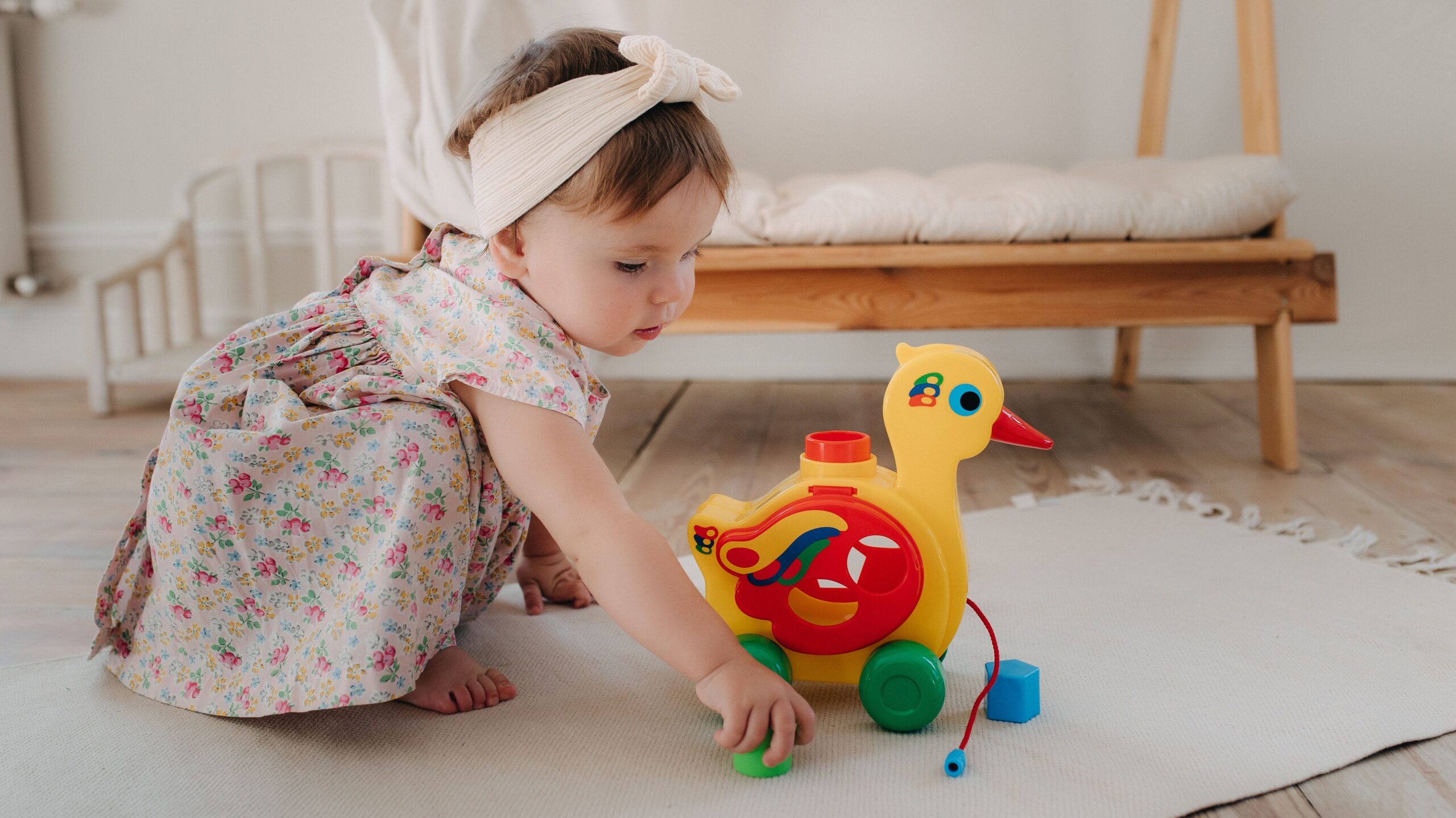
A cardboard box, a wooden spoon, or a colorful scarf can be just as exciting as an expensive toy because babies learn through exploration—not price tags.
Instead of asking,
“What should I buy?”
Try asking,
“What can my baby safely discover today?”
That simple mindset encourages creativity while reducing unnecessary spending.
Rotate, Don’t Overload
Have you ever noticed your baby ignoring a basket full of toys but becoming fascinated by one simple object?
Too many choices can actually reduce curiosity.
Instead of placing every toy on the floor, rotate them every few days.
For example:
Monday
- Soft ball
- Fabric book
- Teething ring
Wednesday
- Stacking cups
- Wooden blocks
- Sensory scarf
Friday
- Musical shaker
- Mirror
- Plush animal
Changing toys regularly makes familiar items feel new again.
Development Snapshot
You don’t need to teach every skill every day.
Different activities naturally support different areas of development.
| Activity | Skill Being Developed |
|---|---|
| Peekaboo | Object permanence |
| Tummy time | Neck, shoulder, and core strength |
| Singing songs | Language and listening |
| Reading books | Vocabulary and attention |
| Stacking cups | Hand-eye coordination |
| Crawling games | Gross motor skills |
| Texture exploration | Sensory development |
Looking at play this way helps parents understand that every small interaction has a purpose.
Make Every Room a Learning Space
Your baby’s classroom isn’t limited to a nursery.
Each room offers something different to discover.
In the Kitchen
- Feel a silicone whisk.
- Listen to gentle cooking sounds.
- Watch colorful fruits and vegetables.

In the Living Room
- Roll a soft ball.
- Practice tummy time.
- Read picture books.
In the Bedroom
- Explore soft blankets.
- Play with stuffed animals.
- Listen to calming music.
Outdoors
- Feel the breeze.
- Watch moving leaves.
- Listen to birds.
- Explore natural light and shadows.
Changing environments keeps babies interested while introducing new sensory experiences.
The Best Toy Is You
Parents sometimes worry they’re not doing enough.
But babies don’t measure love by the number of activities they complete.
They remember warm voices, smiling faces, cuddles, and responsive interactions.
Simple moments like:
- Laughing together
- Holding hands
- Singing songs
- Reading aloud
- Playing peekaboo
have a greater impact on development than many battery-operated toys.
The most valuable learning tool your baby has is a loving caregiver.
A Gentle Weekly Inspiration
Instead of creating a strict schedule, aim for a balanced week filled with different types of experiences.
| Day | Simple Activity Focus |
|---|---|
| Monday | Tummy time and mirror play |
| Tuesday | Music and movement |
| Wednesday | Sensory exploration |
| Thursday | Storytelling and picture books |
| Friday | Outdoor walk and nature watching |
| Saturday | Family floor play |
| Sunday | Calm bonding and baby massage |
Remember, these are ideas—not rules.
Even if you complete only one activity each day, your baby is still learning.
Small Moments Create Big Milestones
Your baby doesn’t suddenly learn to sit, crawl, clap, or speak overnight.
Those exciting milestones are built from hundreds of tiny moments.
Every smile you return…
Every song you sing…
Every story you read…
Every cuddle before bedtime…
These everyday interactions quietly shape your baby’s brain and emotional security.
Progress happens one moment at a time.
Frequently Asked Questions
How long should I play with my baby each day?
There’s no perfect number.
Instead of focusing on total time, focus on responsive interaction throughout the day.
Several short play sessions often work better than one long session because babies tire quickly.
Can babies become overstimulated?
Yes.
Too many sounds, lights, toys, or activities without breaks can overwhelm young babies.
Watch your baby’s cues and allow quiet time whenever they seem tired or uninterested.
Do babies really need expensive educational toys?
No.
Research shows babies learn most effectively through responsive caregivers, conversation, movement, books, music, and safe exploration.
Simple household objects often provide wonderful learning opportunities when used safely.
Should I follow a daily activity schedule?
A flexible routine is usually more helpful than a strict timetable.
Follow your baby’s feeding, sleeping, and energy patterns while fitting playful learning naturally into everyday life.
What matters most during the first 18 months?
The greatest gifts you can give your baby are:
- Love
- Responsive communication
- Safe exploration
- Consistent routines
- Plenty of opportunities to move and play
These experiences support healthy physical, emotional, social, and cognitive development.
Final Thoughts
Home is one of the richest learning environments your baby will ever experience.
It isn’t filled with worksheets or classrooms.
It’s filled with conversations during diaper changes, songs while folding laundry, cuddles after naps, and little adventures across the living room floor.
Those ordinary moments become the building blocks of extraordinary development.
You don’t have to entertain your baby every minute.
You simply need to be present.
When babies feel safe, loved, and free to explore, they naturally build the confidence and skills they’ll carry into every future milestone.
Because the goal isn’t to raise a baby who is always busy.
It’s to raise a curious little learner who feels secure enough to discover the world—one tiny adventure at a time.
References
This article is informed by trusted child development guidance from:
- American Academy of Pediatrics (AAP)
- Centers for Disease Control and Prevention (CDC)
- HealthyChildren.org
- Zero to Three
- Harvard Center on the Developing Child
- UNICEF Parenting
Continue Exploring on NatureNestia
You may also enjoy:
- Baby Sensory Activities
- How to Encourage Baby to Crawl
- Montessori Activities for Toddlers
- Tummy Time Activities
- Baby Milestones by Month
- Bedtime Routine for Toddlers
- Healthy Snacks for Kids

Aina Arif is a mother of two young children and the founder of NatureNestia. Based in Pakistan, she spent three years as an early childhood educator before becoming a full-time parent and writer. She writes about learning through play, managing difficult behaviour, and building strong family bonds.