
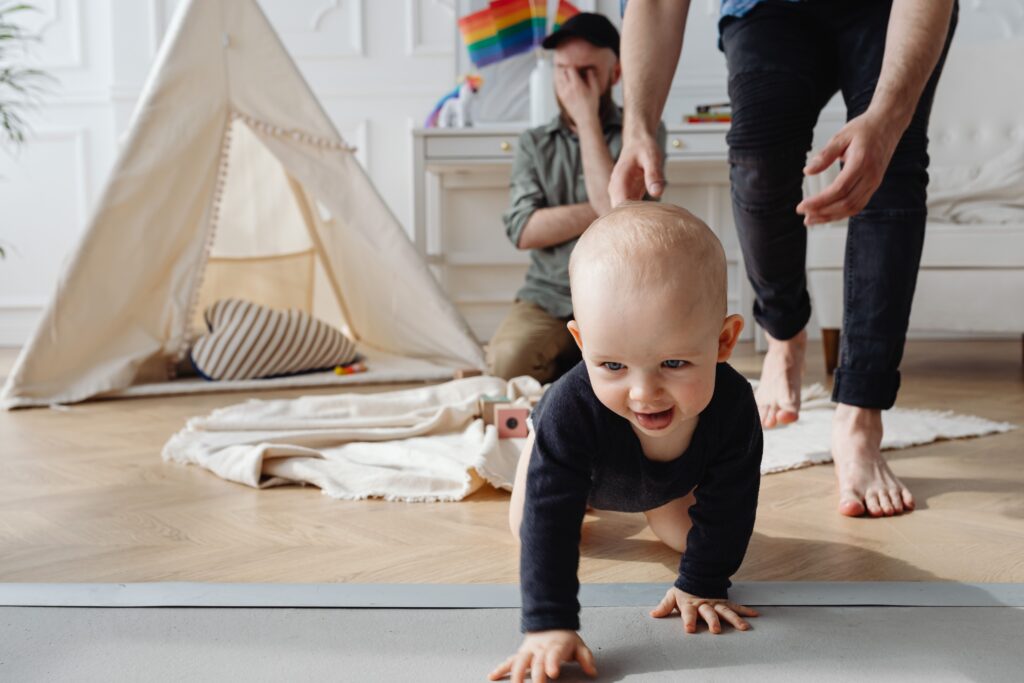
One day your baby is happily lying on a blanket.
A few weeks later, they’re rolling across the floor.
Before you know it, they’re trying to move toward a favorite toy with determination written all over their face.
Watching a baby learn to crawl is one of the most exciting milestones of early childhood.
But many parents wonder:
“Should my baby be crawling by now?”
“Is there anything I can do to encourage crawling?”
The answer is yes—but gently.
Babies learn best through play, encouragement, and plenty of opportunities to explore. Most babies begin crawling between 7 and 10 months, although some may crawl earlier, later, or even skip crawling altogether and move straight to pulling up or walking. Every baby develops at their own pace. (American Academy of Pediatrics & Cleveland Clinic)
Instead of rushing the milestone, focus on creating an environment where your baby feels confident to move.
Every Baby Follows Their Own Timeline
It’s easy to compare your baby with others.
Perhaps your friend’s baby started crawling at seven months while yours is already eight months and still prefers rolling.
That’s perfectly normal.
Development isn’t a race.
Some babies:
- Crawl backward first.
- Scoot on their bottoms.
- Roll across the room.
- Army crawl.
- Traditional hands-and-knees crawl.
- Skip crawling and begin cruising.
As long as your baby continues developing new movement skills, small differences in timing are usually expected.
Stage One: Build Strong Foundations With Tummy Time
Before babies crawl, they first need to strengthen the muscles in their:
- Neck
- Shoulders
- Arms
- Back
- Core
Tummy time is one of the best ways to build these muscles.
Start with short sessions several times a day while your baby is awake and supervised.
To make tummy time more enjoyable:
- Lie on the floor facing your baby.
- Smile and talk to them.
- Shake a colorful rattle.
- Place a baby-safe mirror nearby.
- Sing favorite nursery rhymes.
Even a few minutes at a time can help develop the strength needed for future movement.
Stage Two: Give Your Baby Room to Move
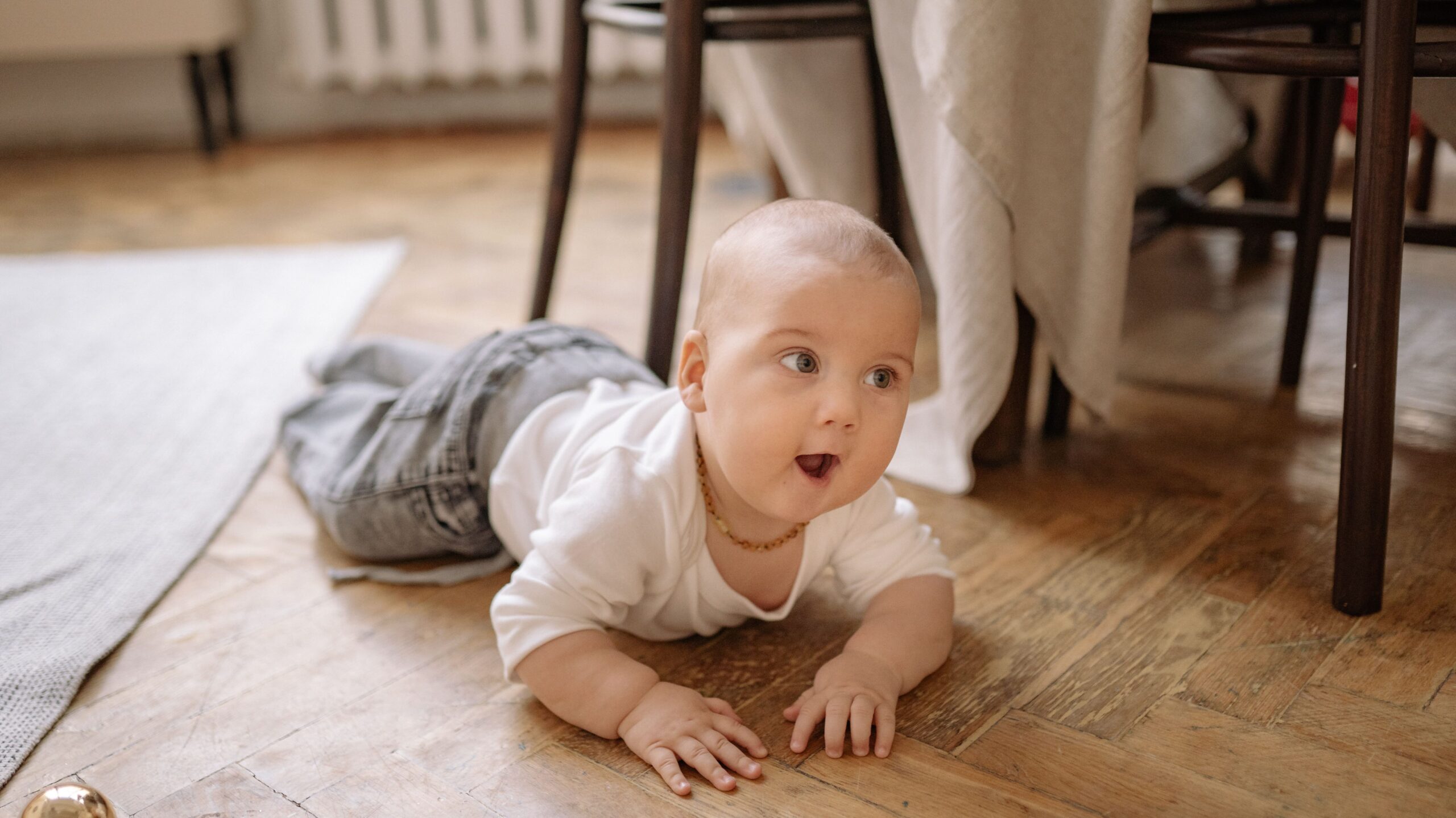
Babies need space to practice.
If they spend long periods in swings, bouncers, or infant seats, they have fewer opportunities to explore movement.
Whenever possible, allow supervised floor play on a clean, firm surface.
A simple play mat often provides everything your baby needs.
The more opportunities babies have to stretch, roll, pivot, and reach, the more naturally crawling skills begin to develop.
Stage Three: Create a Reason to Move
Babies love discovering interesting things.
Place a favorite toy just slightly beyond your baby’s reach.
Not too far.
Just far enough to encourage a small stretch or scoot forward.
Good motivation includes:
- Soft toys
- Colorful balls
- Musical toys
- Textured books
- Baby-safe mirrors
When babies successfully reach a toy, they begin understanding that movement helps them explore the world.
Stage Four: Get Down on the Floor Together
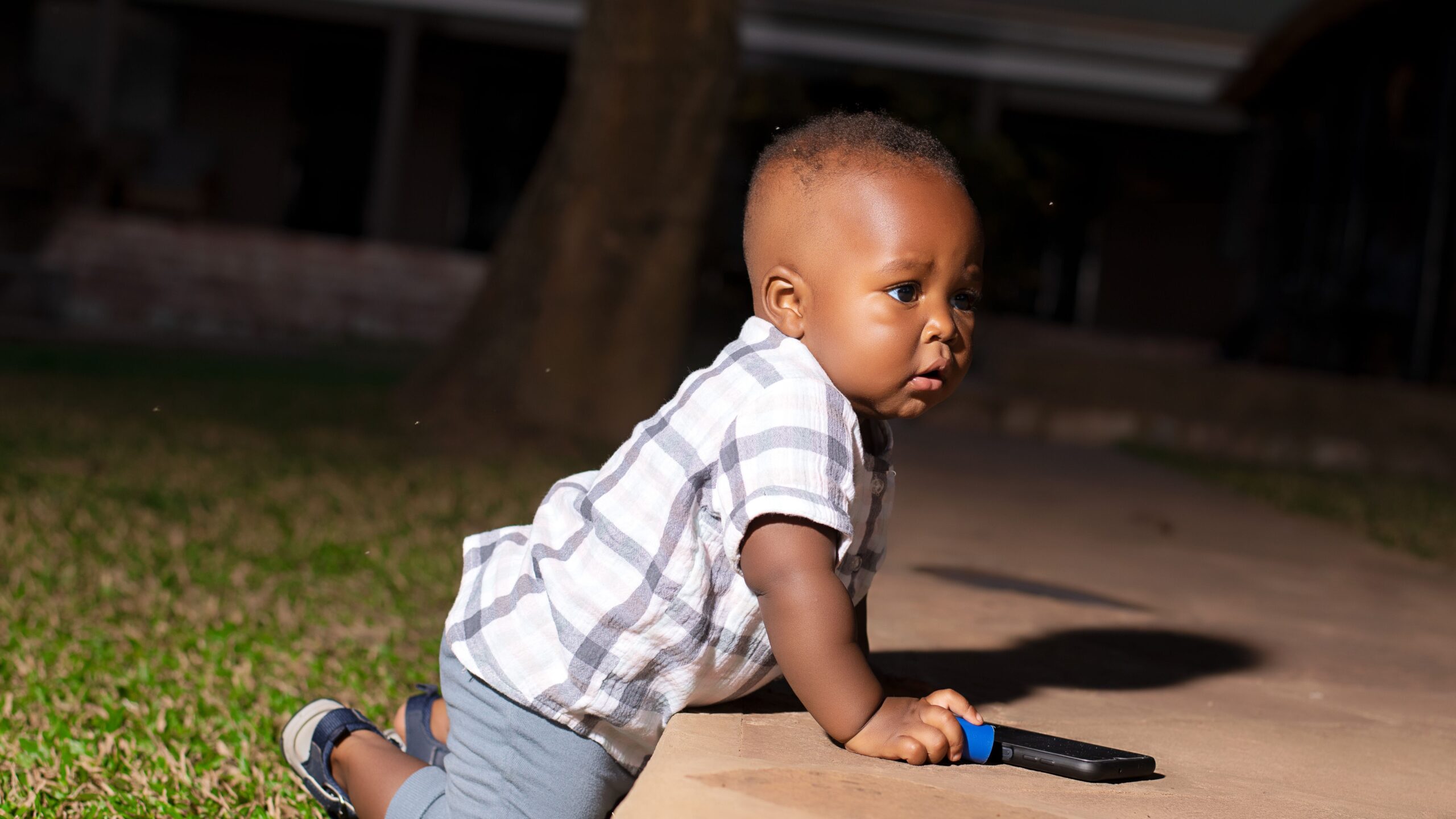
Your baby learns through interaction.
Instead of watching from a chair, join them on the floor.
Try:
- Crawling beside your baby.
- Smiling and calling their name.
- Rolling a soft ball toward them.
- Clapping when they move forward.
- Celebrating every little effort.
Your excitement becomes part of their motivation.
Celebrate Progress, Not Perfection
Your baby doesn’t need to crawl across the entire room on the first try.
Celebrate small achievements like:
- Reaching farther.
- Rolling independently.
- Pushing up on hands.
- Rocking on hands and knees.
- Moving one step forward.
Every tiny movement is part of a much bigger milestone.
Stage Five: Encourage Reaching and Weight Shifting
Before babies crawl, they learn to shift their weight from one side of the body to the other.
Simple games can encourage this naturally.
Try placing toys:
- Slightly to the left.
- Slightly to the right.
- A little in front.
As your baby reaches across their body, they strengthen balance and coordination.
These small movements prepare them for crawling.
Stage Six: Make Movement Fun
Babies are naturally curious.
Turn movement into a game instead of an exercise.
Ideas include:
- Peek-a-boo from a short distance.
- Rolling a colorful ball.
- Blowing bubbles.
- Playing gentle chase while crawling yourself.
- Hiding toys under a light blanket.
When movement feels playful, babies are more likely to keep trying.
Stage Seven: Use Mirrors for Motivation
Babies are fascinated by faces—including their own.
Place an unbreakable baby-safe mirror on the floor during tummy time.
Many babies enjoy lifting their heads, reaching toward the reflection, and eventually moving closer to explore.
This simple activity encourages both movement and visual development.
Stage Eight: Create Safe Mini Adventures
Your home can become a wonderful place for exploration.
Arrange a few safe objects around the room to encourage movement between them.
For example:
- A soft pillow.
- A sensory ball.
- A stuffed animal.
- A textured mat.
Allow your baby to move from one object to the next at their own pace.
Always supervise closely and ensure the area is free from choking hazards or sharp edges.
Signs Your Baby Is Getting Ready to Crawl
Many babies show small clues before crawling begins.
You may notice your baby:
- Rolling frequently.
- Pushing up on straight arms.
- Rocking back and forth on hands and knees.
- Pivoting in circles.
- Scooting backward.
- Trying to reach everything nearby.
These signs often mean your baby is developing the strength and coordination needed for crawling.
Things Parents Should Avoid
Trying to help is wonderful, but some approaches may create unnecessary frustration.
| Instead of… | Try… |
|---|---|
| Comparing your baby with others | Focus on your baby’s individual progress. |
| Keeping your baby in equipment most of the day | Provide supervised floor time every day. |
| Pulling your baby into crawling positions repeatedly | Let movement develop naturally through play. |
| Expecting quick results | Celebrate gradual improvement. |
| Using walkers to “teach” crawling | Encourage free floor movement instead. |
Gentle encouragement is far more effective than pressure.
Remember That Confidence Comes First
Every time your baby explores the floor, reaches for a toy, or attempts a new movement, they’re building more than physical strength.
They’re developing curiosity, confidence, balance, and problem-solving skills.
Crawling is not just about getting from one place to another.
It’s about discovering that “I can do this on my own.”
Create a Crawl-Friendly Home
Babies are more likely to explore when their surroundings are safe and inviting.
Before encouraging crawling, take a few minutes to prepare the area.
Consider these simple safety steps:
- Remove small objects that could become choking hazards.
- Cover electrical outlets.
- Secure heavy furniture to the wall.
- Keep sharp-edged furniture protected.
- Move cords out of reach.
- Vacuum or clean the floor regularly.
A safe environment gives babies the freedom to move with confidence while giving parents greater peace of mind.
Everyday Activities That Encourage Crawling
You don’t need expensive toys or special equipment.
Many ordinary moments naturally support crawling development.
Laundry Basket Adventure
Place a few favorite toys around an empty laundry basket.
Encourage your baby to move toward each toy while you cheer them on.
Soft Tunnel Play
Create a simple tunnel using chairs covered with a lightweight blanket.
Crawl through together while calling your baby’s name from the other side.
Many babies enjoy following familiar faces.
Toy Treasure Trail
Place several toys a short distance apart across the floor.
As your baby reaches one toy, they’ll notice another nearby and become motivated to continue exploring.
Bubble Time
Blow bubbles just beyond your baby’s reach.
The floating movement naturally attracts attention and encourages reaching, stretching, and moving forward.
Always supervise closely and avoid getting bubble solution near your baby’s eyes.
Family Crawl Race
Join your baby on the floor.
Older siblings can participate too.
Turn crawling into a family game rather than a lesson.
Babies often learn by copying the people around them.
How Parents Can Encourage Without Pressuring
Every baby responds differently.
Instead of focusing on what your baby can’t do yet, notice what they can do today.
Simple encouragement makes a difference.
For example:
- Smile when they try.
- Clap after small achievements.
- Celebrate effort instead of speed.
- Avoid showing disappointment.
- Let your baby take breaks when tired.
Positive experiences help babies build confidence and enjoy exploring.
Nutrition and Sleep Also Matter
Movement isn’t developed through exercise alone.
Healthy development also depends on:
- Adequate sleep
- Balanced nutrition (appropriate for your baby’s age)
- Regular playtime
- Loving interaction with caregivers
A well-rested baby often has more energy to practice new physical skills during awake periods.
Crawling Styles Can Look Different
Many parents expect babies to crawl on hands and knees.
In reality, babies may develop unique ways of moving.
Some common styles include:
- Army crawling
- Bear crawling
- Bottom scooting
- Crab crawling
- Traditional hands-and-knees crawling
Each style can be a normal variation of movement development.
The important thing is steady progress rather than achieving one specific crawling style.
Frequently Asked Questions
When do most babies start crawling?
Many babies begin crawling between 7 and 10 months, although some may start earlier or later.
Some babies even skip crawling and move directly to pulling up, cruising, or walking.
Should I use a baby walker to encourage crawling?
Baby walkers are not recommended because they don’t teach crawling and may increase the risk of injuries.
Free floor play provides much better opportunities for babies to develop natural movement skills.
How much tummy time does my baby need?
The amount gradually increases as babies grow.
Short, supervised tummy time sessions several times a day are generally more effective than one long session.
Your pediatrician can provide guidance based on your baby’s age and development.
What if my baby dislikes tummy time?
Many babies dislike tummy time at first.
Try making it more enjoyable by:
- Getting down on the floor together.
- Using colorful toys.
- Singing songs.
- Placing a baby-safe mirror nearby.
- Starting with very short sessions and increasing gradually.
Consistency usually helps babies become more comfortable over time.
When should parents speak with a pediatrician?
Consider discussing your baby’s development if you notice concerns such as:
- Very limited movement compared with previous weeks.
- Difficulty supporting their head or upper body as expected for their age.
- Loss of previously learned motor skills.
- Significant concerns about overall development.
If you’re ever unsure, your pediatrician is the best person to assess your baby’s progress and provide individualized advice.
Final Thoughts
Crawling is much more than a physical milestone.
It’s your baby’s first experience of independent exploration.
Each stretch, roll, reach, and tiny forward movement builds strength, coordination, confidence, and curiosity.
Remember that babies don’t learn by being rushed.
They learn by feeling safe, supported, and encouraged.
By providing plenty of tummy time, supervised floor play, and opportunities to explore at their own pace, you’re helping your baby build the foundation for future milestones like standing, walking, climbing, and running.
Celebrate every little achievement.
Those tiny movements today become the confident first steps of tomorrow.
References
This article is informed by guidance and developmental resources from trusted organizations, including:
- American Academy of Pediatrics (AAP)
- HealthyChildren.org
- Centers for Disease Control and Prevention (CDC)
- Cleveland Clinic
- NHS (National Health Service)
Continue Exploring on NatureNestia
You may also enjoy:
- Tummy Time Activities for Babies
- Baby Sensory Activities
- Montessori Activities for Toddlers
- Healthy Snacks for Kids
- Bedtime Routine for Toddlers
- Why Kids Are Stubborn
- Positive Parenting Tips

Aina Arif is a mother of two young children and the founder of NatureNestia. Based in Pakistan, she spent three years as an early childhood educator before becoming a full-time parent and writer. She writes about learning through play, managing difficult behaviour, and building strong family bonds.