
By Aina Arif | Published: March 2026 | 10 min read
Why Brain-Boosting Activities Matter for Kids
A child’s brain grows rapidly during the early years, making this the perfect time to encourage curiosity, creativity, and problem-solving.
The good news?
You don’t need expensive educational toys or long study sessions to support healthy brain development.
Simple, play-based activities can strengthen important skills like memory, attention, language, reasoning, and creativity while keeping learning enjoyable. Research shows that playful experiences help children build cognitive, emotional, social, and physical skills because they actively engage different areas of the brain.
The following brain-boosting activities are easy to do at home using everyday materials.
🧩 Brain Booster 1: Puzzle Power
🎯 Brain Mission
Can your child solve today’s puzzle without giving up?
🧺 You’ll Need
- Jigsaw puzzles
- Shape puzzles
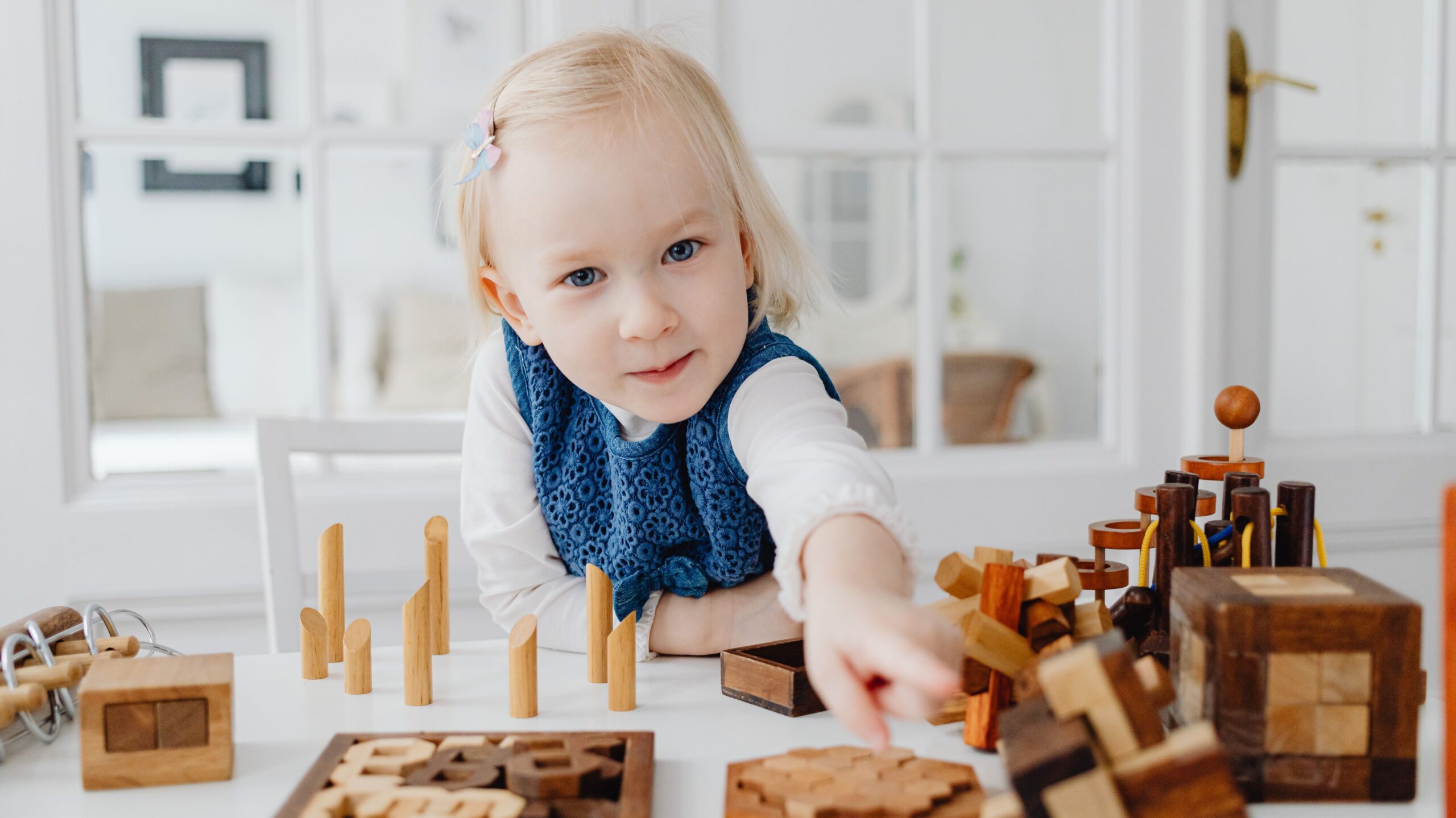
- Wooden puzzles
- Homemade paper puzzles
▶️ How to Play
Choose a puzzle suitable for your child’s age.
Instead of helping immediately, encourage them to:
- Look for corner pieces.
- Match colors and patterns.
- Turn pieces in different directions.
- Try different solutions.
Celebrate persistence rather than speed.
🧠 Brain Skills Strengthened
- Problem-solving
- Logical thinking
- Visual perception
- Patience
- Concentration
⭐ Brain Tip: Ask, “Why do you think this piece belongs here?” instead of giving the answer.
🏗️ Brain Booster 2: Build the Tallest Tower
🎯 Brain Mission
Can your child build a tower that stays standing?
🧺 You’ll Need
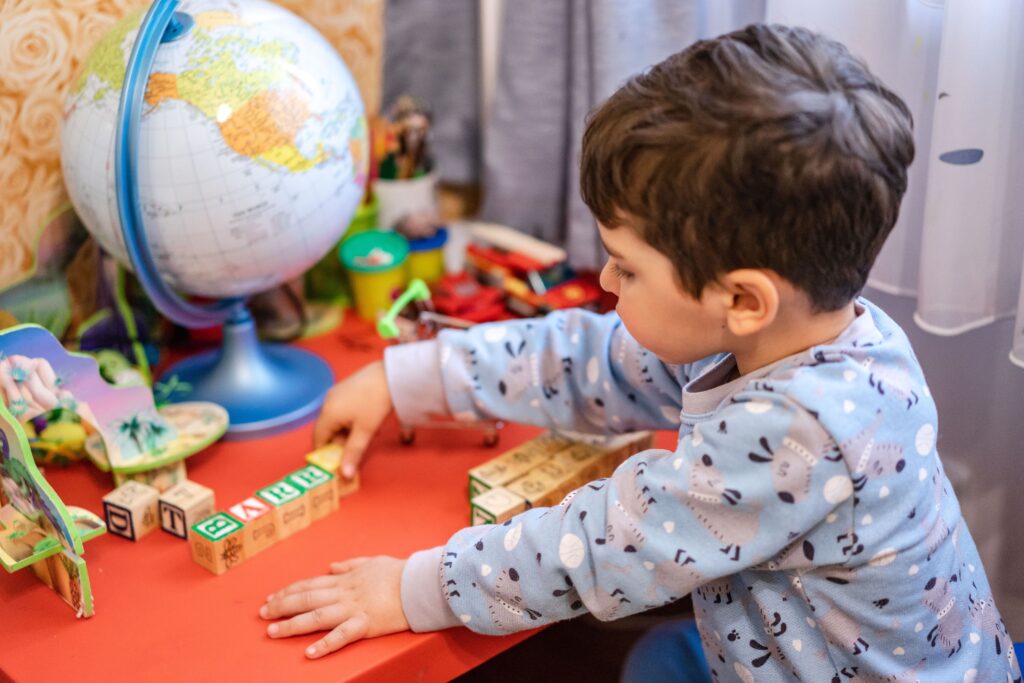
- Building blocks
- Plastic cups
- Cardboard boxes
- Wooden blocks
▶️ How to Play
Challenge your child to build the tallest tower possible.
After each attempt, ask:
- Why did it fall?
- What could make it stronger?
- Which shape gives the best support?
Encourage experimenting with different designs.
🧠 Brain Skills Strengthened
- Engineering thinking
- Cause and effect
- Spatial awareness
- Creativity
- Fine motor skills
⭐ Brain Tip: Compare different tower designs and discuss which one worked best.
🎨 Brain Booster 3: Finish the Drawing
🎯 Brain Mission
Can your imagination complete the picture?
🧺 You’ll Need
- Paper
- Pencil
- Crayons
▶️ How to Play
Draw one simple shape, such as:
- A circle
- A zigzag line
- A square
- A curved line
Ask your child to transform it into something completely new.
For example:
A circle could become:
- The sun
- A turtle
- A pizza
- A balloon
Every answer is correct if your child can explain their idea.
🧠 Brain Skills Strengthened
- Creativity
- Flexible thinking
- Imagination
- Visual processing
⭐ Brain Tip: There are no wrong drawings—encourage original ideas.
🧠 Brain Booster 4: Memory Tray Challenge
🎯 Brain Mission
How many objects can your child remember?
🧺 You’ll Need
- Tray
- 8–10 household objects
- Cloth or towel
▶️ How to Play
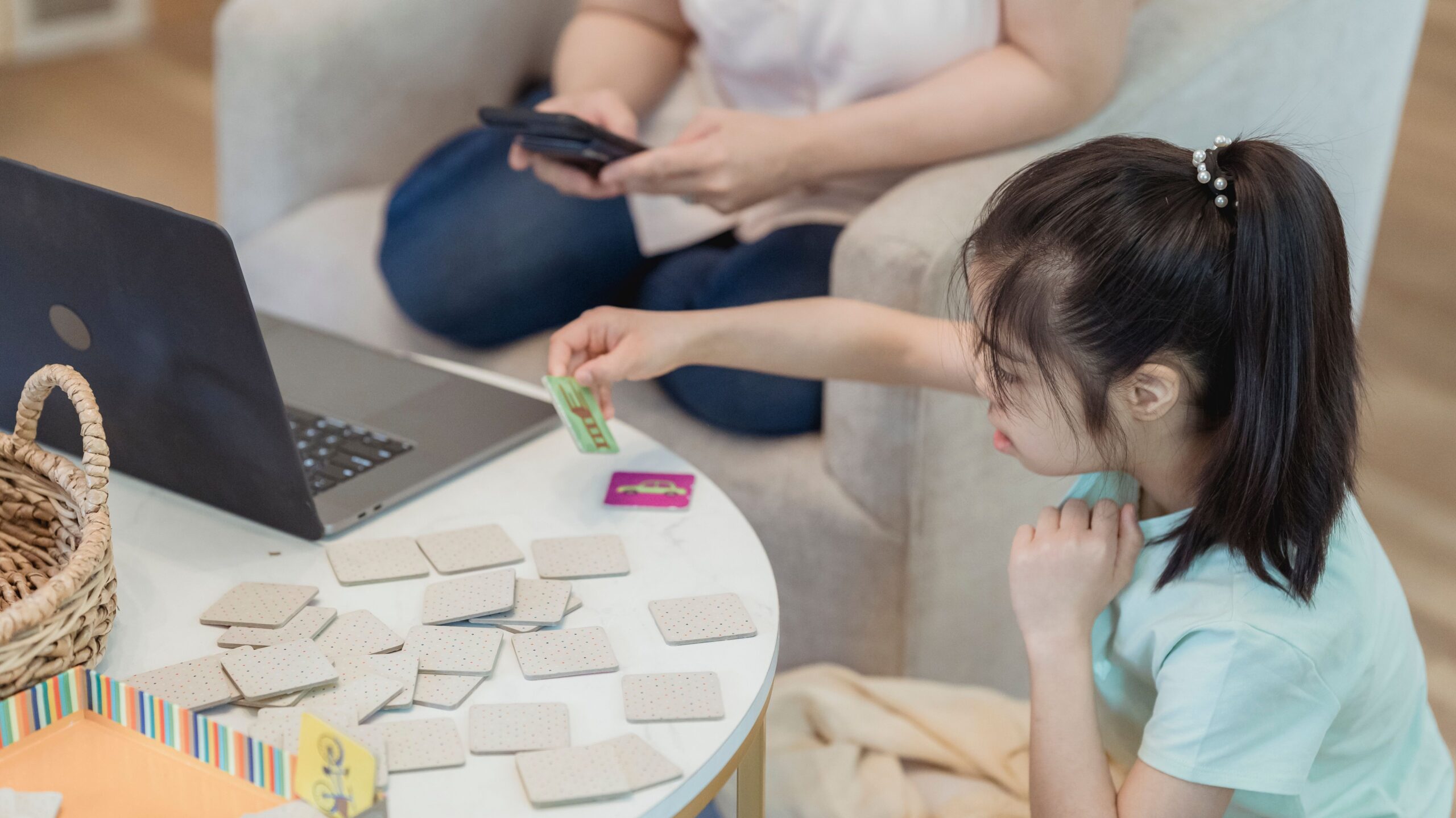
Place the objects on the tray.
Allow one minute to observe them.
Cover the tray.
Ask your child to name every object they remember.
Reveal the tray and compare answers.
🧠 Brain Skills Strengthened
- Working memory
- Attention
- Observation
- Recall
⭐ Brain Tip: Add one extra object each week to increase the challenge.
🔍 Brain Booster 5: Mystery Object Detective
🎯 Brain Mission
Can your child identify the hidden object using only touch?
🧺 You’ll Need
- Cloth bag
- Familiar household objects
Examples:
- Spoon
- Toy car
- Key
- Ball
- Hairbrush
▶️ How to Play
Hide one object inside the bag.
Without looking, your child feels the object carefully.
Ask questions such as:
- Is it hard or soft?
- Is it smooth or rough?
- Is it round or long?
After guessing, remove the object and check the answer.
🧠 Brain Skills Strengthened
- Sensory processing
- Vocabulary
- Observation
- Critical thinking
⭐ Brain Tip: Let your child hide an object for you next.
🌟 Why These Activities Help Growing Brains
Brain development happens through repeated experiences that encourage children to think, explore, solve problems, and imagine. Activities involving movement, puzzles, sensory exploration, and creative play strengthen neural connections while improving attention, memory, and flexible thinking.
💙 Quick Tips for Parents
Instead of focusing on long learning sessions:
- Offer one brain activity each day.
- Let your child experiment freely.
- Ask open-ended questions.
- Praise effort and persistence.
- Keep activities playful and pressure-free.
✅ Brain Power Checklist
☐ Solved a puzzle
☐ Built something creative
☐ Used imagination in drawing
☐ Practiced memory skills
☐ Explored using touch and observation
Brain Booster 6: Pattern Master
🎯 Brain Mission
Can your child spot the pattern and continue it correctly?
🧺 You’ll Need
- Colored blocks
- Beads
- Buttons
- Bottle caps
- Colored paper squares
▶️ How to Play
Create a simple pattern such as:
🔴 🟡 🔴 🟡
or
⭐ ⭐ ❤️ ⭐ ⭐ ❤️
Ask your child:
“What comes next?”
As they improve, make the patterns longer or more challenging.
You can also create patterns using movements:
👏 Jump 👏 Jump
or
Hop – Clap – Spin – Hop – Clap – ?
🧠 Brain Skills Strengthened
- Pattern recognition
- Logical thinking
- Prediction
- Observation
- Concentration
💡 Brain Tip: Invite your child to invent a pattern for you to solve.
🌍 Brain Booster 7: Nature Investigation
🎯 Brain Mission
Can your child become a little scientist?
🧺 You’ll Need
- Magnifying glass (optional)
- Notebook (optional)
▶️ How to Play
Go outside and observe nature.
Challenge your child to discover:
- Three different leaves
- Two kinds of flowers
- One insect
- A feather
- A smooth stone
Ask questions like:
- Why do you think this leaf is bigger?
- Which flower smells the strongest?
- What do you notice about the insect?
Encourage observation rather than giving immediate answers.
🧠 Brain Skills Strengthened
- Scientific thinking
- Curiosity
- Observation
- Vocabulary
- Critical thinking
💡 Brain Tip: Take photos and compare your discoveries during different seasons.
📖 Brain Booster 8: Story Ending Challenge
🎯 Brain Mission
Can your child imagine a brand-new ending?
🧺 You’ll Need
- A favorite storybook
▶️ How to Play
Read a story together.
Before reading the last page, stop and ask:
- How do you think the story ends?
- What would you do differently?
- Can you create a happier ending?
- What happens next?
Every answer is welcome as long as your child explains their thinking.
🧠 Brain Skills Strengthened
- Creative thinking
- Language development
- Prediction
- Communication
- Imagination
💡 Brain Tip: Write down your child’s ending and illustrate it together.
🎲 Brain Booster 9: Problem-Solving Challenge
🎯 Brain Mission
Can your child think like an inventor?
🧺 You’ll Need
Everyday household objects, such as:
- Paper cups
- Tape
- String
- Cardboard tubes
- Building blocks
▶️ How to Play
Give your child a simple challenge.
For example:
- Build a bridge that holds a toy car.
- Create the tallest free-standing tower.
- Design a house for a stuffed animal.
- Build a ramp for a toy vehicle.
Avoid showing the solution.
Instead, ask questions like:
- What could you try next?
- Why do you think it collapsed?
- Is there another way?
🧠 Brain Skills Strengthened
- Problem-solving
- Engineering skills
- Creativity
- Planning
- Persistence
💡 Brain Tip: Celebrate creative ideas—even if they don’t work the first time.
🎭 Brain Booster 10: Guess My Emotion
🎯 Brain Mission
Can your child recognize different emotions?
🧺 You’ll Need
Nothing.
▶️ How to Play
Take turns acting out emotions without speaking.
Examples:
😊 Happy
😮 Surprised
😢 Sad
😠 Angry
😴 Sleepy
😨 Scared
The other player guesses the emotion.
Afterward, discuss:
- When have you felt this way?
- What can help someone feeling like this?
Recognizing emotions supports both emotional intelligence and healthy communication.
🧠 Brain Skills Strengthened
- Emotional intelligence
- Observation
- Communication
- Empathy
- Social awareness
💡 Brain Tip: Encourage your child to talk about emotions openly without judging their feelings.
🌟 Everyday Habits That Naturally Boost Brain Development
Brain development doesn’t happen only during structured activities.
Simple daily habits also play an important role.
Try to include:
- Reading together every day.
- Outdoor play and physical activity.
- Healthy meals with fruits, vegetables, and whole grains.
- Regular sleep routines.
- Open conversations.
- Creative play without screens.
- Time for puzzles, music, and imaginative games.
Small daily experiences help strengthen learning over time.
💙 Parent Reminder
Your goal isn’t to create the smartest child.
Your goal is to raise a curious child who enjoys asking questions, solving problems, and exploring new ideas.
Celebrate effort, creativity, and persistence.
Those qualities often matter far more than getting every answer right.
🌈 Final Thoughts
A child’s brain grows stronger through experiences—not pressure.
Every puzzle solved, every question asked, every story imagined, and every problem explored helps build important thinking skills that support lifelong learning.
The best brain-boosting activities are the ones that encourage children to stay curious, keep trying, and enjoy the process of discovering something new.
So make time to play, explore, build, and imagine together.
Those simple moments are helping your child’s brain grow every single day.
❓ Frequently Asked Questions
What are brain-boosting activities for kids?
Brain-boosting activities are games and experiences that encourage children to think, remember, solve problems, create, and explore. They support cognitive development while making learning enjoyable.
At what age should children start brain games?
Simple brain-boosting activities can begin during the toddler years with matching games, sensory play, building blocks, and storytelling. As children grow, the activities can become more challenging.
How often should we do brain-boosting activities?
Even 15–20 minutes a day of engaging, play-based activities can help strengthen memory, attention, reasoning, and creativity over time.
Do brain games improve academic performance?
Brain games can strengthen skills such as concentration, working memory, and problem-solving, which support learning in subjects like reading, mathematics, and science.
📚 References
- American Academy of Pediatrics – The Power of Play
- Harvard Center on the Developing Child – Brain Development
- Child Mind Institute – Learning Through Play
- UNICEF Parenting – Early Childhood Development
- National Association for the Education of Young Children (NAEYC)
🌟 Continue Exploring on NatureNestia
- Best Memory Games for Kids at Home
- Easy Math Games for Kids at Home
- Fun Learning Games for Kids at Home
- Problem-Solving Activities for Kids at Home
- Educational Games for Kids Without Materials
- Screen-Free Activities for Kids at Home

Aina Arif is a mother of two young children and the founder of NatureNestia. Based in Pakistan, she spent three years as an early childhood educator before becoming a full-time parent and writer. She writes about learning through play, managing difficult behaviour, and building strong family bonds.
Pingback: 5 Minute Learning Activities for Kids at Home -
yes thats a good strategy to know how they learn