By Aina Arif | Updated: June 2026 | 8 min read
Science Starts With a Simple Question
Have you ever heard a child ask:
“Why did that happen?”
“Can we try it again?”
“What if we change this?”
That’s exactly how scientists think.
Science isn’t about memorizing difficult words or working in a laboratory full of expensive equipment.
It’s about being curious, making predictions, testing ideas, and learning from the results.
The best part?
Many exciting science experiments can be done right at home using everyday kitchen supplies.
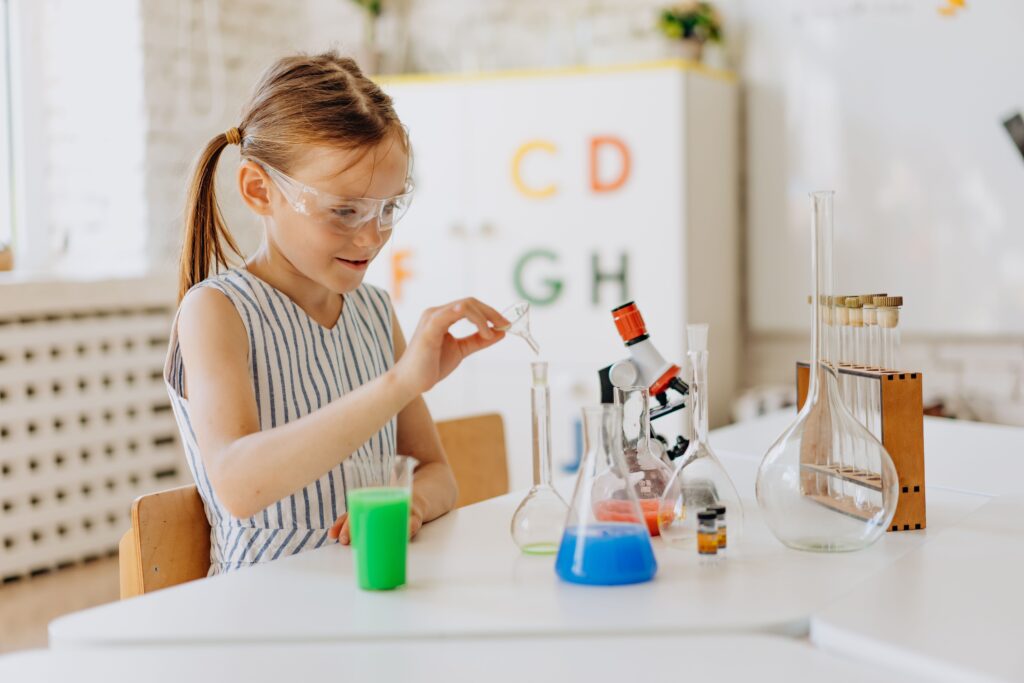
The activities below are simple, hands-on, and designed to help children explore real scientific concepts while having fun.
Let’s open today’s Kitchen Science Lab!
🧪 Experiment 1: Magic Color Mixing
One of the easiest ways to introduce children to science is by exploring how colors change.
Watching two colors become a completely new color feels like magic—but it’s actually science.
What You’ll Need
- Three clear cups
- Water
- Red, blue, and yellow food coloring
- Spoon
Let’s Test It
- Fill each cup halfway with water.
- Add a different food coloring to each cup.
- Mix red and yellow together.
- Try blue and yellow.
- Finally, mix red and blue.
Ask your child to guess the new color before mixing.
Making predictions is an important part of scientific thinking.
What’s Happening?
Primary colors combine to create secondary colors.
Instead of simply watching colors change, children begin understanding that combining materials can create something completely different.
Ask Your Little Scientist
- Which color surprised you the most?
- Can you create green without using green coloring?
- What happens if you add more blue than yellow?
Try This Twist
Use paint instead of colored water and compare whether the colors behave differently.
🧪 Experiment 2: Dancing Raisins
Can raisins dance?
At first, children usually laugh at the idea.
But after this experiment, they quickly discover something amazing.
What You’ll Need
- Clear glass
- Sparkling water
- A handful of raisins
Let’s Test It
- Pour sparkling water into the glass.
- Drop in several raisins.
- Watch carefully for two or three minutes.
The raisins begin moving up and down as if they’re dancing.
What’s Happening?
Tiny carbon dioxide bubbles stick to the raisins.
The bubbles make the raisins light enough to float upward.
When the bubbles pop at the surface, the raisins become heavier and sink again.
The process repeats over and over.
🔍 Observe This
Look closely.
Do all the raisins move at the same speed?
Why might some move faster than others?
🧪 Experiment 3: Sink or Float Challenge
Children naturally love making predictions.
This experiment encourages them to test ideas before discovering the answer.
What You’ll Need
- Large bowl of water
- Spoon
- Coin
- Plastic toy
- Cork
- Leaf
- Small rock
- Bottle cap
Let’s Test It
Before placing each object into the water, ask your child:
“Do you think it will sink or float?”
Record each prediction.
Then test every object one by one.
Sometimes the biggest surprises create the best learning moments.
What’s Happening?
Objects float or sink depending on factors such as density, shape, and the amount of water they displace.
Children don’t need to memorize these terms yet.
Simply observing the differences is enough to build scientific curiosity.
💡 Did You Notice?
Two objects may look similar but behave completely differently in water.
Ask your child why they think that happened.
Science Isn’t About Getting the Right Answer
Real scientists don’t always know what will happen before an experiment begins.
Sometimes experiments work exactly as expected.
Sometimes they don’t.
Both outcomes are valuable because every result teaches us something new.
Encourage your child to ask questions, make guesses, and even make mistakes.
That’s how scientific thinking grows.
🧪 Experiment 4: Balloon Inflation Without Blowing
Can you inflate a balloon without using your breath?
This experiment always surprises children because it looks almost impossible.
What You’ll Need
- Balloon
- Empty plastic bottle
- Vinegar
- Baking soda
- Small funnel
Let’s Test It
- Pour vinegar into the bottle.
- Use the funnel to fill the balloon with baking soda.
- Carefully stretch the balloon over the bottle opening.
- Lift the balloon so the baking soda falls into the vinegar.
Watch what happens next.
What’s Happening?
When baking soda and vinegar mix, they create carbon dioxide gas.
The gas has nowhere to go except into the balloon, causing it to inflate.
🧠 Brain Booster
Would a bigger bottle make the balloon larger?
Ask your child to explain their prediction before trying again.
🧪 Experiment 5: Walking Water Rainbow
This colorful experiment almost feels like magic because the water appears to walk on its own.
What You’ll Need
- Six clear cups
- Water
- Paper towels
- Red, yellow, and blue food coloring
Let’s Test It
Arrange the cups in a row.
Fill every other cup with colored water.
Leave the cups between them empty.
Fold paper towels into strips and place one end into a full cup and the other end into an empty cup.
Wait patiently.
Over time, the colored water begins traveling through the paper towels into the empty cups.
What’s Happening?
Tiny spaces inside the paper towel pull water upward and across.
This process is called capillary action, and it’s similar to how plants move water from their roots to their leaves.
🌈 What If…
Try using warm water and cold water.
Does one move faster than the other?
🧪 Experiment 6: Growing Ice Tower
This experiment combines building, observation, and a little patience.
What You’ll Need
- Ice cubes
- Plate
- Salt
- Food coloring
- Dropper or spoon
Let’s Test It
Stack several ice cubes on a plate.
Sprinkle a small amount of salt where the cubes touch.
Add a few drops of colored water over the top.
Wait a few minutes.
Notice how the cubes begin sticking together.
What’s Happening?
Salt briefly melts the surface of the ice.
As the water cools again, it refreezes and bonds the cubes together.
⭐ Extra Challenge
Can your child build the tallest ice tower before it falls?
Try experimenting with different cube sizes.
Young Scientists Ask Great Questions
By now your child has probably asked questions like:
“Why did the balloon grow?”
“How did the water move?”
“Why did the raisins keep floating?”
Those questions are more important than memorizing scientific facts.
Curiosity is the first step toward scientific discovery.
The goal of these experiments isn’t to create future scientists overnight.
It’s to encourage children to wonder, investigate, and enjoy learning through hands-on exploration.
Experiment 7: Invisible Ink Message
Science can also feel like a secret mission.
This experiment turns your child into a little detective who writes hidden messages.
What You’ll Need
- Lemon juice (or milk)
- Cotton bud or paintbrush
- White paper
- Lamp, candle, or warm iron (adult use only)
Let’s Test It
- Dip the cotton bud into lemon juice.
- Write or draw on white paper.
- Let it dry completely—nothing will be visible.
- Gently heat the paper using a lamp bulb or adult-supervised heat source.
Slowly, the hidden writing appears.
What’s Happening?
Lemon juice is slightly acidic and weakens the paper fibers.
When heat is applied, the areas with lemon juice burn faster and turn brown, revealing the message.
🔍 Observe This
Ask your child:
- Why do you think the message was invisible at first?
- What changed when we added heat?
🧪 Experiment 8: Static Electricity Butterfly
This experiment shows how invisible forces can move objects.
What You’ll Need
- Tissue paper
- Balloon
- Scissors
- Wool cloth or hair
Let’s Test It
- Cut a simple butterfly shape from tissue paper.
- Place it on a table.
- Rub the balloon on your hair or wool cloth for 20–30 seconds.
- Bring the balloon close to the butterfly.
Watch the butterfly “move” toward the balloon.
What’s Happening?
Rubbing the balloon creates static electricity.
This invisible charge attracts light objects like tissue paper.
🧠 Brain Booster
Try using different materials:
- Does plastic work better than wool?
- What happens if you use a bigger balloon?
🧪 Experiment 9: Homemade Lava Lamp
This experiment is colorful, calming, and full of movement.
What You’ll Need
- Clear bottle or jar
- Water
- Vegetable oil
- Food coloring
- Alka-Seltzer tablet
Let’s Test It
- Fill the bottle halfway with water.
- Add oil on top.
- Add a few drops of food coloring.
- Break an Alka-Seltzer tablet into small pieces and drop it in.
Watch colorful bubbles rise and fall like lava.
What’s Happening?
Oil and water do not mix because they have different densities.
The tablet releases gas bubbles that carry colored water upward, creating a lava-like effect.
🌈 What If…
Try different color combinations or smaller tablet pieces.
Does the lava move faster or slower?
🧪 Experiment 10: Magnet Treasure Hunt
Now it’s time to explore invisible magnetic forces.
What You’ll Need
- Small magnet
- Various household items (coin, spoon, paperclip, plastic toy, rubber band, key)
- Basket
Let’s Test It
Hide different objects around the room.
Ask your child to use a magnet to find “magnetic treasure.”
Sort items into two groups:
- Magnetic
- Non-magnetic
What’s Happening?
Magnets attract certain metals like iron and steel.
Other materials like plastic and wood are not affected.
🔍 Observe This
Ask:
- Why do some objects stick and others don’t?
- What do all magnetic items have in common?
🧪 Experiment 11: Ice Melting Race
This experiment teaches how temperature affects matter.
What You’ll Need
- Ice cubes
- Salt
- Sugar
- Warm water
- Timer
Let’s Test It
Place ice cubes on a plate.
Sprinkle different substances on each cube:
- Salt on one
- Sugar on another
- Leave one plain
Observe which melts the fastest.
What’s Happening?
Salt lowers the freezing point of ice, making it melt faster than sugar or plain ice.
🧠 Brain Booster
Ask your child:
- Which substance worked fastest?
- What might happen if we use warm water instead?
Science Is About Curiosity, Not Perfection
At this stage, your child doesn’t need to understand every scientific term.
What matters most is:
- Asking questions
- Making predictions
- Observing carefully
- Talking about results
- Trying again
Even if an experiment doesn’t work perfectly, it still teaches something valuable.
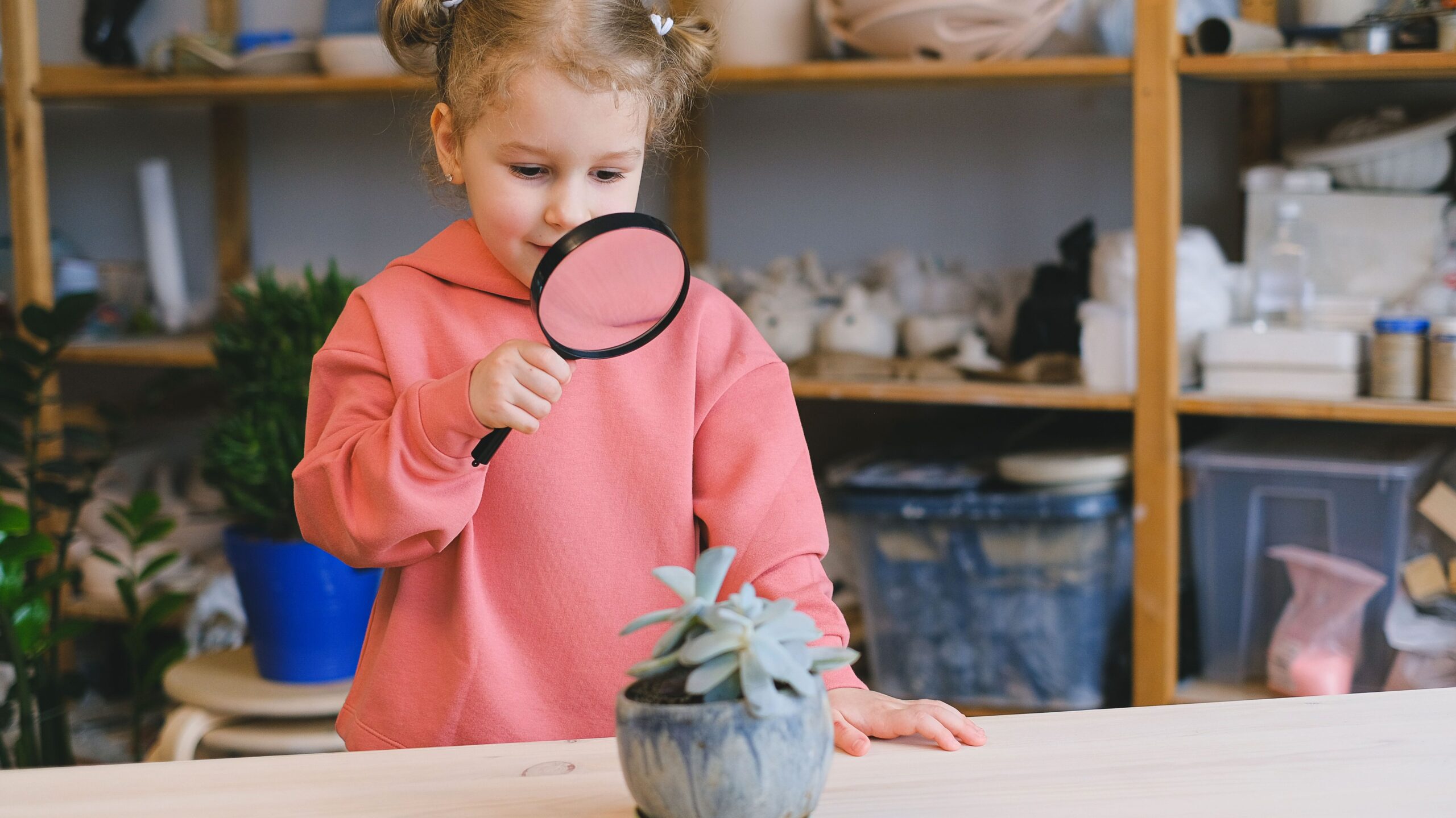
🧪 Young Scientist Reflection Time
After completing experiments, sit with your child and ask:
- Which experiment surprised you the most?
- What would you like to try again?
- What do you think will happen next time?
- Which experiment felt like magic?
These conversations strengthen memory and encourage deeper thinking.
🌟 Build a Mini Science Lab at Home
You don’t need a full laboratory—just a small corner at home.
Include simple items like:
- Clear cups and bottles
- Baking soda
- Vinegar
- Food coloring
- Magnets
- Droppers or spoons
- Paper towels
- Small trays
- Safety goggles (optional fun)
Let your child know this is their “science zone.”
Frequently Asked Questions
Are home science experiments safe for kids?
Yes, most simple experiments using kitchen items are safe when supervised by an adult. Always avoid sharp objects, boiling liquids, or strong chemicals.
At what age can children start science experiments?
Even preschoolers can enjoy simple experiments like mixing colors, floating objects, or observing ice melt. Activities should always match the child’s developmental level.
Do I need expensive science kits?
No. Most powerful learning happens using everyday household items like vinegar, baking soda, water, magnets, and paper.
What if the experiment doesn’t work?
That’s part of science. Failed experiments help children understand that testing ideas is more important than getting perfect results.
Final Thoughts
Science at home is not about complexity.
It’s about curiosity in its simplest form.
A balloon that grows on its own.
Colors that travel through paper.
Ice that melts in surprising ways.
Invisible forces that move objects.
Each experiment opens a small door into how the world works.
When children explore science through play, they don’t just learn facts—they learn how to think, question, and discover.
And that mindset stays with them far beyond childhood.
So keep experimenting, keep asking questions, and most importantly—keep wondering together.
References
This article is informed by trusted science and education sources, including:
- American Chemical Society (ACS Education)
- National Science Teaching Association (NSTA)
- Science Buddies
- Exploratorium
- Education.com science learning resources
Continue Exploring on NatureNestia
You may also enjoy:
- Montessori Activities for Toddlers
- Sensory Activities for Toddlers
- Gross Motor Activities for Toddlers
- Make Learning Fun for Kids
- Number Tracing Worksheets
- Outdoor Learning Activities for Kids

Aina Arif is a mother of two young children and the founder of NatureNestia. Based in Pakistan, she spent three years as an early childhood educator before becoming a full-time parent and writer. She writes about learning through play, managing difficult behaviour, and building strong family bonds.