By Aina Arif | Updated: June 2026 | 9 min read
Every Outdoor Adventure Is a Classroom Without Walls
Children don’t always need desks, worksheets, or screens to learn something new.
Sometimes the greatest lessons begin with a single question:
“Why is that leaf yellow?”
“Where did the butterfly go?”
“Why do clouds move?”
The outdoors naturally sparks curiosity.
A simple walk through the garden, a visit to the park, or even time spent in your backyard can become a science lesson, an art project, a math activity, and a language exercise—all at the same time.
The best part?
Children often don’t even realize they’re learning because they’re too busy exploring.
Welcome to your child’s Nature Explorer Passport, where every mission unlocks a new discovery.
Pack your curiosity, put on comfortable shoes, and let’s begin the adventure.
#1: Leaf Detective
Explorer Mission
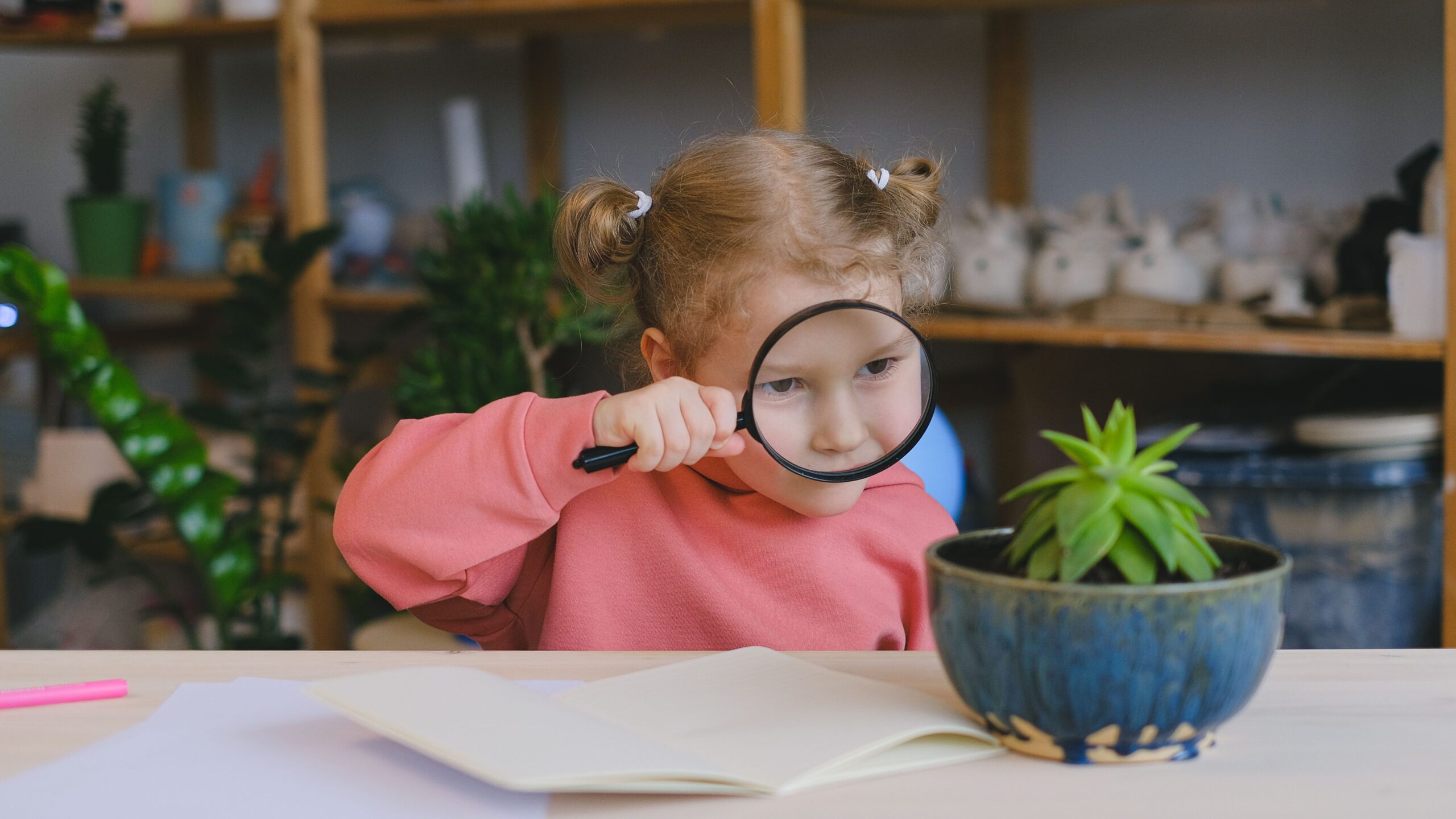
Today’s goal is to become a nature detective by investigating leaves.
Every leaf tells a different story through its color, shape, size, and texture.
You’ll Need
- A small basket or paper bag
- Magnifying glass (optional)
- Notebook or paper
- Crayons
Collect several different leaves together.
Ask questions like:
- Which leaf is the biggest?
- Which one feels smooth?
- Which one has tiny edges?
- Which colors can you find?
Back at home, make simple leaf rubbings using crayons and paper.
What Kids Will Discover
This activity develops:
- Observation skills
- Early science thinking
- Vocabulary
- Comparing and sorting skills
Bonus Challenge
Can your child find:
- Three different colors?
- Five different shapes?
- One tiny leaf and one giant leaf?
Explorer Badge Earned
🍃 Nature Detective
#2: Sound Hunter
Explorer Mission
Today’s challenge isn’t about looking.
It’s about listening.
Nature is full of sounds that children often miss when they’re rushing from one place to another.
You’ll Need
Nothing except quiet ears.
Find a peaceful outdoor spot.
Close your eyes together for one minute.
Listen carefully.
Can you hear:
- Birds singing?
- Wind moving through trees?
- Insects buzzing?
- Dogs barking?
- Leaves rustling?
After listening, ask your child to describe every sound they noticed.
What Kids Will Discover
Children strengthen:
- Listening skills
- Concentration
- Memory
- Language development
Bonus Challenge
Try identifying which sounds are:
- Near
- Far away
- Loud
- Soft
Explorer Badge Earned
🎧 Nature Listener
#3: Sky Watcher
Explorer Mission
Today’s classroom is above your head.
Lie on a blanket together and spend time simply watching the sky.
Clouds change shape every minute.
Birds glide overhead.
The sunlight creates different patterns.
Ask your child:
“What do those clouds look like?”
Maybe they see:
- A dragon
- A rabbit
- An ice cream cone
- A pirate ship
Every answer is correct.
Imagination is part of learning.
You’ll Need
- Blanket
- Hat on sunny days
- Water bottle
What Kids Will Discover
Sky watching encourages:
- Creativity
- Observation
- Storytelling
- Calmness
- Patience
Bonus Challenge
Draw your favorite cloud shape after returning home.
Explorer Badge Earned
☁️ Cloud Explorer
Progress Check
Three stamps already!
Your child has practiced:
✅ Careful observation
✅ Active listening
✅ Creative thinking
Without opening a single workbook.
That’s the magic of outdoor learning.
#4: Rock Explorer
Explorer Mission
Not all rocks look the same.
Today’s mission is to become a geologist for the day.
Search for several different rocks.
Compare them together.
Which one is:
- Smooth?
- Rough?
- Heavy?
- Light?
- Round?
- Flat?
Encourage your child to sort the rocks into different groups.
You’ll Need
- Small bucket
- Magnifying glass (optional)
- Outdoor space
What Kids Will Discover
Rock exploration develops:
- Scientific observation
- Classification skills
- Descriptive vocabulary
- Critical thinking
Bonus Challenge
Can your child arrange the rocks from smallest to largest?
Explorer Badge Earned
🪨 Rock Researcher
#5: Mini Scientist
Explorer Mission
Science begins with curiosity.
Today’s investigation focuses on tiny living things.
Observe insects without touching them.
Watch how they move.
Where are they going?
What are they carrying?
How do they react when something changes nearby?
Simple questions encourage children to think like scientists.
You’ll Need
- Magnifying glass (optional)
- Notebook
- Pencil
What Kids Will Discover
Children practice:
- Asking questions
- Predicting outcomes
- Careful observation
- Respect for living creatures
Bonus Challenge
Count how many different insects you can safely spot in ten minutes.
Explorer Badge Earned
🔬 Junior Scientist
#6: Nature Artist
Explorer Mission
Nature creates beautiful art.
Now it’s your child’s turn.
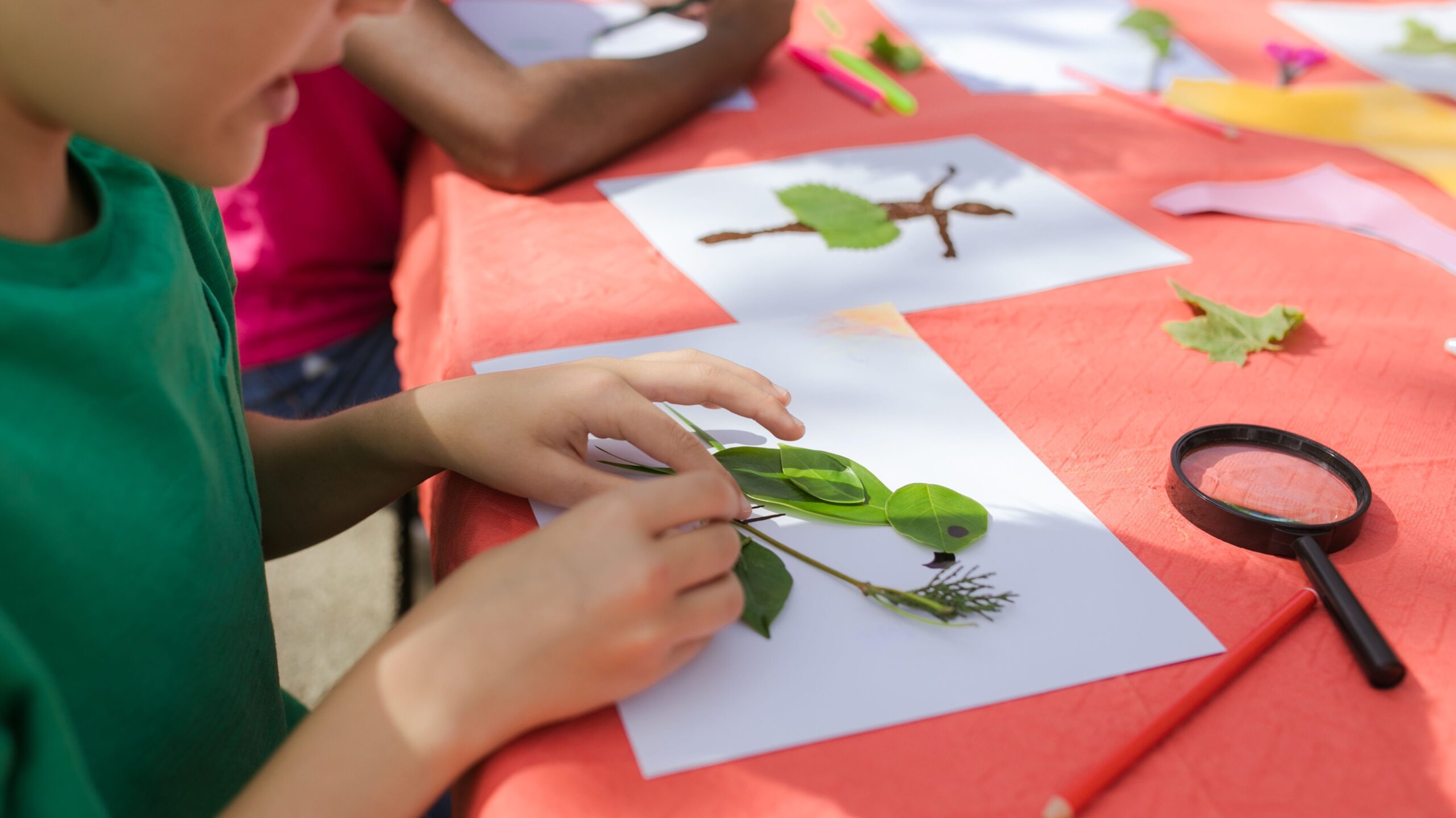
Collect fallen natural materials such as:
- Leaves
- Small sticks
- Flower petals
- Pinecones
- Seed pods
Arrange them into pictures on the ground.
Ideas include:
- Butterflies
- Trees
- Houses
- Smiley faces
- Animals
Take a photograph before the wind changes your masterpiece.
What Kids Will Discover
Nature art supports:
- Creativity
- Fine motor skills
- Pattern recognition
- Appreciation for nature
Bonus Challenge
Create a picture using only circles or only straight shapes found in nature.
Explorer Badge Earned
🎨 Nature Artist
📖 Explorer’s Field Notes
Encourage your child to keep a simple outdoor journal.
They don’t need to write long sentences.
They can:
- Draw today’s discovery.
- Color a leaf they found.
- Count birds.
- Record the weather.
- Stick in a fallen leaf (if appropriate).
Over time, this becomes a wonderful collection of memories and learning.
Parent Reminder
Children don’t remember every fact you teach them.
They remember how learning made them feel.
If exploring outdoors feels exciting, peaceful, and full of wonder, they’ll naturally stay curious for years to come.
#7: Trail Navigator
Explorer Mission
Today’s challenge is all about finding the way.
You don’t need a forest trail—even a backyard, local park, or quiet walking path can become an exciting navigation adventure.
Create a simple route using natural landmarks.
For example:
- Walk to the tallest tree.
- Turn left at the wooden bench.
- Count ten steps.
- Find the flower bed.
- Return to the starting point.
Older children can help create the route for other family members to follow.
You’ll Need
- Comfortable shoes
- A small notebook (optional)
- Safe outdoor space
What Kids Will Discover
Navigation activities encourage:
- Direction awareness
- Problem-solving
- Memory
- Observation
- Confidence
Bonus Challenge
Ask your child to lead the family back to the starting point without help.
Explorer Badge Earned
🧭 Trail Navigator
#8: Earth Protector
Explorer Mission
Every explorer also protects nature.
Today’s mission teaches children that even small actions can make a positive difference.
Carry a small reusable bag during your walk.
Together, safely collect litter using gloves or adult assistance.
Talk about simple ways to care for the environment, such as:
- Putting rubbish in bins
- Saving water
- Respecting plants
- Leaving animal habitats undisturbed
- Recycling at home
Children learn best when they see adults setting a positive example.
You’ll Need
- Reusable bag
- Protective gloves
- Adult supervision
What Kids Will Discover
This activity develops:
- Environmental responsibility
- Community awareness
- Kindness
- Respect for nature
Bonus Challenge
Plant a flower, herb, or small tree together and visit it regularly to observe how it grows.
Explorer Badge Earned
🌱 Earth Protector
🎒 Build Your Nature Explorer Backpack
You don’t need expensive equipment to enjoy outdoor learning.
A few simple supplies are enough for countless adventures.
| Backpack Item | Why It’s Useful |
|---|---|
| Magnifying glass | Observe insects, leaves, and rocks |
| Notebook | Draw discoveries and record observations |
| Crayons | Leaf rubbings and sketching |
| Reusable water bottle | Stay hydrated |
| Small collection bag | Gather natural treasures |
| Child-safe binoculars | Watch birds and distant objects |
| Hat and sunscreen | Sun protection |
| Hand wipes | Easy clean-up after exploring |
Keeping a ready-to-go backpack makes spontaneous outdoor adventures much easier.
Turn Every Season Into a Learning Opportunity
Nature changes throughout the year, giving children new experiences with every season.
🌸 Spring
- Watch flowers bloom.
- Count butterflies.
- Listen for birdsong.
☀️ Summer
- Explore shadows.
- Observe insects.
- Measure the height of plants.
🍂 Autumn
- Collect colorful leaves.
- Compare acorns and pinecones.
- Notice changing tree colors.
❄️ Winter
- Observe bare branches.
- Look for animal footprints.
- Watch different cloud patterns.
Every season offers fresh discoveries without repeating the same activities.
Your Child’s Explorer
Before heading home, see how many badges your child has earned.
☐ Nature Detective
☐ Nature Listener
☐ Cloud Explorer
☐ Rock Researcher
☐ Junior Scientist
☐ Nature Artist
☐ Trail Navigator
☐ Earth Protector
Remember, collecting badges isn’t about finishing every activity.
It’s about building curiosity, confidence, and a lifelong love of learning outdoors.
Frequently Asked Questions
At what age can children begin outdoor learning?
Outdoor learning can begin in infancy through simple sensory experiences and continue throughout childhood.
For preschoolers and school-age children, nature provides endless opportunities to explore science, language, math, creativity, and physical development in age-appropriate ways.
How often should kids participate in outdoor learning?
Even two or three outdoor learning sessions each week can make a meaningful difference.
Short daily walks, park visits, or backyard exploration also provide valuable learning opportunities.
Consistency matters more than the length of each activity.
What if we don’t have a garden?
That’s perfectly okay.
Outdoor learning can happen in:
- Local parks
- Community gardens
- Nature trails
- Beaches
- School playgrounds
- Apartment courtyards
- Even quiet neighborhood walks
Children can discover something new almost anywhere.
Do outdoor learning activities support school skills?
Yes.
Many outdoor experiences naturally strengthen skills used in the classroom, including:
- Observation
- Problem-solving
- Vocabulary
- Counting
- Pattern recognition
- Scientific thinking
- Creative storytelling
Children often remember lessons more easily when they experience them firsthand.
How can I keep outdoor learning safe?
Choose age-appropriate locations, supervise children closely, carry water, apply sun protection when needed, and teach simple safety rules such as staying together and respecting wildlife.
The goal is to encourage exploration while keeping every adventure safe and enjoyable.
Final Thoughts
The world outside your front door is filled with lessons waiting to be discovered.
A fallen leaf can introduce science.
A cloud can inspire a story.
A tiny insect can spark endless questions.
A simple walk can become an unforgettable learning adventure.
Children don’t always need expensive educational resources to grow.
Sometimes they simply need time to wonder, observe, ask questions, and explore with someone who shares their excitement.
The greatest gift you can offer isn’t having all the answers.
It’s encouraging your child to keep asking questions.
Because every outdoor adventure plants seeds of curiosity that can grow for a lifetime.
So pack your explorer backpack, step outside, and let nature become your child’s favorite classroom.
References
This article is informed by guidance from trusted child development and outdoor education organizations, including:
- American Academy of Pediatrics (AAP)
- HealthyChildren.org
- National Association for the Education of Young Children (NAEYC)
- Children & Nature Network
- UNICEF Parenting
Continue Exploring on NatureNestia
You may also enjoy:
- Things to Do With Kids
- Gross Motor Activities for Toddlers at Home
- Rainy Day Activities for Toddlers
- Sensory Activities for Babies at Home
- Social Skills Activities for Kids
- Activities for Babies at Home

Aina Arif is a mother of two young children and the founder of NatureNestia. Based in Pakistan, she spent three years as an early childhood educator before becoming a full-time parent and writer. She writes about learning through play, managing difficult behaviour, and building strong family bonds.
Pingback: 20 Gross Motor Activities for Toddlers at Home – No Equipment Needed - Nature Nestia