
By Aina Arif | Published: May 2026 | 10 min read
Not all screen time is created equal.
One child may spend thirty minutes watching random videos, while another spends the same amount of time solving puzzles, practicing math, learning new words, or exploring science through interactive games.
The difference isn’t just the screen.
It’s how the screen is being used.
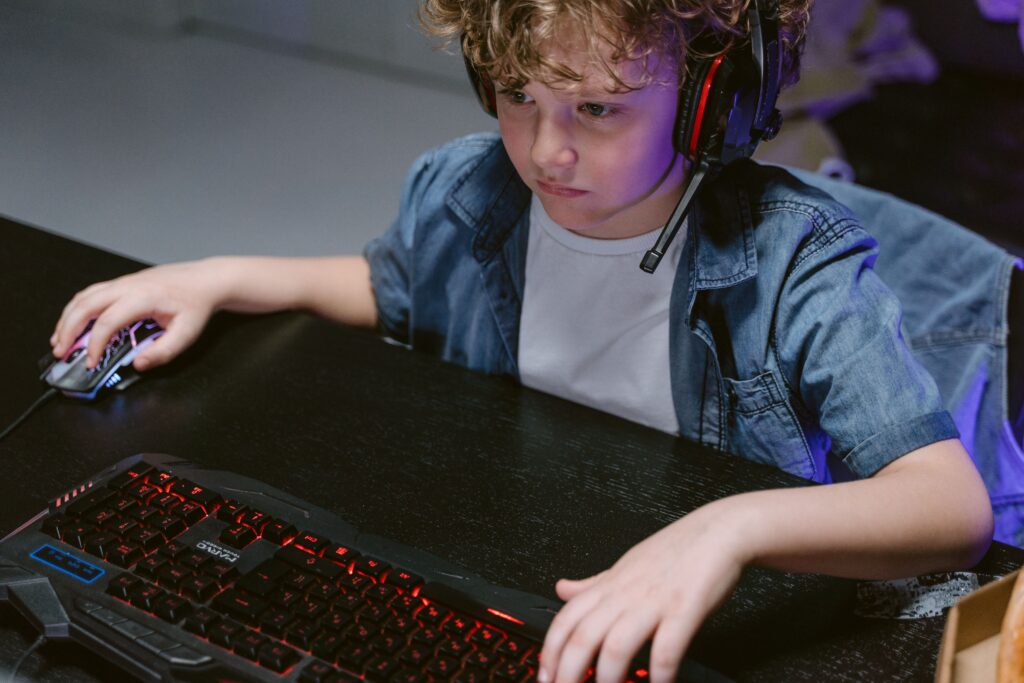
When parents choose high-quality educational games and stay involved in the learning process, online play can become an opportunity to strengthen reading, math, problem-solving, creativity, and critical thinking skills. Research suggests that well-designed educational games can improve motivation and support cognitive development when used in moderation and alongside real-world learning experiences.
Free educational games make these opportunities available to families without requiring expensive subscriptions or special equipment.
Before Choosing Any Online Game
A colorful game isn’t automatically educational.
Before your child starts playing, ask yourself a few simple questions:
- Does the game teach a real skill?
- Is it appropriate for my child’s age?
- Does it avoid unnecessary advertisements?
- Can my child learn by solving problems instead of simply tapping the screen?
- Does it encourage thinking rather than endless repetition?
The best educational games challenge children to think, experiment, and make decisions instead of rewarding random clicking.
Learning Through Play Really Works
Children naturally learn through play.
When educational content is presented as a game, many children stay engaged longer because learning feels enjoyable instead of stressful.
Online educational games can support:
- Early reading
- Letter recognition
- Vocabulary
- Math skills
- Memory
- Logical thinking
- Creativity
- Problem-solving
The goal isn’t replacing traditional learning.
Instead, educational games work best when they complement books, conversations, outdoor play, and hands-on activities.
Learning Zone 1: Reading and Language Games
Games that focus on letters, sounds, and vocabulary help children build early literacy skills.
These games may include:
- Matching uppercase and lowercase letters
- Beginning sounds
- Rhyming words
- Simple spelling games
- Picture-word matching
- Reading short stories
Children often remember new words more easily when they discover them through interactive play.
Learning Zone 2: Math Games
Math becomes less intimidating when children solve puzzles and complete challenges instead of filling out worksheets.
Good educational math games may include:
- Counting
- Number recognition
- Shapes
- Patterns
- Addition
- Subtraction
- Measurement
- Logical puzzles
Many games gradually increase difficulty, allowing children to build confidence one level at a time.
Learning Zone 3: Science and Discovery Games
Curious children enjoy asking questions.
Science-based games encourage exploration through interactive experiments and problem-solving.
Topics often include:
- Animals
- Plants
- Space
- Weather
- Oceans
- Human body
- Simple physics
These games encourage children to observe, predict, and discover rather than simply memorize facts.

Learning Zone 4: Creativity Games
Not every educational game has a right or wrong answer.
Creative games allow children to:
- Draw pictures
- Build virtual structures
- Design characters
- Create music
- Tell stories
- Solve open-ended challenges
Creative thinking is an important part of learning because it encourages imagination and independent decision-making.
What Makes a Great Educational Game?
The best games usually have several things in common.
They:
- Match the child’s age and skill level.
- Give helpful feedback instead of punishment.
- Encourage exploration.
- Keep instructions simple.
- Include clear learning goals.
- Reward effort and problem-solving.
A child should finish the game having learned something—not simply earned points.
Choosing Safe Online Games
Safety should always come before entertainment.
Before allowing your child to play, check whether the game:
- Has age-appropriate content.
- Doesn’t require chatting with strangers.
- Avoids excessive advertising.
- Doesn’t encourage unnecessary purchases.
- Clearly explains its privacy settings.
Whenever possible, younger children benefit from playing educational games with a parent nearby, especially when trying a new website or app.
Turn Screen Time Into Family Learning Time
Educational games become even more valuable when adults participate.
Instead of handing over a device and walking away, try playing together.
Ask questions such as:
- “How did you solve that puzzle?”
- “Can you teach me what you learned?”
- “What was the hardest level?”
- “Which game would you play again?”
These conversations help children reflect on their learning while strengthening communication skills.
Balance Digital Learning With Real-World Activities
Online games should inspire learning beyond the screen.
For example:
After playing a math game:
- Count objects around the house.
After a science game:
- Try a simple experiment together.
After a vocabulary game:
- Read a storybook using some of the new words.
Connecting digital learning with real-life experiences helps children remember concepts more effectively.
Create a Healthy Screen-Time Routine
Instead of allowing unlimited gaming, build a predictable routine.
A simple example:
| Time | Activity |
|---|---|
| 15–20 minutes | Educational online game |
| 20 minutes | Reading together |
| 30 minutes | Outdoor play |
| Creative time | Drawing, crafts, or building with blocks |
This balance helps children enjoy technology while still developing social, physical, and creative skills.
Signs an Educational Game Is Helping
Rather than focusing on high scores, watch for meaningful progress.
Positive signs include:
- Your child explains what they learned.
- They ask thoughtful questions.
- They solve problems independently.
- They become more confident with reading or math.
- They want to continue learning away from the screen.
These moments suggest the game is supporting genuine learning rather than passive entertainment.
How to Choose the Right Educational Game for Your Child
Every child learns differently.
A game that keeps one child engaged may feel too easy—or too difficult—for another.
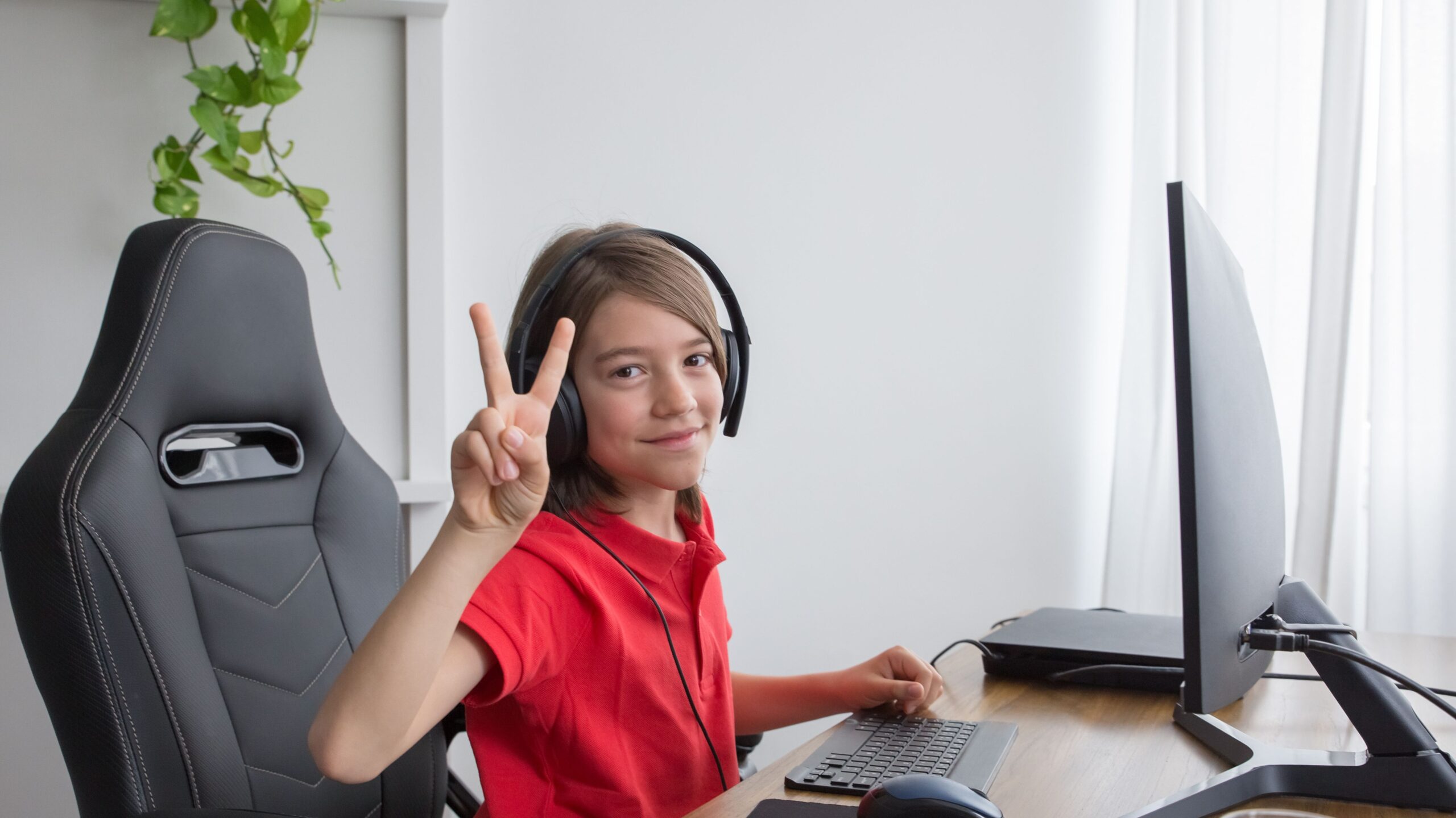
Instead of downloading every popular game, match the game to your child’s current interests and learning goals.
Use this simple guide:
| If Your Child Loves… | Try Games About… |
|---|---|
| Animals | Wildlife, habitats, nature |
| Building | Engineering, construction puzzles |
| Art | Drawing, coloring, design |
| Numbers | Math challenges and logic games |
| Stories | Reading adventures and vocabulary |
| Science | Space, weather, experiments |
| Music | Rhythm and sound activities |
Choosing games that match a child’s curiosity often leads to longer engagement and deeper learning.
Learning Doesn’t End When the Game Ends
One of the easiest ways to make educational games more valuable is by extending the learning offline.
For example:
If your child plays a cooking game,
try making a simple recipe together.
After a wildlife game,
visit a zoo or watch a documentary about the featured animals.
If they complete a geometry puzzle,
challenge them to find circles, squares, and triangles around the house.
These simple connections help children apply what they’ve learned in real life.
Make Educational Gaming Active Instead of Passive
Instead of allowing children to sit quietly for long periods, add movement between gaming sessions.
Try activities like:
- Jump 10 times after every completed level.
- Stretch for two minutes.
- Dance to a favorite song.
- Toss and catch a soft ball.
- Walk around the garden.
Movement breaks improve attention while reducing long periods of sitting.
Encourage Thinking Instead of Winning
Many educational games include scores, badges, and rewards.
While these can motivate children, learning should always remain the main focus.
Instead of asking,
“Did you win?”
Try asking:
- What did you discover?
- Which level was the most challenging?
- What strategy helped you solve the puzzle?
- Would you do anything differently next time?
Questions like these encourage reflection and problem-solving.
Digital Skills Children Can Build
When educational games are chosen carefully, children may strengthen skills such as:
- Critical thinking
- Decision-making
- Memory
- Reading comprehension
- Number sense
- Creativity
- Spatial awareness
- Pattern recognition
- Logical reasoning
- Digital confidence
These skills can support both classroom learning and everyday problem-solving.
Warning Signs a Game Isn’t Educational
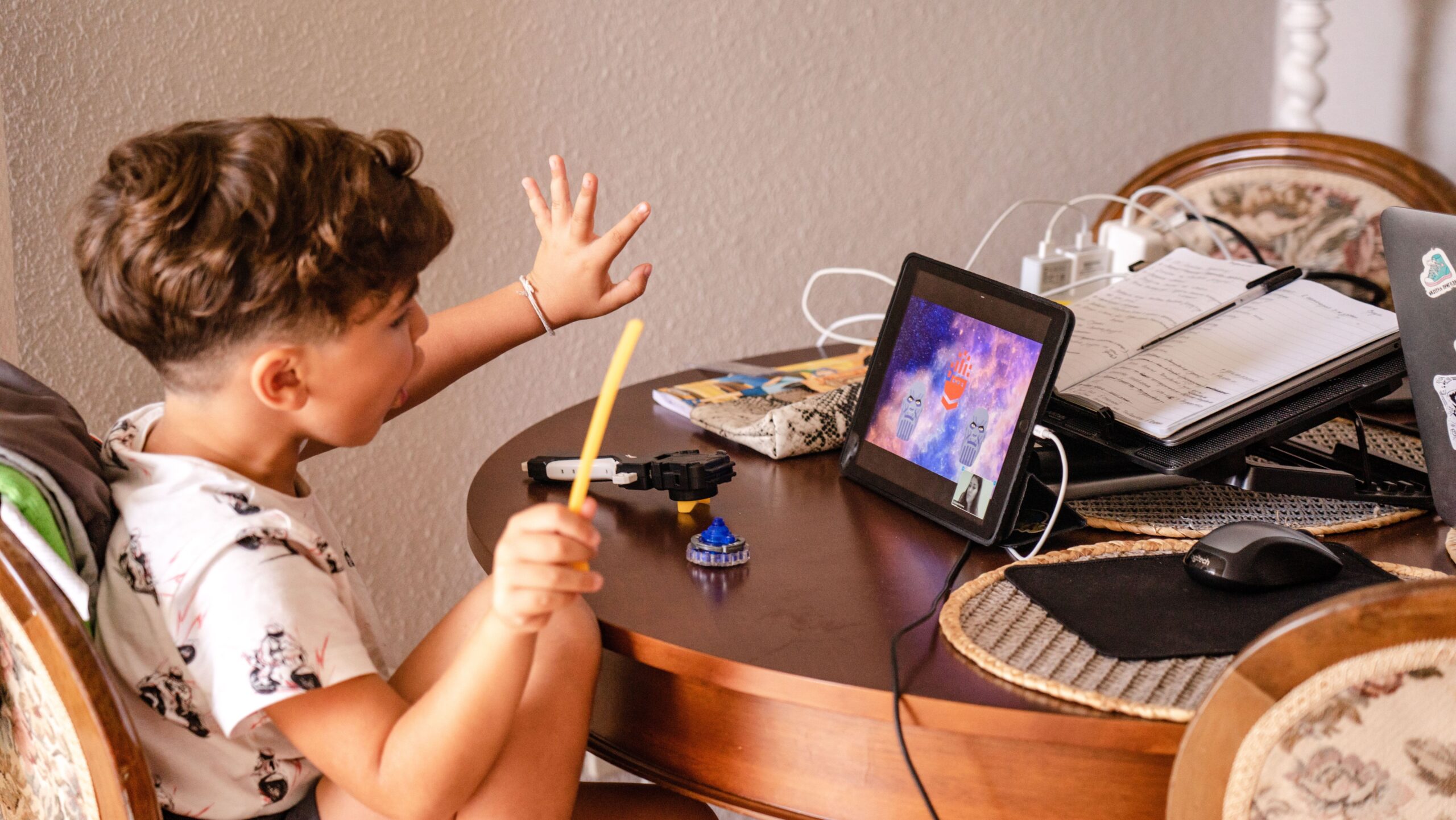
Not every game labeled “educational” truly helps children learn.
Consider replacing a game if it:
- Repeats the same task without teaching new skills.
- Shows too many advertisements.
- Encourages constant in-app purchases.
- Rewards speed instead of thinking.
- Frustrates your child more than it teaches.
- Contains age-inappropriate content.
Choosing quality over quantity leads to a better learning experience.
Frequently Asked Questions
How much time should children spend playing educational games?
The ideal amount depends on a child’s age and overall daily routine.
Rather than focusing only on minutes, aim for balanced screen use that includes outdoor play, reading, creative activities, sleep, and family interaction.
Are free educational games as good as paid ones?
Many free educational games provide excellent learning opportunities.
The most important factor isn’t the price—it’s whether the game is safe, age-appropriate, engaging, and supports meaningful learning.
Can online educational games improve school performance?
Educational games can reinforce skills such as reading, mathematics, vocabulary, and problem-solving.
However, they work best as a supplement to classroom learning, books, and hands-on experiences rather than a replacement.
Should parents play online games with their children?
Whenever possible, yes.
Playing together allows parents to ask questions, celebrate achievements, and better understand how their child is learning.
Shared screen time is generally more valuable than children playing alone.
What should I do if my child only wants to play games?
Create clear daily routines that balance digital learning with offline activities such as reading, outdoor play, crafts, sports, and family time.
Consistency helps children develop healthy technology habits.
Final Thoughts
Technology has become a natural part of childhood, but meaningful learning still depends on how it’s used.
Educational games can introduce new ideas, strengthen academic skills, encourage creativity, and make learning enjoyable when they’re carefully selected and balanced with real-world experiences.
The goal isn’t to give children more screen time.
It’s to give them better screen time.
By choosing thoughtful educational games, staying involved in your child’s learning, and creating healthy digital habits, you can transform everyday gaming into an opportunity for curiosity, confidence, and lifelong learning.
References
This article is based on guidance and research from trusted organizations and educational resources, including:
- American Academy of Pediatrics (AAP)
- Common Sense Media
- UNICEF – Digital Learning Resources
- International Society for Technology in Education (ISTE)
- National Association for the Education of Young Children (NAEYC)
Continue Exploring on NatureNestia
You may also enjoy:
- Screen Time for Kids
- Make Learning Fun for Kids
- Alphabet Learning Activities
- Math Activities for Kindergarten
- Number Tracing Worksheets 1–20
- Creative Activities for Kids
- Social Skills Activities for Kids

Aina Arif is a mother of two young children and the founder of NatureNestia. Based in Pakistan, she spent three years as an early childhood educator before becoming a full-time parent and writer. She writes about learning through play, managing difficult behaviour, and building strong family bonds.