
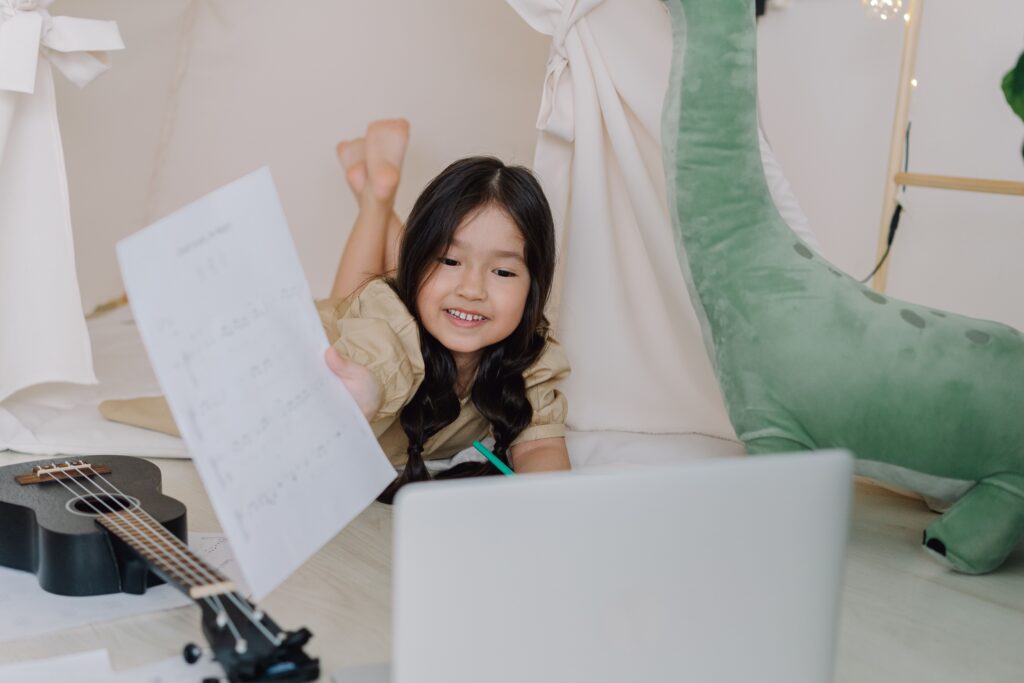
Children learn best when they are curious, active, and having fun. You don’t need expensive toys or fancy classroom tools to help your child grow. Everyday household items and a little creativity are enough to build skills in reading, math, science, and problem-solving.
This guide covers 15 simple learning activities for kids aged 3 to 10, organized by skill. Each one takes only a few minutes to set up.
Why Learning Through Play Works
Research in early childhood education consistently shows that hands-on play helps children remember what they learn. When a child touches, builds, sorts, or experiments, the brain forms stronger connections than it does from passive listening. Play also builds focus, patience, and confidence, which matter just as much as academic knowledge.
Language and Literacy Activities
1. Letter Treasure Hunt
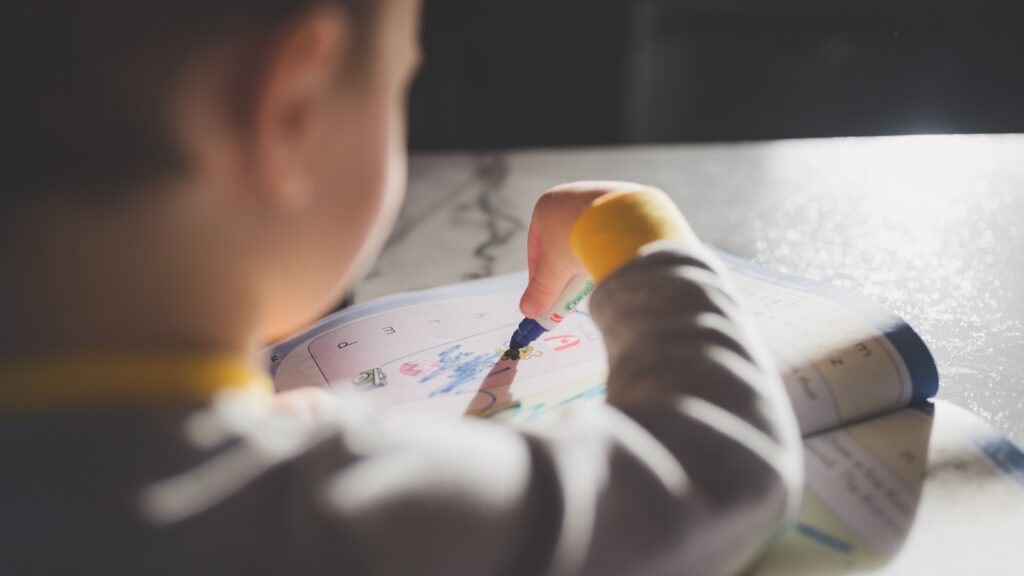
Write a letter on a card and ask your child to find three objects at home that start with that sound. For example, for “B” they might find a book, a ball, and a bowl. Younger children can match sounds, while older children can write the words down.
2. Make a Family Storybook
Fold a few sheets of paper into a small book. Let your child draw pictures about their day and dictate or write the sentences beneath. This builds vocabulary, sequencing, and pride in their own work. Read it together at bedtime.
3. Rhyming Games
Say a word like “cat” and take turns thinking of rhymes: hat, mat, bat. Rhyming trains the ear for sounds, which is a key step in learning to read. It works well in the car or while waiting somewhere.
4. Label the House
Stick paper labels on common items such as door, table, window, and fridge. Seeing words next to real objects helps children link spelling with meaning.
Math Activities
5. Sorting Game
Give your child a bowl of mixed items like buttons, coins, beans, or small toys. Ask them to sort by color, size, or shape. Sorting builds early classification and pattern skills.
6. Kitchen Counting and Measuring
Let your child help with cooking. Counting eggs, measuring a cup of flour, or splitting a roti into halves teaches numbers and fractions in a real setting. Ask questions like “Which cup holds more?”
7. Number Hopscotch
Draw numbers 1 to 10 on the floor with chalk or tape. Call out a number or a simple sum such as “2 + 3” and let your child hop to the answer. This combines movement with math practice.
8. Build a Pretend Shop
Set up a small shop with price tags on household items and play money. Your child practices addition, subtraction, and making change while role-playing as the shopkeeper.
Science and Nature Activities
9. Sink or Float
Fill a tub with water and gather items like a coin, a leaf, a spoon, and a cork. Ask your child to predict whether each will sink or float, then test it. Predicting and checking is the foundation of the scientific method.
10. Grow a Bean Plant
Place a bean seed in a damp paper towel inside a clear cup or zip bag and tape it to a sunny window. Your child can watch roots and shoots appear over several days and record changes in a simple drawing journal.
11. Nature Walk Scavenger Hunt
Make a list of things to find outside: a smooth stone, a green leaf, a feather, something that smells nice. This sharpens observation skills and encourages time outdoors.
12. Simple Color Mixing
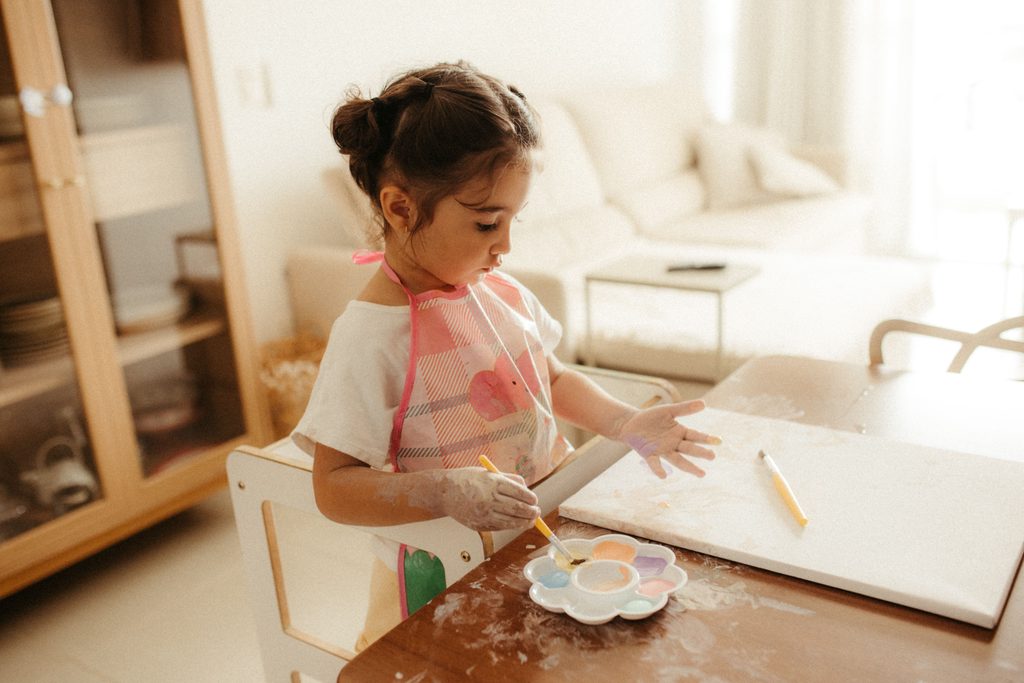
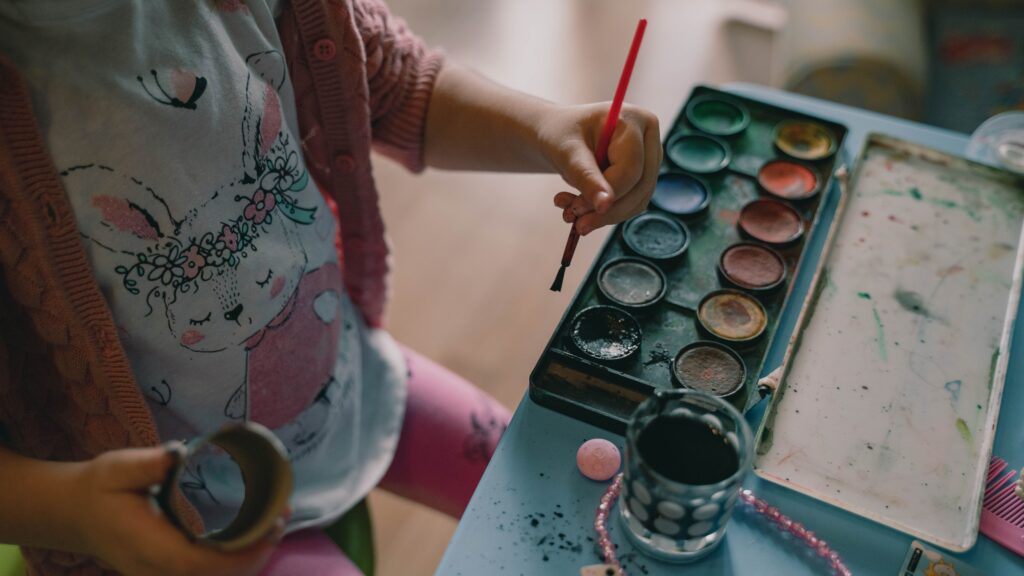
Using washable paints or food coloring in water, let your child mix red and yellow, blue and yellow, and red and blue. They will discover how new colors are made and enjoy the surprise.
Creativity and Problem-Solving Activities
13. Cardboard Building Challenge
Collect empty boxes and tubes, and challenge your child to build a bridge, a house, or a car. Encourage them to test and improve their design when something falls. This teaches engineering thinking and resilience.
14. Memory Card Game
Make pairs of matching pictures on small cards, turn them face down, and take turns finding matches. Memory games strengthen concentration and recall.
15. Puzzle and Pattern Time
Jigsaw puzzles, Lego, and pattern beads (red, blue, red, blue) develop logical thinking and fine motor skills. Start with simple designs and increase difficulty as your child grows.
Tips for Parents
- Keep sessions short. Ten to twenty minutes is enough for young children. Stop before they get bored.
- Follow their interests. A child who loves animals will enjoy counting and reading with animal themes.
- Praise effort, not just results. Saying “You worked hard on that” encourages persistence.
- Limit screen time. Educational apps can help, but hands-on activities build different and equally important skills.
- Make it routine. A regular daily learning slot, even short, creates good habits.
Conclusion
Learning does not have to be stressful or expensive. With simple materials and a few minutes of your attention, everyday moments can become valuable lessons. Pick two or three activities from this list, try them this week, and notice which ones your child enjoys most. Over time, these small moments add up to strong skills and a lasting love of learning.

Aina Arif is a mother of two young children and the founder of NatureNestia. Based in Pakistan, she spent three years as an early childhood educator before becoming a full-time parent and writer. She writes about learning through play, managing difficult behaviour, and building strong family bonds.