
By Aina Arif | Updated July 2026 | 11 min read
Why Indoor Activities Are Important for Preschoolers
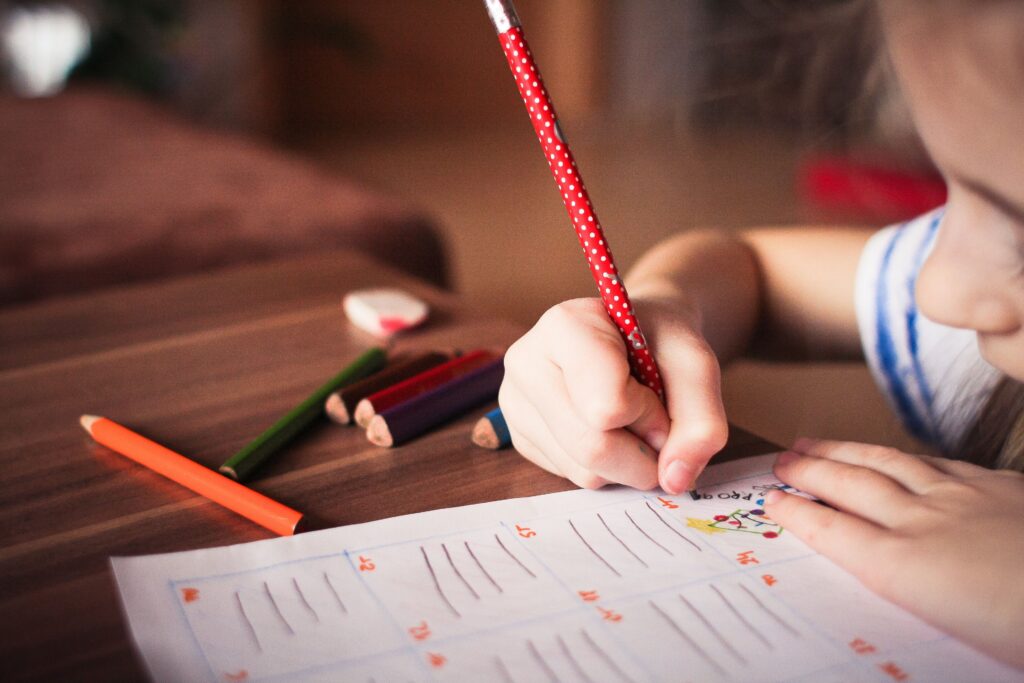
Preschoolers are naturally energetic, curious, and eager to explore the world around them. While outdoor play is valuable, there are many days when children need engaging activities indoors—whether it’s raining, too hot, too cold, or simply a quiet day at home.
The good news is that indoor play doesn’t have to mean more screen time.
With a little creativity, your home can become a place where children build important life skills while having fun. Simple indoor activities help preschoolers develop fine and gross motor skills, creativity, language, problem-solving abilities, and confidence. Research shows that play-based learning supports healthy brain development and helps young children learn best through hands-on experiences. (American Academy of Pediatrics)
Let’s explore ten exciting indoor activities that are easy to set up and guaranteed to keep preschoolers learning through play.
🎨 Activity 1: Color Sorting Challenge
🎯 Today’s Mission
Can your preschooler sort everyday objects by color before the timer ends?
🧺 You’ll Need
- Building blocks
- Pom-poms
- Bottle caps
- Colored paper
- Toy animals
▶️ How to Play
Place different colored objects in one basket.
Ask your child to sort them into groups by color.
After sorting, ask questions like:
- Which color has the most objects?
- Which color has the fewest?
- Can you count each group?
- Can you find something in the room that matches each color?
Make it more exciting by using a 3-minute timer.
🧠 Skills Developed
- Color recognition
- Sorting
- Counting
- Observation
- Early math skills
⭐ Indoor Fun Tip: Let your child choose the colors for tomorrow’s challenge.
🏃 Activity 2: Pillow Obstacle Course
🎯 Today’s Mission
Can your child complete today’s obstacle course without touching the “lava”?
🧺 You’ll Need
- Pillows
- Cushions
- Blankets
- Chairs
- Stuffed animals
▶️ How to Play
Create a simple obstacle course around the living room.
Your child can:
- Jump over pillows.
- Crawl under chairs.
- Walk along a blanket path.
- Balance while carrying a stuffed toy.
- Hop from one cushion to another.
Change the course every few days to keep it exciting.
🧠 Skills Developed
- Balance
- Coordination
- Gross motor skills
- Problem-solving
- Confidence
⭐ Indoor Fun Tip: Pretend the floor is a river or lava to make the game even more imaginative.
🔤 Activity 3: Alphabet Treasure Hunt
🎯 Today’s Mission
Can your child become an alphabet detective?
🧺 You’ll Need
Nothing except household objects.
(Optional: Alphabet flashcards.)
▶️ How to Play
Choose one letter.
For example:
Today’s Letter: B
Ask your child to search the house for objects beginning with that letter.
Examples:
- Book
- Ball
- Bowl
- Blanket
After each discovery, say the word together and repeat the beginning sound.
Older preschoolers can also identify the last sound of the word.
🧠 Skills Developed
- Letter recognition
- Phonics
- Vocabulary
- Observation
- Speaking skills
⭐ Indoor Fun Tip: Pick a different letter each day.
🐘 Activity 4: Animal Movement Game
🎯 Today’s Mission
Can your child move like different animals?
🧺 You’ll Need
No materials.
▶️ How to Play
Call out different animals.
Examples:
🐸 Frog
🐻 Bear
🦆 Duck
🐍 Snake
🦘 Kangaroo
Your child copies each movement.
You can also ask:
- Which animal jumps the highest?
- Which animal moves the slowest?
- Which animal crawls?
This activity combines movement with imagination.
🧠 Skills Developed
- Gross motor skills
- Listening
- Balance
- Creativity
- Body awareness
⭐ Indoor Fun Tip: Let your child invent a new animal movement for everyone to copy.
🏗️ Activity 5: Build the Tallest Tower
🎯 Today’s Mission
Can your preschooler build a tower that stays standing?
🧺 You’ll Need
- Building blocks
- Plastic cups
- Cardboard boxes
- Wooden blocks
▶️ How to Play
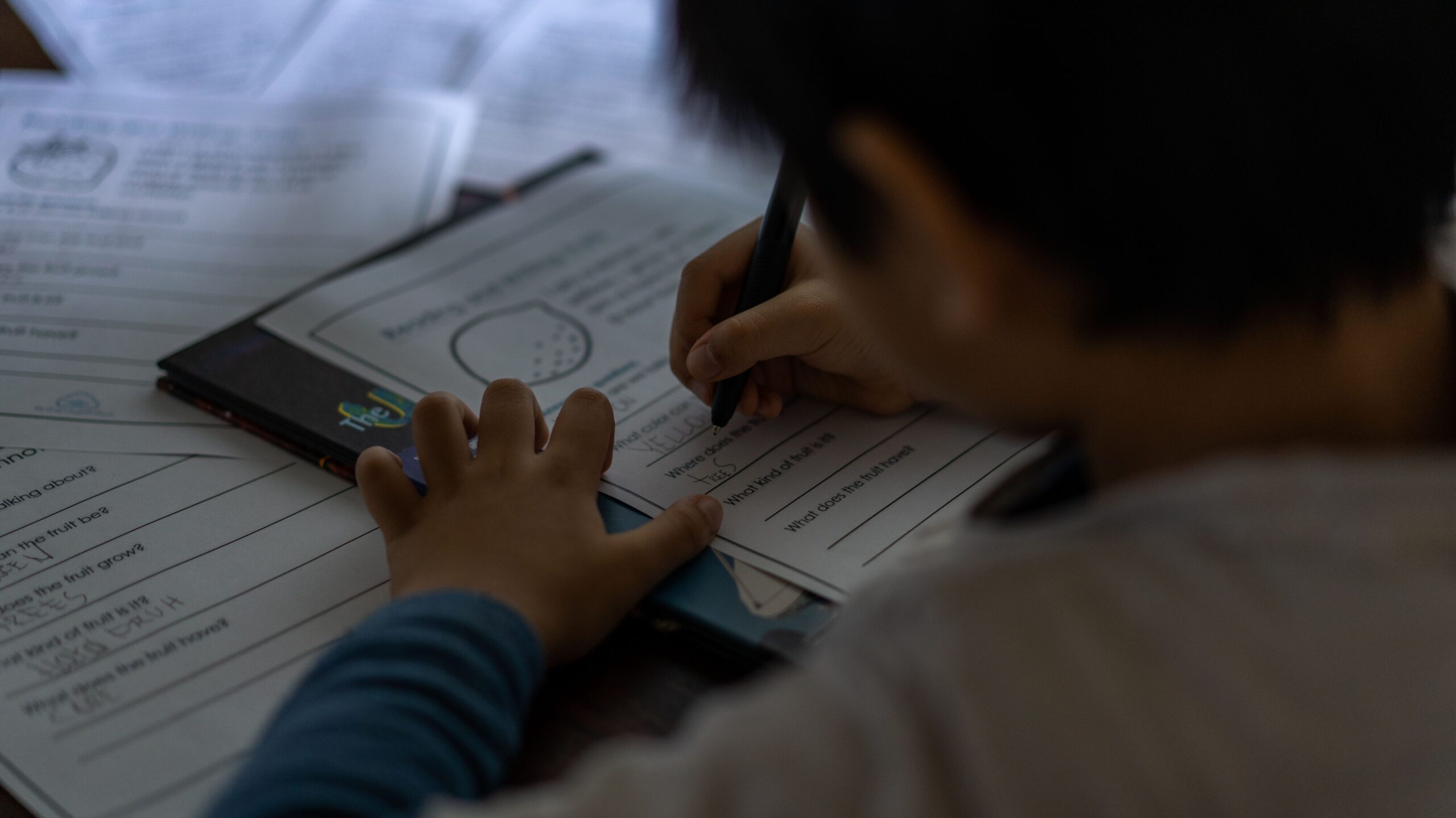
Challenge your child to build the tallest tower possible.
When it falls, ask:
- Why did it fall?
- What could make it stronger?
- Which blocks should go at the bottom?
Encourage experimenting with different ideas instead of giving the answer.
🧠 Skills Developed
- Engineering thinking
- Fine motor skills
- Problem-solving
- Creativity
- Spatial awareness
⭐ Indoor Fun Tip: Measure each tower using a ruler or compare whose tower is taller.
🌟 Why Indoor Play Supports Healthy Development
Indoor activities are much more than a way to pass the time.
When children play, they strengthen important developmental skills while exploring, experimenting, and solving problems. Play-based learning encourages creativity, language development, physical coordination, and independent thinking—all of which are essential during the preschool years.
Simple activities at home can also help children stay active and engaged, even when outdoor play isn’t possible.
💙 Parent Reminder
Your preschooler doesn’t need a perfectly planned lesson.
Some of the best learning happens during everyday play.
Give your child time to explore, ask questions, make mistakes, and try again.
A few minutes of joyful interaction each day can have a lasting impact on their confidence and love of learning.
✅ Today’s Indoor Learning Checklist
☐ Sorted objects by color
☐ Completed an obstacle course
☐ Found objects beginning with a letter
☐ Moved like different animals
☐ Built a creative tower
🧩 Activity 6: Shape Hunt Around the House
🎯 Today’s Mission
Can your preschooler find every shape hiding in your home?
🧺 You’ll Need
Nothing except your surroundings.
(Optional: A paper checklist.)
▶️ How to Play
Choose one shape to begin.
For example:
- 🔵 Circle
- 🟨 Square
- ▭ Rectangle
- 🔺 Triangle
Ask your child to search the house for objects that match the chosen shape.
Examples:
Circle
- Plate
- Clock
- Coin
- Bowl
When they find an object, ask:
- What shape is it?
- Is it big or small?
- Where do we use it?
🧠 Skills Developed
- Shape recognition
- Observation
- Vocabulary
- Early geometry
- Critical thinking
⭐ Indoor Fun Tip: Give your child a clipboard and let them tick off every shape they find.

🎈 Activity 7: Balloon Volleyball
🎯 Today’s Mission
Can your child keep the balloon in the air?
🧺 You’ll Need
- One balloon
(Optional: String to make a net.)
▶️ How to Play
Blow up a balloon.
Challenge your child to:
- Tap it without letting it touch the floor.
- Count how many taps they can make.
- Play together by passing it back and forth.
Older preschoolers can play with simple rules like:
- Only use one hand.
- Clap once before hitting the balloon again.
🧠 Skills Developed
- Hand-eye coordination
- Balance
- Gross motor skills
- Counting
- Teamwork
⭐ Indoor Fun Tip: Try using different colored balloons for extra excitement.
📖 Activity 8: Story Basket Adventure
🎯 Today’s Mission
Can your child create a story using random objects?
🧺 You’ll Need
A basket filled with simple items such as:
- Toy car
- Spoon
- Teddy bear
- Leaf
- Small ball
- Hat
▶️ How to Play
Let your child pick three objects without looking.
Now ask them to create a story using all three.
Example:
“A teddy bear drove a toy car to deliver a magical spoon to a hungry dragon.”
There are no wrong stories.
Encourage imagination and ask questions to keep the story going.
🧠 Skills Developed
- Creativity
- Language development
- Storytelling
- Imagination
- Speaking confidence
⭐ Indoor Fun Tip: Write your child’s story in a notebook to create a family story collection.
🎵 Activity 9: Dance and Freeze
🎯 Today’s Mission
Can your child freeze like a statue?
🧺 You’ll Need
- Music
- Phone or speaker
▶️ How to Play
Play your child’s favorite song.
Dance together around the room.
Pause the music at random times.
When the music stops…
Everyone freezes!
Anyone who moves performs a silly challenge like:
- Hop like a bunny.
- Roar like a lion.
- Spin once.
- Pretend to fly like a bird.
🧠 Skills Developed
- Listening
- Self-control
- Balance
- Coordination
- Body awareness
⭐ Indoor Fun Tip: Let your child control the music for the next round.
🧁 Activity 10: Pretend Bakery
🎯 Today’s Mission
Can your child become today’s master baker?
🧺 You’ll Need
- Empty containers
- Measuring cups
- Mixing bowls
- Wooden spoon
- Play dough or toy food (optional)
▶️ How to Play
Create a pretend bakery.
Ask your child to:
- Mix imaginary ingredients.
- Count pretend cupcakes.
- Serve customers.
- Take simple orders.
- Pack baked goods into boxes.
Join the game by becoming a customer.
Ask questions like:
- How much does the cake cost?
- Which cupcake should I buy?
- Can you make one with strawberries?
🧠 Skills Developed
- Imaginative play
- Early math
- Communication
- Social skills
- Creativity
⭐ Indoor Fun Tip: Create simple paper menus and pretend money for extra learning.
🌟 Simple Ways to Make Indoor Play More Meaningful
Indoor activities become even more valuable when parents join in.
You don’t have to direct every game.
Instead:
- Ask open-ended questions.
- Let your child solve small problems.
- Encourage creativity instead of perfection.
- Follow your child’s interests.
- Celebrate effort more than results.
These small interactions help build confidence while making learning enjoyable.
💙 Parent Reminder
Not every indoor activity needs to be educational on the surface.
When children build, pretend, dance, explore, or tell stories, they are naturally developing important life skills.
The goal isn’t to keep children busy—it’s to help them stay curious, creative, and confident while enjoying time together.
🌈 Final Thoughts
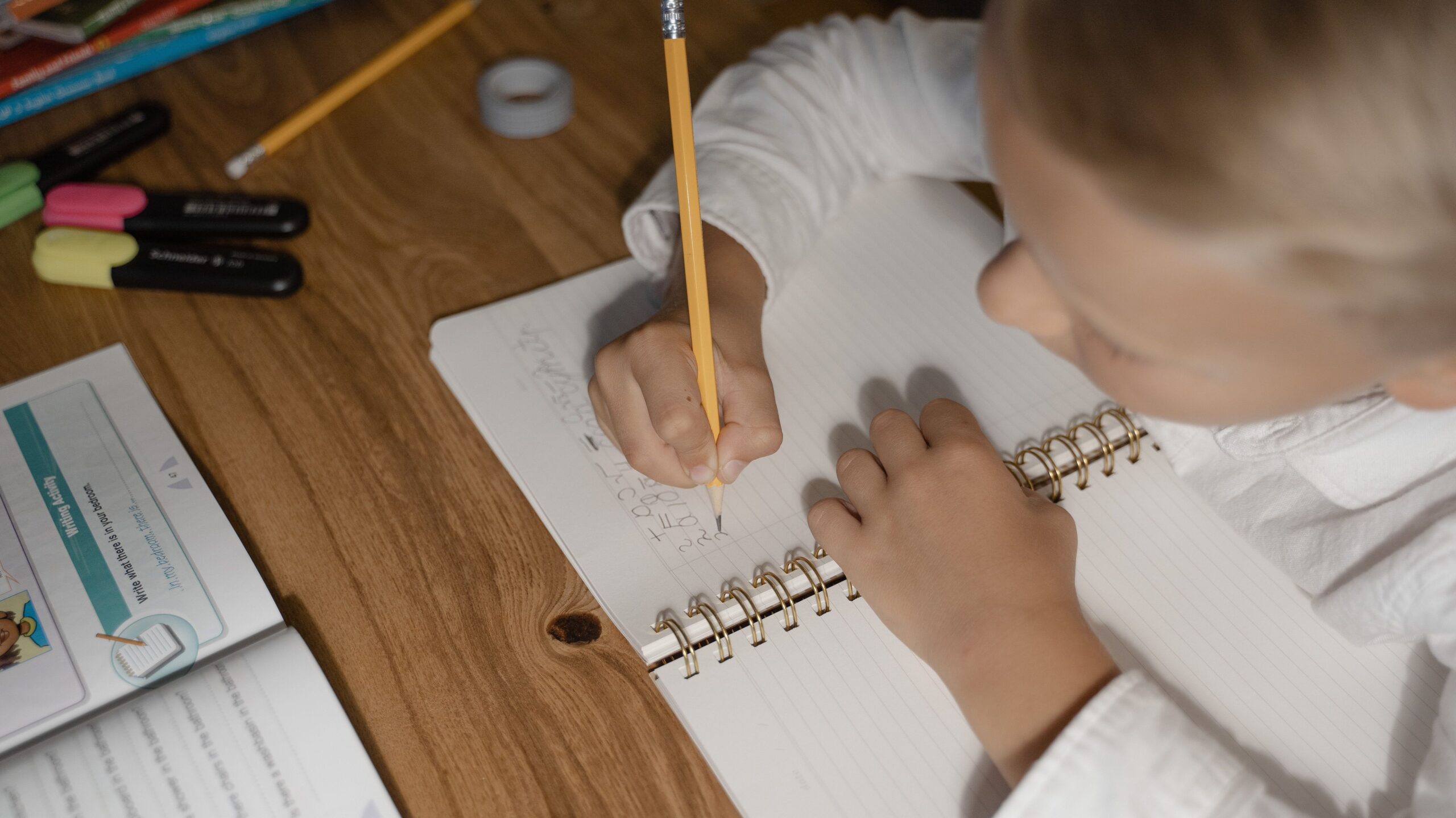
Indoor days can become some of the most memorable learning experiences for preschoolers.
With a little imagination, everyday household items can turn into exciting games that encourage movement, creativity, communication, and problem-solving.
Whether your child is building towers, searching for shapes, creating stories, or pretending to run a bakery, each activity supports healthy development while making learning feel like play.
The best part is that these moments don’t require expensive toys or complicated planning—just your time, encouragement, and willingness to have fun together.
❓ Frequently Asked Questions
What are the best indoor activities for preschoolers?
The best indoor activities combine fun with learning. Simple games like obstacle courses, shape hunts, storytelling, pretend play, puzzles, and building challenges help children develop important physical, cognitive, and social skills.
How long should preschool indoor activities last?
Most preschoolers enjoy activities that last 15–30 minutes. Shorter sessions keep children engaged and prevent them from becoming overwhelmed or bored.
Can indoor activities support school readiness?
Yes. Indoor activities help preschoolers practice early literacy, math, problem-solving, communication, creativity, and motor skills that prepare them for kindergarten and beyond.
Do I need expensive learning toys?
Not at all. Many of the best indoor learning experiences use everyday household items such as pillows, blocks, kitchen utensils, recycled materials, books, and craft supplies.
📚 References
- American Academy of Pediatrics – The Power of Play
- Harvard Center on the Developing Child – Play and Early Brain Development
- UNICEF Parenting – Learning Through Everyday Play
- National Association for the Education of Young Children (NAEYC) – Developmentally Appropriate Practice
- Zero to Three – Play Supports Early Learning
🌟 Continue Exploring on NatureNestia
- Screen-Free Activities for Kids at Home
- Fun Learning Games for Kids at Home
- Easy Math Games for Kids at Home
- Best Memory Games for Kids at Home
- Educational Games for Kids Without Materials
- 5-Minute Learning Activities for Kids at Home

Aina Arif is a mother of two young children and the founder of NatureNestia. Based in Pakistan, she spent three years as an early childhood educator before becoming a full-time parent and writer. She writes about learning through play, managing difficult behaviour, and building strong family bonds.