
By Aina Arif | Last Updated: July 2026
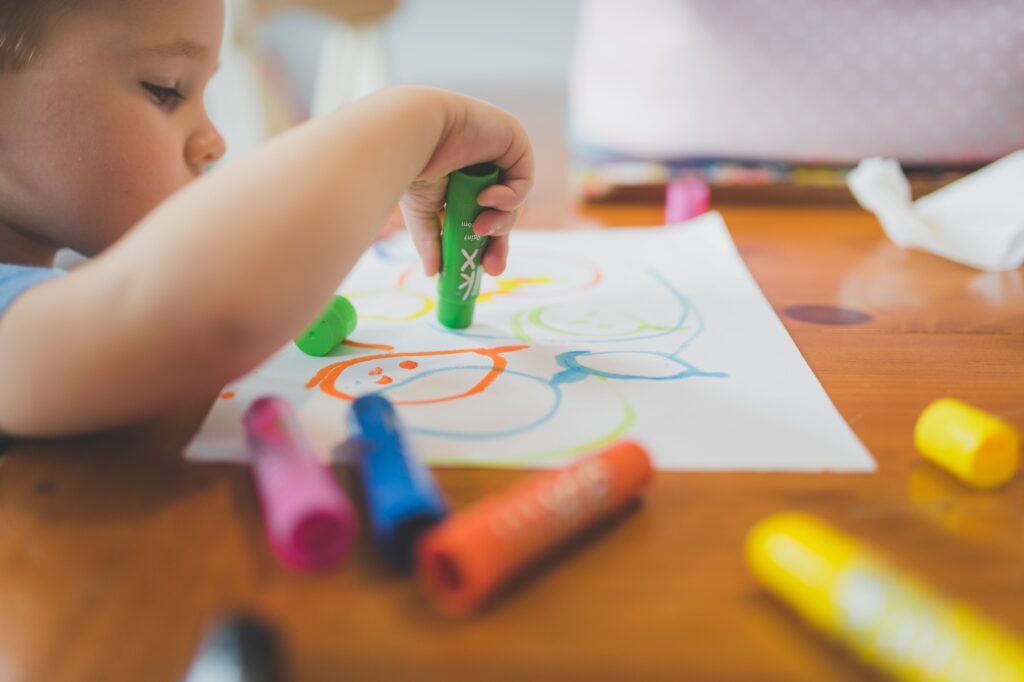
Children are naturally creative. Give them a cardboard box, a handful of crayons, or a few leaves from the garden, and they can turn ordinary objects into castles, rockets, restaurants, or magical forests. Creative play isn’t just about keeping children busy—it helps them build confidence, express emotions, solve problems, and develop important life skills.
The best part? You don’t need expensive craft kits or complicated lesson plans. Many of the most meaningful activities use simple materials you already have at home.
Whether you’re a parent looking for screen-free ideas, a teacher planning classroom activities, or a homeschool educator creating hands-on lessons, this guide shares fun, practical activities that children genuinely enjoy.
Each activity includes the recommended age, materials, learning benefits, and easy tips to make the experience even more engaging.
Why Creative Activities Matter
Creative play supports much more than imagination. Research shows that children who regularly participate in creative activities strengthen many important developmental skills.
These activities can help children:
- Think independently and solve problems.
- Improve fine motor coordination.
- Build patience and concentration.
- Express thoughts and emotions.
- Develop communication skills.
- Increase confidence through self-expression.
- Strengthen memory and observation.
- Learn to work independently and in groups.
Rather than focusing on making a “perfect” craft, encourage children to enjoy the process of exploring ideas and trying new things.
How to Choose the Right Activity
Every child enjoys different types of play. Choosing activities that match their age and interests makes learning more enjoyable.
| Age | Recommended Activities |
|---|---|
| 3–4 Years | Finger painting, playdough, sticker art |
| 4–5 Years | Nature collage, sponge painting, simple crafts |
| 5–7 Years | DIY projects, storytelling, recycled crafts |
| 7+ Years | Science art, comic creation, cardboard engineering |
Remember, there’s no single “right” way to be creative. Give children the freedom to experiment and make their own choices.
1. Nature Collage Art
Best Age: 4–8 years
Time Needed: 20–30 minutes
Materials
- Leaves
- Flowers
- Small sticks
- Glue
- Thick paper
How to Do It
Take a short walk outdoors and invite your child to collect interesting natural items. Once you’re back home, arrange the collected materials into animals, landscapes, or abstract designs before gluing them onto paper.
Skills Developed
- Observation
- Creativity
- Fine motor skills
- Appreciation of nature
💡 Parent Tip: Ask questions such as “Why did you choose this leaf?” or “What does your picture remind you of?” These conversations encourage language development alongside creativity.
2. Cardboard Box Creations
Best Age: 4–10 years
Time Needed: 30–60 minutes
Materials
- Empty cardboard boxes
- Child-safe scissors
- Tape
- Markers
- Colored paper
How to Do It
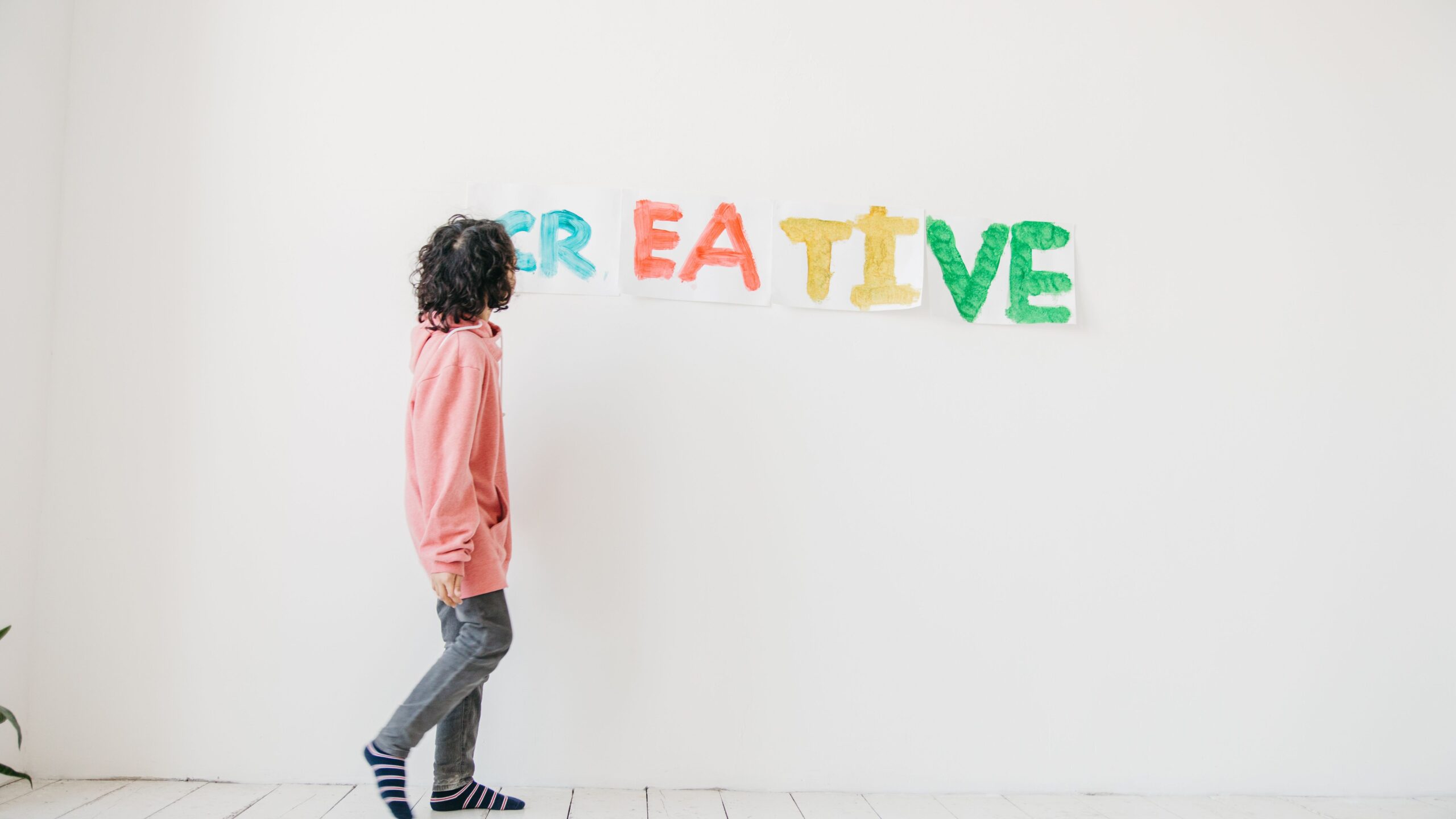
Instead of recycling old boxes immediately, transform them into imaginative creations. Children can design a castle, rocket ship, puppet theater, grocery store, or even a tiny library.
Encourage them to decorate every detail before pretending to play with their finished creation.
Skills Developed
- Engineering thinking
- Planning
- Problem-solving
- Imaginative play
💡 Teacher Tip: Turn this into a group project where each child designs one part of a larger cardboard town.
3. Story Stone Adventure
Best Age: 5–9 years
Time Needed: 25 minutes
Materials
- Smooth stones
- Acrylic paint or paint pens
How to Do It
Paint simple pictures on small stones such as a tree, dragon, sun, rainbow, house, boat, or bird.
Place all the stones in a bag. Children pull out three to five stones and create a unique story using the images they picked.
No two stories will ever be the same, making this activity perfect for encouraging imagination and speaking skills.
Skills Developed
- Storytelling
- Vocabulary
- Creativity
- Confidence
Quick Parent Checklist ✅
Before starting any activity, ask yourself:
- Is it safe for my child’s age?
- Can I let my child make their own choices?
- Am I focusing on creativity rather than perfection?
- Will my child have enough time to explore without feeling rushed?
If the answer is “yes,” you’re ready to begin.
How Creative Play Supports Child Development
Creative activities are much more than a way to keep children busy. Every time a child paints, builds, pretends, or invents something new, they strengthen important life skills that support learning both inside and outside the classroom.
Here’s how creative play helps children grow:
| Skill | How Creative Activities Help |
|---|---|
| Problem-solving | Children learn to think of different ways to complete a project. |
| Communication | Storytelling and pretend play improve vocabulary and confidence. |
| Fine Motor Skills | Cutting, drawing, painting, and gluing strengthen hand muscles. |
| Emotional Development | Art gives children a safe way to express their feelings. |
| Social Skills | Group activities teach sharing, teamwork, and patience. |
| Critical Thinking | Open-ended projects encourage children to make decisions independently. |
Remember, the goal isn’t to create a perfect craft—it’s to give children the confidence to explore their own ideas.
4. DIY Puppet Show
Best Age: 4–8 years
Time Needed: 30–40 minutes
Materials
- Paper bags or socks
- Googly eyes
- Colored paper
- Glue
- Markers
How to Do It
Help your child decorate a paper bag or sock to create fun puppet characters. Once they’re finished, encourage them to put on a short puppet show using their imagination.
Instead of giving them a script, let them invent the characters, voices, and story.
Skills Developed
- Creativity
- Storytelling
- Public speaking
- Social skills
💡 Parent Tip: Record the puppet show and watch it together later. Children love seeing their own performances, and it builds confidence.
5. Rainbow Salt Painting
Best Age: 5–9 years
Time Needed: 25–30 minutes
Materials
- White glue
- Thick paper
- Table salt
- Watercolor paints
- Paintbrush
How to Do It
Draw a design using white glue, sprinkle salt over the glue, and gently shake off the extra salt. Use a paintbrush to drop watercolor paint onto the salt and watch the colors spread beautifully.
Skills Developed
- Hand-eye coordination
- Creativity
- Observation
- Science exploration
💡 Learning Extension: Ask your child to predict what will happen when two colors meet. This introduces basic science concepts while creating art.
6. Build a Mini City
Best Age: 5–10 years
Time Needed: 45–60 minutes
Materials
- Building blocks
- Cardboard boxes
- Toy cars
- Paper
- Markers
How to Do It
Invite your child to design a small town complete with roads, houses, schools, parks, and shops. Encourage them to think about where each building should go and why.
After building, ask them to guide you through their city as if they were giving a tour.
Skills Developed
- Planning
- Engineering thinking
- Creativity
- Problem-solving
💡 Teacher Tip: Turn this into a group project where each child designs one building for a collaborative classroom city.
7. Recycled Robot Challenge
Best Age: 6–10 years
Time Needed: 40 minutes
Materials
- Empty boxes
- Bottle caps
- Toilet paper rolls
- Aluminum foil
- Glue
- Markers
How to Do It
Gather clean recyclable materials and challenge your child to build their own robot. Encourage them to name their robot and explain what special jobs it can do.
Skills Developed
- Imagination
- Design thinking
- Environmental awareness
- Fine motor skills
💡 Parent Tip: There are no right or wrong designs. Let your child make creative decisions without trying to “fix” the robot.
8. Shadow Drawing
Best Age: 5–8 years
Time Needed: 20 minutes
Materials
- Small toys
- Paper
- Pencil
- Flashlight or sunlight
How to Do It
Place a toy where it creates a shadow on the paper. Trace the shadow outline, then let your child color or transform it into something completely different.
A dinosaur shadow might become a dragon, while a teddy bear could become a superhero.
Skills Developed
- Observation
- Creativity
- Spatial awareness
💡 Extra Fun: Repeat the activity at different times of the day and compare how the shadows change.
9. Homemade Playdough Creations
Best Age: 3–7 years
Time Needed: 30 minutes
Materials
- Homemade or store-bought playdough
- Cookie cutters
- Rolling pin
- Plastic tools
How to Do It
Encourage children to build animals, food, flowers, letters, or anything they imagine. Rather than giving instructions, ask open-ended questions like, “What are you making today?”
Skills Developed
- Fine motor development
- Imagination
- Hand strength
- Shape recognition
💡 Parent Tip: Add natural items like leaves, shells, or buttons to create textured designs.
10. Storytelling Jar
Best Age: 5–10 years
Time Needed: 15–20 minutes
Materials
- Small jar
- Paper slips
- Pencil
How to Do It
Write different characters, places, and objects on separate slips of paper. Examples include:
- Pirate
- Dinosaur
- Princess
- Forest
- Spaceship
- Rainbow
- Treasure Chest
Mix them in the jar. Each child picks three slips and creates a unique story using all the words.
Skills Developed
- Creative thinking
- Vocabulary
- Communication
- Confidence
💡 Teacher Tip: Encourage children to draw a picture of their story after telling it. This reinforces comprehension and artistic expression.
How Creative Play Supports Child Development
Creative activities are much more than a way to keep children busy. Every time a child paints, builds, pretends, or invents something new, they strengthen important life skills that support learning both inside and outside the classroom.
Here’s how creative play helps children grow:
| Skill | How Creative Activities Help |
|---|---|
| Problem-solving | Children learn to think of different ways to complete a project. |
| Communication | Storytelling and pretend play improve vocabulary and confidence. |
| Fine Motor Skills | Cutting, drawing, painting, and gluing strengthen hand muscles. |
| Emotional Development | Art gives children a safe way to express their feelings. |
| Social Skills | Group activities teach sharing, teamwork, and patience. |
| Critical Thinking | Open-ended projects encourage children to make decisions independently. |
Remember, the goal isn’t to create a perfect craft—it’s to give children the confidence to explore their own ideas.
4. DIY Puppet Show
Best Age: 4–8 years
Time Needed: 30–40 minutes
Materials
- Paper bags or socks
- Googly eyes
- Colored paper
- Glue
- Markers
How to Do It
Help your child decorate a paper bag or sock to create fun puppet characters. Once they’re finished, encourage them to put on a short puppet show using their imagination.
Instead of giving them a script, let them invent the characters, voices, and story.
Skills Developed
- Creativity
- Storytelling
- Public speaking
- Social skills
💡 Parent Tip: Record the puppet show and watch it together later. Children love seeing their own performances, and it builds confidence.
5. Rainbow Salt Painting
Best Age: 5–9 years
Time Needed: 25–30 minutes
Materials
- White glue
- Thick paper
- Table salt
- Watercolor paints
- Paintbrush
How to Do It
Draw a design using white glue, sprinkle salt over the glue, and gently shake off the extra salt. Use a paintbrush to drop watercolor paint onto the salt and watch the colors spread beautifully.
Skills Developed
- Hand-eye coordination
- Creativity
- Observation
- Science exploration
💡 Learning Extension: Ask your child to predict what will happen when two colors meet. This introduces basic science concepts while creating art.
6. Build a Mini City
Best Age: 5–10 years
Time Needed: 45–60 minutes
Materials
- Building blocks
- Cardboard boxes
- Toy cars
- Paper
- Markers
How to Do It
Invite your child to design a small town complete with roads, houses, schools, parks, and shops. Encourage them to think about where each building should go and why.
After building, ask them to guide you through their city as if they were giving a tour.
Skills Developed
- Planning
- Engineering thinking
- Creativity
- Problem-solving
💡 Teacher Tip: Turn this into a group project where each child designs one building for a collaborative classroom city.
7. Recycled Robot Challenge
Best Age: 6–10 years
Time Needed: 40 minutes
Materials
- Empty boxes
- Bottle caps
- Toilet paper rolls
- Aluminum foil
- Glue
- Markers
How to Do It
Gather clean recyclable materials and challenge your child to build their own robot. Encourage them to name their robot and explain.
Skills Developed
- Imagination
- Design thinking
- Environmental awareness
- Fine motor skills
💡 Parent Tip: There are no right or wrong designs. Let your child make creative decisions without trying to “fix” the robot.
8. Shadow Drawing
Best Age: 5–8 years
Time Needed: 20 minutes
Materials
- Small toys
- Paper
- Pencil
- Flashlight or sunlight
How to Do It
Place a toy where it creates a shadow on the paper. Trace the shadow outline, then let your child color or transform it into something completely different.
A dinosaur shadow might become a dragon, while a teddy bear could become a superhero.
Skills Developed
- Observation
- Creativity
- Spatial awareness
💡 Extra Fun: Repeat the activity at different times of the day and compare how the shadows change.
9. Homemade Playdough Creations
Best Age: 3–7 years
Time Needed: 30 minutes
Materials
- Homemade or store-bought playdough
- Cookie cutters
- Rolling pin
- Plastic tools
How to Do It
Encourage children to build animals, food, flowers, letters, or anything they imagine. Rather than giving instructions, ask open-ended questions like, “What are you making today?”
Skills Developed
- Fine motor development
- Imagination
- Hand strength
- Shape recognition
💡 Parent Tip: Add natural items like leaves, shells, or buttons to create textured designs.
10. Storytelling Jar
Best Age: 5–10 years
Time Needed: 15–20 minutes
Materials
- Small jar
- Paper slips
- Pencil
How to Do It
Write different characters, places, and objects on separate slips of paper. Examples include:
- Pirate
- Dinosaur
- Princess
- Forest
- Spaceship
- Rainbow
- Treasure Chest
Mix them in the jar. Each child picks three slips and creates a unique story using all the words.
Skills Developed
- Creative thinking
- Vocabulary
- Communication
- Confidence
💡 Teacher Tip: Encourage children to draw a picture of their story after telling it. This reinforces comprehension and artistic expression.
11. Paper Plate Animal Masks
Best Age: 4–8 years
Time Needed: 30–40 minutes
Materials
- Paper plates
- Child-safe scissors
- Paint or crayons
- Glue
- Craft sticks
- Colored paper
How to Do It
Let your child choose a favorite animal and turn a paper plate into its face. Cut out eye holes, add ears, whiskers, feathers, or a mane using colored paper, and attach a craft stick as a handle.
Once the mask is ready, encourage pretend play by acting like the chosen animal.
Skills Developed
- Imagination
- Fine motor skills
- Self-expression
- Communication
💡 Parent Tip: Ask your child to describe where the animal lives, what it eats, and how it sounds. This combines creativity with language development.
12. Build a Fairy Garden
Best Age: 5–10 years
Time Needed: 45–60 minutes
Materials
- Small flower pot or tray
- Pebbles
- Moss
- Twigs
- Small figurines (optional)
How to Do It
Create a miniature fairy garden using natural materials. Children can design tiny paths, bridges, houses, and gardens while inventing stories about who lives there.
Skills Developed
- Creative thinking
- Planning
- Nature appreciation
- Storytelling
13. DIY Treasure Map
Best Age: 5–9 years
Time Needed: 30 minutes
Materials
- Paper
- Tea bag (to age the paper)
- Markers
- Crayons
How to Do It
Draw a treasure map with rivers, mountains, forests, and a hidden treasure. Hide a small prize somewhere in the house or garden and let your child follow the map to find it.
Skills Developed
- Problem-solving
- Direction skills
- Creativity
- Observation
14. Paint With Nature
Best Age: 3–8 years
Time Needed: 25 minutes
Materials
- Leaves
- Flowers
- Pinecones
- Twigs
- Washable paint
How to Do It
Instead of using paintbrushes, let children dip leaves, flowers, or pinecones into paint and stamp them onto paper.
Each natural object creates a different texture and pattern.
Skills Developed
- Sensory exploration
- Observation
- Artistic expression
15. Build a Cardboard Castle
Best Age: 5–10 years
Time Needed: 1 hour
Materials
- Large cardboard boxes
- Tape
- Paint
- Colored paper
How to Do It
Turn empty boxes into a castle complete with towers, windows, doors, and flags.
When finished, children can pretend to be kings, queens, knights, or explorers.
Skills Developed
- Engineering
- Creativity
- Teamwork
- Pretend play
16. Family Comic Book
Best Age: 6–10 years
Time Needed: 40 minutes
Materials
- Blank paper
- Pencil
- Colored pencils
How to Do It
Fold paper into a small booklet and encourage children to create a comic about their family, pets, or imaginary characters.
They can draw simple speech bubbles and tell a short story.
Skills Developed
- Writing
- Creativity
- Story sequencing
17. Giant Sidewalk Art
Best Age: 4–10 years
Time Needed: 30 minutes
Materials
- Sidewalk chalk
How to Do It
Create large drawings outside such as roads, cities, obstacle courses, or underwater scenes.
Invite friends or siblings to add their own ideas.
Skills Developed
- Collaboration
- Creativity
- Gross motor movement
18. Homemade Musical Instruments
Best Age: 4–8 years
Time Needed: 30 minutes
Materials
- Plastic bottles
- Rice or beans
- Rubber bands
- Empty tissue boxes
How to Do It
Children can make shakers, drums, or simple guitars using recycled materials.
Afterward, create a family music performance.
Skills Developed
- Creativity
- Rhythm
- Listening skills
19. Mystery Creation Box
Fill a box with random household items such as:
- Bottle caps
- String
- Cardboard tubes
- Popsicle sticks
- Buttons
- Fabric scraps
Challenge children to create something useful or imaginative using only the materials inside.
There are no wrong answers.
Skills Developed
- Innovation
- Problem-solving
- Independent thinking
20. Design Your Dream Bedroom
Ask children to draw or build the bedroom of their dreams.
They might include:
- Reading corner
- Treehouse bed
- Indoor slide
- Pet area
- Art station
Encourage them to explain why they chose each feature.
Skills Developed
- Planning
- Creativity
- Decision-making
21. Puppet Story Theater
After making puppets, help children build a small theater using a cardboard box.
Invite family members to watch the performance.
This activity improves confidence and public speaking while making storytelling more exciting.
22. Invent Something New
This is one of the best open-ended creative activities.
Challenge children to invent:
- A new toy
- A helpful machine
- A magical pet
- A flying vehicle
- A new sport
Ask them to draw it and explain:
- What does it do?
- Who uses it?
- Why is it useful?
Skills Developed
- Innovation
- Critical thinking
- Communication
- Imagination
Indoor vs Outdoor Creative Activities
| Indoor Activities | Outdoor Activities |
|---|---|
| Puppet Show | Nature Collage |
| Story Stones | Sidewalk Chalk Art |
| Comic Book | Treasure Hunt |
| Playdough | Fairy Garden |
| Musical Instruments | Leaf Printing |
| Robot Building | Nature Walk Art |
Budget-Friendly Creative Activities
You don’t need expensive supplies to encourage creativity.
Try using:
- Empty cereal boxes
- Newspaper
- Bottle caps
- Ice cream sticks
- Egg cartons
- Old magazines
- Paper bags
- Toilet paper rolls
- Fabric scraps
- Leaves and flowers
Many of the most memorable activities come from recycled or natural materials rather than store-bought craft kits.
Expert Tips for Encouraging Creativity in Kids
Creative activities are most effective when children feel free to experiment without worrying about making mistakes. The goal isn’t to create a perfect craft but to encourage curiosity, confidence, and independent thinking.
Give Children Open-Ended Materials
Choose materials that children can use in different ways instead of toys with only one purpose.
Some great options include:
- Cardboard boxes
- Building blocks
- Craft paper
- Popsicle sticks
- Recycled containers
- Fabric scraps
- Natural materials like leaves and twigs
These simple supplies inspire children to invent, design, and solve problems on their own.
Focus on the Process, Not the Result
Instead of praising only the finished craft, celebrate your child’s effort and creativity.
For example, say:
- “I love how you came up with your own idea.”
- “You worked really hard on those details.”
- “Tell me about your drawing.”
This approach builds confidence and encourages children to keep exploring.
Ask Open-Ended Questions
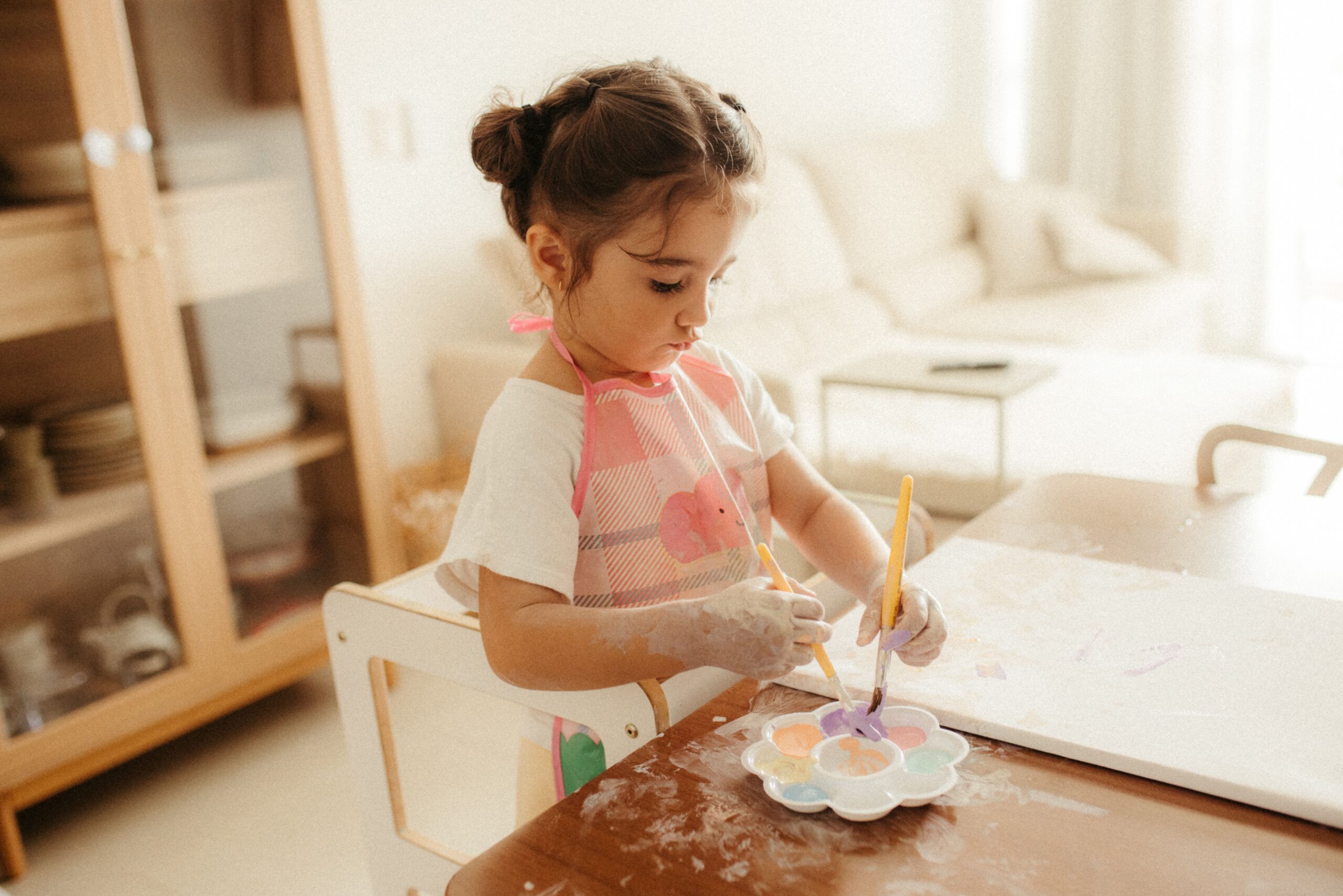
Conversations can make creative activities even more meaningful.
Try asking questions like:
- What inspired your idea?
- How does your invention work?
- What happens next in your story?
- If you could add one more thing, what would it be?
These questions improve creativity, communication, and critical thinking.
Create a Creative Space at Home
You don’t need a large playroom. A small basket filled with art supplies, paper, crayons, glue, and recycled materials is enough to encourage daily creativity.
Having supplies easily available allows children to create whenever inspiration strikes.
Common Mistakes Parents Make
Even with the best intentions, parents sometimes make creativity feel like a task instead of an adventure.
| Mistake | Better Approach |
|---|---|
| Expecting perfect crafts | Celebrate effort and imagination instead of perfection. |
| Giving step-by-step instructions for everything | Allow children to make their own creative choices. |
| Comparing artwork with siblings or friends | Appreciate every child’s unique style. |
| Correcting every mistake | Let children learn through trial and error. |
| Finishing the project for the child | Offer guidance but let them stay in control of their work. |
Remember, creativity grows when children feel safe to experiment.
Safety Tips for Creative Activities
Keeping activities safe ensures children can enjoy creating with confidence.
- Always supervise young children when using scissors or small craft materials.
- Choose non-toxic paints, glue, and markers.
- Keep beads, buttons, and other small items away from toddlers.
- Cover tables with newspaper or a reusable craft mat.
- Encourage children to wash their hands after painting or sensory play.
Safety allows children to focus on having fun while learning.
Frequently Asked Questions
What are creative activities for kids?
Creative activities are hands-on experiences that encourage children to imagine, design, build, draw, paint, write stories, and solve problems using their own ideas.
Why are creative activities important for children?
Creative play helps children develop imagination, confidence, communication skills, fine motor coordination, and problem-solving abilities while making learning enjoyable.
How much creative play should children have each day?
Experts generally recommend giving children at least 20–30 minutes of creative, unstructured play each day. Even short sessions can make a positive impact.
What are some easy indoor creative activities?
Popular indoor activities include:
- Puppet shows
- Storytelling jars
- Cardboard crafts
- Homemade playdough
- Drawing comics
- DIY musical instruments
Can creative activities support school learning?
Yes. Creative play strengthens many skills children use in school, including communication, writing, critical thinking, concentration, and teamwork.
What household items can be used for creative activities?
Many everyday materials work perfectly, such as:
- Cardboard boxes
- Toilet paper rolls
- Egg cartons
- Bottle caps
- Newspapers
- Popsicle sticks
- Old magazines
- Fabric scraps
Using recycled materials also teaches children about sustainability.
Final Thoughts
Creative activities give children the opportunity to explore, imagine, and learn in ways that traditional lessons often cannot. Whether your child is building a cardboard castle, painting with leaves, creating a puppet show, or inventing a new game, each activity encourages valuable life skills that extend far beyond the craft table.
The best creative experiences don’t require expensive supplies or complicated instructions. A little time, a few everyday materials, and plenty of encouragement are often all children need to create something truly special.
Choose a few activities from this guide, adapt them to your child’s interests, and most importantly, enjoy the process together. The memories you create will be just as valuable as the skills your child develops.
References
For additional ideas and evidence-based guidance on children’s creativity and early learning, explore these trusted organizations:
- National Association for the Education of Young Children (NAEYC)
- Harvard Center on the Developing Child
- UNICEF – Early Childhood Development

Aina Arif is a mother of two young children and the founder of NatureNestia. Based in Pakistan, she spent three years as an early childhood educator before becoming a full-time parent and writer. She writes about learning through play, managing difficult behaviour, and building strong family bonds.