
By Aina Arif | Published: May 2026 | 13 min read
Have you ever watched a child’s face light up when two colors suddenly become a completely new one?
A few drops of yellow paint mix with blue, and within seconds, green appears as if by magic.
To adults, it seems simple.
To a child, it’s an exciting scientific discovery.
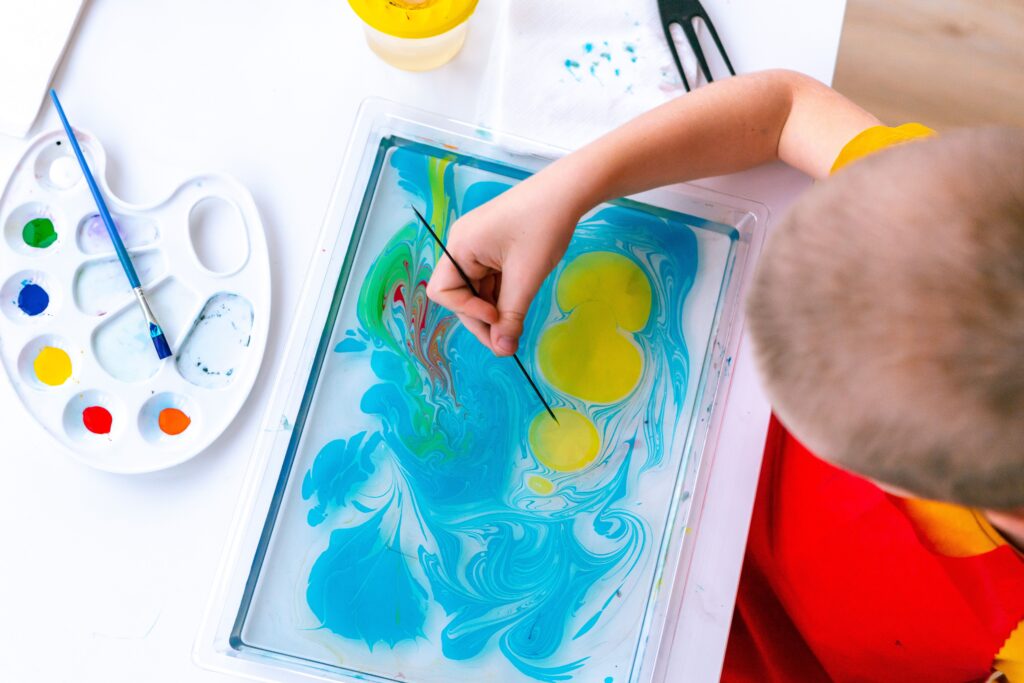
Paint mixing is much more than an art activity. As children experiment with primary and secondary colors, they learn to make predictions, observe changes, solve problems, and express their creativity. At the same time, they’re strengthening fine motor skills and developing an early understanding of science and color theory.
The best part?
There are no right or wrong answers. Every brushstroke becomes an opportunity to explore, imagine, and create.
Welcome to Today’s Color Lab
Instead of saying,
“Today we’re going to learn colors,”
try saying,
“Today you’re going to become a Color Scientist!”
Immediately, the activity feels like an adventure rather than a lesson.
Before opening the paint bottles, encourage your child to make predictions.
Ask questions such as:
- What happens if we mix red and yellow?
- Can blue and yellow make green?
- What do you think we’ll discover today?
Guessing before experimenting helps children develop observation and critical-thinking skills.
What You’ll Need
The activity requires only a few basic supplies.
Prepare:
- Washable red paint
- Washable yellow paint
- Washable blue paint
- White paper or cardstock
- Paint palette or paper plate
- Paintbrushes
- Water cup
- Paper towels
- Child’s apron or old T-shirt
Optional materials:
- Cotton buds
- Sponges
- Pipettes
- Plastic spoons
- Bubble wrap for texture painting
Washable tempera paint works especially well because it’s easy to clean and produces bright colors for young children.
Step One: Meet the Three Primary Colors
Before mixing anything, introduce the three “special” colors.
Explain that these are called primary colors because they can create many other colors.
Show each paint separately.
Invite your child to describe what they notice.
Questions might include:
- Which color feels happiest?
- Which one reminds you of the sky?
- Which color looks warm?
- Which one would you paint a flower with?
This simple conversation helps build vocabulary while making children think about colors in everyday life.
The First Experiment
Place one small drop each of:
- Red
- Yellow
onto the palette.
Before mixing, pause.
Ask:
“What do you think will happen?”
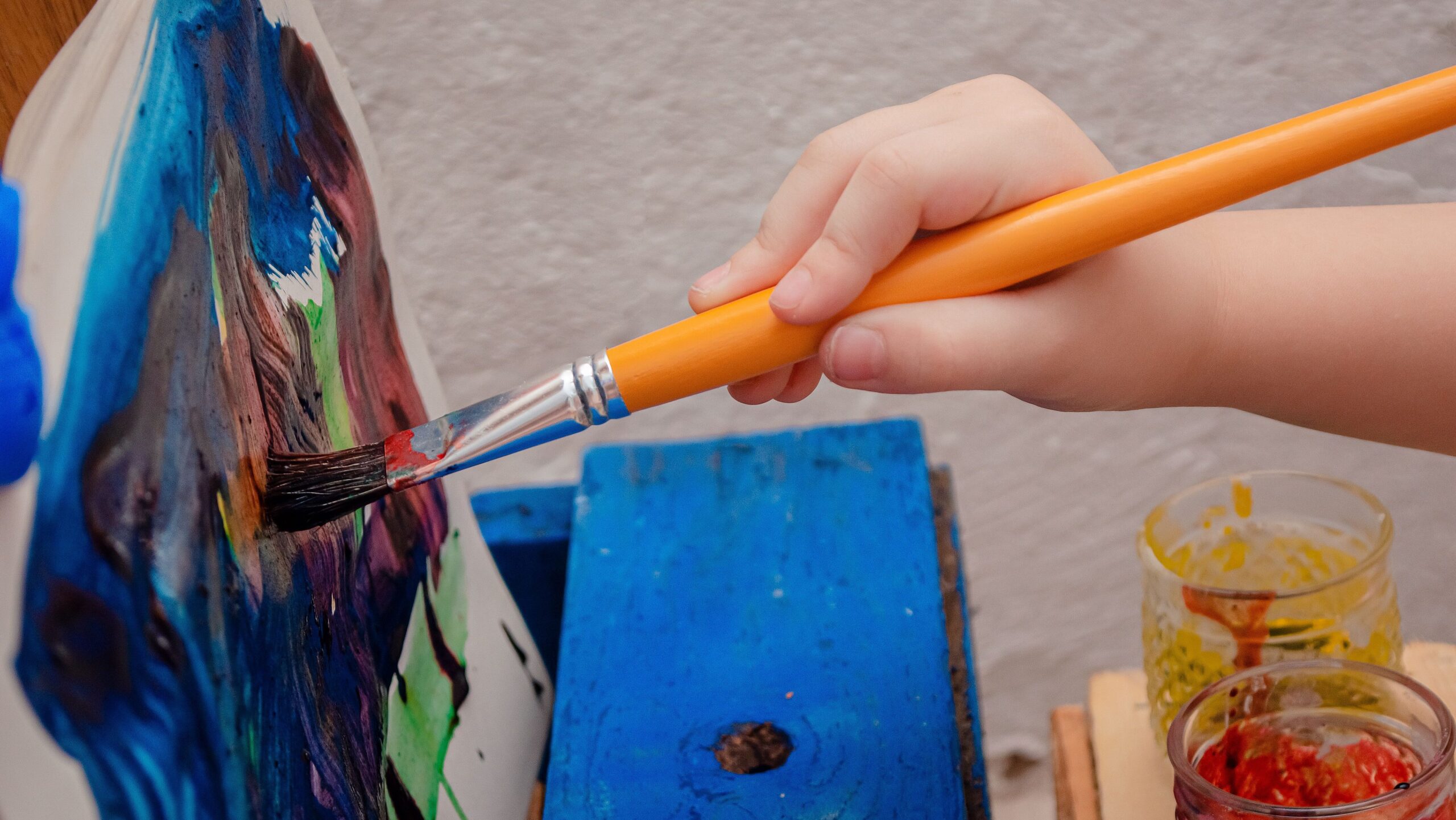
Allow your child to stir the paints together slowly.
Watch their excitement as orange appears.
Repeat the same process with:
- Blue + Yellow
- Red + Blue
Rather than telling children the answer immediately, let them discover it themselves.
Discovery creates stronger memories than memorization.
Create Your Own Color Mixing Chart
Once your child has mixed all three combinations, help them create a simple chart.
| Primary Colors | New Color |
|---|---|
| Red + Yellow | Orange |
| Yellow + Blue | Green |
| Blue + Red | Purple |
Leave a small painted sample beside each combination.
Later, children can use this chart whenever they paint new pictures.
It also becomes a wonderful reminder of what they discovered through experimentation.
Ask Questions Like a Scientist
The learning becomes even richer when children explain their thinking.
Instead of saying,
“That’s green.”
Try asking:
- How did you make that color?
- What happened when you mixed them?
- Which color changed the most?
- Which new color is your favorite?
- Can you make the same color again?
These open-ended questions encourage communication and observation rather than simple yes-or-no answers.
Learning Hidden Inside the Fun
While your child is happily painting, several important skills are quietly developing.
They are practicing:
- Fine motor control
- Hand-eye coordination
- Color recognition
- Early scientific thinking
- Problem-solving
- Creativity
- Patience
- Concentration
Activities that combine art and exploration support multiple areas of development at the same time.
Can You Make Even More Colors?
Once children understand the basic color combinations, they’ll naturally become curious.
“What happens if I mix everything together?”
That’s exactly the kind of curiosity we want to encourage.
Instead of stopping after three new colors, invite your child to continue experimenting.
Try questions like:
- What happens if we add a little more yellow?
- What if we use only a tiny drop of blue?
- Can we make a lighter green?
- Can we make a darker orange?
Every experiment teaches children that small changes can produce different results.
Discover Light and Dark Colors
After creating orange, green, and purple, introduce white paint.
Ask your child:
“What do you think will happen if we add white?”
Mix a small amount into each color.
Children will discover softer, lighter shades.
If appropriate for the paint you’re using, you can also demonstrate how adding a tiny amount of black creates darker shades—but use black sparingly so colors don’t become muddy.
Paint a Rainbow Using Mixed Colors
Now it’s time to use the newly created colors.
Instead of painting random shapes, invite your child to create:
- A rainbow
- A butterfly
- A flower garden
- A fish under the sea
- A colorful hot air balloon
Encourage them to use both the primary colors and the colors they mixed themselves.
Children often feel proud knowing,
“I made this color myself!”
Turn It Into a Color Hunt
Learning doesn’t need to stop when the paint dries.
Choose one mixed color.
For example:
Green
Challenge your child to search around the house for green objects.
They might find:
- A leaf
- A toy dinosaur
- A pillow
- A cup
- A book cover
Repeat the activity with orange and purple.
This helps children connect art with the real world.
Mix Colors Using Different Tools
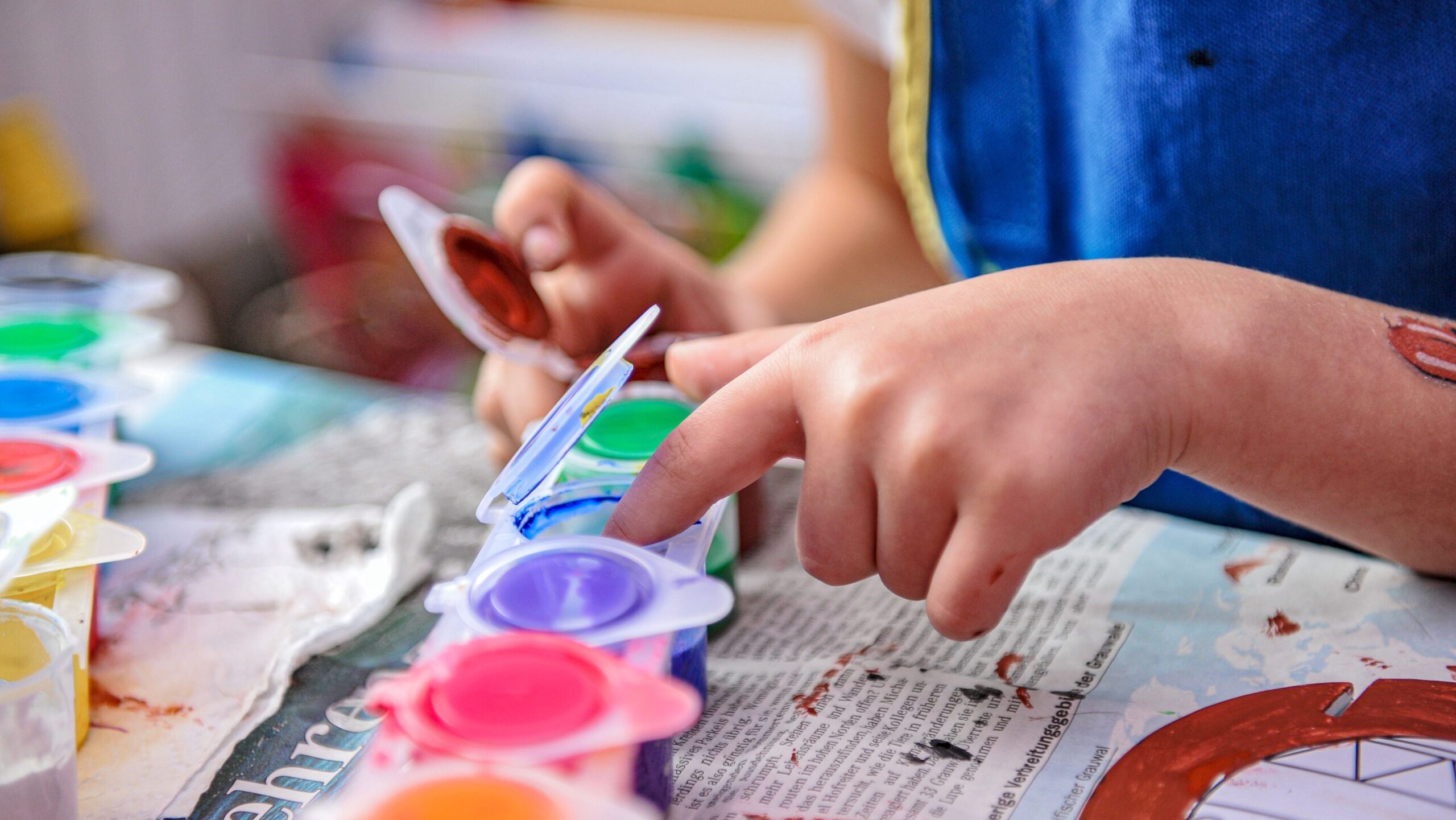
Paintbrushes aren’t the only option.
Try experimenting with:
- Cotton balls
- Sponges
- Toy cars
- Forks
- Bubble wrap
- Finger painting (with washable paint)
Each tool creates different patterns and textures, making the activity feel fresh every time.
What If Colors Turn Brown?
At some point, almost every child mixes all the paints together.
The result is usually a muddy brown or gray.
Rather than calling it a mistake, use it as another experiment.
Ask:
“Why do you think that happened?”
Then explain that mixing too many colors together changes the result.
This teaches children that every experiment—even an unexpected one—is part of learning.
Keep the Activity Open-Ended
Avoid giving children an example they feel pressured to copy.
Instead of saying,
“Paint exactly like this,”
invite them to create anything they imagine using the colors they’ve discovered.
Some children may paint a rainbow.
Others may create dinosaurs, rockets, flowers, or abstract patterns.
There isn’t a “correct” painting.
The real success lies in exploring, experimenting, and enjoying the creative process.
Beyond Primary Colors: Keep the Discovery Going
Once your child understands how to mix red, yellow, and blue, don’t stop the experiment there.
Ask them to become a real color explorer.
Encourage questions like:
- Can you make a color that looks like the ocean?
- Which colors remind you of autumn?
- Can you create the color of your favorite fruit?
- How many different shades of green can you make?
Instead of giving instructions, let your child experiment freely.
Open-ended exploration develops creativity far more effectively than asking children to copy an example.
Connect Color Mixing With Everyday Life
Children remember concepts better when they see them outside the activity.
During the next few days, point out colors in everyday situations.
For example:
While cooking:
“These carrots are orange. Which two colors helped us make orange during our experiment?”
During a walk:
“Can you find something that’s the same shade of green as your painting?”
At the grocery store:
“Which fruits are purple? Which vegetables are green?”
These conversations reinforce learning naturally without feeling like a lesson.
Easy Ways to Extend the Activity
One paint-mixing session can inspire several more learning experiences.
Here are a few ideas:
Make a Color Journal
Give your child a notebook where they can paint small color samples and name each one.
Over time, they’ll create their own collection of colors and shades.
Create Color Families
Invite your child to group objects by color.
For example:
Red Family
- Apple
- Fire truck
- Strawberry
- Ladybug
Blue Family
- Sky
- Whale
- Jeans
- Blueberry
Sorting activities strengthen observation and classification skills.
Try Nature Painting
Collect natural materials such as:
- Leaves
- Pinecones
- Flowers
- Twigs
Dip them into paint and create unique prints.
Children discover that different objects leave different patterns while also exploring textures.
Mix Colors With Water
Instead of paint, use food coloring and clear cups of water.
Children can observe the same color changes in a completely different way.
This simple activity introduces basic science while reducing cleanup time.
Common Mistakes to Avoid
Parents often focus so much on the finished artwork that they forget the real purpose of the activity.
Here are a few things to avoid:
| Instead of… | Try… |
|---|---|
| Showing children exactly what to paint | Let them create freely using their imagination. |
| Correcting every color choice | Encourage experimentation and curiosity. |
| Rushing through the activity | Allow plenty of time for exploration. |
| Worrying about making a mess | Prepare the workspace and enjoy the process. |
| Expecting every child to paint the same way | Celebrate each child’s unique creativity. |
Remember, the learning happens during the experimenting—not after the painting is finished.
Frequently Asked Questions
At what age can children start paint mixing activities?
Most children can begin simple paint-mixing activities around 2½ to 3 years old with close adult supervision and washable, non-toxic paints.
Which paints work best?
Washable tempera paint is one of the best choices because it’s easy to clean, child-friendly, and produces bright, vibrant colors.
Should children memorize primary and secondary colors?
There’s no need to memorize them immediately.
Children learn more effectively by repeatedly experimenting and observing the results themselves.
What if my child mixes every color together?
That’s completely normal.
Mixing all the colors is part of the learning process. It helps children understand how different color combinations affect the final result.
Can this activity support school readiness?
Yes.
Paint mixing develops fine motor skills, observation, creativity, vocabulary, early science concepts, problem-solving, and concentration—all of which support kindergarten readiness.
Final Thoughts
Paint mixing is much more than an art project.
It’s an invitation to ask questions, test ideas, make predictions, and celebrate discoveries.
Every time children combine two colors, they’re doing what scientists do every day—observing, experimenting, and learning from the results.
Whether your child creates a beautiful rainbow or ends up with a page full of unexpected colors, the experience is equally valuable.
The masterpiece isn’t just the painting hanging on the refrigerator.
It’s the confidence, curiosity, and creativity growing inside your child with every experiment.
So grab a few bottles of washable paint, protect the table, and let your little artist discover that learning can be colorful, exciting, and wonderfully messy.
References
This article is based on recommendations and educational resources from trusted organizations, including:
- National Association for the Education of Young Children (NAEYC)
- GreatSchools
- Education.com
- PBS Parents
- Scholastic Parents
Continue Exploring on NatureNestia
You may also enjoy:
- Sensory Activities for Toddlers
- Creative Activities for Kids
- Montessori Activities for Toddlers
- Number Tracing Worksheets 1–20
- Math Activities for Kindergarten
- Make Learning Fun for Kids
- Fine Motor Activities for Preschoolers

Aina Arif is a mother of two young children and the founder of NatureNestia. Based in Pakistan, she spent three years as an early childhood educator before becoming a full-time parent and writer. She writes about learning through play, managing difficult behaviour, and building strong family bonds.