
By Aina Arif| Updated: June 2026 | 12 min read
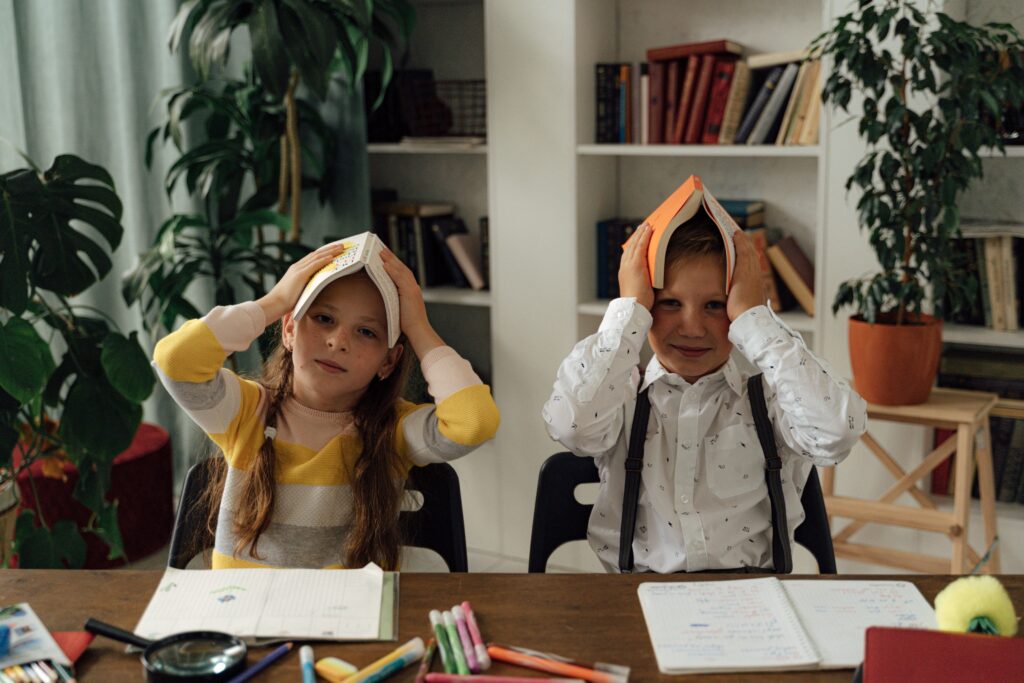
Every parent has said it at least once:
“Go and finish your homework.”
A few minutes later, the excuses begin.
“I’m tired.”
“It’s too difficult.”
“Can I do it later?”
“Studying is boring.”
If this sounds familiar, don’t worry—you’re not alone.
Many children dislike studying, but that doesn’t necessarily mean they dislike learning. In fact, children are naturally curious. They love asking questions, exploring new ideas, and experimenting with the world around them. The problem often begins when learning feels repetitive, stressful, or disconnected from real life.
The good news is that you don’t need expensive educational toys or hours of preparation to make learning enjoyable. Small changes in the way lessons are presented can completely transform a child’s attitude toward studying. Research shows that playful, meaningful, and hands-on learning increases children’s motivation and engagement.
Instead of forcing children to memorize information, the goal is to help them discover knowledge in ways that feel exciting and rewarding.
Learning Should Feel Like an Adventure, Not a Chore
Imagine asking a child to memorize ten new vocabulary words.
Now imagine hiding those same words around the house and turning them into a treasure hunt.
The lesson hasn’t changed.
Only the experience has.
Children are far more likely to stay engaged when learning includes movement, curiosity, and opportunities to solve problems.
That’s why many educators now encourage playful learning rather than relying only on traditional worksheets. Guided play helps children stay actively involved while still achieving meaningful learning goals.
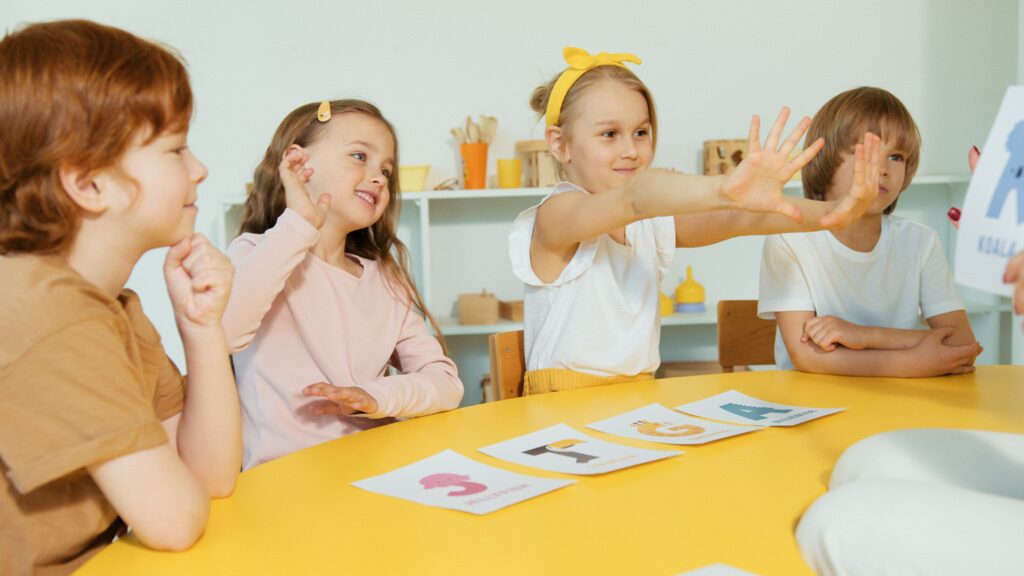
Trick #1: Turn Lessons Into Games
Children rarely complain about playing games.
So instead of separating learning from play, combine them.
Simple ideas include:
- Math bingo
- Alphabet scavenger hunts
- Flashcard races
- Spelling basketball
- Memory matching games
- Puzzle challenges
Adding friendly competition makes ordinary lessons much more exciting.
Remember, the purpose isn’t winning.
It’s making practice enjoyable.
Trick #2: Follow Your Child’s Interests
Every child has something they love.
Some enjoy dinosaurs.
Others love space, animals, trains, cooking, or superheroes.
Use those interests while teaching.
For example:
A child who loves dinosaurs can practice counting dinosaur toys.
A child interested in baking can learn fractions while measuring ingredients.
A football fan can practice addition by keeping score during a match.
Learning becomes much easier when children see connections between lessons and their favorite hobbies.
Trick #3: Let Curiosity Lead the Lesson
Children ask hundreds of questions.
Instead of immediately giving the answer, encourage them to investigate.
If your child asks:
“Why does ice melt?”
Instead of explaining everything, try asking:
“What do you think will happen if we leave it in the sun?”
Curiosity encourages deeper thinking than simply memorizing facts.
Learning becomes something children actively participate in rather than passively receive.
Trick #4: Keep Lessons Short
Long study sessions often lead to frustration.
Young children learn best in small, focused periods.
Try studying for:
- 10–15 minutes for preschoolers
- 15–20 minutes for kindergarten
- 20–30 minutes for early elementary students
Afterward, include a short movement break.
Stretch.
Dance.
Jump.
Take a quick walk.
Returning with fresh energy often improves concentration.
Trick #5: Celebrate Effort Instead of Perfect Answers
Many children stop enjoying learning because they’re afraid of making mistakes.
Instead of praising only correct answers, notice their effort.
Say things like:
“I noticed you didn’t give up.”
“You worked really hard on that puzzle.”
“I like how you kept trying different ideas.”
This builds confidence and encourages a growth mindset, helping children view mistakes as part of learning rather than something to fear.
Trick #6: Bring Learning Into Everyday Life
Some of the best learning doesn’t happen at a desk.
It happens naturally during daily routines.
For example:
At the grocery store:
- Count apples.
- Compare prices.
- Read food labels.
While cooking:
- Measure ingredients.
- Identify shapes.
- Count spoonfuls.
During a walk:
- Spot letters on signs.
- Count birds.
- Observe different leaves.
Real-world learning helps children understand why knowledge matters.
Trick #7: Create a Dedicated Learning Space
Children don’t always need a separate classroom, but they do benefit from having a space that feels organized and inviting.
A simple learning corner might include:
- A child-sized table
- Crayons and pencils
- Books within easy reach
- Educational games
- A small basket for worksheets
Keeping supplies organized reduces distractions and helps children transition into learning more easily.
Trick #8: Give Children Choices
Imagine being told exactly what to do every minute of the day.
Children enjoy having some control over their learning too.
Offer simple choices such as:
- “Would you like to practice reading or math first?”
- “Should we use crayons or colored pencils?”
- “Do you want to learn indoors or outside today?”
Even small decisions can increase motivation because children feel involved in the process.
Trick #9: Add Movement to Every Lesson
Young children aren’t designed to sit still for long periods.
Instead of asking them to remain seated, include movement whenever possible.
Ideas include:
- Hop while counting numbers.
- Spell words using sidewalk chalk.
- Jump to the correct answer.
- Walk around the room during a scavenger hunt.
Physical activity keeps children engaged while supporting memory and attention.
Trick #10: Read Together Every Day
Reading isn’t only about improving literacy.
Stories introduce new vocabulary, encourage imagination, and strengthen listening skills.
Ask questions while reading:
- “What do you think will happen next?”
- “Why do you think the character felt sad?”
- “What would you do differently?”
These conversations develop comprehension and critical thinking.
Trick #11: Make Mistakes Part of the Game
Children often believe mistakes mean failure.
Help them see mistakes differently.
When something goes wrong, ask:
- “What did we learn?”
- “What could we try next time?”
- “Can we solve it another way?”
Children who feel safe making mistakes are more willing to take on new challenges.
Trick #12: Learn Together
You don’t have to be a teacher to support learning.
Show your child that adults continue learning too.
Try:
- Solving puzzles together.
- Learning a few words in another language.
- Planting seeds and observing growth.
- Building something with recycled materials.
Learning becomes more meaningful when children see it as a shared family experience rather than a task they complete alone.
Trick #13: Use Technology Wisely
Technology doesn’t have to be the enemy of learning.
When used in moderation, educational apps, interactive quizzes, and age-appropriate videos can make difficult concepts easier to understand.
Instead of handing your child a device without guidance, participate together.
Watch a short educational video, pause occasionally, and ask questions like:
“What did you notice?”
“Can you explain that in your own words?”
“What do you think will happen next?”
Active participation turns screen time into learning time.
Trick #14: Encourage Questions Instead of Memorization
Many children think learning means remembering the “right” answer.
Real learning begins when children ask thoughtful questions.
If your child asks something unexpected, avoid saying,
“We’ll learn that later.”
Instead, explore it together.
Questions such as:
- Why do leaves change color?
- Why do stars shine?
- Why do birds migrate?
can become exciting mini-learning adventures.
Curious children often become lifelong learners.
Trick #15: Create Small Learning Challenges
Children enjoy accomplishing achievable goals.
Instead of assigning large amounts of work, create fun daily challenges.
For example:
Today’s Challenge
✅ Read one short story.
✅ Learn one new word.
✅ Count to 50.
✅ Solve three math questions.
Completing small goals gives children a sense of progress and motivates them to continue learning.
Trick #16: Let Children Teach You
One of the best ways to check understanding is to ask children to explain what they’ve learned.
After reading a lesson, say:
“Can you teach it to me?”
Pretending to be the student makes children think more deeply about the topic.
Teaching someone else also strengthens memory and confidence.
Trick #17: Celebrate Progress, Not Perfection
Learning is a journey filled with small improvements.
Instead of waiting for perfect grades, celebrate milestones like:
- Finishing a difficult book.
- Writing more neatly.
- Solving a math problem independently.
- Trying something new without giving up.
Recognition builds motivation far more effectively than criticism.
Trick #18: Include Creative Activities
Creativity and learning go hand in hand.
After studying a topic, encourage your child to express it creatively.
For example:
- Draw a science experiment.
- Build a model with blocks.
- Write a short comic.
- Act out a story.
- Create a poster.
Creative expression helps children remember information more effectively than memorization alone.
Trick #19: Allow Time for Free Play
It may seem surprising, but free play supports learning.
During unstructured play, children develop:
- Problem-solving skills
- Communication
- Creativity
- Decision-making
- Emotional regulation
Learning doesn’t always require books or worksheets.
Sometimes the most valuable lessons happen while children build forts, invent games, or create imaginary worlds.
Trick #20: Make Learning a Family Lifestyle
Children notice what adults value.
If parents read books, ask questions, explore museums, solve puzzles, or enjoy learning new skills, children begin seeing learning as something enjoyable rather than something they’re forced to do.
Simple family habits include:
- Reading together after dinner.
- Visiting the library.
- Playing educational board games.
- Cooking while measuring ingredients.
- Watching educational documentaries together.
When learning becomes part of everyday family life, children are more likely to develop a positive attitude toward education.
A Weekly “Fun Learning Plan”
Instead of planning every hour, create a flexible weekly routine.
| Day | Fun Learning Activity |
|---|---|
| Monday | Read a new storybook together |
| Tuesday | Science experiment using household items |
| Wednesday | Educational board game or puzzle |
| Thursday | Nature walk and observation journal |
| Friday | Art or craft related to this week’s lesson |
| Saturday | Visit a library, museum, or local park |
| Sunday | Family quiz or storytelling night |
A balanced routine keeps learning fresh without becoming overwhelming.
Signs Your Child Is Beginning to Enjoy Learning
Positive changes often appear gradually.
Look for signs like:
- Asking more questions.
- Reading voluntarily.
- Sharing interesting facts.
- Showing curiosity about new topics.
- Completing activities without reminders.
- Feeling proud of their work.
These behaviors suggest your child is developing intrinsic motivation—a love of learning that comes from within.
Frequently Asked Questions
What if my child says learning is boring?
Try changing how they learn instead of what they learn. Games, movement, storytelling, experiments, and hands-on activities often make lessons much more engaging.
How long should young children study each day?
For most preschool and early elementary children, 15–30 minutes of focused learning, broken into shorter sessions, is usually more effective than one long study period.
Should rewards be used for studying?
Occasional rewards can be motivating, but long-term success comes from helping children enjoy learning itself. Praise effort, curiosity, and persistence more often than offering prizes.
Is play really educational?
Yes.
Through play, children develop language, social skills, creativity, critical thinking, and problem-solving abilities that support academic success later in life.
What if my child learns differently from others?
Every child has unique strengths and learning preferences.
Some learn best by seeing, others by listening, moving, building, or doing.
Focus on helping your child discover the methods that work best for them instead of comparing them with others.
Final Thoughts
Helping children enjoy learning doesn’t require expensive resources or perfectly planned lessons.
What matters most is creating an environment where curiosity is welcomed, questions are encouraged, and mistakes are viewed as opportunities to grow.
Some days your child will be eager to explore new ideas.
Other days they may need extra encouragement—and that’s perfectly normal.
By turning everyday moments into learning opportunities, celebrating effort, and following your child’s interests, you can help build a lifelong love of learning that extends far beyond the classroom.
Remember, children may not always remember every lesson they study, but they’ll always remember how learning made them feel.
Make it positive, exciting, and full of discovery.
References
This article is informed by educational research and guidance from trusted organizations, including:
- Harvard Center on the Developing Child
- National Association for the Education of Young Children (NAEYC)
- Edutopia
- UNICEF Parenting
- American Academy of Pediatrics (AAP)
Continue Learning with NatureNestia
You may also enjoy:
- Math Activities for Kindergarten
- Number Tracing Worksheets 1–20
- Montessori Activities for Toddlers
- Sensory Activities for Toddlers
- Social Skills Activities for Kids
- Creative Activities for Kids
- Screen Time for Kids

Aina Arif is a mother of two young children and the founder of NatureNestia. Based in Pakistan, she spent three years as an early childhood educator before becoming a full-time parent and writer. She writes about learning through play, managing difficult behaviour, and building strong family bonds.