By Aina Arif | Updated July 2026 | 15 min read
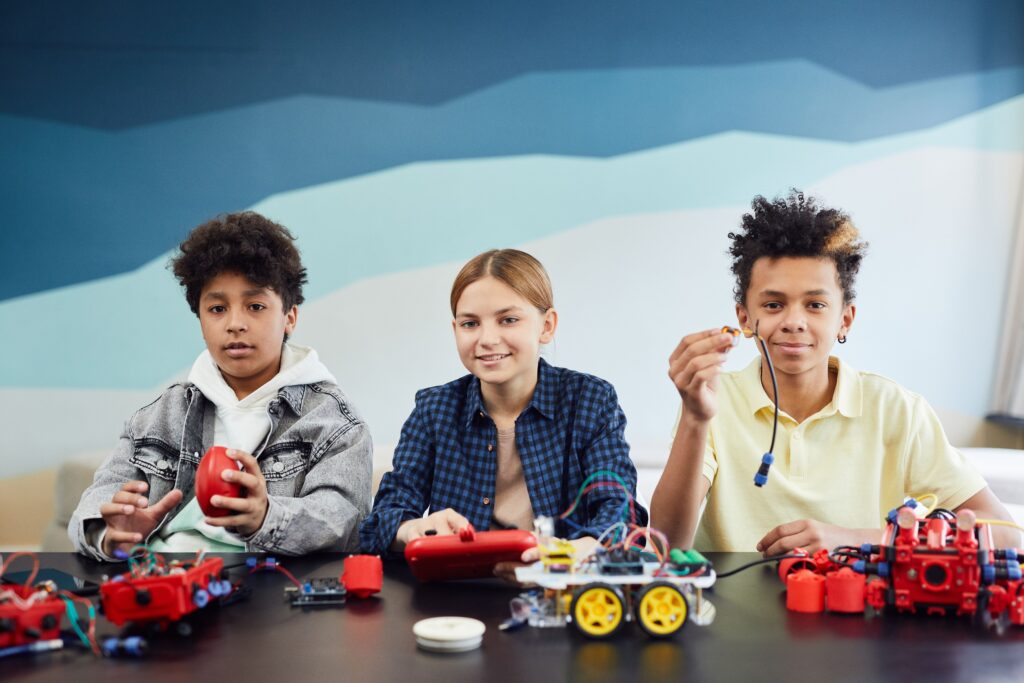
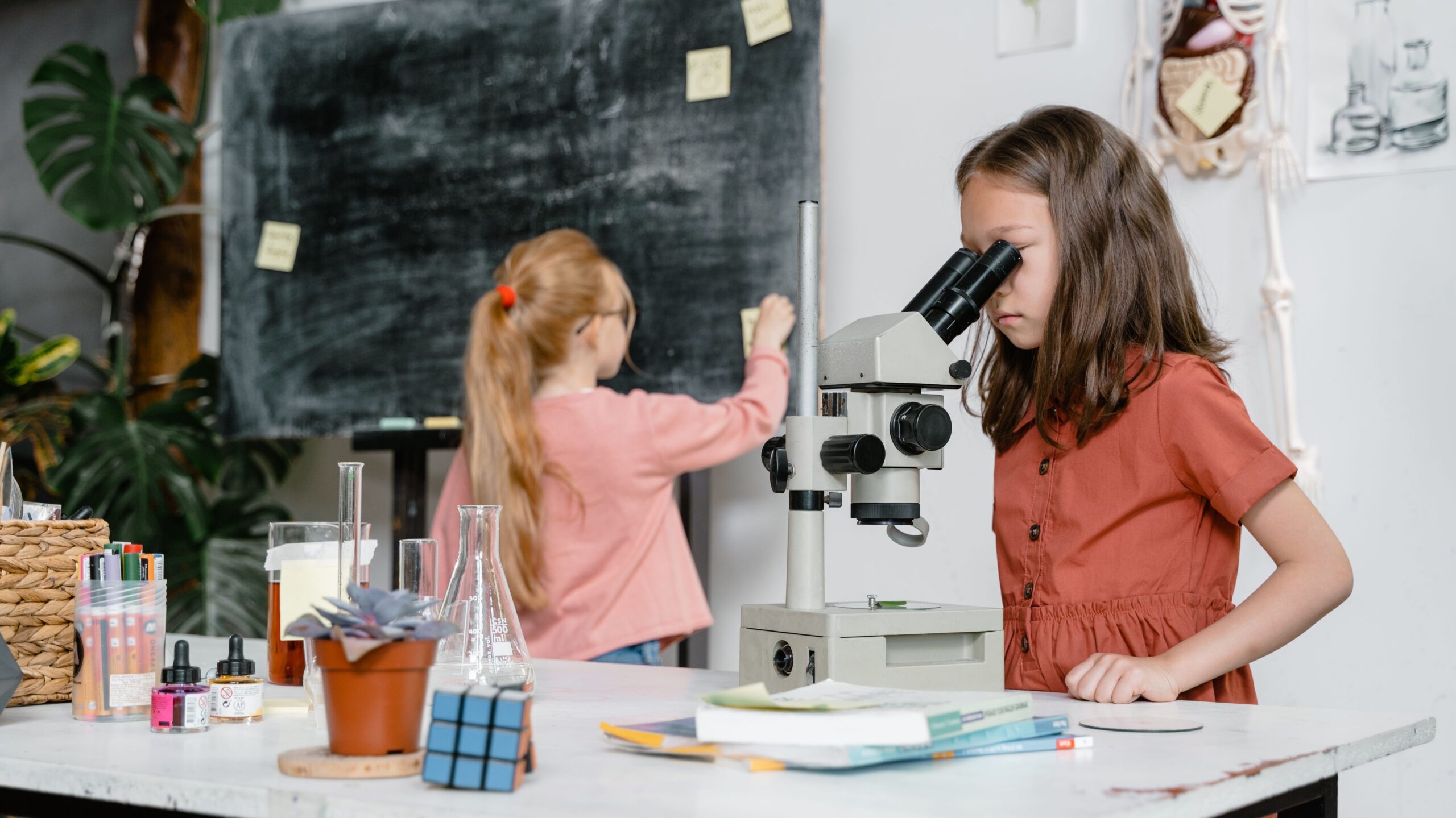
STEM activities are one of the best ways to help children learn through play. Instead of memorizing facts from books, kids explore, build, test ideas, solve problems, and discover how the world works. Whether your child loves science experiments, building towers, coding games, or creative engineering challenges, STEM learning encourages curiosity while making education exciting.
The best part? Most STEM activities require only simple household materials, making them affordable for parents and easy for teachers to use in classrooms.
In this complete guide, you’ll discover 45+ engaging STEM activities for kids suitable for preschoolers, elementary students, and older children. Every activity includes materials, instructions, and the learning skills children develop.
What Does STEM Mean?
STEM stands for:
- S — Science
- T — Technology
- E — Engineering
- M — Mathematics
Instead of teaching these subjects separately, STEM combines them into hands-on activities that encourage children to think critically, ask questions, experiment, and solve real-life problems.
For example, when children build a bridge from popsicle sticks, they use:
- Science to understand forces
- Engineering to design the structure
- Math to measure pieces
- Technology if they use digital design tools
This integrated learning approach prepares children for future careers while improving everyday problem-solving skills.
Why Are STEM Activities Important?
Children naturally love exploring. STEM activities transform that curiosity into meaningful learning experiences.
Benefits include:
- Improves critical thinking
- Encourages creativity
- Develops problem-solving skills
- Builds confidence
- Improves teamwork
- Strengthens math skills
- Makes science fun
- Develops communication skills
- Encourages independent learning
- Reduces screen time through hands-on play
Research consistently shows that children remember concepts better when they actively participate instead of simply reading or listening.
STEM Activities by Age
| Age | Best Activities |
|---|---|
| 3–5 Years | Color mixing, sink or float, building blocks |
| 5–7 Years | Balloon rockets, paper bridges, slime science |
| 8–10 Years | Coding games, egg drop challenge, circuits |
| 11–14 Years | Robotics, engineering projects, advanced experiments |
Remember that every child learns differently. Choose activities based on interest rather than age alone.
Activity 1: Rainbow Walking Water Experiment
Age
4–10 years
Materials
- 6 clear cups
- Water
- Paper towels
- Red, yellow, and blue food coloring
Instructions
- Fill alternate cups with colored water.
- Leave the cups in between empty.
- Fold paper towels into strips.
- Place paper towels connecting each cup.
- Wait several hours.
What Happens?
The water travels through the paper towels because of capillary action, eventually filling the empty cups and mixing colors to create a rainbow.
STEM Skills
- Science
- Observation
- Prediction
- Color theory
Activity 2: Balloon Rocket
5
Age
5–10 years
Materials
- Balloon
- Straw
- Tape
- Long string
Instructions
- Thread the string through the straw.
- Tie the string tightly.
- Inflate the balloon without tying it.
- Tape the balloon to the straw.
- Release it.
What Children Learn
The escaping air pushes the balloon forward, demonstrating Newton’s Third Law of Motion.
STEM Skills
- Physics
- Engineering
- Scientific observation
Activity 3: Build the Strongest Paper Bridge
Age
6–12 years
Materials
- Printer paper
- Books
- Coins
Instructions
Challenge children to build a paper bridge that can hold the most coins without collapsing.
Try:
- Folding paper
- Rolling paper
- Accordion folds
- Layering
Discussion Questions
- Which design was strongest?
- Why did one bridge fail?
- How can we improve it?
Skills Developed
- Engineering
- Problem solving
- Design thinking
Activity 4: Sink or Float Investigation
Age
3–7 years
Materials
- Bucket of water
- Spoon
- Coin
- Leaf
- Toy car
- Plastic bottle cap
- Sponge
Instructions
Ask children to predict whether each object will sink or float before testing.
Record predictions in a chart.
STEM Skills
- Scientific method
- Observation
- Data recording
Activity 5: DIY Lava Lamp
Age
5–12 years
Materials
- Clear bottle
- Vegetable oil
- Water
- Food coloring
- Effervescent tablet
Instructions
- Fill most of the bottle with oil.
- Add water.
- Add food coloring.
- Drop in the tablet.
- Watch colorful bubbles rise and fall.
STEM Concept
Oil and water have different densities, and the tablet creates carbon dioxide bubbles.
Activity 6: Build a Marshmallow Tower
Age
6–12 years
Materials
- Marshmallows
- Toothpicks
Challenge
Build the tallest free-standing tower possible in 15 minutes.
Learning Goals
- Engineering
- Teamwork
- Structural design
- Creativity
Activity 7: Static Electricity Butterfly
Age
5–10 years
Materials
- Tissue paper butterfly
- Balloon
- Wool cloth
Instructions
Rub the balloon on hair or wool and hold it near the butterfly.
Watch it move without touching.
STEM Lesson
Children learn about static electricity and electric charges.
Activity 8: Egg Drop Challenge
Age
8–14 years
Materials
- Egg
- Cardboard
- Cotton
- Tape
- Straws
- Paper
Challenge
Design a protective container that keeps the egg from breaking when dropped.
Ask Kids
- What absorbed the impact?
- Which design worked best?
- How would you improve it?
Skills
- Engineering
- Critical thinking
- Testing
- Redesigning
Activity 9: Homemade Compass
A homemade compass is an exciting way to teach children how magnets work and how people found directions before GPS.
Best Age: 6–12 years
Materials
- Sewing needle
- Small magnet
- Small bowl
- Water
- Piece of cork or foam
Instructions
Rub the needle with the magnet in the same direction about 40–50 times. Place the needle carefully on the cork and let it float in the bowl of water. After a few moments, the needle will turn and point north and south.
What Kids Learn
Children discover how Earth’s magnetic field works and why compasses always point in the same direction.
STEM Skills
- Science
- Observation
- Geography
- Critical thinking
Activity 10: Dancing Raisins Experiment
This simple experiment surprises children while teaching an important science concept.
Best Age: 5–10 years
Materials
- Clear glass
- Carbonated water
- Raisins
Instructions
Fill a glass with carbonated water and drop several raisins inside. Watch as they sink, rise, and dance around the glass.
How It Works
Tiny carbon dioxide bubbles stick to the raisins, making them float. When the bubbles pop at the surface, the raisins sink again, creating the dancing effect.
Learning Outcome
Children understand how gases affect buoyancy and density.
Activity 11: Build a Lemon Battery
Turn ordinary lemons into a mini power source.
Best Age: 8–14 years
Materials
- 3–4 lemons
- Copper coins or copper strips
- Zinc nails
- Small LED light
- Connecting wires
Instructions
Roll each lemon gently to release the juice. Insert one copper strip and one zinc nail into each lemon without letting them touch. Connect the lemons in a series using wires and attach the LED.
What Happens
The acid inside the lemons reacts with the metals to create a small electrical current.
Skills Developed
- Electricity
- Chemistry
- Engineering
- Problem-solving
Activity 12: Design a Straw Roller Coaster
Children become engineers while designing a marble track.
Best Age: 7–12 years
Materials
- Drinking straws
- Tape
- Cardboard
- Marbles
Instructions
Tape the straws onto cardboard to create twists, turns, loops, and slopes. Test different designs to see which allows the marble to travel the farthest without stopping.
Encourage children to redesign their track after each test.
Learning Outcome
Kids explore gravity, speed, friction, and engineering design
Activity 13: DIY Water Filter
Teach children about clean water and filtration.
Best Age: 7–13 years
Materials
- Plastic bottle
- Cotton balls
- Sand
- Gravel
- Small stones
- Dirty water
Instructions
Cut the bottle in half and turn the top upside down like a funnel. Add cotton, sand, gravel, and stones in layers. Slowly pour dirty water through the filter and observe the results.
Important Note
The filtered water is not safe to drink. This activity only demonstrates how filtration removes visible particles.
Learning Outcome
Children understand one of the basic steps used in water treatment.
Activity 14: Invisible Ink Science
Secret messages make science feel magical.
Best Age: 6–12 years
Materials
- Lemon juice
- Cotton swab
- White paper
- Lamp or hair dryer (adult supervision)
Instructions
Dip the cotton swab into lemon juice and write a secret message on white paper. Allow it to dry completely. Carefully warm the paper until the writing becomes visible.
Science Behind It
Lemon juice oxidizes faster than paper when heated, causing the hidden writing to turn brown.
Activity 15: Rubber Band Powered Car
This engineering challenge combines creativity with physics.
Best Age: 8–14 years
Materials
- Cardboard
- Bottle caps
- Wooden skewers
- Rubber band
- Tape
Instructions
Build a simple four-wheel car using cardboard and bottle caps. Attach a rubber band to the rear axle. Twist the axle to wind the rubber band, then release it.
Measure how far the car travels and try different designs to improve the distance.
Skills Learned
- Mechanical energy
- Motion
- Engineering design
- Testing and improving
Activity 16: Build the Tallest Cup Tower
A simple challenge that develops engineering and teamwork skills.
Best Age: 5–12 years
Materials
- Plastic or paper cups
- Flat surface
Instructions
Challenge children to build the tallest tower possible using only cups. Set a time limit of 10 minutes.
Afterward, discuss why some towers remained stable while others collapsed.
Learning Outcome
Children learn about balance, center of gravity, and structural stability while practicing problem-solving and creative thinking.
Activity 17: Balloon-Powered Boat
This exciting STEM activity teaches children how air pressure creates movement while encouraging creativity and engineering skills.
Best Age: 6–12 years
Materials
- Plastic bottle or foam tray
- Balloon
- Straw
- Tape
- Water tub
Instructions
Attach the straw securely to the balloon with tape. Fix the balloon onto the boat so the straw points backward. Inflate the balloon without tying it, place the boat in water, and release the air.
What Kids Learn
As air rushes out of the balloon, it pushes the boat forward. This demonstrates Newton’s Third Law of Motion, showing that every action has an equal and opposite reaction.
STEM Skills
- Physics
- Engineering
- Observation
- Problem-solving
Activity 18: Magnetic Maze Challenge
Children use magnetism to guide an object through a maze without touching it.
Best Age: 5–10 years
Materials
- Cardboard
- Marker
- Paper clip
- Small magnet
Instructions
Draw a maze on cardboard and place a paper clip at the starting point. Hold the magnet underneath the cardboard and move it carefully to guide the paper clip through the maze until it reaches the finish line.
Try making different maze designs with curves, dead ends, and obstacles.
Learning Outcome
Children discover how magnetic forces work through non-contact interaction while improving focus and hand-eye coordination.
Activity 19: Baking Soda Rocket
This outdoor experiment combines chemistry with engineering.
Best Age: 7–14 years
Materials
- Small plastic bottle
- Baking soda
- Vinegar
- Tissue paper
- Cork or rocket cap
Instructions
Wrap baking soda in tissue paper and pour vinegar into the bottle. Drop the baking soda packet inside, quickly seal the bottle, place it upside down on the ground, and step back.
Within seconds, the rocket launches into the air.
Science Behind It
The reaction between vinegar and baking soda creates carbon dioxide gas. As pressure builds inside the bottle, it eventually forces the cork out, launching the rocket upward.
Safety Tip
Always perform this activity outdoors with adult supervision.
Activity 20: Build a DIY Weather Station
Help children become junior meteorologists by observing daily weather conditions.
Best Age: 7–14 years
Materials
- Notebook
- Thermometer
- Rain gauge
- Wind vane (homemade or purchased)
Instructions
Record the temperature, rainfall, wind direction, and cloud conditions each day for two weeks. Encourage children to identify weather patterns and compare sunny, rainy, and windy days.
Learning Outcome
Kids develop observation skills while learning about weather forecasting, climate, and data collection.
Activity 21: Floating Paper Clip Experiment
This activity introduces children to the fascinating concept of surface tension.
Best Age: 6–11 years
Materials
- Bowl of water
- Paper clip
- Tissue paper
Instructions
Place a small piece of tissue paper on the surface of the water. Carefully set the paper clip on top of the tissue. As the tissue absorbs water and sinks, the paper clip remains floating.
Add one drop of dish soap to the water and observe what happens.
Science Behind It
Surface tension creates a thin layer on top of the water that can support lightweight objects. Soap breaks this surface tension, causing the paper clip to sink.
Activity 22: Simple Pulley System
Discover how simple machines make lifting objects easier.
Best Age: 8–14 years
Materials
- Rope
- Small bucket
- Pulley wheel
- Hook
- Small objects for weight
Instructions
Attach the pulley securely to a support. Thread the rope through the wheel and connect the bucket. Lift different objects while comparing the effort required with and without the pulley.
Learning Outcome
Children understand how pulleys reduce the force needed to lift heavy objects.
STEM Skills
- Engineering
- Physics
- Mechanical systems
Activity 23: Grow Colorful Salt Crystals
Crystal growing is one of the most rewarding STEM projects because children can watch science happen over several days.
Best Age: 7–13 years
Materials
- Warm water
- Table salt
- Glass jar
- String
- Pencil
- Food coloring (optional)
Instructions
Mix salt into warm water until no more dissolves. Tie one end of the string to a pencil and suspend the string into the solution without touching the bottom of the jar. Leave it undisturbed for several days.
Observe crystal growth each day and record changes.
Science Concept
As water evaporates, dissolved salt particles join together to form crystals.
Activity 24: Coding Without a Computer
Coding doesn’t always require screens. This unplugged activity teaches programming logic through movement.
Best Age: 5–10 years
Materials
- Index cards
- Marker
- Small toy
Instructions
Write simple commands such as:
- Move forward
- Turn left
- Turn right
- Pick up
- Stop
Arrange the cards to create a sequence that guides a toy through an obstacle course. Encourage children to debug their instructions if the toy doesn’t reach the goal.
Learning Outcome
Children develop computational thinking, sequencing, logical reasoning, and problem-solving skills while understanding the basics of coding without using technology.
Activity 25: Build a Popsicle Stick Catapult
Children love launching soft objects while learning about force, energy, and motion.
Best Age: 7–12 years
Materials
- 8–10 popsicle sticks
- Rubber bands
- Plastic spoon
- Pom-poms or mini marshmallows
Instructions
Stack several popsicle sticks together and secure them with rubber bands. Attach two sticks together at one end to create a lever, then insert the stack between them. Tape a plastic spoon to the top stick and launch soft objects by pressing down on the spoon.
Challenge children to adjust the design and see which version launches objects the farthest.
What Kids Learn
This activity demonstrates how stored potential energy changes into kinetic energy while introducing the concept of levers.
Activity 26: Create a Homemade Sundial
Long before clocks existed, people used the Sun to tell time. This activity introduces children to ancient science and astronomy.
Best Age: 6–12 years
Materials
- Paper plate
- Pencil
- Marker
- Compass (optional)
Instructions
Push the pencil through the center of the paper plate so it stands upright. Place the sundial outside in a sunny location. Every hour, mark where the pencil’s shadow falls and write the corresponding time.
Compare the sundial with a real clock throughout the day.
Learning Outcome
Children explore Earth’s rotation, sunlight, shadows, and the history of timekeeping.
Activity 27: Build a Parachute
Designing a parachute helps children understand gravity and air resistance through experimentation.
Best Age: 5–10 years
Materials
- Plastic shopping bag or tissue paper
- String
- Tape
- Small toy
Instructions
Cut a square from the plastic bag and attach four equal-length strings to each corner. Tie the strings to the toy and drop it from a safe height.
Experiment with different parachute sizes to discover which one falls the slowest.
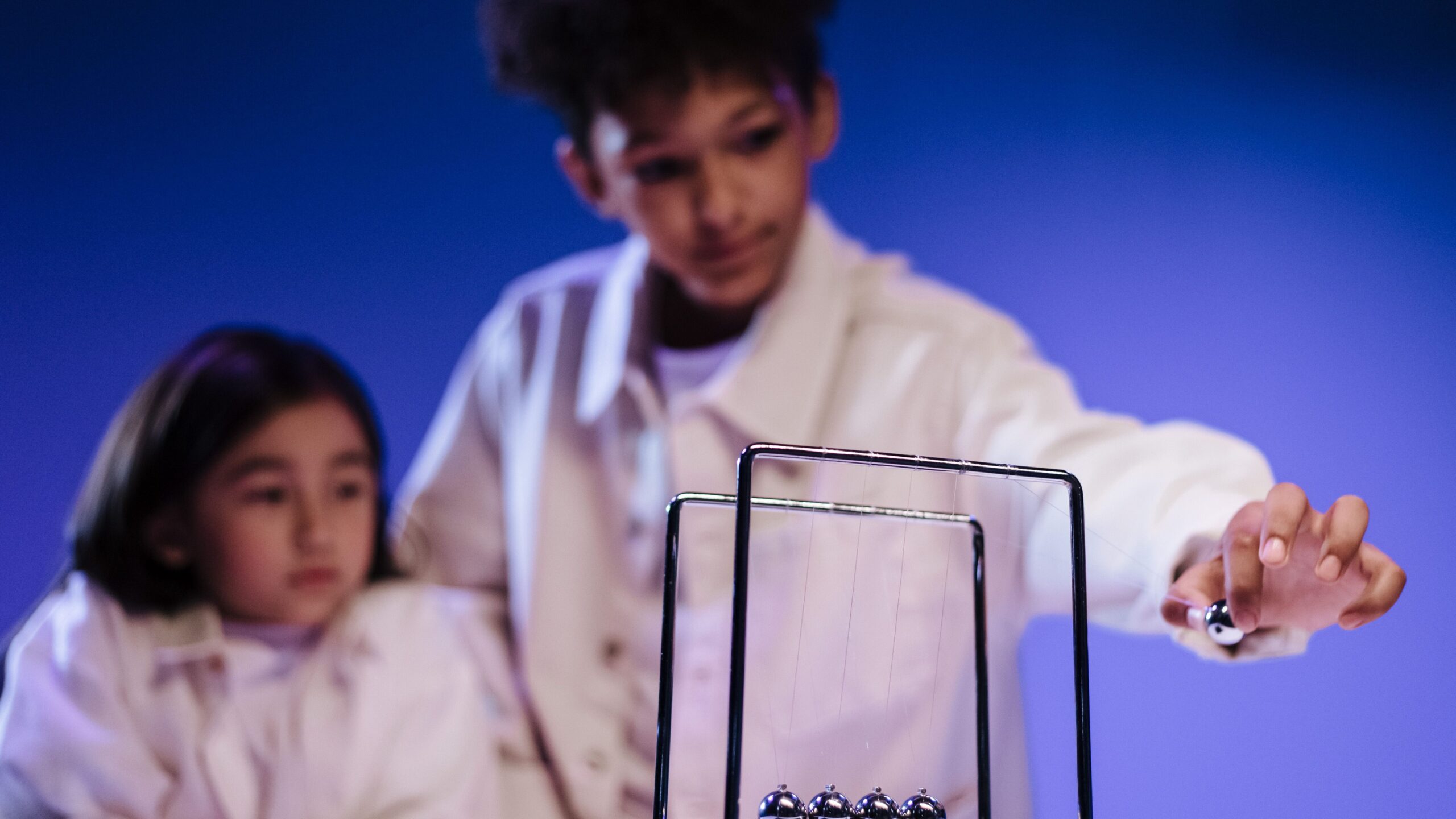
What Kids Learn
Children investigate how air resistance slows falling objects and why parachutes keep people safe.
Activity 28: Make Oobleck
Oobleck is a fascinating material that behaves like both a liquid and a solid.
Best Age: 4–10 years
Materials
- Cornstarch
- Water
- Large bowl
- Food coloring (optional)
Instructions
Mix about two cups of cornstarch with one cup of water until a thick mixture forms. Add food coloring if desired.
Encourage children to squeeze it quickly, then slowly let it drip through their fingers.
Science Behind It
Oobleck is a non-Newtonian fluid. It becomes firm when pressure is applied but flows like a liquid when left undisturbed.
Activity 29: Build a Paper Helicopter
Children discover how air slows falling objects with this simple engineering activity.
Best Age: 6–11 years
Materials
- Paper
- Scissors
- Paper clip
Instructions
Cut a paper helicopter template with two blades at the top. Fold the blades in opposite directions and attach a paper clip to the bottom for weight.
Drop it from different heights and observe how it spins toward the ground.
Try changing the blade length and compare the results.
Learning Outcome
Kids explore gravity, lift, air resistance, and design improvements.
Activity 30: Ice Melting Investigation
This hands-on experiment encourages children to think like scientists by making predictions and recording observations.
Best Age: 4–9 years
Materials
- Ice cubes
- Salt
- Sugar
- Warm water
- Cold water
- Small bowls
Instructions
Place an ice cube in each bowl. Add different substances or temperatures to each one and predict which ice cube will melt first.
Record the melting times and compare the results.
What Kids Learn
Children understand how temperature and different materials affect melting speed.
Activity 31: Build a Marshmallow Launcher
This fun engineering challenge encourages creativity while teaching force and motion.
Best Age: 8–13 years
Materials
- Plastic cup
- Balloon
- Tape
- Mini marshmallows
Instructions
Cut the bottom from the cup and stretch a balloon over the opening. Secure it tightly with tape. Place a marshmallow inside the cup, pull back the balloon, and release.
Measure how far each marshmallow travels and test different launch angles.
Learning Outcome
Children learn about stored energy, projectile motion, and scientific testing.
Activity 32: Create a Nature Engineering Challenge
Nature provides endless materials for creative STEM learning.
Best Age: 5–12 years
Materials
- Leaves
- Twigs
- Small stones
- Pinecones
- Grass
- String (optional)
Instructions
Ask children to collect natural materials and build one of the following:
- A tiny bridge
- A miniature house
- A tower
- An animal shelter
- A boat
After building, test the strength and stability of each design. Discuss what worked well and what could be improved.
What Kids Learn
This activity combines engineering, creativity, environmental awareness, and problem-solving while encouraging children to explore the natural world.
Activity 33: Build a Toothpick Bridge
Can a bridge made from simple toothpicks hold weight? This engineering challenge encourages children to think creatively while learning about structural design.
Best Age: 8–14 years
Materials
- Toothpicks
- Glue
- Cardboard
- Coins or small weights
Instructions
Sketch a bridge design before building. Glue the toothpicks together and allow the structure to dry completely. Once finished, place the bridge between two supports and slowly add coins until it bends or breaks.
Discuss which bridge design supported the most weight and why.
What Kids Learn
Children discover how shapes such as triangles increase strength and stability in engineering structures.
Activity 34: DIY Rain Cloud in a Jar
This colorful experiment helps children understand how rain forms in the atmosphere.
Best Age: 5–10 years
Materials
- Clear glass jar
- Water
- Shaving cream
- Blue food coloring
- Dropper
Instructions
Fill the jar about three-quarters full with water. Add a thick layer of shaving cream on top to represent clouds. Slowly drop blue food coloring onto the shaving cream using a dropper.
Watch as the color gradually passes through the shaving cream and falls into the water like rain.
Science Behind It
The shaving cream acts as a cloud. When it becomes saturated with “water,” the liquid falls through, just as rain falls from real clouds.
Activity 35: Create a Simple Solar Oven
Harness the power of sunlight with this renewable energy experiment.
Best Age: 8–14 years
Materials
- Pizza box
- Aluminum foil
- Plastic wrap
- Black construction paper
- Tape
Instructions
Cut a flap in the lid of the pizza box and cover the inside with aluminum foil. Line the bottom of the box with black paper and seal the opening with plastic wrap. Place the oven in direct sunlight and warm simple foods like chocolate or marshmallows.
Learning Outcome
Children learn how solar energy is converted into heat and why dark surfaces absorb more sunlight.
Activity 36: Build a Wind-Powered Pinwheel
Explore renewable energy while creating a colorful spinning toy.
Best Age: 4–9 years
Materials
- Square sheet of paper
- Pencil with eraser
- Push pin
- Scissors
Instructions
Cut diagonally from each corner toward the center without cutting all the way through. Fold every other corner into the center and secure them with a push pin attached to the pencil.
Take the pinwheel outside on a windy day or blow on it to make it spin.
What Kids Learn
Children observe how moving air transfers energy to create motion.
Activity 37: Walking Water Color Challenge
Expand the classic walking water experiment by encouraging prediction and investigation.
Best Age: 5–10 years
Materials
- Seven clear cups
- Water
- Paper towels
- Food coloring
Instructions
Fill alternate cups with colored water and leave the remaining cups empty. Connect each cup using folded paper towels.
Before the colors begin mixing, ask children to predict the new colors that will appear in the empty cups. Compare predictions with the final results.
Learning Outcome
Children explore capillary action, color mixing, observation, and scientific prediction.
Activity 38: Make a Balloon Hovercraft
This exciting activity demonstrates how air reduces friction.
Best Age: 7–12 years
Materials
- Old CD or sturdy cardboard circle
- Balloon
- Bottle cap with pull-top opening
- Glue
Instructions
Glue the bottle cap to the center of the CD or cardboard. Inflate the balloon, stretch it over the bottle cap, and place the hovercraft on a smooth table. Open the cap to release the air.
Watch the hovercraft glide across the surface with very little effort.
Science Behind It
Escaping air forms a thin cushion beneath the hovercraft, reducing friction and allowing it to move easily.
Activity 39: Shadow Tracking Investigation
Help children understand how the Sun appears to move across the sky.
Best Age: 6–12 years
Materials
- Stick
- Chalk
- Notebook
Instructions
Place a stick upright in the ground or secure it in a container. Every hour, trace the shadow with chalk and label the time.
Compare the shadow’s direction and length throughout the day.
What Kids Learn
Children discover how Earth’s rotation changes the position and length of shadows over time.
Activity 40: Build a Mini Earthquake Simulator
Introduce children to earthquake engineering with a hands-on building challenge.
Best Age: 8–14 years
Materials
- Cardboard
- Rubber bands
- Marbles
- Building blocks
Instructions
Place marbles between two pieces of cardboard to create a movable platform. Build a tower using blocks on top of the platform, then gently shake it to simulate an earthquake.
Challenge children to redesign their towers to make them stronger and more stable.
Learning Outcome
This activity teaches structural engineering, balance, and how engineers design earthquake-resistant buildings.
Activity 41: Build a Mini Water Wheel
Discover how flowing water can produce movement and introduce children to the basics of renewable energy.
Best Age: 7–13 years
Materials
- Paper plates
- Plastic spoons
- Wooden skewer
- Glue
- Large bowl or sink
- Water
Instructions
Glue the plastic spoons evenly around the edge of a paper plate. Insert the wooden skewer through the center so the wheel can spin freely. Hold the water wheel under a gentle stream of water or slowly pour water over it and observe how it rotates.
Try changing the amount of water or the spoon placement to see how it affects the speed.
What Kids Learn
Children explore energy transfer, renewable energy, and how water wheels have been used to power machines for centuries.
Activity 42: Make a DIY Balance Scale
This activity introduces children to measurement, comparison, and basic mathematical concepts.
Best Age: 5–10 years
Materials
- Plastic hanger
- Two paper cups
- String
- Hole punch
- Small classroom objects
Instructions
Punch two holes near the top of each paper cup and attach them to both sides of the hanger using equal lengths of string. Hang the balance scale where it can move freely.
Place different objects in each cup and compare their weights. Ask children to predict which side will be heavier before testing.
Learning Outcome
Children develop an understanding of weight, mass, estimation, and comparison while practicing observation skills.
Activity 43: Design a Paper Airplane Challenge
Paper airplanes are an excellent way to explore aerodynamics through hands-on learning.
Best Age: 6–12 years
Materials
- Printer paper
- Measuring tape
- Notebook
Instructions
Fold several paper airplanes using different designs. Fly each airplane three times and measure the distance traveled. Record the results and compare which design performs best.
Encourage children to make small changes to the wings or nose and test again.
What Kids Learn
This activity teaches lift, drag, thrust, gravity, and the importance of testing and improving designs.
Activity 44: Build a Tower That Can Hold a Book
This engineering challenge encourages children to think creatively while working with limited materials.
Best Age: 7–13 years
Materials
- Newspaper
- Tape
- Scissors
- One hardcover book
Instructions
Challenge children to build the tallest tower possible using only newspaper and tape. Once the tower is complete, carefully place a book on top to test its strength.
Discuss which shapes and building techniques made the tower stronger.
Learning Outcome
Children learn about structural engineering, load distribution, stability, and creative problem-solving.
Activity 45: Create Your Own STEM Invention Challenge
End the STEM journey by encouraging children to invent something completely original using the skills they have learned.
Best Age: 8–14 years
Materials
- Cardboard
- Plastic bottles
- Bottle caps
- Craft sticks
- Rubber bands
- String
- Glue
- Recycled household materials
Instructions
Ask children to identify a simple everyday problem, such as organizing school supplies or watering a plant. Challenge them to design and build an invention that solves the problem using recycled materials.
After building, have them explain:
- What problem does the invention solve?
- How does it work?
- What STEM concepts were used?
- How could the design be improved?
Encourage children to test their invention, gather feedback, and make improvements based on what they learn.
What Kids Learn
This open-ended project combines science, technology, engineering, and mathematics into one creative experience. It strengthens critical thinking, innovation, communication, teamwork, and confidence while showing children that STEM is about solving real-world problems through imagination and experimentation.

Aina Arif is a mother of two young children and the founder of NatureNestia. Based in Pakistan, she spent three years as an early childhood educator before becoming a full-time parent and writer. She writes about learning through play, managing difficult behaviour, and building strong family bonds.