
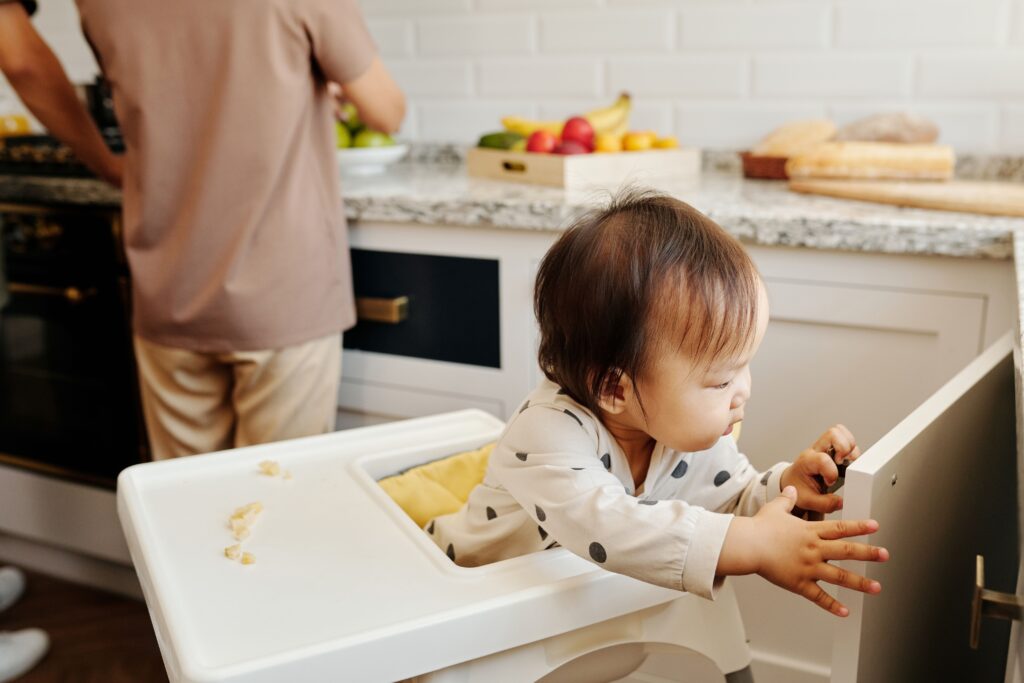
There’s a particular kind of tired that comes from standing in your kitchen at 6 PM, holding a plate of something you spent twenty minutes making, watching your toddler push it away and say one word: “bread.”
That was my life for almost a month.
It started small, the way most toddler phases do — you don’t notice the exact moment they begin, only the moment you realize you’re in the middle of one. My daughter was a little over two, and like a lot of toddlers, she’d always had opinions about food. She’d gone through a banana-only week around eighteen months. She’d refused anything green for a stretch I’d mostly blocked out of memory. I thought I knew what a food phase looked like.
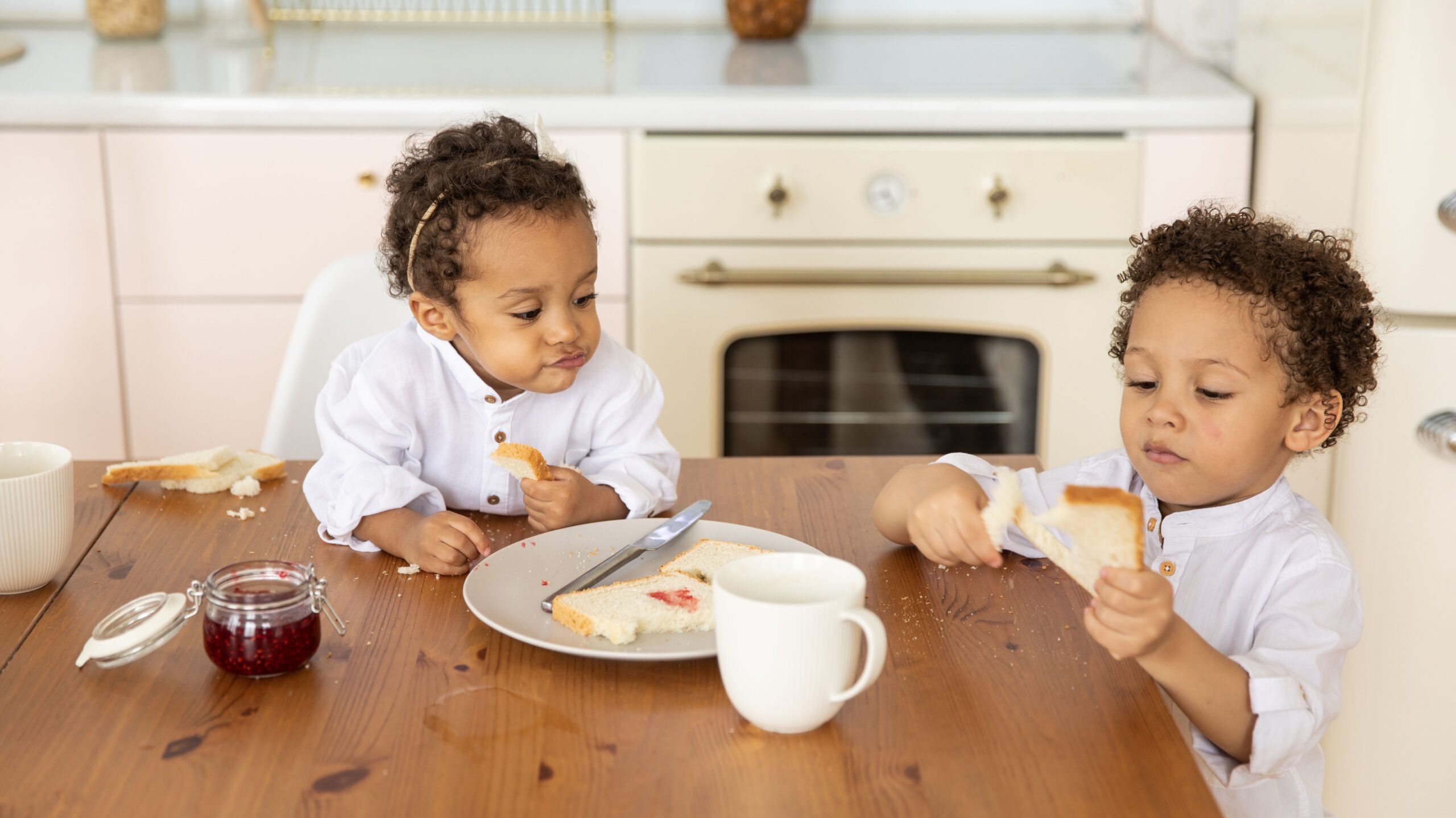
Then one Tuesday, she decided bread — plain, white, sometimes lightly buttered, cut into the same rectangle shape every single time — was the only acceptable food on planet Earth. Breakfast, lunch, dinner. Bread. If I tried to sneak anything else onto her plate, even just placed next to the bread without comment, she wouldn’t touch either. The bread became contaminated by proximity, apparently.
I want to be honest about how I felt, because I think a lot of parents pretend they handled this calmly, and I did not. I felt panicked. I felt like I was failing at one of the most basic parts of parenting — feeding my child something resembling a balanced diet. I googled “toddler will only eat bread” more times than I’d like to admit, at hours of the night I’m not proud of, scrolling through forum threads written by other exhausted parents at 1 AM, looking for someone to tell me this was normal and not a sign I’d already broken something.
The First Few Days
The first two or three days, I genuinely thought it would pass on its own, the way the banana phase had. I kept offering the same dinners I always made — rice, small pieces of chicken, steamed carrots, sometimes pasta — and she’d look at the plate like I’d personally offended her. Then she’d ask, very politely, for bread.
By day four, I started to worry in a way that felt different from ordinary toddler-parent worry. I remember standing in the kitchen doing mental math about calories and nutrients, trying to calculate whether bread alone could possibly be “enough,” even temporarily. I am not a nutritionist. I had no real way to answer that question for myself, and that not-knowing made everything worse.
I called my mother first, mostly for reassurance. She reminded me that my older brother had once eaten almost exclusively plain pasta for what she remembers as “way longer than a month,” and that he grew up fine, currently eats an enormous variety of food, and has no memory of the pasta phase at all. It helped a little. Not completely, but a little.
The Mistake I Made
My first real instinct, once I stopped hoping it would resolve itself, was to fight it. I made a rule: no bread until you eat three bites of something else. I remember feeling almost relieved when I decided this, like I’d found the solution — structure, boundaries, a clear expectation. Surely a two-year-old would understand three bites.
It backfired almost immediately. Meals turned into standoffs. She’d sit at the table, arms crossed in that specific toddler way that somehow conveys both defiance and heartbreak at once, and refuse to eat anything at all — not even the bread she’d been asking for all day. I’d sit across from her, increasingly frustrated, watching a good dinner go cold, and neither of us would win. Dinner went from being the calmest, most connected part of our day — the one meal where my husband and I were both usually home and could sit together as a family — to the part of the day I actively dreaded.
One night, about a week into the “three bites” rule, she cried so hard over a plate of rice that she made herself sick. I remember sitting on the kitchen floor with her afterward, both of us upset, and thinking: whatever I’m doing, it isn’t working, and it might be actively making things worse.
A Phone Call That Changed My Approach
A few days after that, I called my sister, who has three kids and has clearly been through worse than a month of bread. I explained the whole situation — the rule, the standoffs, the crying, my growing sense that I was somehow ruining mealtimes for my own child. She listened, and then she said something that has genuinely stuck with me since: “You’re trying to win a fight she doesn’t know she’s in.”
That single sentence reframed things for me more than any article I’d read. My daughter wasn’t being defiant on purpose, in the way an older child or an adult might dig in during a disagreement. She was two. She didn’t understand nutrition, or my anxiety about it, or the vague thing I’d read somewhere online about picky eating “peaking between ages two and three.” She just knew bread felt safe, familiar, and predictable, and everything else — at that particular moment in her development — felt like a risk she didn’t want to take.
I also, around this time, mentioned the whole situation to her pediatrician at a routine check-up. I’d been half-dreading the conversation, bracing for concern or a lecture about nutrition. Instead, she was almost unbothered. She explained, in a way that made a lot more sense than my late-night forum reading, that a lot of toddlers go through stretches of intense food selectivity, and that what mattered far more than any single day or even week was the pattern over time — whether she was growing, energetic, and generally offered a variety of foods, even if she wasn’t eating that variety yet. She also gently pointed out that toddlers are often better at regulating their own intake across a week than we give them credit for, even when a single day looks alarming to a worried parent standing in a kitchen.
That conversation didn’t fix anything overnight, but it took some of the fear out of the situation, and fear, it turned out, had been making me a worse decision-maker at dinnertime.
What Actually Helped
I stopped making meals a negotiation. This was the hardest part, honestly, because it meant giving up the feeling of control that the “three bites” rule had briefly given me, even though that control had been an illusion the whole time.
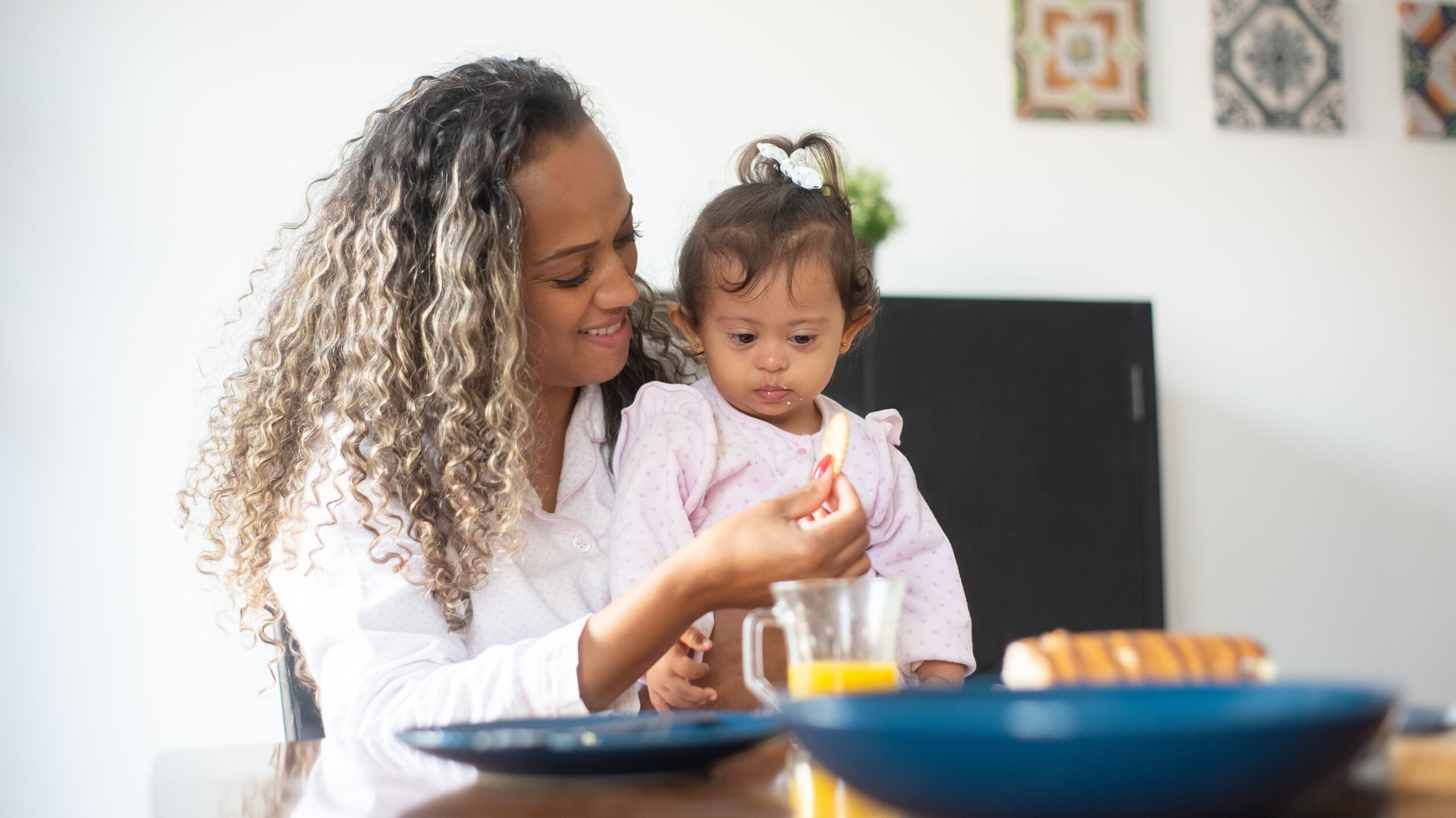
Instead, I started putting a small amount of one new or non-preferred food on her plate — no pressure, no comment, no reward promised for eating it — right next to the bread she wanted. Some days she touched it, poked at it, moved it around her plate like she was inspecting evidence. Most days she didn’t eat it at all. I tried, with varying degrees of success, not to react either way. Not excitement when she tried something, not disappointment when she didn’t. Just neutral. Present. Available if she wanted to try, uninvolved if she didn’t.
I also stopped offering alternatives when she refused a meal outright. If dinner was pasta and she only wanted bread, she got bread, but that was the end of it — no cheese offered as a backup, no crackers twenty minutes later when she said she was hungry again, no separate “toddler meal” made specifically because the family meal hadn’t landed. This wasn’t about punishing her or being rigid for its own sake. It was about not accidentally teaching her that refusing food reliably got her something even more appealing than what was originally offered.
My husband and I also agreed to stop talking about her eating in front of her — no commentary at the table about what she had or hadn’t eaten, no discussing it with relatives while she was in the room, even in a casual or joking tone. It’s a small thing, but toddlers absorb far more of the emotional temperature around them than we usually assume, and I didn’t want food to become something loaded with tension before she was even old enough to understand why.
Slowly, without any single dramatic turning point I can point back to and say “that was the day it changed,” things shifted. She started picking at a piece of cucumber here, taking one bite of rice there, occasionally trying something purely because her older cousin was eating it and she wanted to copy him. By the end of the month, bread was still very clearly her favorite food and probably always will be. But it wasn’t the only thing left on her plate anymore.
Comparing Myself to Other Parents
I’ll admit something else that isn’t always talked about openly: part of what made that month so hard wasn’t just the bread. It was watching other parents post photos of their toddlers eating elaborate, colorful, “toddler-approved” meals online, and feeling like there was some secret I was missing. I remember scrolling through pictures of beautifully arranged lunch boxes at 11 PM while my own daughter slept upstairs having eaten, essentially, four slices of bread that day, and feeling a very specific kind of inadequacy that’s hard to explain to someone who hasn’t been there.
Looking back, I think that comparison made everything harder than it needed to be. Those photos rarely showed the days those same toddlers refused everything, or the weeks other parents were quietly getting through their own version of this. We only tend to share the plates that turned out well.
What I’d Tell Myself, Looking Back
If I could go back to that first panicked week, standing in the kitchen doing anxious math about nutrients, I’d tell myself a few things.
One month of a toddler eating mostly bread is not a nutritional crisis, even though it felt like one in the moment. It’s uncomfortable, and it’s genuinely exhausting to watch, but it is common, and it is very rarely the emergency it feels like at 11 PM after a long day.
The less I made it a battle, the faster it actually resolved. The pressure and rules I introduced didn’t speed anything up — if anything, they made her hold on tighter to the one food that felt predictable and safe in a world she was still figuring out how to control in any other way.
Talking to her pediatrician earlier, instead of waiting until I was already deep into a cycle of anxious late-night searching, would have saved me a lot of unnecessary worry. A five-minute conversation gave me more clarity than weeks of forums.
And honestly, some of it just passed with time, the way a lot of parenting phases do. Not every problem has a clever strategy that fixes it neatly. Some of it is simply toddlerhood being toddlerhood, and the job, on the hardest days, is just staying calm and consistent long enough to get through to the other side of it.
What I Noticed at Playgroup
Around the third week, I mentioned the whole bread situation to a few other moms at our weekly playgroup, mostly as a way of venting, half-expecting sympathetic nods and not much else. Instead, almost every single one of them had a version of their own to share. One toddler had gone through a stretch of eating only plain yogurt. Another had survived on cereal, dry, straight from the box, for nearly six weeks. A third mom admitted her son still, at three and a half, would only eat chicken nuggets shaped like dinosaurs, and had once refused an entire meal because the nuggets were “the wrong dinosaur.”
Hearing all of this out loud, in real time, did something that no article had managed to do. It made the whole situation feel ordinary again, instead of like a personal parenting failure unique to my household. I think there’s something about food, specifically, that makes parents feel judged in a way that other toddler struggles — tantrums, sleep regressions, potty training setbacks — somehow don’t carry quite as much shame. Maybe it’s because food feels so directly tied to health, or because so much of parenting culture is built around images of children happily eating rainbow-colored plates of vegetables. Whatever the reason, that playgroup conversation was the first time in weeks I didn’t feel alone in it.
The Questions I Kept Asking Myself
Late at night, when the search results and the forum threads all started to blur together, I kept circling back to the same handful of questions. Was this my fault, somehow, because of something I’d done or not done earlier in her feeding journey? Was I supposed to be doing baby-led weaning differently, or introducing more variety earlier, or modeling more enthusiastic eating myself at the table?
I never found a clean answer to any of that, and I’ve mostly made peace with the fact that there probably isn’t one. Toddlers are not blank slates that respond predictably to a fixed set of inputs. Temperament plays a role. Timing plays a role. Sometimes a toddler just decides, for reasons that make sense only to them, that bread is the one thing in an unpredictable world they get to have full control over. I don’t think that reflects anything I did wrong as a parent, even though it took me a long time, and a lot of 1 AM searching, to actually believe that.
Where We Are Now
She’s older now, and eats a genuinely wide range of foods — more, honestly, than I expected during that month of standoffs and cold dinners. Bread is still, unsurprisingly, a favorite, and I suspect it always will be. I don’t think I “fixed” the bread phase so much as I eventually stopped making it worse, and gave her the space and time to move through it at her own pace.
If you’re in the middle of your own version of this right now — watching a plate of good food go untouched night after night, running your own anxious calculations in your head, feeling like everyone else’s toddler eats vegetables happily while yours negotiates for toast — I understand it in a way that’s hard to explain unless you’ve lived through it yourself. It’s exhausting in a quiet, grinding way that doesn’t always look dramatic from the outside.
But in my experience, it does pass. Usually quietly, without you even noticing the exact day it did, until one evening you look down at the table and realize there’s more than bread on the plate, and no one made a fight out of it at all.
I still keep bread on hand at every meal, even now, months later. Partly because she still loves it, and partly, I think, as a quiet reminder to myself of that month — of how much I worried, how much of that worry turned out to be unnecessary, and how much calmer things got once I stopped treating a two-year-old’s food preferences as a problem that needed to be solved by force. Some phases just need time, patience, and a parent willing to let a plate of bread be enough for a little while longer than feels comfortable.
Have you been through a food phase with your toddler that felt impossible in the moment? I’d love to hear how you got through it — contact me here.

Aina Arif is a mother of two young children and the founder of NatureNestia. Based in Pakistan, she spent three years as an early childhood educator before becoming a full-time parent and writer. She writes about learning through play, managing difficult behaviour, and building strong family bonds.