By Aina Arif | Published: May 2026 | 9 min read
Every parent has heard the same question countless times:
“Can I have a snack?”
Sometimes it’s after school.
Sometimes it’s just an hour after lunch.
And sometimes it feels like children are hungry all day long.
The good news is that snacking isn’t a bad habit.
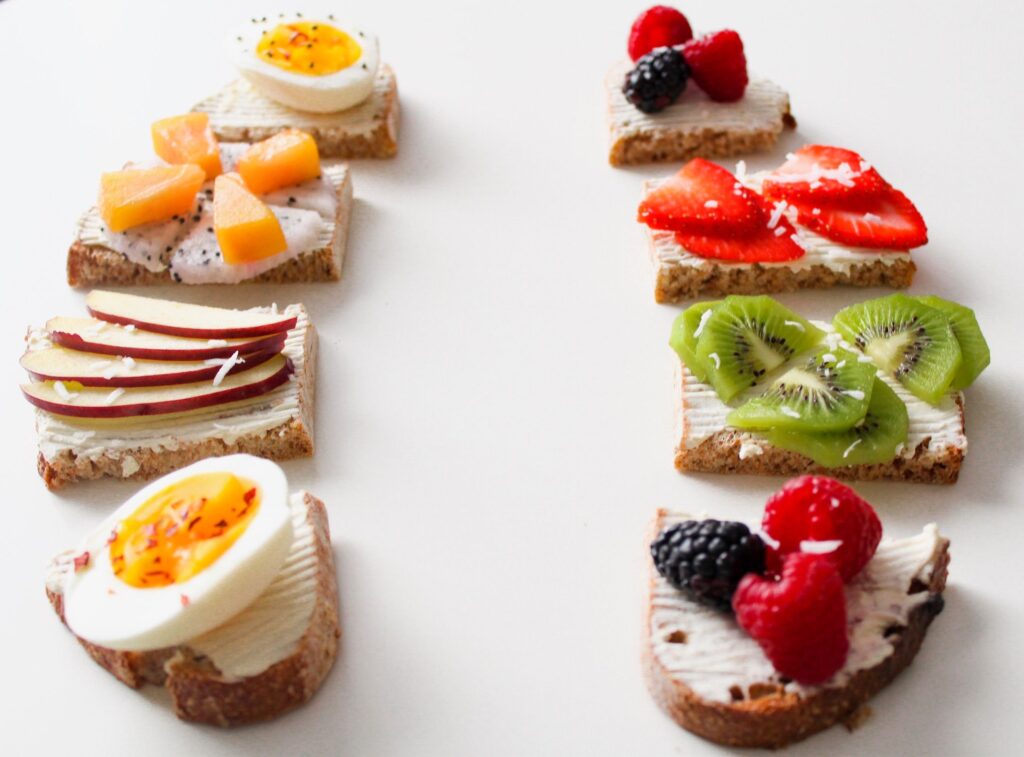
In fact, healthy snacks can provide growing children with the energy and nutrients they need between meals. Because children have smaller stomachs than adults, nutritious snacks help support growth, learning, and physical activity throughout the day. The key is choosing foods that combine protein, fiber, healthy fats, and natural carbohydrates instead of highly processed options loaded with added sugar.
Instead of thinking about snacks as “mini treats,” think of them as mini meals that help fuel a child’s body and brain.
The Smart Snack Formula
You don’t need complicated recipes to prepare nutritious snacks.
Most healthy snacks follow one simple formula:
Fruit or Whole Grain + Protein + Healthy Fat
For example:
- Apple slices + peanut butter
- Whole-grain crackers + cheese
- Greek yogurt + berries
- Banana + almond butter
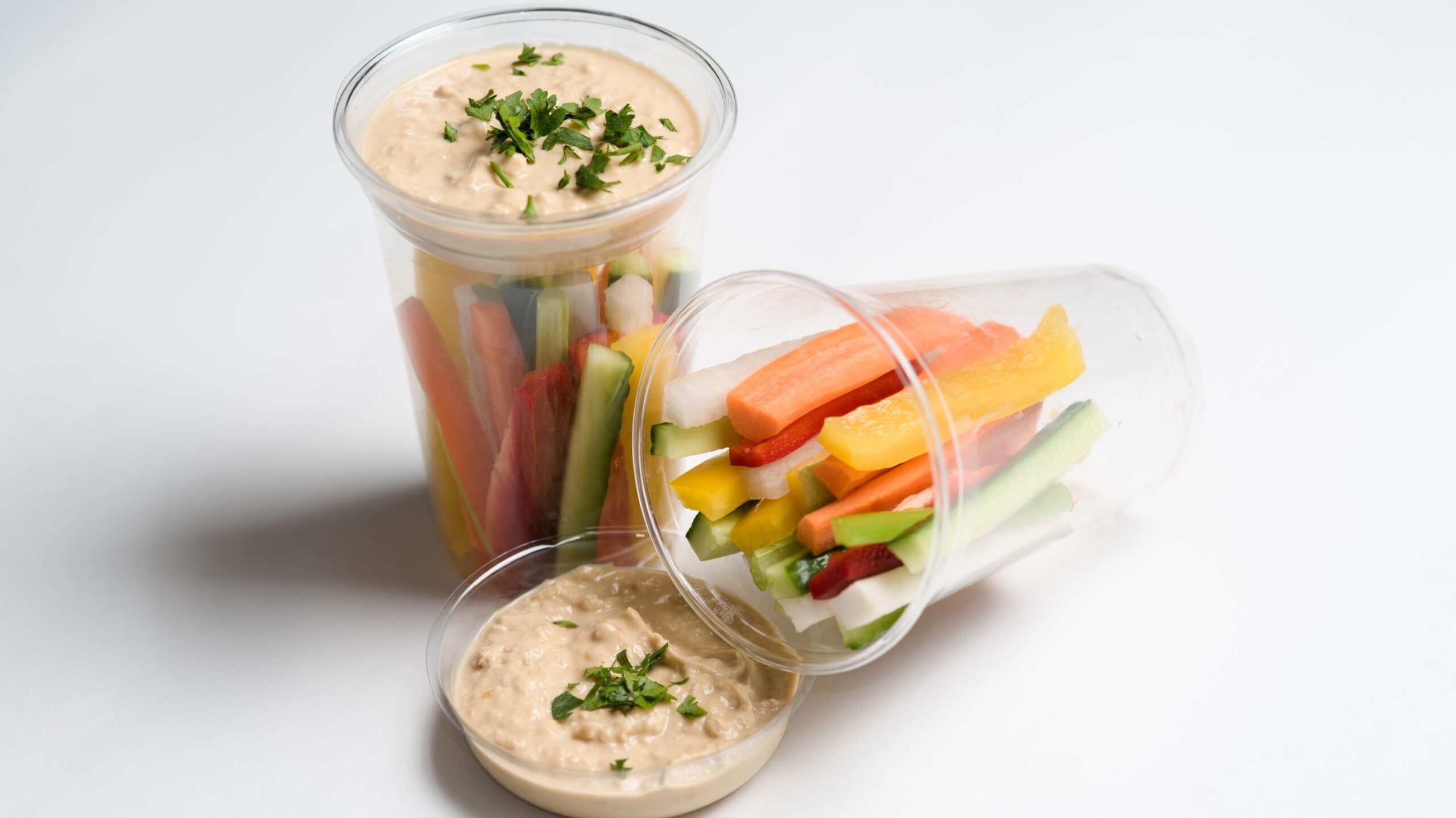
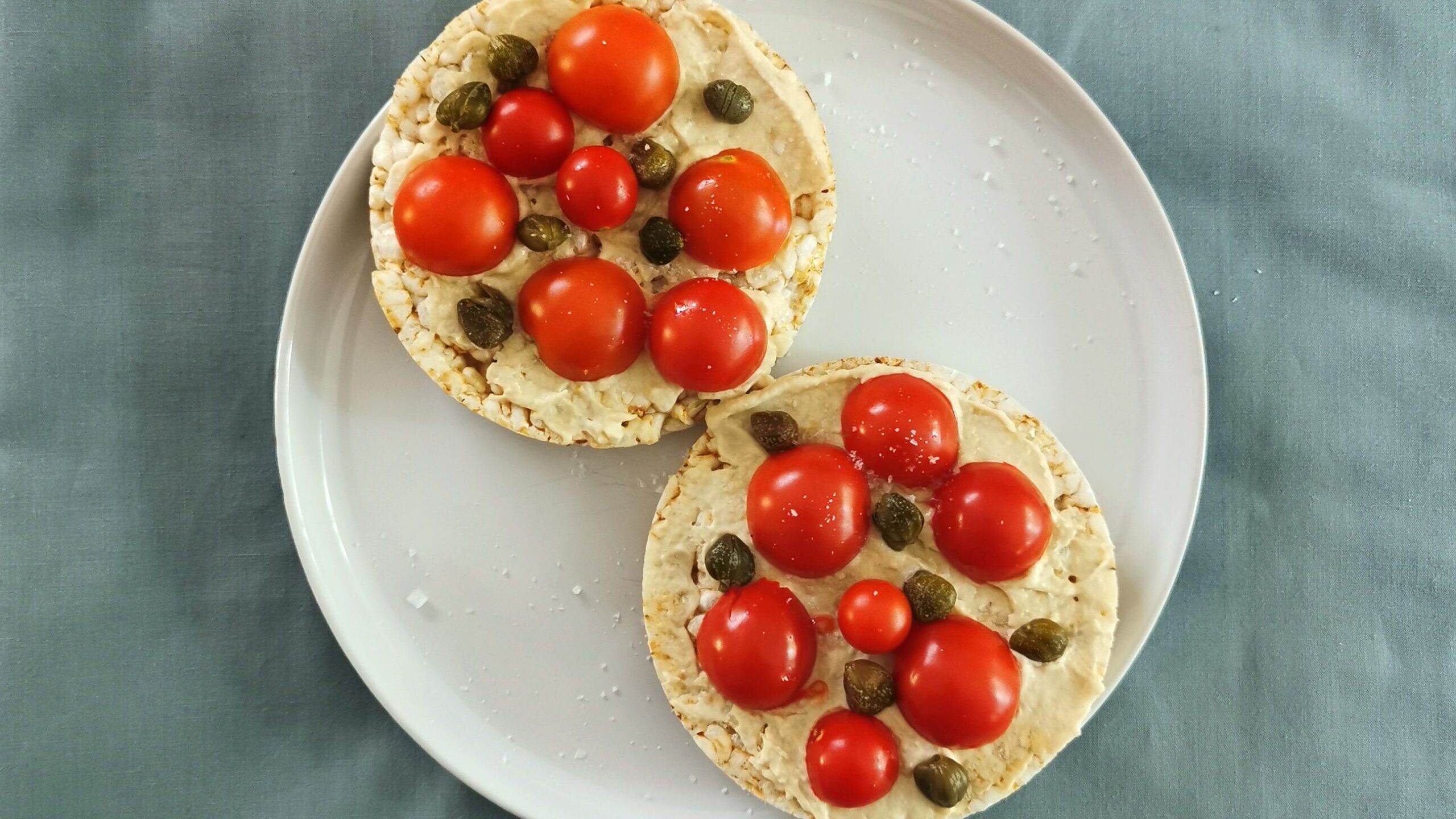
- Hummus + vegetable sticks
This combination helps children stay full for longer while providing steady energy instead of quick sugar highs.
What Makes a Snack Truly Healthy?
Colorful packaging doesn’t always mean healthy.
When choosing snacks, look for foods that are:
- Rich in protein
- High in fiber
- Low in added sugar
- Made with simple ingredients
- Appropriate for your child’s age
- Easy to prepare
The fewer highly processed ingredients a snack contains, the better.
Whole foods should make up most of your child’s snack choices.
Fuel Type 1: Fresh Fruit Snacks
Fruit is naturally sweet, colorful, and packed with vitamins, minerals, fiber, and water.
Instead of fruit juice, offer whole fruit whenever possible.
Easy ideas include:
- Apple slices
- Banana coins
- Orange segments
- Grapes (cut lengthwise for younger children)
- Strawberries
- Blueberries
- Pear slices
- Watermelon cubes
To make fruit more filling, pair it with a protein source.
Examples include:
- Apple with peanut butter
- Banana with yogurt
- Pear with cheese cubes
Fuel Type 2: Protein-Powered Snacks
Protein helps children stay satisfied between meals while supporting growth and muscle development.
Simple protein-rich snacks include:
- Greek yogurt
- Cottage cheese
- Cheese cubes
- Hard-boiled eggs
- Hummus
- Edamame
- Roasted chickpeas
Pairing protein with fruits or whole grains creates a balanced snack that provides longer-lasting energy.
Fuel Type 3: Crunchy Snacks That Aren’t Junk Food
Many children enjoy crunchy snacks, but chips and similar processed foods often contain excess salt and unhealthy fats.
Healthier alternatives include:
- Air-popped popcorn (for children old enough to eat it safely)
- Whole-grain crackers
- Roasted chickpeas
- Cucumber slices
- Bell pepper strips
- Carrot sticks
- Snap peas
Adding hummus, yogurt dip, or guacamole makes these snacks even more satisfying.
Fuel Type 4: Dairy Snacks for Growing Bodies
Dairy foods provide calcium, protein, and other nutrients that support growing bones and teeth.
Healthy dairy snack ideas include:
- Plain yogurt with berries
- Cheese cubes
- Cottage cheese with peaches
- Homemade yogurt parfait
- Milk with a banana
Whenever possible, choose products with little or no added sugar.
Snack Prep Can Save Busy Days
Many unhealthy snack choices happen because they’re convenient.
Healthy snacks become just as convenient when they’re prepared ahead of time.
Try spending a few minutes each week:
- Washing fruit
- Cutting vegetables
- Portioning nuts (for older children)
- Filling reusable containers
- Preparing homemade snack boxes
Having ready-to-eat options in the refrigerator makes healthier choices much easier for both parents and children.
Fuel Type 5: Whole-Grain Energy Boosters
Whole grains provide complex carbohydrates that release energy more slowly than sugary snacks.
Instead of cookies or pastries, try:
- Whole-grain toast with nut butter
- Oatmeal topped with fresh fruit
- Homemade oat bites
- Whole-wheat mini sandwiches
- Whole-grain pita with hummus
These snacks provide lasting energy while helping children feel full for longer.
Build a Colorful Snack Plate
Children are often excited to eat foods that look bright and fun.
Instead of serving one item, create a colorful snack plate.
For example:
- Red: Strawberries
- Orange: Carrot sticks
- Yellow: Cheese cubes
- Green: Cucumber slices
- Purple: Grapes
Adding a variety of colors usually means adding a wider range of nutrients, too.
Healthy Snacks for Busy School Days
School mornings can feel rushed, so choose snacks that are quick to pack and easy to eat.
Some lunchbox-friendly ideas include:
- Cheese and whole-grain crackers
- Apple slices with sunflower seed butter
- Homemade trail mix (age-appropriate)
- Plain yogurt with berries
- Mini turkey roll-ups
- Banana and oat muffins made with minimal added sugar
Packing snacks in reusable containers also helps reduce waste.
Homemade vs. Packaged Snacks
Packaged snacks can be convenient, but they’re not always the healthiest choice.
Here’s a simple comparison:
| Homemade Snacks | Packaged Snacks |
|---|---|
| Usually contain fewer additives | May contain added sugar and sodium |
| Easy to customize | Limited ingredient control |
| Often more affordable | Convenient for travel |
| Fresh ingredients | Longer shelf life |
Packaged snacks aren’t automatically unhealthy, but checking the nutrition label can help you make better choices.
Create a Simple Snack Routine
Instead of allowing children to snack throughout the day, establish predictable snack times.
For example:
| Time | Snack Idea |
|---|---|
| Mid-Morning | Fruit and yogurt |
| After School | Whole-grain crackers with cheese |
| Evening | Veggies with hummus |
A routine helps children recognize true hunger while reducing constant grazing between meals.
Healthy Habits Start With Parents
Children learn by watching the adults around them.
If parents regularly choose fruit, vegetables, nuts, yogurt, and other nutritious snacks, children are more likely to develop similar habits over time.
Healthy eating isn’t about perfection.
It’s about creating an environment where nutritious choices become the easy choices.
Make Healthy Snacks More Exciting
Even nutritious foods can seem boring if they’re served the same way every day.
A little creativity can make healthy snacks much more appealing.
Try these simple ideas:
- Arrange fruit into a rainbow.
- Use cookie cutters to make fun sandwich shapes.
- Create smiley faces using berries and banana slices.
- Serve vegetables with colorful homemade dips.
- Let children build their own yogurt parfait.
Children are often more willing to try healthy foods when they’re involved in preparing them.
Turn Snack Time Into Learning Time
Healthy snacks can also become opportunities to teach important life skills.
While preparing snacks together, encourage your child to:
- Count blueberries.
- Name fruit colors.
- Identify different shapes.
- Measure ingredients.
- Wash fruits and vegetables safely.
- Practice spreading or stirring.
These everyday moments build independence while making snack preparation enjoyable.
Healthy Snacks for Different Situations
Every day is different, and snacks can be adapted to fit each occasion.
Before School
Choose snacks that provide steady energy.
Examples:
- Banana with peanut butter
- Greek yogurt with berries
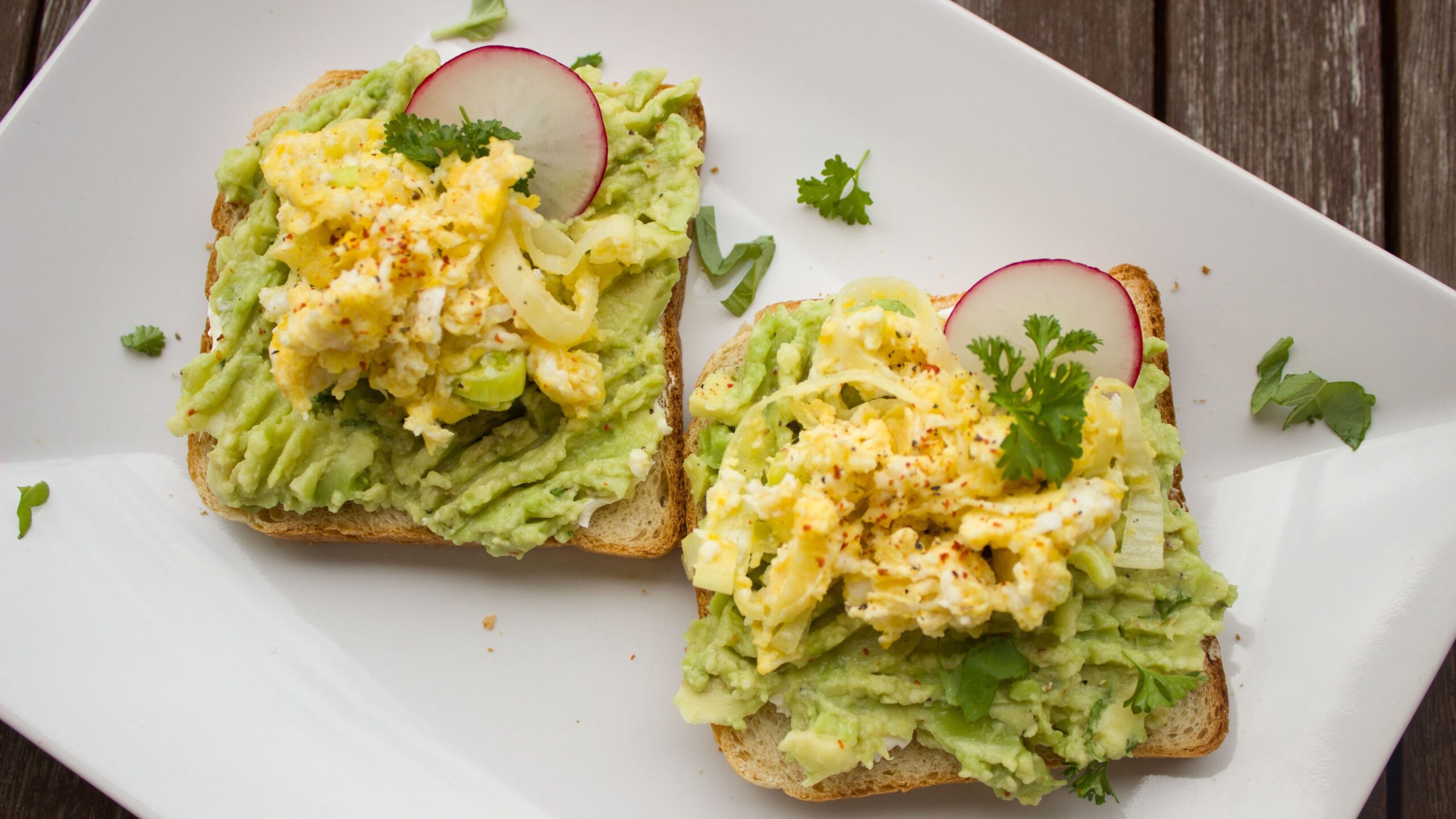
- Whole-grain toast with avocado
After School
Children are often hungry after a busy day.
Good choices include:
- Apple slices with cheese
- Homemade trail mix (age-appropriate)
- Cottage cheese with fruit
- Whole-grain pita with hummus
Before Sports or Outdoor Play
Offer foods that provide quick, balanced energy.
Ideas include:
- Banana
- Whole-grain crackers
- Yogurt
- Oatmeal bites
Remember to encourage water before, during, and after physical activity.
During Family Outings
Pack portable snacks to avoid relying on convenience foods.
Easy travel options include:
- Fresh fruit
- Cheese sticks
- Whole-grain crackers
- Homemade muffins with reduced sugar
- Unsweetened applesauce pouches
- Roasted chickpeas
Planning ahead makes healthy eating much easier when you’re away from home.
Let Children Help Choose Their Snacks
Children are more likely to eat foods they helped select.
Offer two or three healthy options instead of unlimited choices.
For example:
“Would you like apple slices with yogurt or carrots with hummus?”
This gives children a sense of independence while keeping every option nutritious.
Healthy Drinks Matter Too
A nutritious snack can quickly become less healthy if it’s paired with sugary drinks.
The best choices include:
- Water
- Plain milk (when appropriate for your child’s age and dietary needs)
- Unsweetened smoothies made with whole fruits and yogurt
Try to limit sugary soft drinks and fruit-flavored beverages with added sugars.
Common Snack Mistakes Parents Can Avoid
Healthy eating isn’t about being perfect.
It’s about making small improvements over time.
Here are some common mistakes:
| Instead of… | Try… |
|---|---|
| Offering snacks whenever a child feels bored | Establish regular snack times. |
| Using sweets as rewards | Celebrate achievements with praise or activities instead. |
| Serving oversized portions | Offer child-sized servings and let children ask for more if still hungry. |
| Keeping unhealthy snacks within easy reach | Make fruits and nutritious options more visible. |
| Expecting children to love every healthy food immediately | Reintroduce new foods patiently without pressure. |
Remember, children may need multiple exposures before accepting a new food.
Frequently Asked Questions
How many snacks should children eat each day?
Most children benefit from one to three healthy snacks between meals, depending on their age, activity level, and appetite. If you have concerns about your child’s nutritional needs, speak with a pediatrician or registered dietitian.
What should I do if my child refuses healthy snacks?
Keep offering a variety of nutritious foods without forcing them to eat.
Children often need several opportunities to become comfortable with new foods.
Patience usually works better than pressure.
Are packaged snacks always unhealthy?
No.
Some packaged snacks can be nutritious.
Look for options that are lower in added sugar and sodium, contain recognizable ingredients, and provide nutrients such as protein or fiber.
Can healthy snacks replace meals?
Healthy snacks are designed to bridge the gap between meals, not replace balanced breakfasts, lunches, or dinners.
Children need complete meals as well as nutritious snacks to support healthy growth.
Is it okay to include occasional treats?
Yes.
A balanced approach leaves room for occasional treats without making them the focus of a child’s diet.
Helping children develop a positive relationship with food is more important than striving for perfection.
Final Thoughts
Healthy snacks do much more than satisfy hunger.
They provide growing bodies with the energy needed to learn, play, explore, and stay active throughout the day.
By choosing simple, wholesome ingredients and involving children in snack preparation, parents can turn everyday eating into an opportunity to build healthy habits that last well beyond childhood.
Remember, you don’t need complicated recipes or expensive ingredients.
Sometimes the healthiest snack is also the simplest—a bowl of fresh fruit, a cup of yogurt, or a handful of crunchy vegetables with a tasty dip.
Small choices made consistently can have a lasting impact on your child’s health and well-being.
References
This article is informed by nutrition guidance and research from trusted organizations, including:
- American Academy of Pediatrics (AAP)
- Academy of Nutrition and Dietetics
- HealthyChildren.org
- Harvard T.H. Chan School of Public Health
- MyPlate (U.S. Department of Agriculture)
Continue Exploring on NatureNestia
You may also enjoy:
- Kids Lunch Box Ideas
- Make Learning Fun for Kids
- Coloring Habits of Kids
- Creative Activities for Kids
- Screen Time for Kids
- Sensory Activities for Toddlers
- Montessori Activities for Toddlers

Aina Arif is a mother of two young children and the founder of NatureNestia. Based in Pakistan, she spent three years as an early childhood educator before becoming a full-time parent and writer. She writes about learning through play, managing difficult behaviour, and building strong family bonds.
Pingback: Math Activities for Kindergarten: 20 Ideas Kids Genuinely Love - NatureNestia – Fun Learning Activities for Kids & Parenting Tips