By Aina Arif | Last Updated: June 2026
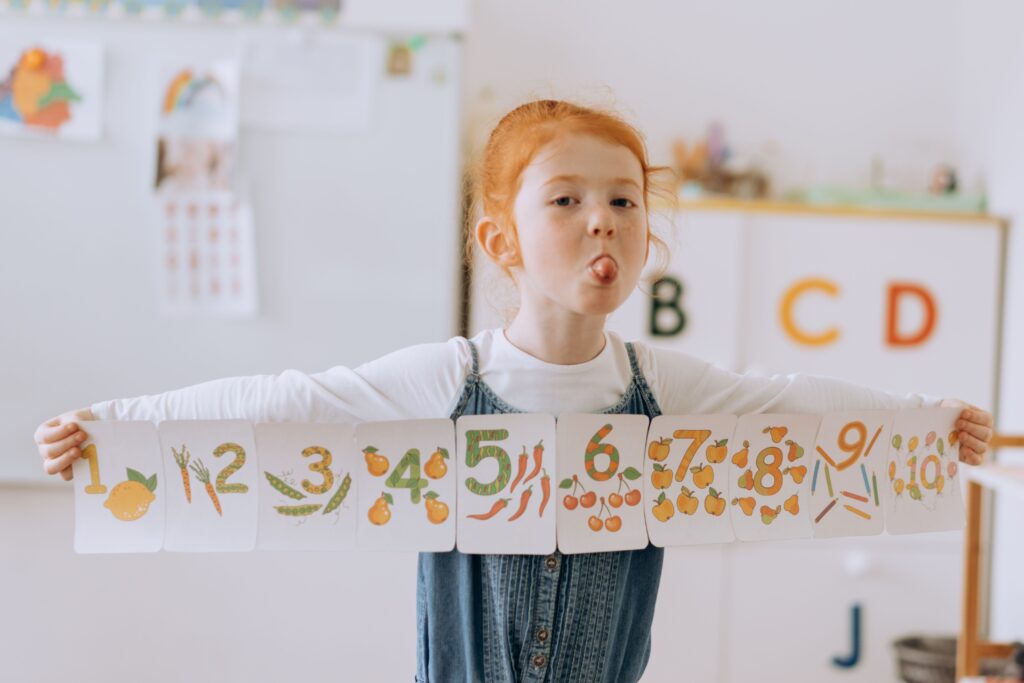
Learning math doesn’t have to mean sitting with worksheets for hours. Young children learn best when they can touch, move, sort, count, and explore the world around them. That’s why hands-on math activities are one of the most effective ways to build early number skills while keeping learning fun.
Whether you’re a parent, teacher, or homeschool educator, simple everyday materials can become exciting math tools. From counting colorful blocks to creating number hunts around the house, these playful activities help children develop confidence while learning essential kindergarten math concepts.
In this guide, you’ll discover 25 engaging math activities for kindergarten that strengthen counting, number recognition, patterns, shapes, measurement, sorting, and problem-solving—all while making learning feel like play.
Quick Summary
- Hands-on learning improves early math skills.
- Simple games help children understand numbers more easily.
- Everyday household items can become math learning tools.
- Activities encourage problem-solving and critical thinking.
- Perfect for classrooms, homeschooling, and learning at home.
Table of Contents
- Why Hands-On Math Activities Matter
- Kindergarten Math Skills Children Should Learn
- Materials You’ll Need
- 25 Fun Math Activities
- Indoor Math Games
- Outdoor Math Games
- Common Mistakes to Avoid
- Teacher Tips
- Parent Tips
- Frequently Asked Questions
Why Hands-On Math Activities Matter
Young children learn through play and exploration. Instead of memorizing numbers, they understand mathematical ideas by touching objects, comparing sizes, sorting colors, and solving simple problems.
Hands-on activities help children:
- Build confidence with numbers.
- Improve concentration.
- Develop logical thinking.
- Strengthen memory.
- Improve fine motor skills.
- Make learning enjoyable.
When math feels like a game, children become naturally curious and eager to participate.
Kindergarten Math Skills Every Child Should Learn
Before first grade, children usually begin developing these important math skills:
- Counting from 1–20 and beyond
- Number recognition
- One-to-one correspondence
- Sorting by color, size, or shape
- Creating simple patterns
- Comparing quantities
- Recognizing basic shapes
- Measuring with everyday objects
- Understanding more and less
- Beginning simple addition and subtraction
The activities in this guide support these foundational skills through playful learning.
Materials You’ll Need
The best part about these activities is that most use inexpensive or everyday items.
Gather materials such as:
- Building blocks
- Pom-poms
- Buttons
- Craft sticks
- Plastic cups
- Dice
- Number cards
- LEGO bricks
- Toy animals
- Coins
- Measuring cups
- Paper plates
- Sidewalk chalk
- Sticky notes
- Colored paper
- Clothespins
You don’t need expensive educational toys to teach math effectively.
Benefits of Math Activities
Hands-on math games help children develop much more than number skills.
| Skill Developed | How Activities Help |
|---|---|
| Number Recognition | Children identify and name numbers. |
| Counting | Improves one-to-one correspondence. |
| Problem-Solving | Encourages logical thinking. |
| Fine Motor Skills | Picking up small objects strengthens hand muscles. |
| Memory | Repetition improves recall. |
| Confidence | Children experience success through play. |
25 Math Activities for Kindergarten
Activity #1: Pom-Pom Counting Game
Materials
- Colored pom-poms
- Small bowls
- Number cards
How to Play
Place number cards from 1–10 on a table.
Ask your child to count the correct number of pom-poms and place them into the matching bowl.
For example:
- Card 4 → Four pom-poms
- Card 8 → Eight pom-poms
Increase the numbers as your child becomes more confident.
Skills Developed
- Counting
- Number recognition
- One-to-one correspondence
- Fine motor skills
Parent Tip
Ask questions like:
“How many pom-poms do you have now?”
This encourages children to count independently rather than guessing.
Activity #2: LEGO Number Towers
Building with LEGO bricks is an excellent way to visualize numbers.
Materials
- LEGO or building blocks
- Number cards
How to Play
Write numbers from 1–10 on separate cards.
Children build a tower that matches each number.
For example:
- Number 3 → Tower with three bricks
- Number 7 → Tower with seven bricks
Compare tower heights afterward.
Ask:
- Which tower is tallest?
- Which tower is shortest?
- Which number is greater?
Skills Developed
- Counting
- Comparing numbers
- Number recognition
- Visual learning
Activity #3: Nature Counting Walk
Take learning outdoors by turning a walk into a math adventure.
Materials
- Small basket
- Nature checklist (optional)
How to Play
Ask children to collect:
- 5 leaves
- 3 rocks
- 8 flowers (only if appropriate to pick)
- 6 sticks
After returning home, sort and count everything together.
You can also compare which collection has:
- More
- Less
- Equal
Skills Developed
- Counting
- Sorting
- Comparing quantities
- Observation skills
Activity #4: Number Hop Game
This energetic activity combines movement with number recognition.
Materials
- Sidewalk chalk (outdoors) or masking tape (indoors)
How to Play
Write numbers 1–20 on the ground.
Call out a number.
Children jump to the correct number.
For an extra challenge:
- Jump to even numbers.
- Jump backwards.
- Count aloud while hopping.
Skills Developed
- Number recognition
- Gross motor skills
- Listening skills
- Counting
Activity #5: Button Sorting Challenge
Sorting is an important early math skill that teaches children how to notice similarities and differences.
Materials
- Assorted buttons (large enough to avoid choking hazards)
- Muffin tray or small bowls
How to Play
Invite your child to sort buttons by:
- Color
- Size
- Shape
- Number of holes
Once sorting is complete, count each group and compare which has the most and the fewest buttons.
Skills Developed
- Sorting and classifying
- Counting
- Comparing quantities
- Critical thinking
Safety Note
Always supervise young children when using small objects like buttons to prevent choking.
Why Play-Based Learning Works
Children remember concepts more effectively when they actively participate instead of simply watching or listening.
Play-based math activities:
- Make learning enjoyable.
- Encourage creativity.
- Reduce fear of making mistakes.
- Improve attention span.
- Build confidence through success.
When children have fun, they’re more likely to stay engaged and develop a positive attitude toward math.
Activity #6: Shape Hunt Around the House
Shapes are everywhere! This activity helps children recognize basic shapes in everyday objects while improving observation skills.
Materials
- Shape checklist (optional)
- Paper and pencil
How to Play
Ask your child to find objects around the house that match different shapes.
For example:
- Circle → Plate, clock, coin
- Square → Cushion, sticky note
- Rectangle → Book, door
- Triangle → Pizza slice, road sign (in pictures)
After collecting the objects, count how many of each shape you found.
Skills Developed
- Shape recognition
- Counting
- Observation
- Critical thinking
Parent Tip
Ask questions like:
- Which shape did we find the most?
- Which shape was the hardest to find?
Activity #7: Pattern Bracelet
Patterns help children recognize sequences, an important early math skill.
Materials
- Colored beads or cereal loops
- String or pipe cleaner
How to Play
Create a simple pattern such as:
- Red – Blue – Red – Blue
- Yellow – Green – Yellow – Green
Ask your child to continue the pattern.
As they improve, introduce more challenging patterns like:
- Red – Blue – Green
- Circle – Square – Triangle
Skills Developed
- Pattern recognition
- Sequencing
- Fine motor skills
- Concentration
Activity #8: Dice Roll and Count
This quick game builds counting and number recognition.
Materials
- One or two dice
- Building blocks or counters
How to Play
Roll the dice.
Count the dots together.
Ask your child to collect the same number of blocks.
For older kindergarteners:
- Roll two dice.
- Add the numbers together.
- Build a tower with the total number of blocks.
Skills Developed
- Counting
- Number recognition
- Beginning addition
- Hand-eye coordination
Activity #9: Measuring with Blocks
Children don’t always need rulers to learn measurement.
Materials
- LEGO bricks
- Building blocks
- Small toys
How to Play
Choose different household objects.
Measure each object using blocks.
For example:
- Pencil = 5 blocks
- Book = 8 blocks
- Water bottle = 10 blocks
Record the results on paper.
Skills Developed
- Measurement
- Comparing lengths
- Counting
- Recording information
Parent Tip
Ask:
“Which object is longer?”
or
“Which one needed the fewest blocks?”
Activity #10: Number Scavenger Hunt
Children love searching for hidden objects.
Materials
- Number cards
- Sticky notes
How to Play
Hide number cards around the room.
Ask your child to find each number in order.
For an extra challenge:
- Find only even numbers.
- Find numbers greater than five.
- Arrange the cards from smallest to largest.
Skills Developed
- Number recognition
- Sequencing
- Movement
- Observation
Activity #11: Snack Counting Game
Snack time can become learning time.
Materials
Choose healthy snacks such as:
- Grapes
- Crackers
- Blueberries
- Pretzels
- Cucumber slices
How to Play
Ask your child to count:
- Five grapes
- Eight crackers
- Three cucumber slices
Then enjoy eating them together.
You can also ask:
- Which snack has more?
- Which has fewer?
Skills Developed
- Counting
- Comparing quantities
- Healthy eating awareness
- One-to-one correspondence
Activity #12: Cup Stack Number Match
This activity combines number recognition with hands-on play.
Materials
- Plastic cups
- Marker
- Pom-poms or blocks
How to Play
Write numbers 1–10 on plastic cups.
Ask your child to place the matching number of pom-poms inside each cup.
Afterward, stack the cups from smallest number to largest.
Skills Developed
- Counting
- Number recognition
- Fine motor skills
- Ordering numbers
Indoor vs Outdoor Math Activities
Different environments provide different learning opportunities.
| Indoor Activities | Outdoor Activities |
|---|---|
| LEGO Number Towers | Nature Counting Walk |
| Cup Stack Numbers | Number Hop Game |
| Pattern Bracelet | Shape Hunt Outside |
| Snack Counting | Sidewalk Chalk Counting |
| Dice Addition | Leaf Sorting Challenge |
Mixing indoor and outdoor activities keeps learning fresh and exciting.
How to Keep Kindergarten Math Fun
Children learn best when math feels like play.
Here are a few ways to keep them engaged:
- Keep activities short (10–15 minutes).
- Celebrate effort, not perfection.
- Let children move around while learning.
- Rotate activities to prevent boredom.
- Follow your child’s interests, such as dinosaurs, cars, or animals.
Remember, the goal is to build confidence—not rush through lessons.
Teacher Tip
Create a weekly Math Center with different hands-on stations.
For example:
- Counting Station
- Pattern Station
- Shape Station
- Measuring Station
- Dice Games
Rotating stations each week keeps children excited about learning.
Activity #13: Simple Addition with Building Blocks
Addition becomes much easier when children can see and touch the numbers.
Materials
- LEGO bricks or building blocks
- Number cards (optional)
How to Play
Give your child two small groups of blocks.
For example:
- 3 blue blocks
- 2 red blocks
Ask:
“How many blocks do we have altogether?”
Let your child count all the blocks to find the answer.
Gradually increase the numbers as their confidence grows.
Skills Developed
- Beginning addition
- Counting
- Number sense
- Problem-solving
Parent Tip
Start with totals under 10 before introducing larger numbers.
Activity #14: Toy Subtraction Game
Subtraction is easier to understand when children physically remove objects.
Materials
- Toy animals
- Cars
- Building blocks
- Dolls
How to Play
Place 8 toy animals on the table.
Ask your child:
“If 3 animals walk away, how many are left?”
Let them remove the toys and count the remaining ones.
Repeat with different numbers.
Skills Developed
- Beginning subtraction
- Counting backward
- Logical thinking
- Problem-solving
Activity #15: Create a Picture Graph
Graphs help children organize information and compare quantities.
Materials
- Colored stickers
- Paper
- Markers
How to Play
Choose a simple question, such as:
“What’s your favorite fruit?”
Options:
- Apple
- Banana
- Grapes
- Orange
Each family member places one sticker above their favorite fruit.
Count the stickers together and discuss the results.
Skills Developed
- Graphing
- Counting
- Comparing
- Data interpretation
Ask Questions Like:
- Which fruit has the most votes?
- Which has the fewest?
- Are any groups equal?
Activity #16: Coin Sorting Game
Children can begin recognizing money while practicing sorting and counting.
Materials
- Real or play coins
- Small bowls
How to Play
Ask your child to sort coins by type.
For example:
- Pennies
- Nickels
- Dimes
- Quarters
Older kindergarteners can count how many coins are in each group.
Skills Developed
- Sorting
- Counting
- Observation
- Early money recognition
Safety Note: Always supervise children when using real coins because they can be a choking hazard.
Activity #17: Calendar Counting
A calendar is a wonderful everyday math tool.
Materials
- Monthly calendar
How to Play
Each morning:
- Find today’s date.
- Count the days.
- Circle weekends.
- Count how many days remain until a birthday or holiday.
Ask questions such as:
- What number comes after 14?
- What day was yesterday?
- How many days until Saturday?
Skills Developed
- Number sequence
- Counting
- Time awareness
- Calendar skills
Activity #18: Balance and Compare
Introduce the concept of weight using simple household objects.
Materials
- Kitchen scale or balance scale
- Small household objects
Examples:
- Apple
- Toy car
- Spoon
- Block
How to Play
Ask your child:
“Which object do you think is heavier?”
Then test each prediction using the scale.
Skills Developed
Activity #19: Shape Art Collage
Math and creativity work beautifully together.
Materials
- Colored paper
- Child-safe scissors
- Glue
- Crayons
How to Play
Cut different shapes:
- Circles
- Squares
- Rectangles
- Triangles
Ask your child to create:
- A house
- A robot
- A rocket
- A flower
After finishing, count how many shapes they used.
Skills Developed
- Shape recognition
- Counting
- Creativity
- Fine motor skills
Activity #20: Roll, Count & Move
This energetic activity combines movement with counting.
Materials
- One large die
How to Play
Roll the die.
Whatever number appears determines the movement.
Examples:
- 2 jumps
- 4 claps
- 5 spins
- 6 hops
Children love combining movement with learning.
Skills Developed
- Counting
- Gross motor skills
- Listening
- Coordination
Weekly Math Activity Planner
Instead of doing the same activity every day, rotate different skills throughout the week.
| Day | Activity Focus |
|---|---|
| Monday | Counting & Number Recognition |
| Tuesday | Shapes & Patterns |
| Wednesday | Addition & Subtraction |
| Thursday | Measurement & Sorting |
| Friday | Math Games |
| Saturday | Outdoor Math Hunt |
| Sunday | Review Through Play |
A simple schedule keeps learning exciting while covering a variety of math concepts.
Common Mistakes Parents Make
Avoid these common mistakes when teaching math to young children.
| Mistake | Better Approach |
|---|---|
| Rushing through activities | Let children learn at their own pace. |
| Correcting every mistake immediately | Give children time to think and self-correct. |
| Using worksheets only | Include hands-on games and movement. |
| Comparing children | Celebrate each child’s progress individually. |
| Making math feel like a test | Keep learning playful and enjoyable. |
Parent Tips for Success
- Practice math during everyday routines like shopping and cooking.
- Ask open-ended questions instead of giving answers immediately.
- Praise effort, curiosity, and persistence.
- Keep activities between 10–20 minutes to match young attention spans.
- Repeat favorite games regularly to build confidence.
Why Repetition Is Important
Young children learn through repeated experiences.
Counting blocks today, sorting toys tomorrow, and measuring objects next week all strengthen the same foundational math skills.
Repetition doesn’t mean boredom—it builds confidence and helps children remember what they’ve learned.
Activity #21: Number Bingo
Number Bingo is a fun group activity that improves number recognition and listening skills.
Materials
- Bingo cards with numbers
- Counters or buttons
- Number cards
How to Play
Give each child a Bingo card with different numbers.
Call out one number at a time.
Children place a counter on the matching number.
The first child to complete a row or column wins.
Skills Developed
- Number recognition
- Listening skills
- Concentration
- Visual scanning
Activity #22: Counting with Clothespins
This simple activity strengthens both math and fine motor skills.
Materials
- Clothespins
- Paper plates or index cards
- Marker
How to Play
Write numbers 1–10 on paper plates or cards.
Ask your child to clip the correct number of clothespins onto each card.
For example:
- Card 5 → Five clothespins
- Card 8 → Eight clothespins
Skills Developed
- Counting
- Number recognition
- Fine motor development
- Hand strength
Activity #23: DIY Math Obstacle Course
Turn your backyard or living room into an exciting math adventure.
Materials
- Number cards
- Cones or pillows
- Tape
- Dice
How to Play
Create stations such as:
- Jump 6 times.
- Hop to number 9.
- Count 10 toy animals.
- Find 4 blue objects.
- Toss a ball into a basket 5 times.
Children move through each station while practicing different math skills.
Skills Developed
- Counting
- Gross motor skills
- Following directions
- Number recognition
Activity #24: Grocery Store Math
Shopping trips provide wonderful real-life math opportunities.
Materials
- Shopping list
- Grocery cart
How to Play
Ask your child to:
- Count five apples.
- Find three bananas.
- Compare the sizes of two pumpkins.
- Count yogurt cups.
- Identify numbers on price tags.
You can also discuss:
- Which item costs more?
- Which fruit weighs more?
- How many oranges do we need?
Skills Developed
- Counting
- Comparing
- Measurement
- Real-life problem-solving
Parent Tip
Children learn best when they see how math is used in everyday life.
Activity #25: Build a Math Story
Storytelling helps children understand math in meaningful ways.
Materials
- Toy animals
- Blocks
- Dolls
- Picture cards
How to Play
Create simple stories such as:
“Three rabbits were eating carrots. Two more rabbits joined them. How many rabbits are there now?”
Or:
“Six ducks were swimming. One duck flew away. How many ducks are left?”
Let children use toys to act out the story before answering.
Skills Developed
- Addition
- Subtraction
- Logical thinking
- Listening comprehension
How to Make Math Part of Everyday Life
Children learn best when math becomes a natural part of daily routines.
Try these simple ideas:
- Count stairs while climbing.
- Count toys during cleanup.
- Compare shoe sizes.
- Measure ingredients while cooking.
- Sort laundry by color or size.
- Count birds during a walk.
- Read house numbers while driving.
- Set the table by counting plates, forks, and spoons.
These everyday experiences help children understand that math is useful, practical, and fun.
Frequently Asked Questions
What math skills should a kindergarten child know?
Most kindergarten children begin learning:
- Counting to 20 and beyond
- Number recognition
- Basic shapes
- Simple patterns
- Sorting and classifying
- Comparing quantities
- Beginning addition and subtraction
- Basic measurement concepts
Remember that every child develops at their own pace.
How often should kindergarten children practice math?
Short, engaging activities 10–20 minutes a day are usually more effective than long lessons. Consistent daily practice through games and everyday experiences helps build confidence.
Are worksheets necessary?
Worksheets can reinforce learning, but they shouldn’t be the primary teaching method. Young children benefit most from hands-on activities, movement, and play-based learning.
Can I teach kindergarten math without buying expensive materials?
Absolutely! Many effective math activities use everyday household items such as:
- Buttons
- LEGO bricks
- Measuring cups
- Toy cars
- Paper plates
- Coins
- Building blocks
- Snacks
- Nature items
Learning doesn’t have to be expensive.
What should I do if my child struggles with math?
Stay patient and avoid pressure.
Break activities into smaller steps, repeat favorite games, and celebrate progress. If you have ongoing concerns about your child’s development, speak with their teacher or pediatrician.
Final Thoughts
Building strong math skills in kindergarten doesn’t require expensive resources or long lessons. The most meaningful learning happens when children explore numbers through play, movement, creativity, and everyday experiences.
Whether you’re counting toys, measuring ingredients in the kitchen, or creating patterns with colorful blocks, each activity helps your child develop confidence and curiosity about mathematics.
Remember that every child learns at their own pace. Celebrate effort, encourage exploration, and keep learning enjoyable. A positive early experience with math lays the foundation for future success in school and beyond.
References
For evidence-based information about early childhood learning and mathematics, explore these trusted resources:
- National Association for the Education of Young Children (NAEYC)
- National Council of Teachers of Mathematics (NCTM)
- Reading Rockets – Early Math Resources
- PBS Parents
- Education.com
Related Articles
Continue your child’s learning journey with these helpful guides on NatureNestia:
- Creative Activities for Kids: 22 Ideas That Spark Real Imagination
- Fine Motor Activities for Preschoolers
- Alphabet Activities for Preschoolers
- Indoor Activities for Kids
- STEM Activities for Kids

Aina Arif is a mother of two young children and the founder of NatureNestia. Based in Pakistan, she spent three years as an early childhood educator before becoming a full-time parent and writer. She writes about learning through play, managing difficult behaviour, and building strong family bonds.