Learning becomes more meaningful when children actively engage with what they are studying instead of just reading or listening. Hands-on learning activities for kids provide a powerful way to turn everyday moments into exciting lessons that build real understanding. Through interactive learning activities for kids, children explore, create, and discover concepts in a natural and enjoyable way.
These experiences support cognitive development in children while improving focus and curiosity. Parents can easily introduce fun learning activities at home that encourage creativity and independence. By using learning through play activities, children develop essential academic and life skills in a relaxed, stress-free environment.
What is Hands-On Learning & Why It Matters
Learning becomes meaningful when children actively participate instead of passively listening. Hands-on learning activities for kids involve touching, building, experimenting, and exploring ideas in real time. These kinesthetic learning activities support natural curiosity and help children connect knowledge with real-life situations.
Research in early childhood education shows that children retain more through action. When lessons include movement and creativity, cognitive development in children improves significantly. These hands-on teaching methods also support learning through play activities, making education enjoyable and effective.
Key Benefits of Hands-On Learning for Children
Children develop faster when learning feels like play rather than pressure. Hands-on learning activities for kids strengthen problem-solving skills for kids while improving focus. Kids begin to think independently, explore ideas, and test solutions in creative ways.
These engaging educational activities also improve fine motor skills development and critical thinking activities. For example, building a simple structure or solving a puzzle teaches patience. Over time, these creative learning activities for kids build confidence and long-term learning habits.
Fun Hands-On Learning Activities for Kids (Complete List)
Children love activities that feel like games, not lessons. That’s why hands-on learning activities for kids at home work so well. They blend fun with learning and turn everyday tasks into educational games for kids at home.
Parents can use simple materials to create DIY learning activities for kids. These include scavenger hunt learning activity ideas, alphabet games, and word challenges. These active learning ideas for kids keep children engaged without screens while building strong academic skills.
Letter, Phonics & Word-Based Activities
Simple language activities can transform literacy skills quickly. Activities like phonics games and word hunts improve phonics activities for beginners and vocabulary building exercises. These interactive literacy activities for young learners help children recognize sounds and form words naturally.
Children also enjoy playful challenges like hopscotch spelling or matching games. These learning activities at home for kids boost literacy development for kids while keeping energy levels high. It feels like play, but real learning happens beneath the surface.
Creative Reading & Literacy Activities
Reading becomes magical when children create stories instead of just reading them. Hands-on learning activities for kids like storytelling games and DIY books strengthen reading comprehension activities. Kids learn to express ideas clearly and confidently.
Creative tools like story stones and acting games build creativity and imagination in kids. These storytelling activities for kids also improve memory and sequencing. Over time, these play-based learning activities turn reluctant readers into enthusiastic storytellers.
Story-Based Learning Activities
Story creation builds deeper understanding than simple reading. Activities like acting scenes or building storybooks help children connect with characters. These creative ways to teach kids reading and math improve both language and thinking skills naturally.
Hands-On Math Activities Made Fun
Math becomes easier when children see it in real life. Hands-on learning activities for kids like cooking and crafting turn numbers into practical experiences. These math games using everyday objects make abstract ideas easy to understand.
For example, measuring ingredients improves number recognition activities and fractions. Activities like bead patterns build pattern recognition skills while strengthening logic. These fun educational activities for kids without screens make math less stressful and more enjoyable.
Everyday Math Learning Activities
Children learn faster when math feels useful. Activities like counting objects outdoors or dividing snacks teach real-life skills. These at-home learning activities for kids improve math skills for children while keeping them engaged.
STEM & Science-Based Hands-On Activities
Science sparks curiosity when children explore instead of memorize. Hands-on STEM activities for elementary students encourage experimentation and discovery. These activities help children understand how things work in the real world.
Simple projects like building models or gardening improve STEM education for kids. These science experiments for kids at home also develop observation skills. Over time, children become confident thinkers who enjoy asking questions and finding answers.
Practical Science Learning Activities
Exploration builds deeper understanding than reading alone. Creating models or testing ideas improves critical thinking activities. These outdoor learning activities for children also connect kids with nature, making science feel exciting and real.
Art, Craft & Creative Learning Ideas
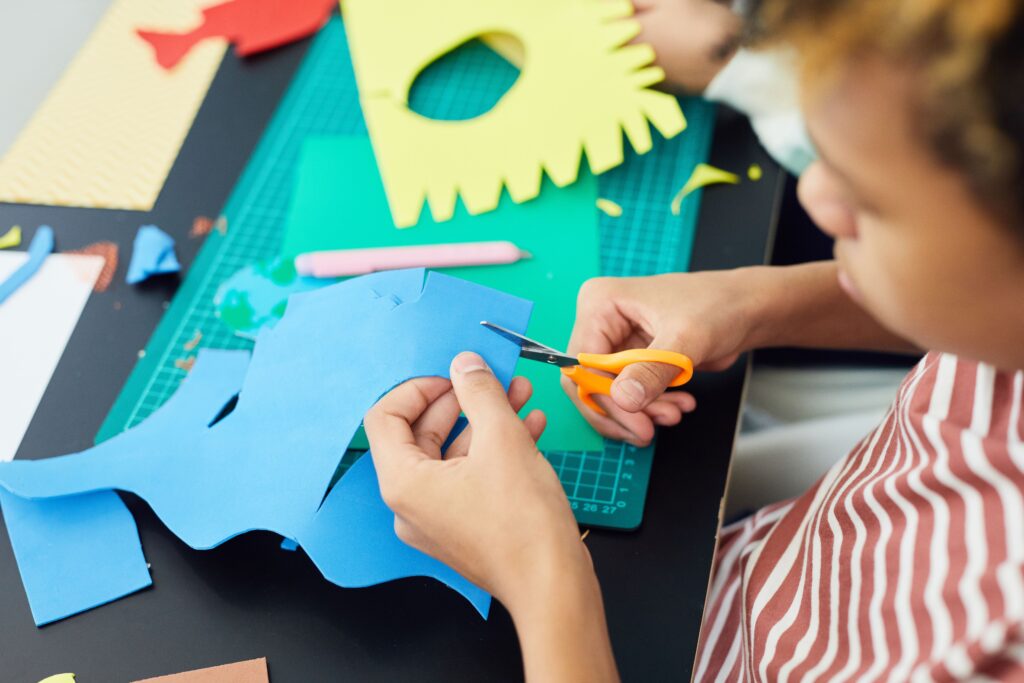
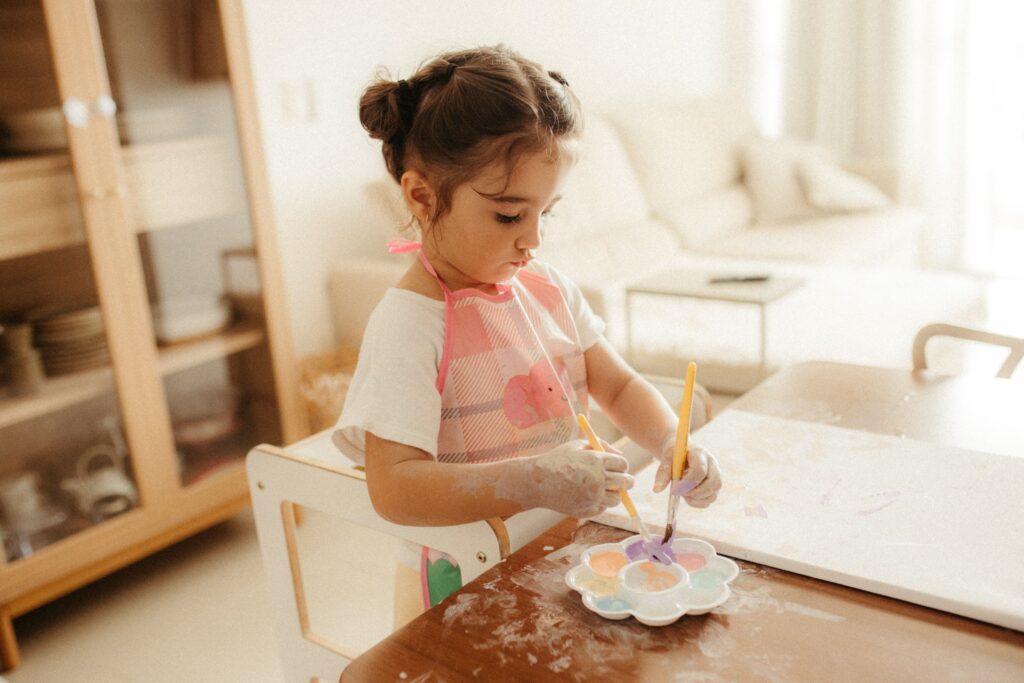
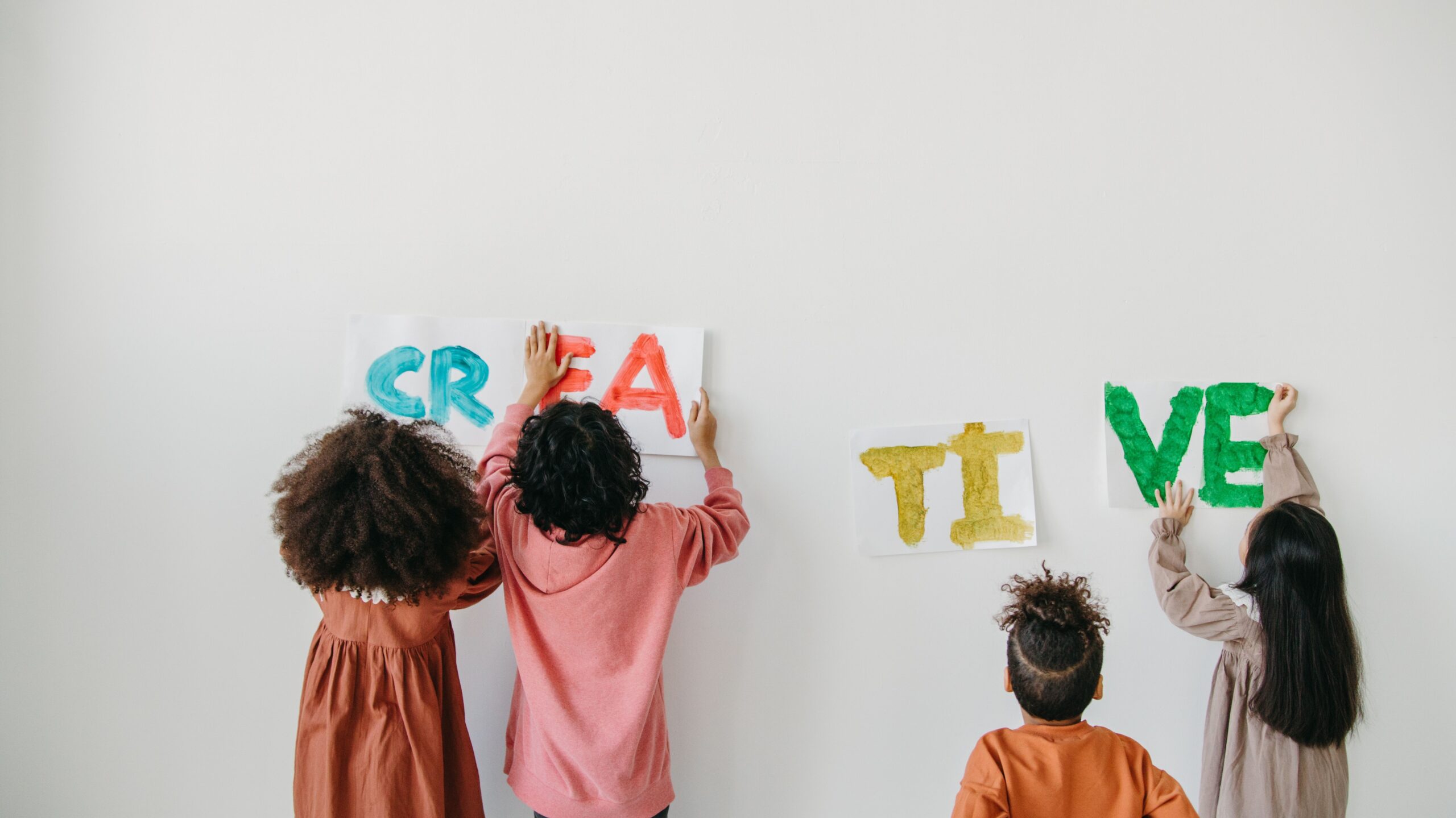
Creativity unlocks hidden learning potential. Hands-on learning activities for kids that include art help children express ideas visually. These art-based learning activities support both emotional and intellectual growth.
Craft-based learning improves focus and patience. Activities like collage making or designing games build fine motor skills development. These DIY crafts for learning also strengthen imagination while making lessons memorable.
Creative Expression Activities
Art helps children communicate ideas clearly. When kids create something, they understand concepts better. These indoor learning activities for kids combine creativity with education, making learning enjoyable and meaningful.
How to Use Hands-On Learning in Daily Routine
Consistency makes learning effective. Parents can include hands-on learning activities for kids in daily routines through simple tasks. Cooking, cleaning, or organizing can become family learning activities with educational value.
Even short sessions can make a difference. These parent-led learning ideas help children stay engaged without pressure. Over time, these homeschool learning activities build strong habits and improve independence.
Common Challenges & How to Overcome Them
Many parents worry about time and resources. However, hands-on learning activities for kids don’t require expensive tools. Simple household items can create powerful learning experiences.
Another challenge is keeping children interested. The solution lies in variety. Mixing screen-free activities for children with creative tasks keeps learning fresh. These simple learning games parents can do at home ensure consistency without stress.
Frequently Asked Questions (FAQs)
Parents often ask how often children should do these activities. Experts recommend daily short sessions for best results. Hands-on learning activities for kids work best when practiced regularly but without pressure.
Another common question involves age suitability. These activities can be adjusted for all ages. From preschool learning games to advanced tasks, every child benefits from experiential learning for children in a structured yet flexible way.
Conclusion: Make Learning Fun & Interactive
Learning doesn’t have to feel like a chore. With hands-on learning activities for kids, education becomes exciting and meaningful. These best hands-on learning activities for kids at home build strong skills while keeping children happy and engaged.
Start small and stay consistent. Over time, these activities will transform how your child learns. The journey becomes enjoyable, and the results speak for themselves.

Aina Arif is a mother of two young children and the founder of NatureNestia. Based in Pakistan, she spent three years as an early childhood educator before becoming a full-time parent and writer. She writes about learning through play, managing difficult behaviour, and building strong family bonds.