
By Aina Arif | Updated: May 2026 | 11 min read
Some children can spend five minutes coloring.
Others happily sit for half an hour, completely focused on filling every corner of the page with bright colors.
At first, coloring may seem like nothing more than a fun pastime.
In reality, every crayon stroke is helping a child’s growing brain and body work together.
When children choose colors, stay inside (or outside!) the lines, and proudly finish a picture, they’re practicing skills that support handwriting, concentration, creativity, emotional expression, and early learning. Research shows that art experiences like coloring contribute to fine motor development, self-expression, and cognitive growth during early childhood.
Rather than thinking of coloring as “keeping children busy,” it’s more accurate to see it as an everyday learning opportunity hidden inside a simple activity.
Stage One: The First Scribbles Matter
Most children don’t begin by coloring neatly.
Instead, they explore.
Large circles…
Zigzags…
Random lines…
Colorful scribbles covering the entire page.
Although these marks may appear messy to adults, they’re an important part of development.
Every movement teaches children how to:
- Hold a crayon.
- Control arm movements.
- Strengthen hand muscles.
- Coordinate what they see with what their hands do.
These early experiences prepare children for future writing and drawing skills.
Stage Two: Discovering Colors
As children become more confident, they begin noticing differences between colors.
They may suddenly announce:
“The sky is blue!”
“Grass is green!”
“Bananas are yellow!”
Coloring naturally introduces:
- Color recognition
- Matching
- Sorting
- Observation
Some children also enjoy experimenting.
A purple elephant.
A blue sun.
An orange tree.
Creative choices shouldn’t always be corrected.
Imagination is just as valuable as accuracy during early childhood.
Benefit #1: Stronger Fine Motor Skills
Coloring strengthens the tiny muscles in children’s fingers, hands, and wrists.
These muscles are later used for:
- Writing letters
- Cutting with scissors
- Buttoning clothes
- Holding utensils
- Tying shoelaces
The more opportunities children have to color, draw, and create, the more these important muscles develop through natural practice.
Benefit #2: Better Pencil Grip
Many parents worry about handwriting before children are ready.
Coloring offers gentle preparation.
Repeatedly holding crayons, markers, or colored pencils helps children develop a more controlled and comfortable grip over time.
There’s no need to force perfect technique immediately.
Confidence develops gradually through enjoyable practice.
Benefit #3: Improved Hand-Eye Coordination
Coloring requires children to watch the picture while controlling their hand movements.
This coordination supports many everyday activities, including:
- Catching a ball
- Completing puzzles
- Building with blocks
- Copying shapes
- Beginning handwriting
Simple coloring pages quietly strengthen these essential developmental skills.
Benefit #4: Longer Attention Span
Finishing a coloring page takes patience.
Children learn to:
- Stay focused.
- Complete a task.
- Ignore distractions.
- Work toward a goal.
Even spending ten or fifteen minutes coloring can gradually improve concentration, especially when children are interested in the picture they’re creating.
Benefit #5: Encourages Creative Thinking
Unlike many structured activities, coloring allows children to make their own decisions.
They choose:
- Colors
- Patterns
- Shading
- Decorations
Every decision encourages imagination and creative problem-solving.
Instead of asking,
“Is this the right color?”
encourage questions like,
“What made you choose that color?”
These conversations help children explain their ideas while building confidence.

Benefit #6: Supports Early Learning
Coloring isn’t separate from education.
It complements it.
Children can color:
- Alphabet letters
- Numbers
- Animals
- Shapes
- Seasons
- Community helpers
- Fruits and vegetables
Adding simple conversations while coloring strengthens vocabulary and background knowledge without making learning feel like school.
What Happens During a Simple Coloring Session?
From the outside, it may look like your child is simply filling a picture with colors.
Inside their growing brain, however, much more is happening.
Every coloring session encourages children to think, decide, observe, and create.
They ask themselves questions like:
- Which color should I choose?
- Should I use light or dark shades?
- What comes next?
- How can I finish this picture?
These small decisions strengthen problem-solving skills without children even realizing they’re learning.
Benefit #7: Helps Children Express Emotions
Not every child can easily explain how they feel.
Some children communicate through pictures before they can communicate through words.
A child who chooses bright, energetic colors may simply be enjoying the activity.
Another child may draw carefully and quietly because they enjoy calm, focused tasks.
Rather than judging the picture, ask open-ended questions such as:
- “Can you tell me about your drawing?”
- “Which part was your favorite to color?”
- “If this picture had a story, what would happen next?”
These conversations encourage emotional expression and build communication skills.
Benefit #8: Builds Patience and Persistence
Coloring teaches children that good results take time.
A detailed coloring page cannot be finished in just a few seconds.
As children continue working, they learn to:
- Slow down.
- Stay committed to a task.
- Correct small mistakes.
- Keep trying until they’re satisfied.
These habits support learning far beyond art activities.
Benefit #9: Encourages Independent Decision-Making
Coloring gives children complete ownership of their work.
They decide:
- Which colors to use.
- Which section to color first.
- Whether to stay inside the lines.
- How much detail to add.
Making these simple choices helps children become more confident and independent.
Benefit #10: Strengthens Visual Skills
While coloring, children learn to notice:
- Shapes
- Patterns
- Lines
- Spaces
- Borders
- Differences between objects
These visual discrimination skills later support reading, writing, puzzles, and mathematics.
Benefit #11: Improves Focus Without Pressure
Unlike tests or homework, coloring has no timer and no grades.
Children naturally become absorbed in the activity because they’re creating something they enjoy.
This relaxed focus helps many children practice sustained attention in a low-pressure environment.
Benefit #12: Creates Opportunities for Family Bonding
Coloring doesn’t have to be a solo activity.
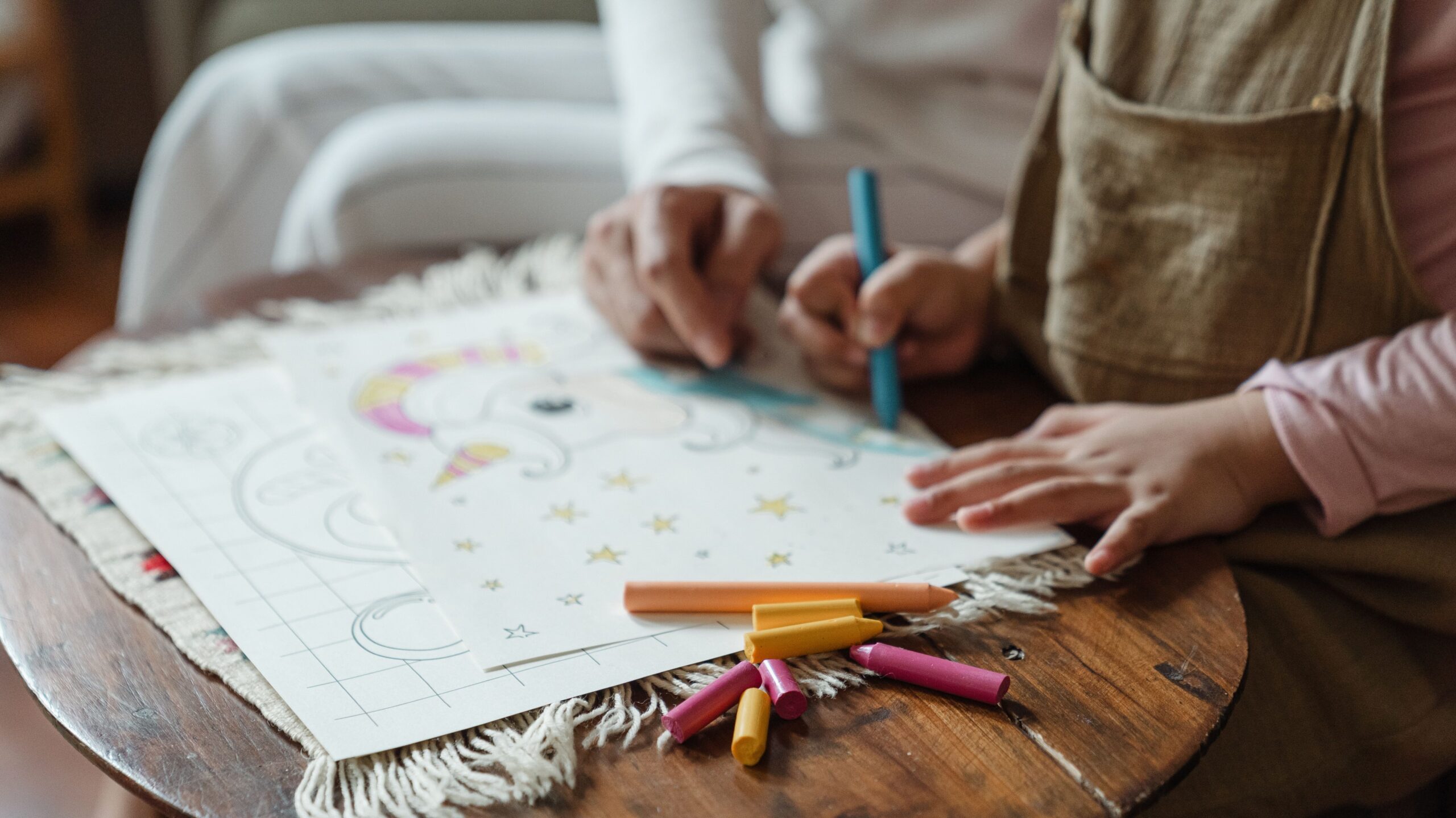
Sit beside your child and color together.
Instead of correcting their work, enjoy the experience.
Talk about:
- Favorite colors.
- Animals.
- Seasons.
- Holidays.
- Stories inspired by the picture.
Shared creative time strengthens relationships while making learning feel warm and enjoyable.
Creating a Simple Daily Coloring Routine
You don’t need a complicated schedule.
Even 15–20 minutes a few times a week can become a valuable habit.
Here’s one example:
| Day | Coloring Focus |
|---|---|
| Monday | Animals |
| Tuesday | Alphabet letters |
| Wednesday | Nature scenes |
| Thursday | Numbers and shapes |
| Friday | Favorite cartoon characters |
| Saturday | Free drawing and coloring |
| Sunday | Family coloring time |
Keeping the routine flexible helps children look forward to each session.
Common Mistakes Parents Should Avoid
Coloring is most beneficial when children feel free to explore.
Try to avoid these common mistakes:
| Instead of… | Try… |
|---|---|
| Correcting every color choice | Encourage creativity and imagination. |
| Expecting perfect coloring | Praise effort and progress. |
| Comparing siblings’ artwork | Celebrate each child’s unique style. |
| Rushing children to finish | Let them work at their own pace. |
| Choosing every coloring page yourself | Allow children to pick themes they enjoy. |
The goal is progress—not perfection.
How to Make Coloring More Meaningful
A coloring page can become much more than an art activity when paired with simple conversations.
For example:
While coloring a butterfly, ask:
- “Where do butterflies live?”
- “What flowers do they visit?”
- “How many colors can you find on its wings?”
If your child is coloring a fire truck, you might ask:
- “Who drives a fire truck?”
- “Why are fire trucks important?”
- “What should we do if we hear a siren?”
These questions naturally build vocabulary, critical thinking, and general knowledge.
Choosing the Right Coloring Pages
Children stay engaged longer when the pictures match their interests.
Consider offering pages based on themes such as:
- Animals
- Dinosaurs
- Princesses
- Vehicles
- Space
- Nature
- Seasons
- Community helpers
- Alphabet
- Numbers
Changing themes regularly keeps coloring exciting and introduces new learning opportunities.
Frequently Asked Questions
At what age can children start coloring?
Many toddlers begin exploring crayons around 18 to 24 months with close adult supervision. As their fine motor skills improve, they gradually gain more control over their colorin
Is it okay if my child colors outside the lines?
Absolutely.
Young children are still developing hand control. Coloring outside the lines is a normal part of learning and improves naturally with practice.
Should children use crayons, markers, or colored pencils?
Each tool offers different benefits.
- Crayons are ideal for younger children because they’re easy to grip.
- Markers create bold colors and motivate many preschoolers.
- Colored pencils are great for older children who are developing more precise hand control.
Using a variety of materials keeps coloring interesting.
How often should children color?
There isn’t a strict rule.
Even a few short coloring sessions each week can support creativity, fine motor development, and concentration.
The key is making it enjoyable rather than compulsory.
Can coloring reduce stress?
Yes.
Many children find coloring relaxing because it allows them to focus on a simple, enjoyable task. It can also provide a quiet break after busy school days or active play.
Final Thoughts
Coloring may appear to be one of the simplest childhood activities, yet it supports a remarkable range of developmental skills.
From strengthening tiny hand muscles to encouraging creativity, improving concentration, and helping children express their ideas, every completed picture represents meaningful learning.
More importantly, coloring reminds children that learning doesn’t always happen through textbooks or formal lessons.
Sometimes, it begins with a box of crayons, a blank page, and the freedom to imagine.
The picture your child creates today may fade with time, but the confidence, creativity, and skills they develop through coloring can last a lifetime.
References
This article is informed by research and guidance from trusted educational and child development organizations, including:
- National Association for the Education of Young Children (NAEYC)
- American Academy of Pediatrics (AAP)
- Harvard Center on the Developing Child
- Scholastic Parents
- Crayola Education
Continue Exploring on NatureNestia
You may also enjoy:
- Creative Activities for Kids
- Kids Learning Colors Through Paint Mixing Activity
- Sensory Activities for Toddlers
- Alphabet Learning Activities
- Number Tracing Worksheets 1–20
- Make Learning Fun for Kids
- Montessori Activities for Toddlers

Aina Arif is a mother of two young children and the founder of NatureNestia. Based in Pakistan, she spent three years as an early childhood educator before becoming a full-time parent and writer. She writes about learning through play, managing difficult behaviour, and building strong family bonds.