

By Aina Arif | Updated: June 2026 | 11 min read
Today’s children are growing up in a world where screens are everywhere. Whether it’s watching cartoons, attending online classes, playing educational games, or video chatting with grandparents, digital devices have become part of everyday life.
Technology offers many benefits when used wisely. It can support learning, encourage creativity, and help children stay connected with family and friends. However, excessive or unbalanced screen use may affect sleep, physical activity, attention, emotional well-being, and family relationships.
The good news is that parents don’t have to eliminate screens completely. Instead, the goal is to create healthy digital habits that allow children to enjoy technology while still making time for learning, outdoor play, creativity, and meaningful family interactions.
This guide explains how screen time affects children at different ages, the warning signs of excessive use, and practical strategies that help families create a healthier relationship with technology.
Why Screen Time Is Different Today
For previous generations, screen time usually meant watching television for a limited period each day.
Today’s children have access to smartphones, tablets, gaming consoles, smart televisions, laptops, and wearable devices. Many educational activities, homework assignments, and even social interactions now happen through digital platforms.
Because of this, modern parenting isn’t about asking:
“Should my child use screens?”
Instead, parents should ask:
- What type of content is my child watching?
- Is the content appropriate for their age?
- Is screen time replacing healthy activities?
- Are we using technology together as a family?
These questions help parents focus on quality instead of simply counting minutes.
Understanding the Two Types of Screen Time
Not all screen time has the same effect on children.
Some digital experiences encourage learning and creativity, while others involve passive entertainment with very little interaction.
| Healthy Screen Time | Less Helpful Screen Time |
|---|---|
| Educational apps | Endless short videos |
| Virtual museum tours | Mindless scrolling |
| Reading eBooks together | Watching random videos for hours |
| Learning languages | Age-inappropriate content |
| Interactive learning games | Using screens during every meal |
The goal isn’t to label screens as “good” or “bad.” Instead, parents should encourage activities that support learning, creativity, and meaningful interaction.
How Screen Time Influences Child Development
Children’s brains develop rapidly during the early years. They learn best through real-world experiences such as talking, playing, building, exploring, reading, and interacting with others.
When screen use is balanced with these activities, technology can become a useful learning tool. However, if screens replace active play or family interaction, children may miss valuable opportunities to develop important life skills.
Balanced routines help children strengthen:
- Communication skills
- Creativity
- Problem-solving abilities
- Emotional regulation
- Physical coordination
- Social confidence
Think of screens as one tool among many, not the center of a child’s daily routine.
Screen Time Recommendations by Age
Every stage of childhood has different developmental needs. Rather than using one rule for all children, it’s more helpful to adapt screen habits according to age.
Babies (Birth to 18 Months)
Young babies learn through eye contact, talking, singing, cuddling, and sensory experiences.
At this stage, everyday activities such as reading board books, tummy time, and playing with simple toys provide far more developmental benefits than digital entertainment.
Video calls with close family members can still be meaningful because they involve real interaction rather than passive viewing.
Toddlers (18–24 Months)
As toddlers become curious about the world, parents may introduce limited, high-quality educational content.
Watching together is much more valuable than leaving children alone with a device.
For example, if a video teaches animal names, pause occasionally and ask questions like:
“Which animal says moo?”
“Can you point to the elephant?”
Simple conversations help toddlers connect what they see on the screen with real-life experiences.
Preschoolers (2–5 Years)
Children in this age group enjoy educational games, songs, and interactive stories, but they still need plenty of time for imaginative play, outdoor activities, art, and conversations.
Healthy screen habits include:
- Choosing age-appropriate content.
- Watching together whenever possible.
- Taking regular movement breaks.
- Avoiding screens before bedtime.
- Encouraging books, puzzles, and creative play every day.
The goal is balance—not perfection.
Is All Screen Time Bad?
Many parents worry that any amount of screen use will harm their child.
The reality is more balanced.
A child who spends 30 minutes learning phonics with a parent has a very different experience from a child who spends three hours watching random videos alone.
Ask yourself these questions instead:
- Is my child learning something useful?
- Are they still physically active every day?
- Do they have time for imaginative play?
- Are family meals screen-free?
- Is technology helping or replacing real-life experiences?
When the answers are positive, screens can become one healthy part of a balanced lifestyle instead of the main source of entertainment.
A Real-Life Example
Imagine two six-year-old children.
Child A spends one hour using an educational reading app with a parent, then plays outside, finishes homework, reads a bedtime story, and gets enough sleep.
Child B spends four hours watching short videos while eating snacks, skips outdoor play, struggles to fall asleep, and becomes upset whenever the tablet is taken away.
Both children use screens—but their daily routines are completely different.
This example reminds us that healthy habits matter more than simply counting hours.
Before You Change the Rules…
Many parents immediately decide to cut all screen time after reading articles online.
Instead, take a moment to observe your child’s current routine.
Ask yourself:
- When does my child usually ask for a device?
- Are they bored, tired, or looking for attention?
- What activities could replace unnecessary screen time?
- Am I setting a positive example with my own phone use?
Understanding the reason behind screen use makes it much easier to create lasting healthy habits than simply introducing strict rule.
Build a Family Digital Plan Instead of Strict Rules
Many parents respond to excessive screen use by suddenly banning all devices. While this may work for a day or two, it often leads to frustration, arguments, and even more interest in screens.
A better approach is to create a family digital plan that everyone follows—including adults.
Your plan doesn’t have to be complicated. Start with a few simple rules that are easy to remember and realistic to follow.
For example:
- Keep bedrooms screen-free at night.
- Put devices away during family meals.
- Finish homework before recreational screen time.
- Spend time outdoors every day.
- Charge phones and tablets in a shared area instead of bedrooms.
Children are more likely to follow rules when they see their parents following them too.
Set Screen-Free Moments During the Day
Instead of focusing only on daily screen limits, identify moments when your family can enjoy life without devices.
Consider making these times completely screen-free:
- Breakfast and dinner
- Family conversations
- Homework time
- Car rides (occasionally)
- One hour before bedtime
- Outdoor play
- Family game night
These routines help children understand that screens are just one part of the day—not the center of it.
Replace Screen Time with Something Better
One of the biggest mistakes parents make is taking away a tablet without offering another engaging activity.
Children naturally ask for screens when they feel bored.
Instead of saying:
“No more tablet.”
Try saying:
“Let’s build a pillow fort together.”
or
“Would you like to bake cookies or ride your bike?”
Replacing screen time with enjoyable alternatives makes the transition much easier.
Activities That Naturally Reduce Screen Time
Children don’t always need expensive toys to stay entertained.
Here are some simple ideas:
| Indoor Activities | Outdoor Activities |
|---|---|
| Building LEGO creations | Nature scavenger hunt |
| Reading together | Riding a bicycle |
| Drawing or painting | Playing catch |
| Puzzle challenges | Gardening |
| Cooking with parents | Sidewalk chalk games |
| Building blanket forts | Visiting a playground |
The more enjoyable offline experiences children have, the less dependent they become on digital entertainment.
Be the Role Model Your Child Needs
Children notice what parents do far more than what parents say.
If a parent constantly checks messages during dinner, scrolls through social media while talking, or watches television throughout the evening, children receive mixed messages about healthy screen habits.

Simple changes can have a powerful impact.
Try to:
- Put your phone away during conversations.
- Read a book while your child reads.
- Spend time outdoors together.
- Leave devices in another room during meals.
- Show children that hobbies don’t always involve screens.
Healthy digital habits begin with the adults at home.
Choose Quality Over Quantity
Not every minute spent on a screen has the same value.
Compare these two situations:
Scenario A
A child spends 40 minutes using an educational app that teaches reading and problem-solving while discussing what they’re learning with a parent.
Scenario B
A child spends 40 minutes watching random autoplay videos without interacting or thinking about the content.
Both involve the same amount of screen time, but the learning experience is completely different.
When choosing digital content, ask yourself:
- Does this encourage learning?
- Is it age-appropriate?
- Does it inspire creativity?
- Can we talk about it together afterward?
These questions help parents prioritize meaningful screen use instead of simply counting hours.
Teach Children to Take Healthy Screen Breaks
Even educational screen use should include regular breaks.
A simple habit is encouraging children to:
- Stand up and stretch.
- Drink water.
- Look out of the window for a few minutes.
- Walk around the room.
- Rest their eyes before returning to the activity.
These short breaks help reduce eye strain and encourage movement throughout the day.
What to Do When Your Child Has a Tantrum Over Screens
Many children become upset when screen time ends, especially if they are deeply engaged in a game or video.
Instead of arguing, prepare them in advance.
Try giving gentle reminders such as:
“You have ten more minutes, then we’ll put the tablet away and play outside.”
Follow this with another reminder at five minutes and one minute.
This gives children time to adjust instead of feeling that screen time ended suddenly.
If your child becomes upset, stay calm and consistent. Avoid extending screen time just to stop the tantrum, as this teaches children that arguing changes the rules.
A Simple Family Screen Agreement
Every family has different routines, but creating a written agreement can help everyone stay on the same page.
Your agreement might include commitments such as:
- We use kind and respectful language online.
- We keep devices away during meals.
- We spend time outdoors every day.
- We ask permission before downloading apps.
- We turn off screens before bedtime.
- We enjoy family activities without phones or tablets.
When children help create these rules, they’re more likely to follow them.
Small Changes Create Lasting Habits
Healthy screen habits don’t happen overnight.
Instead of trying to change everything at once, focus on one small improvement each week.
For example:
Week 1: Remove screens during dinner.
Week 2: Add one family walk after school.
Week 3: Introduce a weekly board game night.
Week 4: Create a bedtime reading routine instead of watching videos.
Small, consistent changes are easier to maintain and often lead to lasting results.
When Screen Time Starts Becoming a Problem
Using a phone, tablet, or television doesn’t automatically mean a child has an unhealthy relationship with technology. The concern begins when screens start replacing essential parts of childhood, such as active play, quality sleep, learning, and family interaction.
Instead of focusing only on the number of hours, pay attention to changes in your child’s daily behavior.
Some children may spend an hour on a tablet without any issues, while others may struggle after the same amount of time. Every child is different, which is why observing their overall routine is more important than watching the clock.
Warning Signs Parents Shouldn’t Ignore
Occasional excitement about cartoons or games is completely normal. However, if you notice several of the following signs over a long period, it may be time to review your family’s digital habits.
- Your child becomes angry or anxious when a device is taken away.
- Homework is regularly delayed because of games or videos.
- Outdoor play no longer interests them.
- They frequently complain of tired eyes, headaches, or neck pain.
- Bedtime becomes difficult because they want “just five more minutes.”
- Family conversations become shorter because everyone is looking at a screen.
- They lose interest in hobbies they previously enjoyed.
One sign alone isn’t usually a cause for concern. A consistent pattern across different parts of daily life deserves attention.
Myths vs. Facts About Screen Time
Many parents receive conflicting advice from social media, friends, and parenting groups. Understanding the facts makes it easier to make informed decisions.
| Myth | Fact |
|---|---|
| All screen time is harmful. | Educational, age-appropriate content used in moderation can support learning. |
| More educational apps always mean better learning. | Children still need hands-on experiences, conversation, and physical play. |
| Taking away devices suddenly solves the problem. | Long-term habits improve through consistency and healthy routines. |
| My child learns everything from YouTube. | Videos can support learning, but they cannot replace real-life experiences with parents, teachers, and friends. |
| Only teenagers struggle with screen addiction. | Younger children can also develop unhealthy screen habits if routines are not balanced. |
What Research Suggests
Child development experts generally agree that the quality of screen use matters as much as the amount of time spent on devices.
For example, a child who spends time creating digital artwork, solving puzzles, or learning a new language is having a different experience from a child who passively watches endless autoplay videos.
Healthy development comes from balancing technology with activities such as:
- Reading books
- Outdoor play
- Physical exercise
- Creative arts
- Family conversations
- Independent play
- Adequate sleep
Technology should support these experiences—not replace them.
How to Balance Schoolwork and Entertainment
Many parents struggle because children genuinely need screens for homework or online learning.
Instead of treating all screen time the same, divide it into two categories.
| Productive Screen Time | Recreational Screen Time |
|---|---|
| Online classes | Watching cartoons |
| Homework research | Gaming |
| Educational apps | Social media |
| Reading eBooks | Random videos |
| Learning coding or languages | Endless scrolling |
This simple distinction helps children understand that screens can be tools for learning as well as entertainment.
Creating Healthy Evening Routines
Evenings often become the most challenging part of the day because children are tired, parents are busy, and screens provide an easy way to stay occupied.
Instead of relying on devices until bedtime, create a calming evening routine.
For example:
6:30 PM – Family dinner
7:00 PM – Homework or reading
7:30 PM – Board game or creative activity
8:00 PM – Bath and bedtime routine
8:30 PM – Storybook and lights out
Children usually adapt more easily when they know what comes next.
What If Your Child Says, “I’m Bored”?
This is one of the most common reasons children ask for a phone or tablet.
Instead of solving boredom immediately, see it as an opportunity.
Boredom often encourages children to become creative.
You might respond with questions like:
“What could you build with your blocks?”
“Would you like to invent your own game?”
“Can we make a paper airplane competition?”
“How many different animals can you draw in ten minutes?”
Giving children space to think independently helps build imagination and problem-solving skills.
A Weekly Digital Balance Challenge
Instead of making huge changes overnight, try one small challenge each day.
| Day | Family Challenge |
|---|---|
| Monday | Eat dinner without phones or TV. |
| Tuesday | Spend 30 minutes reading together. |
| Wednesday | Play outside after school. |
| Thursday | Have a family board game night. |
| Friday | Watch one educational program together and discuss it afterward. |
| Saturday | Visit a park, museum, or library. |
| Sunday | Have a “No Screens Until Noon” family morning. |
These small challenges feel achievable and help children build healthier habits over time.
Remember: Balance Looks Different for Every Family
Every family has unique routines, work schedules, and educational needs.
Some children may require additional screen time for online learning or communication with relatives living far away.
Rather than comparing your family with others, focus on creating routines that support your child’s health, happiness, learning, and relationships.
The best digital habits aren’t about perfection—they’re about balance, consistency, and spending meaningful time together.
Frequently Asked Questions
How much screen time is healthy for children?
There isn’t a single number that works for every child. Healthy screen use depends on your child’s age, the type of content they consume, and whether screen time replaces sleep, physical activity, homework, or family interaction. Educational and interactive content is generally more beneficial than passive entertainment.
Should screens be completely banned?
No. Technology is an important part of modern life. Instead of banning screens, parents should teach children how to use them responsibly. The goal is to build healthy digital habits that children can continue using as they grow older.
Is educational screen time different from entertainment?
Yes. Watching an educational science video with a parent or using a reading app requires active thinking and engagement. Passive entertainment, such as endlessly watching short videos, usually offers fewer learning opportunities. Balance is the key.
Why does my child become upset when screen time ends?
Digital games and videos are designed to keep users engaged. Ending screen time suddenly can be frustrating for children, especially if they aren’t prepared. Giving advance reminders and offering an enjoyable offline activity can make transitions much smoother.
Should children use screens before bedtime?
It’s generally better to avoid screens close to bedtime because exciting games, videos, and bright light may make it harder for some children to relax and fall asleep. A calming bedtime routine with reading or quiet conversation is often a healthier alternative.
How can I reduce screen time without daily arguments?
Start with small, realistic changes rather than strict bans. Create predictable routines, involve your child in setting family rules, provide interesting alternatives, and remain consistent. Positive habits usually develop gradually instead of overnight.
A Parent’s Weekly Self-Check
Every weekend, take a few minutes to reflect on your family’s digital habits.
Ask yourself:
- Did we eat meals together without devices?
- Did my child spend enough time being physically active?
- Was there time for books, creative play, or outdoor activities?
- Did I model healthy screen habits myself?
- Did screens support learning or simply fill free time?
These questions are often more helpful than counting every minute of screen use.
Small Habits That Make a Big Difference
Healthy digital habits are built through everyday choices.
Simple changes can have a lasting impact:
- Charge devices outside the bedroom.
- Keep family meals screen-free.
- Encourage one outdoor activity every day.
- Read together before bedtime.
- Schedule regular family activities without phones.
- Praise children when they choose offline activities on their own.
Over time, these habits become part of your family’s lifestyle rather than rules that need constant enforcement.
Final Thoughts
Technology isn’t the enemy of childhood—it is simply one part of it.
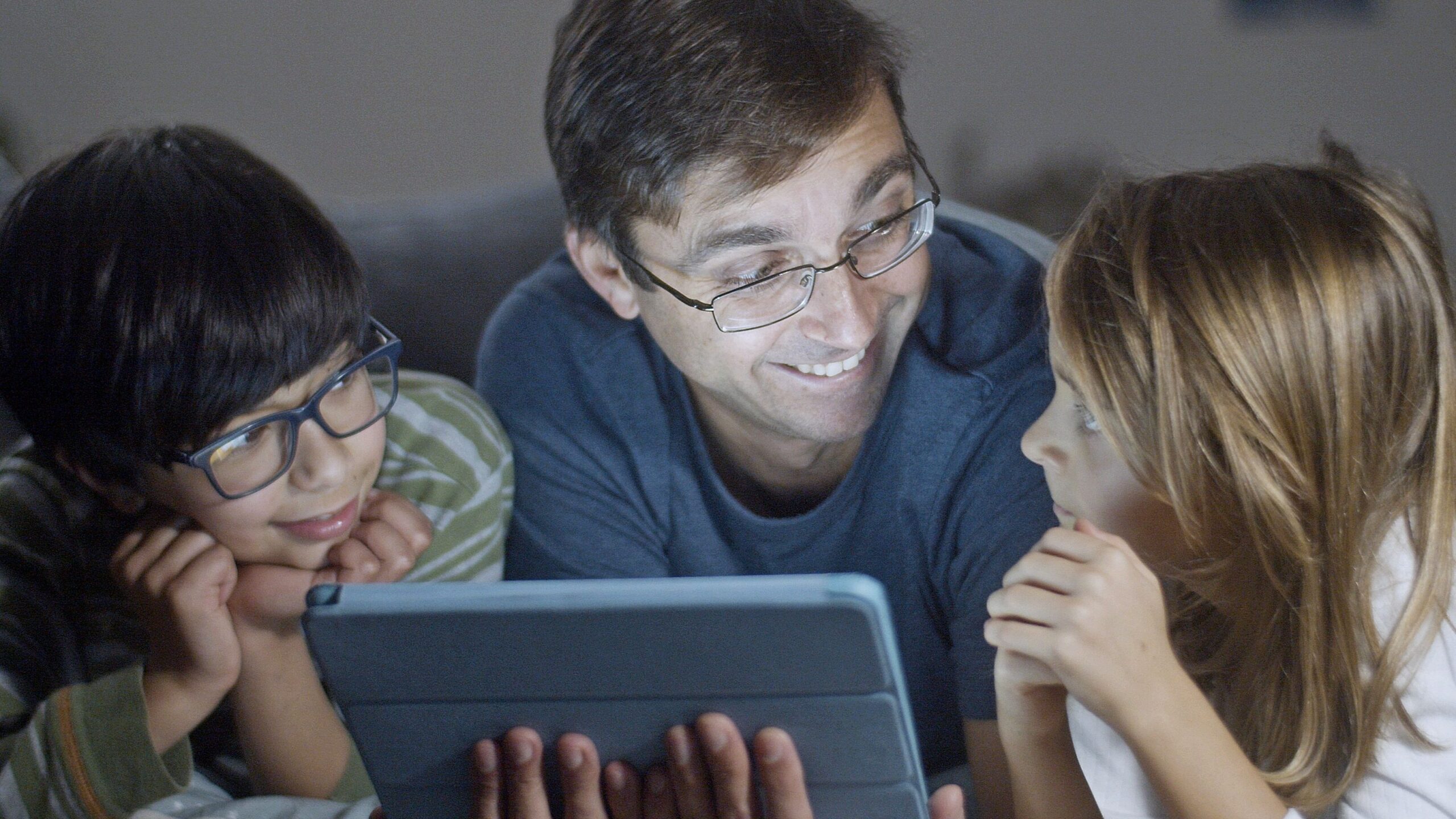
Children benefit most when screens are used intentionally, not automatically. The happiest and healthiest routines combine digital learning with outdoor adventures, creative play, meaningful conversations, quality sleep, and strong family connections.
As a parent, you don’t need to create a perfectly screen-free home. Instead, aim to create a balanced environment where technology supports your child’s growth rather than replacing the experiences that matter most.
Small, consistent changes made today can help your child develop healthy digital habits that last well beyond childhood.
References
The recommendations in this guide are based on guidance and educational resources from trusted organizations, including:
- American Academy of Pediatrics (AAP)
- HealthyChildren.org
- World Health Organization (WHO)
- Centers for Disease Control and Prevention (CDC)
- Common Sense Media
Continue Reading on NatureNestia
If you found this guide helpful, you may also enjoy:
- Creative Activities for Kids: 22 Ideas That Spark Real Imagination
- Math Activities for Kindergarten
- Picky Eater Solutions: 18 Powerful Strategies That Actually Work
- Sibling Rivalry Solutions
- Indoor Activities for Kids
- Fine Motor Activities for Preschoolers

Aina Arif is a mother of two young children and the founder of NatureNestia. Based in Pakistan, she spent three years as an early childhood educator before becoming a full-time parent and writer. She writes about learning through play, managing difficult behaviour, and building strong family bonds.