
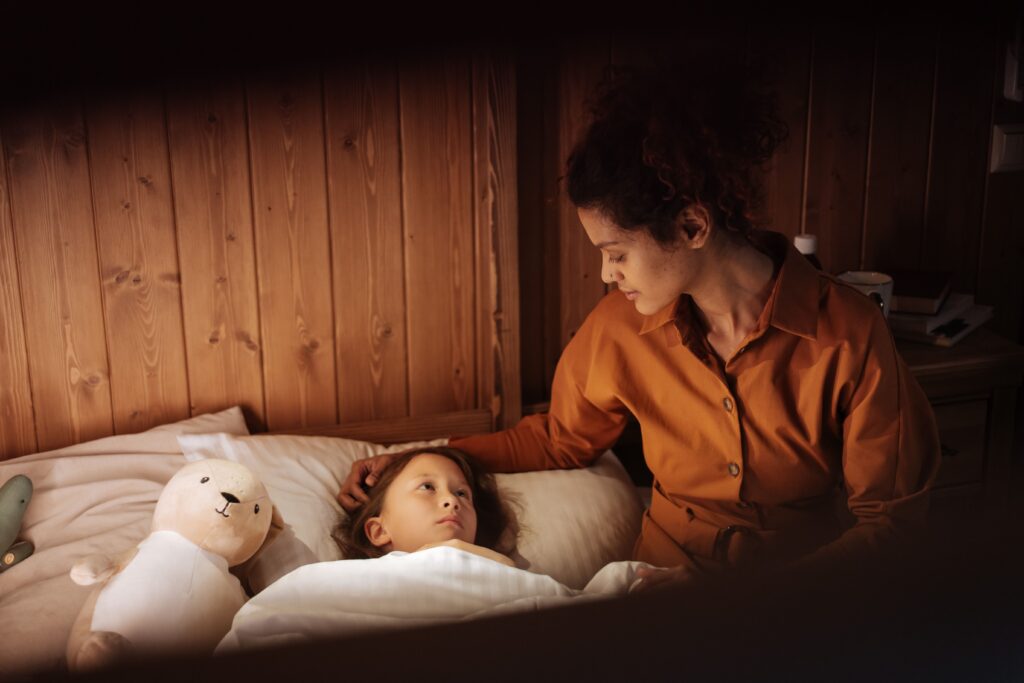
For a while, bedtime at our house wasn’t about resistance or stalling — it was about fear. Once the lights went off, my son would go quiet for a minute, and then, almost every night, the same small voice would come from under the blanket: “Is there something in my room?” It wasn’t a phase I saw coming. One week he was fine falling asleep in the dark, and the next, he wanted the hallway light on, the door open, and me to “check” the closet before he’d even lie down.
I want to write about this one separately from the general bedtime-resistance stuff, because it felt like a completely different problem. This wasn’t about not wanting to sleep. He wanted to sleep. He was scared to.
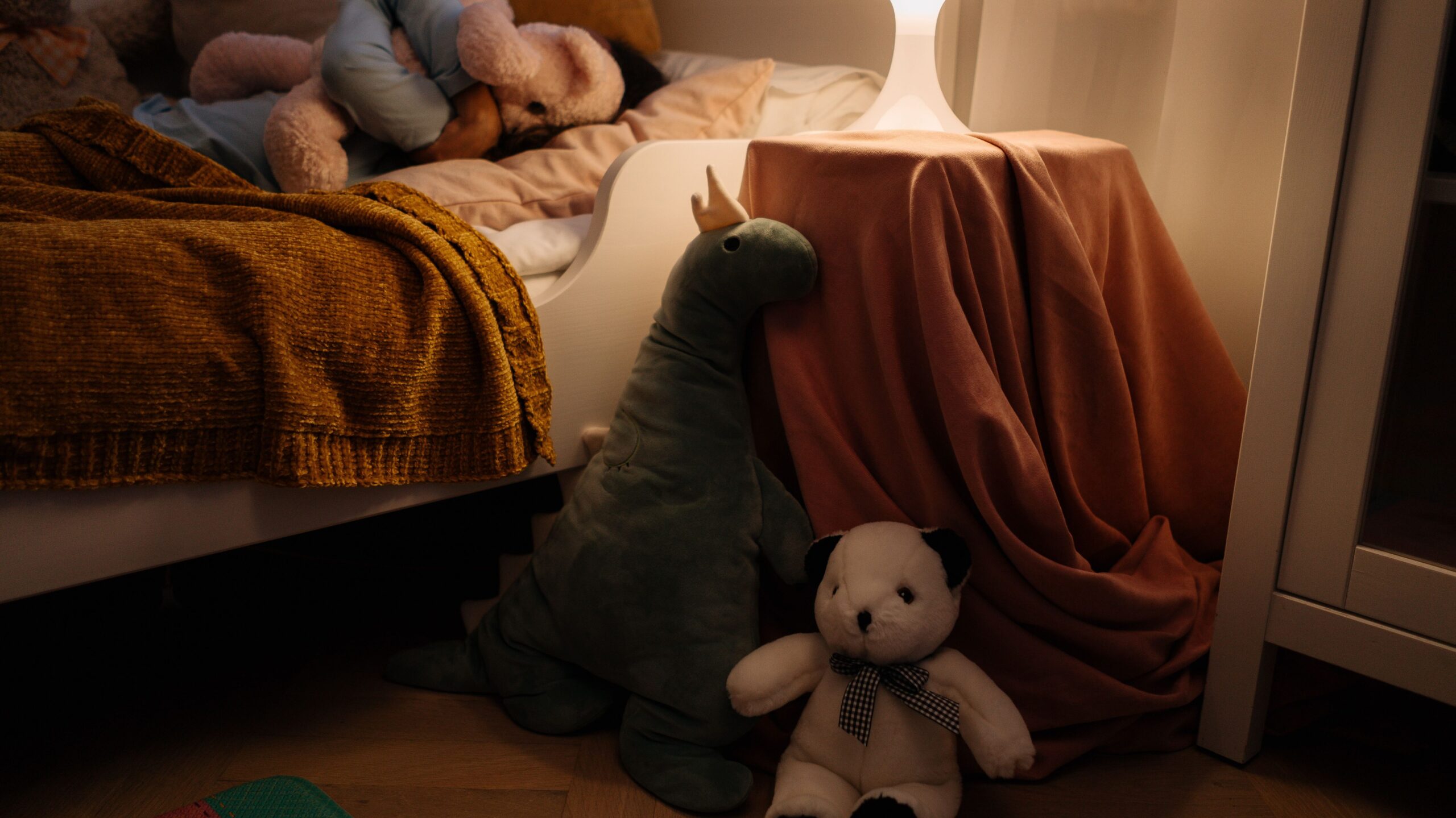
The Night I Realized It Was Real Fear, Not a Delay Tactic
My first guess, honestly, was that this was just a new stalling technique — a more creative version of “one more glass of water.” So the first few nights, I treated it that way. I did a quick “nothing’s here” sweep of the room and left. It didn’t work. He’d call me back within minutes, and a couple of nights he came into our room at 2 AM, shaking a little, saying he’d heard something.
That’s when it clicked that this wasn’t manipulation or delay. Child development sources generally note that fear of the dark and imagined threats in the bedroom are extremely common in the preschool years, tied to a child’s growing imagination outpacing their ability to tell fantasy from reality. He wasn’t being difficult. His brain had gotten good enough at imagining things that it was now imagining things that scared him, and he had no way yet to reason his way out of it.
Once I reframed it that way in my head, everything about how I responded changed.

What Made It Worse (Even Though I Meant Well)
I made two mistakes early on that I think are worth being honest about.
The first was over-explaining. I’d sit on the edge of his bed and give long, logical reassurances — “monsters aren’t real, there’s nothing that can get into a locked house, I promise you’re safe.” Logic doesn’t land the way you’d hope with a three-year-old at 9 PM. If anything, naming the thing he was scared of, even to dismiss it, sometimes made it feel more real, not less.
The second mistake was checking the closet and under the bed every single night, in full view, like a ritual. It felt like reassurance in the moment, but looking back, it quietly told him “yes, this room might actually need checking” — which is the opposite of what I wanted him to internalize.
What Actually Helped
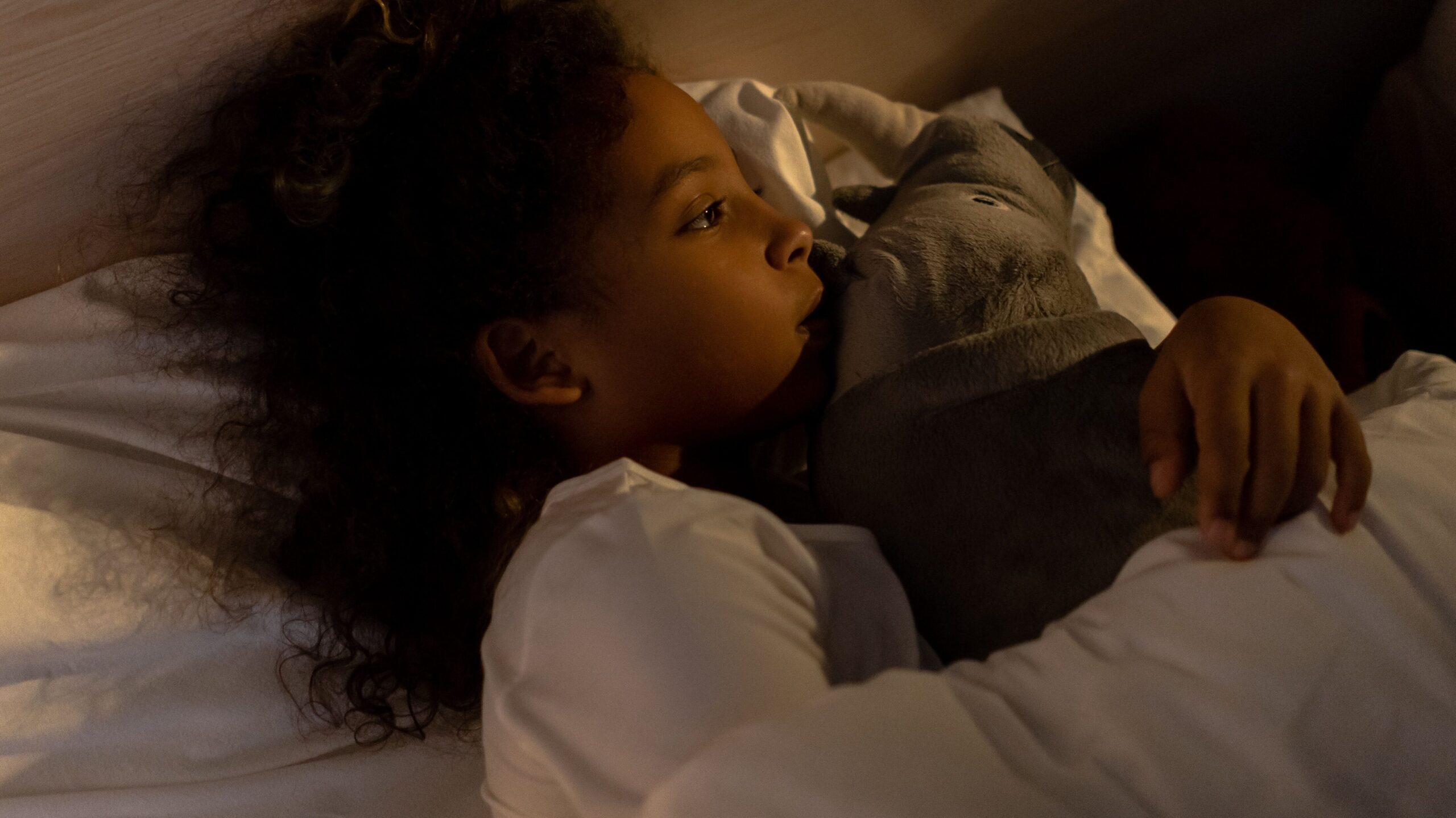
The thing that made the biggest difference wasn’t a script or a specific phrase. It was giving him something to do instead of something to be told.
We made a “night light patrol” — a small flashlight he kept by his pillow that was “his job” to use if he felt unsure, instead of calling out for me. It sounds small, but it shifted him from a passive kid waiting to be reassured into someone who had a tool and a role. The first night, he used it four times. Within two weeks, it mostly sat unused on the nightstand, which I think was the actual sign things were improving — not that he stopped being scared some nights, but that he had a way to handle it himself.
We also moved the “safety check” earlier, into the bath-and-brush-teeth part of the routine, done casually and without ceremony, rather than as the last thing before lights-out. That one change mattered more than I expected — doing it early meant it wasn’t the last thing on his mind right as he was trying to fall asleep.
Pediatric sleep guidance I came across echoed something similar: keeping the response calm, brief, and consistent — rather than an escalating conversation each time — tends to help children move through fear-based waking faster than long reassurance sessions do.
A Few Things I’d Say to a Parent Going Through This Now
If your child suddenly develops a fear that wasn’t there before, I don’t think it means something happened, and it doesn’t usually mean something is wrong. In our case, it started around the same time he began understanding what “dying” meant, and around the same time his pretend play got a lot more elaborate — his imagination had simply leveled up, and his fear leveled up right alongside it.
I’d also say: don’t be surprised if logic doesn’t work as well as you expect. What worked for us wasn’t convincing him monsters aren’t real. It was giving him something small and concrete he could control.
And if one thing you try doesn’t work after a few nights, it’s fine to drop it and try something else. We went through a sound machine, a “brave bear” stuffed animal, and a sticker chart before the flashlight actually stuck. None of the earlier ones were wrong ideas — they just weren’t the thing that clicked for him specifically.
Where We Landed
He still occasionally says a room “feels weird,” usually on nights he’s overtired or after watching something a little too intense earlier in the day. But it’s no longer the nightly event it was for a couple of months. The flashlight still sits on his nightstand, mostly for show now, and some nights I think it’s less about actually needing it and more about knowing it’s there.
If you’re in the middle of this with your own child, it’s worth remembering the fear is real to them, even when you know the room is empty. The goal isn’t to argue them out of being scared — it’s to give them a way through it that doesn’t depend entirely on you being in the room.
Aina Arif is a mother of two and the founder of NatureNestia. She writes about the parts of parenting that don’t always make it into the parenting books.

Aina Arif is a mother of two young children and the founder of NatureNestia. Based in Pakistan, she spent three years as an early childhood educator before becoming a full-time parent and writer. She writes about learning through play, managing difficult behaviour, and building strong family bonds.