
By Aina Arif | Last Updated: July 2026
Potty training is one of the biggest milestones in early childhood. While every parent looks forward to saying goodbye to diapers, the journey can feel exciting one day and frustrating the next.
The good news is that successful potty training isn’t about rushing your child—it’s about recognizing when they’re ready and creating a positive learning experience. Every child develops at their own pace, so comparing your toddler with siblings, friends, or children online often leads to unnecessary stress.
With patience, encouragement, and the right approach, most children learn this important life skill successfully.
In this guide, you’ll discover 15 practical potty training tips, signs your child is ready, common mistakes to avoid, and expert advice to make the process easier for both you and your little one.
Table of Contents
- Why Potty Training Matters
- Signs Your Child Is Ready
- When Should You Start Potty Training?
- 15 Potty Training Tips
- Common Potty Training Mistakes
- Day vs Night Potty Training
- Potty Training Schedule
- Frequently Asked Questions
- Final Thoughts
- References
Why Potty Training Matters
Learning to use the toilet is more than simply giving up diapers. It helps children develop independence, confidence, responsibility, and awareness of their body’s signals.
Potty training also offers benefits for parents, including lower diaper costs and fewer diaper changes during daily routines or travel.
Remember that success isn’t measured by how quickly your child learns. The goal is to help them feel comfortable and confident throughout the process.
Signs Your Child Is Ready for Potty Training
Every child reaches potty training readiness at a different age. Instead of focusing only on age, look for these common signs.
Your child may be ready if they:
- Stays dry for two hours or longer.
- Tells you before or after using their diaper.
- Shows interest in the toilet.
- Can pull pants up and down with minimal help.
- Understands simple instructions.
- Dislikes wearing a wet or dirty diaper.
- Has regular bowel movements.
- Can sit on a potty for a few minutes.
If your toddler isn’t showing most of these signs yet, waiting a few weeks may lead to a much smoother experience.
When Should You Start Potty Training?
Many children begin potty training between 18 months and 3 years, but readiness is more important than age alone.
Starting too early may lead to frustration for both parents and children, while waiting until your child shows signs of readiness often makes the process easier.
Some children learn in just a few days, while others may need several weeks or even months. Both experiences are completely normal.
15 Potty Training Tips
Tip #1: Wait Until Your Child Is Ready
One of the biggest reasons potty training becomes stressful is starting before a child is developmentally ready.
Rather than following a strict timeline, observe your child’s behavior. A child who recognizes the need to use the bathroom is much more likely to succeed than one who is simply old enough.
Why This Works
Children learn faster when they’re physically and emotionally prepared.
Parent Tip
If your child strongly resists the potty, take a short break for a few weeks before trying again.
Tip #2: Let Your Child Choose Their Potty
Shopping for a potty together helps children feel involved in the process.
Some toddlers prefer a small floor potty, while others feel more comfortable using a child seat on the regular toilet.
Allowing your child to choose their potty can make them more excited to use it.
Parent Tip
Place the potty somewhere easily accessible during the first few weeks of training.
Tip #3: Create a Simple Daily Routine
Consistency is one of the most important parts of successful potty training.
Encourage your child to sit on the potty at predictable times, such as:
- After waking up
- Before leaving home
- After meals
- Before bedtime
There’s no need to force long sitting sessions. Just a few relaxed minutes are enough.
Why This Works
Regular bathroom visits help children recognize their body’s natural routine.
Tip #4: Use Positive Reinforcement Instead of Punishment
Children respond much better to encouragement than criticism. Celebrate every small success, whether it’s sitting on the potty, telling you they need to go, or using the toilet successfully.
Simple praise such as “Great job listening to your body!” can boost your child’s confidence and motivation.
Reward Ideas
- Stickers
- High-fives
- Extra bedtime story
- Small certificate
- Favorite healthy snack
Avoid giving expensive gifts or large rewards, as children should learn to use the toilet because it’s a healthy habit—not just to receive prizes.
Why This Works
Positive reinforcement creates a happy learning experience and reduces anxiety around potty training.
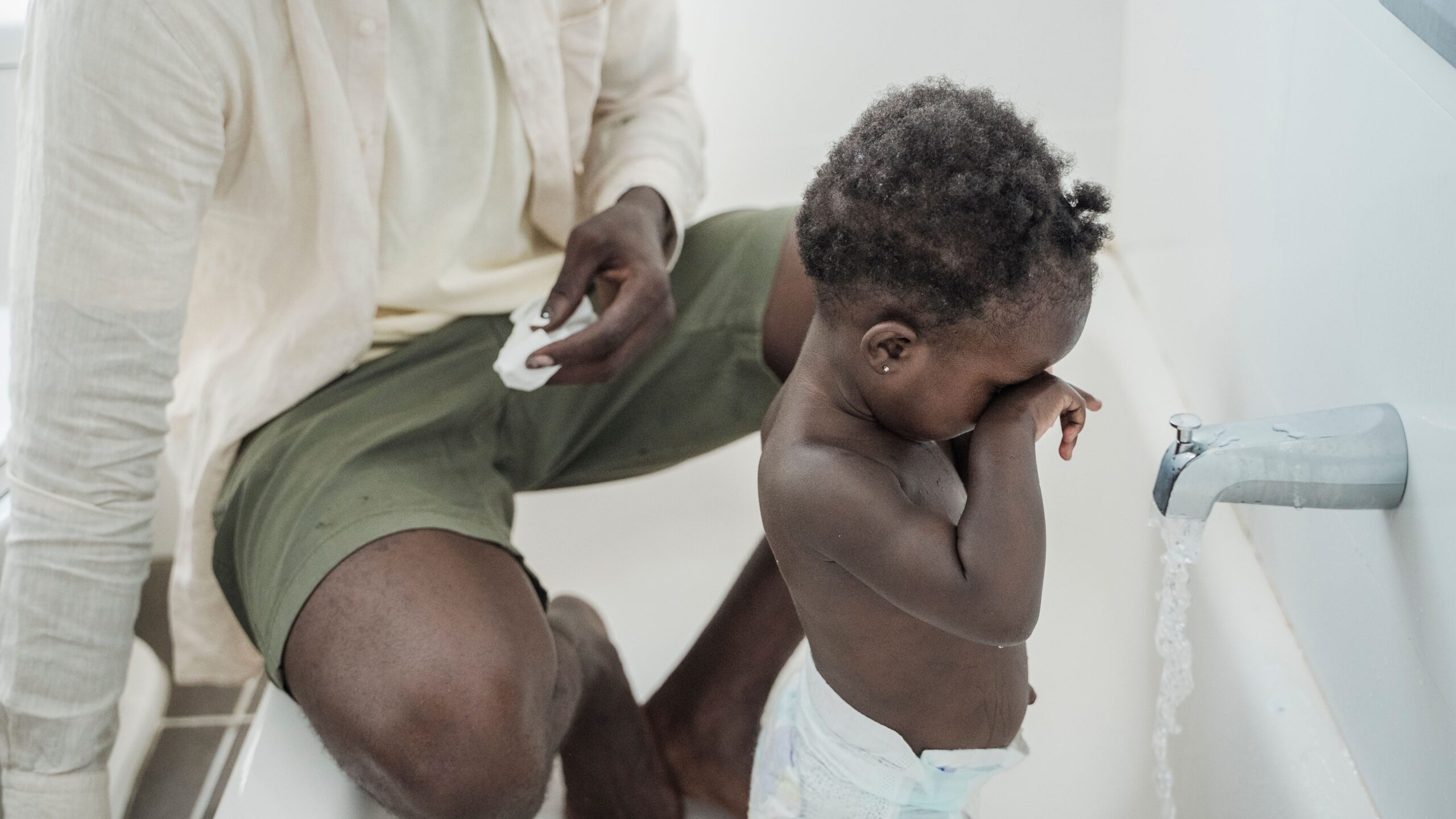
Tip #5: Expect Accidents and Stay Calm
Accidents are a normal part of potty training. Every child has setbacks, even after making good progress.
If an accident happens:
- Stay calm.
- Help your child clean up without making them feel embarrassed.
- Remind them to try using the potty next time.
- Continue following the daily routine.
Avoid saying things like:
❌ “You’re too old for diapers.”
❌ “Why didn’t you tell me?”
Instead, try saying:
✅ “That’s okay. Accidents happen. We’ll try again next time.”
Parent Tip
Children often sense their parents’ emotions. Staying calm helps your child remain confident and willing to keep trying.
Tip #6: Dress Your Child in Easy-to-Remove Clothing
During potty training, every second matters. Clothing that is difficult to remove can lead to unnecessary accidents.
Choose:
- Elastic waist shorts
- Leggings
- Loose pants
- Comfortable underwear
Avoid:
- Overalls
- Tight jeans
- Complicated buttons
- Belts
The easier it is for your child to undress, the more successful they’ll feel.
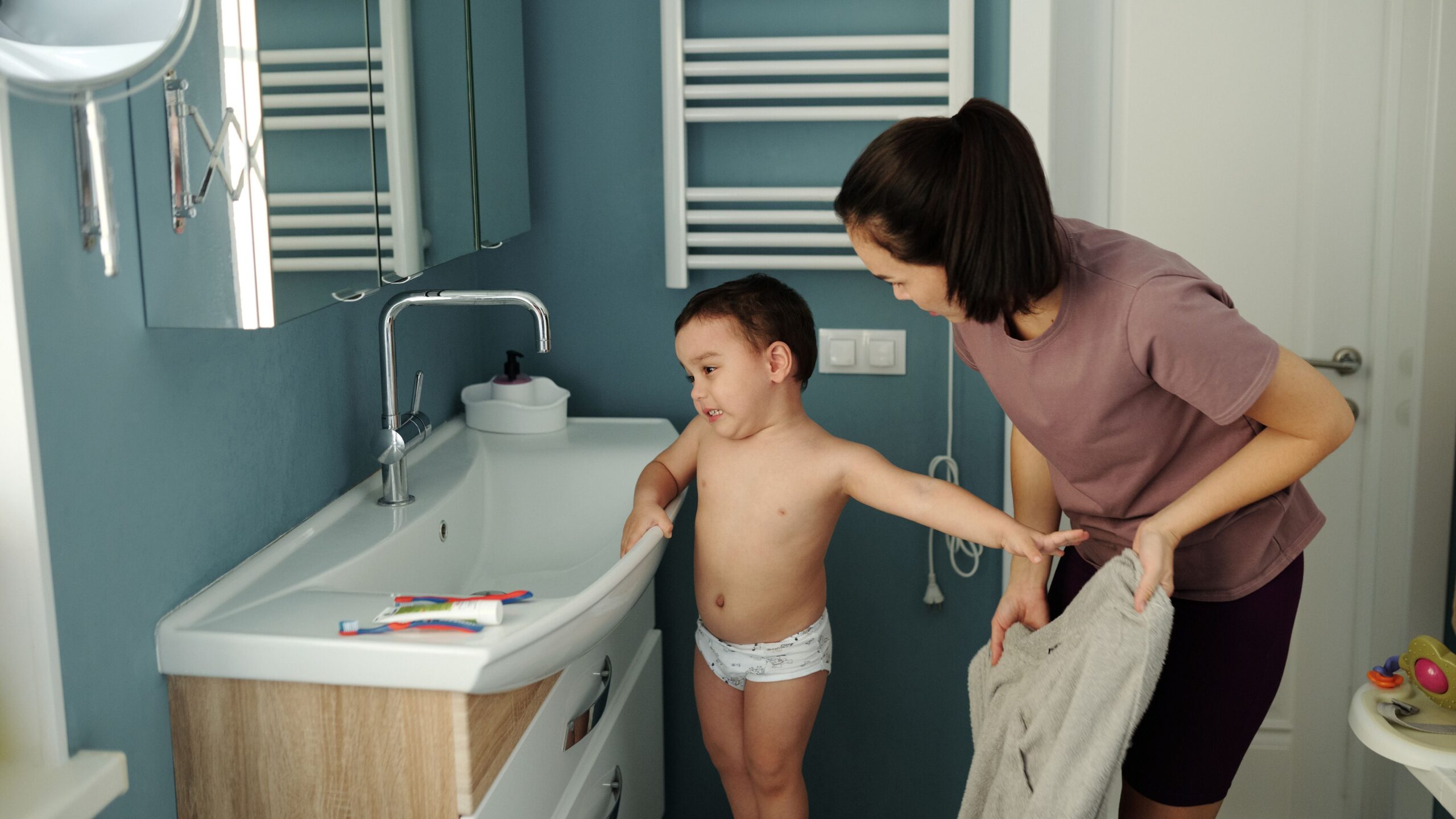
Tip #7: Teach Proper Handwashing
Potty training is also the perfect time to introduce healthy hygiene habits.
Teach your child to:
- Flush the toilet (if appropriate).
- Wash hands with soap.
- Rub hands together for at least 20 seconds.
- Dry hands using a clean towel.
Turning handwashing into a fun song or game makes children more likely to remember it.
Why This Matters
Good hygiene helps reduce the spread of germs and encourages healthy habits that last a lifetime.
Tip #8: Encourage Independence
As your child becomes more confident, allow them to complete simple potty routine tasks independently.
For example, encourage them to:
- Pull their pants up and down.
- Sit on the potty without assistance.
- Flush the toilet.
- Wash and dry their hands.
- Put dirty clothes in the laundry basket if needed.
Offering small responsibilities helps children feel proud of their progress.
Parent Tip
Praise effort rather than perfection. Independence develops gradually.
Tip #9: Be Consistent at Home and Outside
Children learn faster when potty routines remain consistent in different environments.
If your child attends daycare or spends time with grandparents, talk with caregivers about:
- Potty schedule
- Reward system
- Words your child uses for the bathroom
- Handling accidents
Consistency helps avoid confusion and builds confidence.
Tip #10: Prepare for Trips Outside the Home
Many parents worry about leaving the house during potty training, but avoiding outings isn’t necessary.
Before leaving:
- Encourage your child to use the toilet.
- Pack extra underwear and clothes.
- Bring wipes.
- Carry a portable potty or toilet seat if needed.
- Identify nearby restrooms during longer trips.
Planning ahead makes outings much less stressful.
Potty Training Progress Checklist
Use this simple checklist to monitor your child’s progress.
| Milestone | Completed |
|---|---|
| Recognizes the need to use the toilet | ☐ |
| Sits comfortably on the potty | ☐ |
| Uses the potty with reminders | ☐ |
| Pulls pants up and down independently | ☐ |
| Stays dry for several hours | ☐ |
| Washes hands after using the toilet | ☐ |
| Uses the toilet away from home | ☐ |
Remember, every child reaches these milestones at their own pace.
Daytime vs Nighttime Potty Training
Many parents expect daytime and nighttime potty training to happen together, but they’re actually different developmental milestones.
| Daytime Training | Nighttime Training |
|---|---|
| Usually develops first | Often takes several months longer |
| Depends on routine | Depends on bladder maturity |
| Easier to practice | Cannot be rushed |
| Accidents become less frequent with practice | Nighttime accidents are common and completely normal |
If your child stays dry during the day but still needs a diaper at night, don’t worry. Nighttime bladder control develops naturally for many children over time.
Tip #11: Avoid Comparing Your Child to Others
Every child learns at their own pace. Some toddlers may become potty trained within a week, while others need several months. Both situations are completely normal.
Avoid comparing your child with siblings, cousins, or friends. Statements like “Your cousin learned much faster” can create pressure and reduce your child’s confidence.
Why This Matters
Children develop physically and emotionally at different rates. Focusing on your child’s individual progress creates a more positive learning experience.
Parent Tip
Celebrate small improvements instead of expecting immediate success. Every successful potty visit is a step forward.
Tip #12: Teach Your Child to Recognize Body Signals
One of the most important potty training skills is recognizing when it’s time to use the bathroom.
Help your child notice signs such as:
- Feeling pressure in their tummy
- Crossing their legs
- Squatting
- Holding themselves
- Suddenly becoming quiet during play
When you notice these behaviors, calmly remind your child to try using the potty.
Why This Works
Learning to recognize body signals helps children become independent instead of relying on constant reminders from adults.
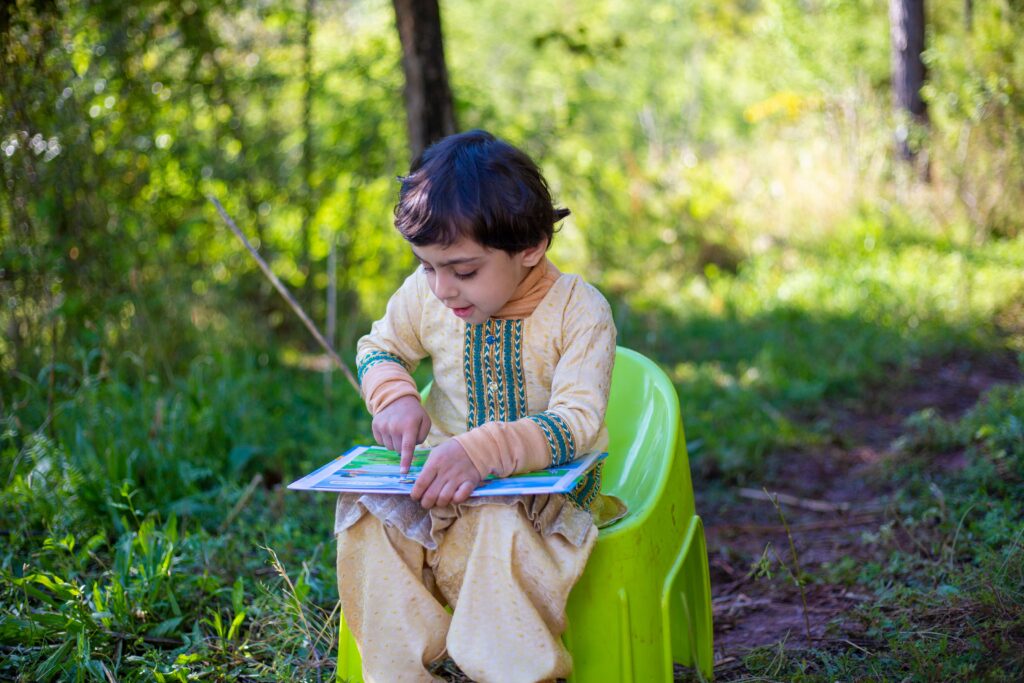
Tip #13: Read Potty Training Books Together
Children often feel more confident when they see characters learning the same new skill.
Reading age-appropriate potty training books can:
- Reduce anxiety
- Make the toilet feel familiar
- Encourage conversations
- Build excitement
Reading together also gives children the opportunity to ask questions in a relaxed environment.
Parent Tip
Let your child choose their favorite potty-themed book and read it regularly during the training period.
Tip #14: Stay Patient During Potty Training Regression
Sometimes children who have been using the potty successfully suddenly begin having accidents again. This is called potty training regression, and it’s more common than many parents realize.
Regression may happen because of:
- Starting preschool
- A new sibling
- Moving to a new home
- Illness
- Changes in routine
- Stress or excitement
Instead of starting over completely, return to your regular potty routine and continue offering gentle encouragement.
Why This Matters
Regression is usually temporary. Staying calm helps children regain confidence more quickly.
Tip #15: Know When to Take a Short Break
If your child consistently refuses to sit on the potty, becomes extremely upset, or shows no interest despite several weeks of gentle encouragement, it may be helpful to pause for a short time.
Taking a break for two to four weeks doesn’t mean you’ve failed. It simply gives your child more time to become developmentally ready.
When you try again later, many children are much more cooperative.
Parent Tip
A relaxed child learns faster than one who feels pressured.
Potty Training Challenges and Simple Solutions
Every family experiences challenges during potty training. The key is to stay patient and focus on solutions rather than setbacks.
| Challenge | Helpful Solution |
|---|---|
| Refuses to sit on the potty | Make potty time fun with books or songs. |
| Frequent accidents | Increase potty reminders and stay consistent. |
| Fear of flushing | Let your child flush only when they feel comfortable. |
| Refuses underwear | Allow your child to choose fun underwear with favorite characters. |
| Doesn’t tell you in time | Watch for body language and gently remind them to use the potty. |
Common Potty Training Mistakes
Even well-meaning parents sometimes make mistakes that can slow progress.
Starting Too Early
Beginning potty training before your child is ready often leads to frustration and resistance.
Using Punishment
Scolding, shaming, or punishing accidents can create fear and make potty training more difficult.
Expecting Instant Success
Learning a new skill takes time. Celebrate gradual progress instead of expecting perfection.
Being Inconsistent
Changing routines or expectations every few days can confuse children. Try to keep potty times and encouragement consistent.
Forgetting to Praise Progress
Children are more likely to repeat behaviors that receive positive attention. Praise effort, not just successful toilet trips.
Expert Tips for Stress-Free Potty Training
Keep Potty Time Relaxed
Avoid forcing your child to sit on the potty for long periods. A few minutes is usually enough.
Use Simple Language
Choose easy words your child understands, such as “potty,” “pee,” or “poo,” and use them consistently.
Practice Before Bedtime
Encourage your child to use the potty before naps and bedtime as part of their daily routine.
Celebrate Small Wins
Every success matters—even sitting on the potty willingly is progress worth celebrating.
Stay Positive
Your attitude influences your child’s confidence. A calm and encouraging approach helps children feel safe while learning.
Quick Potty Training Checklist
Before you begin, make sure you have:
- ✔ Child-sized potty or toilet training seat
- ✔ Comfortable underwear
- ✔ Easy-to-remove clothing
- ✔ Wipes and cleaning supplies
- ✔ Sticker chart or simple reward system
- ✔ Patience and realistic expectations
Frequently Asked Questions
How long does potty training usually take?
Every child is different. Some toddlers learn within a few days, while others may need several weeks or even months. The most important factor is your child’s readiness rather than how quickly they finish.
What is the best age to start potty training?
Most children show signs of readiness between 18 months and 3 years of age. However, age alone shouldn’t determine when to begin. Watch for readiness signs such as staying dry for longer periods, showing interest in the toilet, and communicating bathroom needs.
What should I do if my child refuses to use the potty?
Stay calm and avoid forcing the issue. Encourage your child gently, read potty training books together, and let them become familiar with the potty. If strong resistance continues, consider taking a short break and trying again after a few weeks.
Is it normal for children to have accidents after potty training?
Yes. Accidents are a normal part of learning and don’t mean your child is failing. Continue offering encouragement and follow your regular potty routine without punishment.
Should I use rewards during potty training?
Small rewards such as stickers, verbal praise, or extra story time can motivate some children. The goal is to celebrate progress without making rewards the only reason your child uses the toilet.
How can I potty train while traveling?
Carry extra clothes, wipes, underwear, and a portable potty seat if possible. Encourage your child to use the bathroom before leaving home and take regular restroom breaks during longer trips.
Is nighttime potty training different from daytime training?
Yes. Daytime and nighttime bladder control develop separately. Many children stay dry during the day months before they consistently stay dry at night. This is completely normal.
When should I talk to a pediatrician?
Consider speaking with your child’s pediatrician if your child experiences pain while urinating, severe constipation, frequent urinary infections, or shows no interest in potty training well beyond the typical readiness period. A healthcare professional can provide guidance based on your child’s individual needs.
Quick Summary
- Potty training success depends on readiness, not age.
- Keep routines consistent and positive.
- Praise effort instead of expecting perfection.
- Accidents are a normal part of learning.
- Avoid punishment or comparisons.
- Every child develops at their own pace.
Final Thoughts
Potty training is a journey that requires patience, consistency, and encouragement. While it may feel challenging at times, remember that every child learns differently, and setbacks are completely normal.
Focus on creating a positive experience rather than rushing the process. Celebrate small successes, stay calm during accidents, and give your child the confidence to learn at their own pace.
With love, patience, and the right approach, potty training will become another milestone your family looks back on with pride.
References
For evidence-based guidance on potty training and child development, refer to trusted organizations such as:
- American Academy of Pediatrics (AAP)
- HealthyChildren.org
- Centers for Disease Control and Prevention (CDC)
- National Association for the Education of Young Children (NAEYC)
Related Articles
You may also enjoy these helpful guides on NatureNestia:
- Creative Activities for Kids
- Fine Motor Activities for Preschoolers
- Math Activities for Kindergarten
- Indoor Activities for Kids
- Alphabet Activities for Preschoolers

Aina Arif is a mother of two young children and the founder of NatureNestia. Based in Pakistan, she spent three years as an early childhood educator before becoming a full-time parent and writer. She writes about learning through play, managing difficult behaviour, and building strong family bonds.