
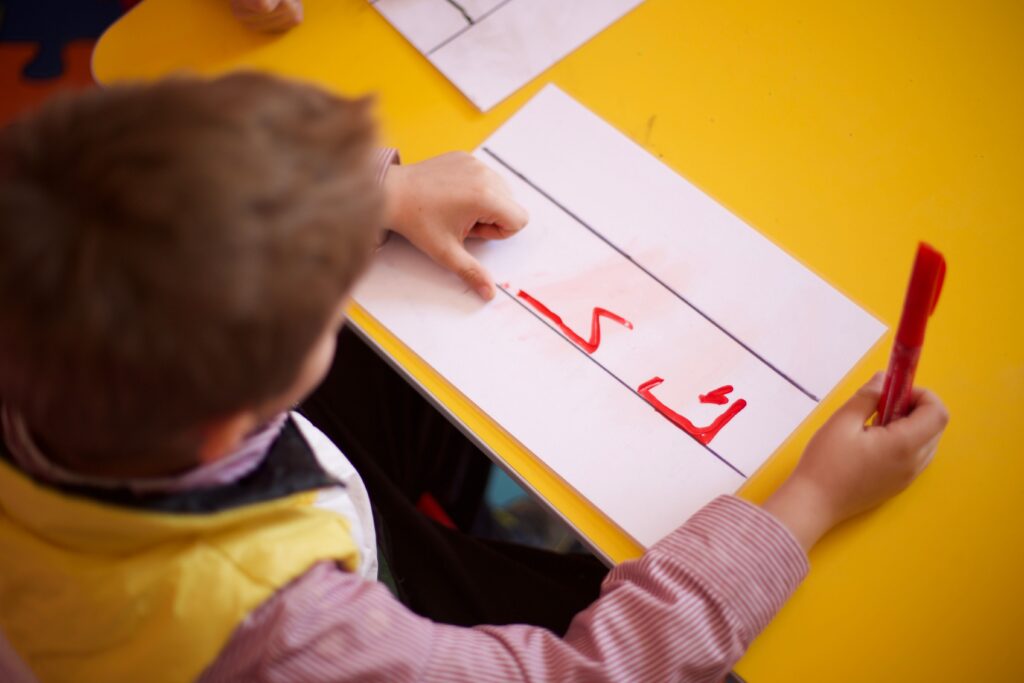
Learning to write doesn’t begin when a child picks up a pencil and starts forming letters. Writing development begins much earlier through activities that strengthen little hands, improve coordination, and teach children how to control their movements.
Preschoolers can build these important skills through play, drawing, tracing, cutting, building, sensory activities, and other hands-on experiences. These activities make learning enjoyable while preparing children for future handwriting.
This guide shares 30 pre-writing activities for preschoolers that parents, teachers, and homeschool educators can easily introduce at home or in the classroom.
What Are Pre-Writing Skills?
Pre-writing skills are the abilities children develop before they are ready to write letters and words independently.
These skills include:
- Hand and finger strength
- Fine motor control
- Hand-eye coordination
- Pencil control
- Visual tracking
- Ability to copy simple shapes
- Ability to draw lines
- Wrist stability
- Finger dexterity
- Proper sitting and paper positioning
- Understanding direction and movement
A child doesn’t need to master all these skills at once. They develop gradually through regular practice and play.
Why Are Pre-Writing Activities Important?
Writing requires much more than knowing the alphabet. Children need enough hand strength and coordination to control a pencil and make purposeful movements.
Pre-writing activities allow children to practice these movements without the pressure of forming perfect letters.
They can also help develop:
- Fine motor skills
- Concentration
- Visual-motor coordination
- Hand strength
- Creativity
- Confidence
- Spatial awareness
- Early handwriting readiness
The goal during preschool is not perfection. The goal is to give children plenty of enjoyable opportunities to practice.
30 Pre-Writing Activities for Preschoolers
1. Draw Straight Lines
Give your child a piece of paper and encourage them to draw horizontal, vertical, and diagonal lines.
You can turn this into a simple game by asking them to draw roads for toy cars or rain falling from clouds.
This helps children practice controlled pencil movements.
2. Trace Wavy Lines
Draw several wavy lines on paper.
Ask your preschooler to trace over them using a crayon, marker, or pencil.
Make the lines look like ocean waves, snakes, or winding roads to make the activity more engaging.
3. Follow the Dotted Path
Create a simple path using dots.
Ask the child to connect the dots from the beginning to the end.
Start with short, straight paths and gradually introduce curves and turns.
4. Shape Tracing
Draw large circles, squares, triangles, rectangles, and other simple shapes.
Let children trace around each shape.
Once they become comfortable, encourage them to draw the shapes independently.
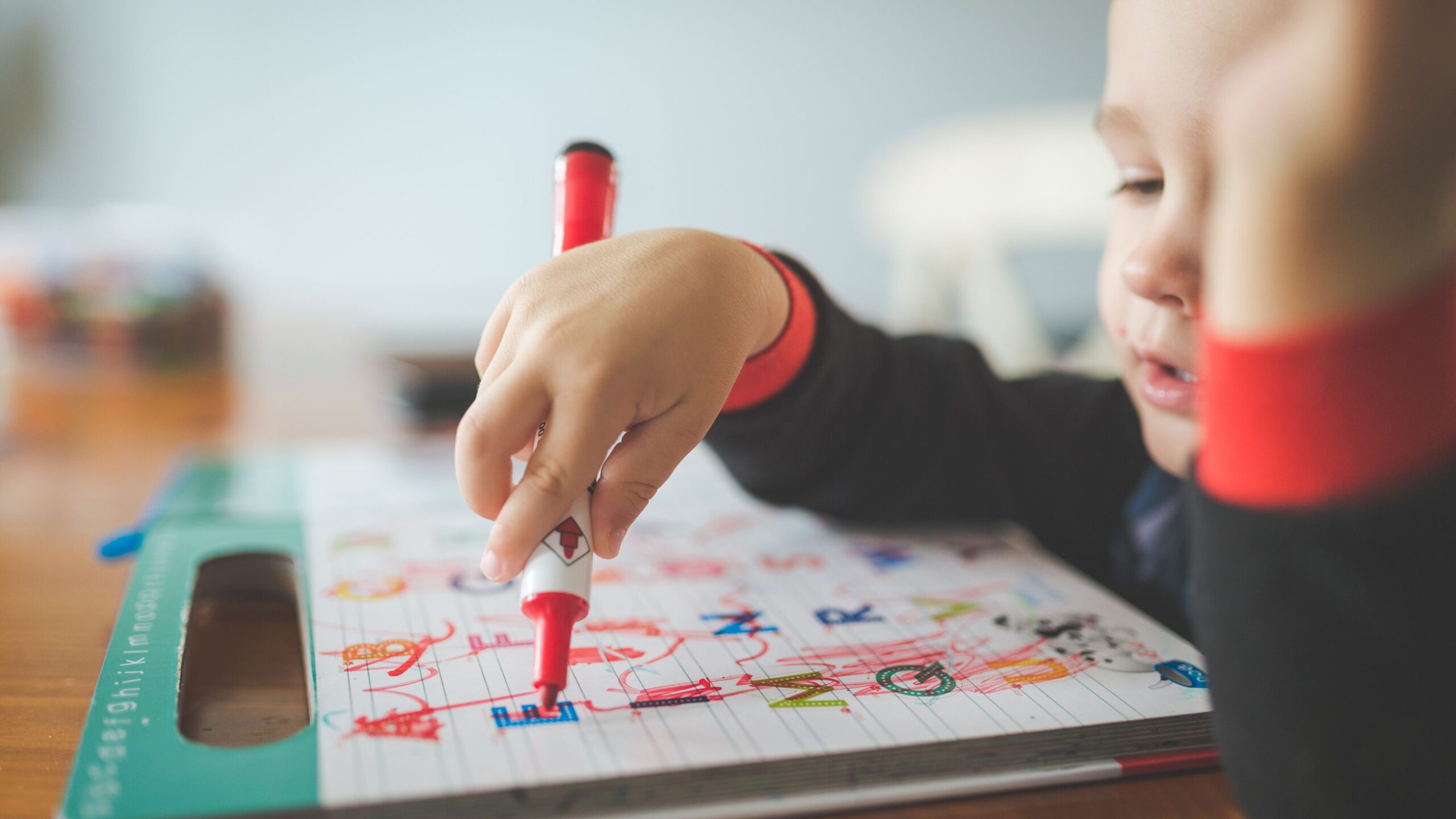
5. Playdough Letter Shapes
Give children playdough and ask them to roll long pieces.
They can use these pieces to make lines, circles, shapes, and eventually simple letters.
Playdough is particularly useful because squeezing, rolling, and shaping it strengthens the hands and fingers.
6. Sand Tray Writing
Fill a shallow tray with a thin layer of clean sand, salt, or another suitable sensory material.
Children can use their fingers to draw lines, circles, shapes, and simple patterns.
Finger writing gives children a chance to practice movements without needing to hold a pencil.
7. Shaving Cream Drawing
Spread a small amount of child-appropriate shaving cream over a washable surface.
Children can use one finger to draw lines, shapes, and patterns.
Always supervise this activity and make sure the product is appropriate for your child’s age and environment.
8. Finger Painting
Finger painting is more than an art activity.
Moving fingers across paper helps children develop hand control and explore different movements.
Ask children to create dots, lines, circles, spirals, and other patterns.
9. Sticker Paths
Draw simple paths on paper and provide small stickers.
Children can place stickers along the lines.
Picking up and positioning small stickers helps develop finger dexterity and hand-eye coordination.
10. Pom-Pom Transfer
Give children a bowl of pom-poms and another empty container.
Ask them to transfer the pom-poms using their fingers or child-safe tongs.
This strengthens the small muscles needed for pencil control.
11. Tweezer Pick-Up Game
Provide large, age-appropriate objects and child-safe tweezers.
Children can pick up objects and move them from one container to another.
This activity encourages precise finger movements.
Choose materials that aren’t choking hazards and supervise young children.
12. Clothespin Games
Give children clothespins and ask them to attach them around the edge of a box or piece of cardboard.
Opening and closing clothespins requires hand strength and coordination.
You can also turn the activity into a color-matching game.
13. Scissor Practice
Provide child-safe scissors and strips of paper.
Begin with simple snipping and gradually move toward straight lines, zigzags, and curves.
Scissor practice strengthens hand muscles and improves bilateral coordination.
14. Sticker Drawing
Give children a sheet of stickers and paper.
After placing the stickers, ask them to draw around them or connect them with lines.
For example, a sticker can become the sun while the child draws rays around it.
15. Rainbow Lines
Draw several large curved lines across a sheet of paper.
Ask children to trace each line using a different color.
This turns repetitive practice into a colorful art project.
16. Road Map Drawing
Draw roads across a large sheet of paper.
Children can use crayons to trace the roads with their fingers first and then with a pencil or marker.
Add toy cars to make the activity more interactive.
This helps children practice direction and controlled movement.
17. Dot-to-Dot Pictures
Create simple dot-to-dot pictures suitable for preschoolers.
Start with just a few dots.
As children become more confident, introduce slightly more complicated pictures.
This activity combines visual tracking with pencil control.
18. Drawing Spirals
Ask children to draw large spirals.
They can pretend they’re drawing snail shells, tornadoes, or colorful whirlpools.
Start with large movements before gradually encouraging smaller spirals.
19. Make a Pattern
Draw a simple pattern such as:
Line → Circle → Line → Circle
Ask the child to continue it.
You can also use dots, waves, zigzags, and simple shapes.
This combines pre-writing movements with early pattern recognition.
20. Chalkboard Drawing
Give children sidewalk chalk or chalk designed for an appropriate surface.
Encourage them to draw large shapes, lines, circles, and pictures.
Large drawing movements can help children practice shoulder and arm control.
21. Vertical Surface Drawing
Tape a large sheet of paper to a wall or easel.
Allow children to draw while standing.
Drawing on a vertical surface can encourage different wrist and arm positions while strengthening the muscles involved in controlled drawing.
Make sure the surface and materials are safe and suitable for your child.
22. Water Painting
On a suitable outdoor surface, give children a paintbrush and a container of water.
Let them “paint” lines, shapes, letters, or pictures.
As the water dries, they can create new drawings.
This is a simple, low-mess activity.
23. Cotton Swab Painting
Place small amounts of washable paint on paper.
Children can use cotton swabs to make dots, lines, and patterns.
The small movements encourage finger control.
24. Pasta Threading
Provide large pasta pieces with string or a suitable threading cord.
Children can thread the pieces to create necklaces or patterns.
This activity develops hand-eye coordination and finger dexterity.
Choose large materials appropriate for the child’s age and supervise closely.
25. Button Sorting
Give children large buttons or other safe sorting materials.
Ask them to sort objects by color, size, or shape.
Picking up and moving individual objects provides opportunities to practice the finger movements needed for later writing.
Avoid small objects with children who may put items in their mouths.
26. Trace Around Objects
Place a simple object on paper and help your child trace around it.
Try cups, blocks, cookie cutters, or other suitable objects.
Children can then color inside the shapes they created.
This activity combines tracing, visual control, and creativity.
27. Sticker Letter Formation
Place stickers along the outline of a large letter.
Children can follow the sticker path with their fingers and then trace the same letter with a crayon.
This provides a playful introduction to letter formation.
28. Make Letters With Pipe Cleaners
Give children flexible craft materials and show them how to bend them into simple shapes and letters.
Start with easy letters containing straight lines.
This combines creativity with early letter awareness.
29. Finger Trace Before Pencil Trace
Before asking a child to trace a letter or shape with a pencil, let them trace it with their finger.
Say the movement aloud:
“Start at the top, go down, and across.”
This gives children a chance to understand the movement before adding pencil control.
30. Draw a Picture Every Day
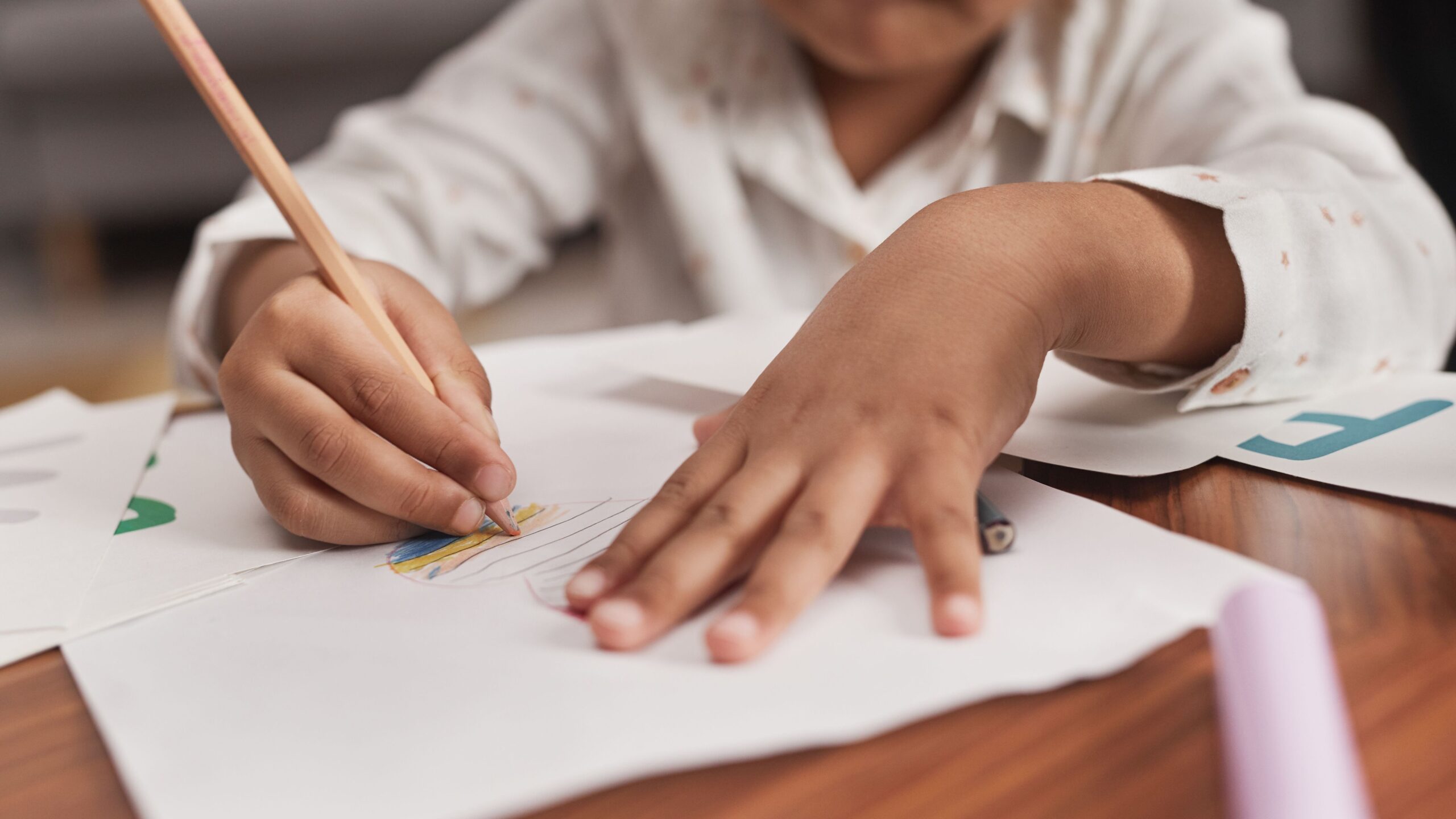
Give your child a few minutes each day to draw anything they want.
They might draw their family, animals, houses, flowers, vehicles, or imaginary characters.
Free drawing is an important part of pre-writing development because it allows children to practice controlling writing tools without feeling like they’re completing a worksheet.
Pre-Writing Activities for 3-Year-Olds
Three-year-olds are still developing basic hand and finger control.
Focus on playful activities such as:
- Finger painting
- Playdough
- Large crayons
- Simple lines
- Sticker activities
- Drawing circles
- Water painting
- Large puzzles
- Simple threading
- Building blocks
Don’t worry if your child doesn’t draw recognizable pictures or letters yet.
Pre-Writing Activities for 4-Year-Olds
Four-year-olds can often begin practicing more controlled movements.
Try:
- Wavy-line tracing
- Zigzag lines
- Shape tracing
- Simple mazes
- Scissor activities
- Playdough letters
- Dot-to-dot pictures
- Pattern drawing
- Vertical drawing
- Basic letter tracing
Keep activities short and fun.
Pre-Writing Activities for 5-Year-Olds
Many five-year-olds are ready for more structured writing-readiness activities.
You can introduce:
- Letter formation practice
- Name tracing
- Number tracing
- Simple mazes
- Shape copying
- Pattern drawing
- Pencil-control worksheets
- Drawing detailed pictures
- Writing simple words when developmentally appropriate
Children develop at different rates, so avoid comparing one child with another.
How to Improve Pencil Control
Pencil control develops gradually.
Before focusing heavily on handwriting, give children plenty of opportunities to strengthen their hands through play.
Activities such as playdough, building blocks, threading, cutting, drawing, coloring, and using tongs can provide valuable practice.
When children draw, encourage them to use controlled movements rather than rushing across the page.
Short activities repeated regularly are usually more enjoyable than long practice sessions.
Choosing the Right Writing Tools
Preschoolers can experiment with different tools, including:
- Chunky crayons
- Washable markers
- Short colored pencils
- Child-friendly pencils
- Chalk
- Paintbrushes
- Finger-paint tools
There isn’t one tool that every child must use.
The important thing is to give children opportunities to experiment with different writing and drawing movements.
Should Preschoolers Practice Writing Letters?
Some preschoolers enjoy learning letters early, while others are more interested in drawing and play.
Both can be appropriate.
If a child shows interest in letters, introduce them gradually through playful activities. Avoid turning every activity into handwriting practice.
Children benefit from developing the underlying skills first, including hand strength, visual-motor coordination, and controlled movements.
Signs Your Child May Need More Fine Motor Practice
A preschooler may benefit from additional fine motor opportunities if they frequently struggle with activities such as:
- Holding crayons comfortably
- Using scissors
- Building with blocks
- Manipulating playdough
- Completing simple puzzles
- Drawing basic shapes
- Picking up small objects safely
- Controlling drawing movements
This doesn’t automatically mean there is a developmental problem. Children develop at different rates.
If you have ongoing concerns about your child’s motor development, discuss them with a pediatrician, teacher, or qualified child-development professional.
Tips for Making Pre-Writing Practice Fun
Pre-writing activities should feel like play rather than a test.
Keep Activities Short
Preschoolers generally have limited attention spans. A few minutes of focused practice can be enough.
Follow Your Child’s Interests
If your child loves dinosaurs, make dinosaur roads to trace.
If they love flowers, create flower-shaped tracing activities.
Connecting learning to interests makes practice more enjoyable.
Use Different Materials
Don’t rely only on worksheets.
Use playdough, sand, paint, chalk, stickers, blocks, and everyday objects.
Praise Effort
Instead of saying:
“Your letter isn’t perfect.”
try:
“You worked really hard to follow that line!”
Positive feedback encourages children to keep practicing.
Avoid Forcing Writing
If a child becomes frustrated, take a break and try another activity.
Writing readiness develops through repeated experiences, not pressure.

Pre-Writing Activities Without Worksheets
Worksheets can be useful sometimes, but they aren’t necessary for building early writing skills.
You can practice pre-writing through everyday play.
For example, children can:
- Draw roads for toy cars
- Make shapes with playdough
- Paint with water
- Draw in sand
- Build letters with blocks
- Use stickers to make patterns
- Cut paper strips
- Trace objects
- Draw pictures
- Make pretend menus
These activities can be just as engaging while giving children meaningful practice.
How Parents Can Support Writing Readiness at Home
Create a small art and writing area where your child can easily access appropriate crayons, paper, coloring materials, and other supplies.
Encourage drawing during everyday activities.
Your child might create a shopping list while you prepare groceries, draw a birthday card for a family member, or make a picture to accompany a favorite story.
The goal is to show children that drawing and writing are useful ways to communicate ideas.
How Teachers Can Use Pre-Writing Activities in Preschool
Teachers can include writing-readiness activities in learning centers.
A classroom might have:
Writing Center: Paper, crayons, markers, and tracing materials.
Sensory Center: Sand or another suitable sensory medium for finger tracing.
Fine Motor Center: Tongs, threading activities, blocks, and playdough.
Art Center: Painting, drawing, and cutting activities.
Rotating materials regularly can keep children interested without requiring complicated lesson plans.
Common Mistakes to Avoid
Starting With Letter Worksheets Too Early
Children need foundational skills before they can comfortably form letters.
Correcting Every Drawing
Preschool art doesn’t need to look realistic or perfect.
Comparing Children
Development varies widely. One child may love writing at four while another may prefer drawing.
Making Practice Too Long
Long sessions can lead to frustration and reduce motivation.
Focusing Only on Pencil Grip
Pencil grip is one part of writing readiness. Hand strength, coordination, visual skills, and overall control also matter.
Turning Every Activity Into a Lesson
Children learn through play. Not every activity needs a worksheet, assessment, or specific academic goal.
Frequently Asked Questions
What are the best pre-writing activities for preschoolers?
Some of the most useful activities include drawing lines and shapes, tracing, playdough, finger painting, sensory writing, sticker activities, cutting, threading, building, and free drawing.
What age should children start pre-writing activities?
Pre-writing development begins naturally through play during the toddler and preschool years. Activities should be matched to the child’s developmental level rather than a strict age requirement.
How can I improve my preschooler’s pencil control?
Offer frequent opportunities to draw, color, trace, use playdough, cut paper, use tongs, thread objects, and manipulate building materials.
Does coloring help with writing skills?
Yes. Coloring gives children opportunities to practice controlling a writing tool and staying within a defined space. However, it should be one of many different fine motor activities.
Should a 4-year-old be able to write their name?
Children develop at different rates. Some four-year-olds may write their names independently, while others are still developing the skills needed for letter formation. Provide opportunities without creating unnecessary pressure.
What should a child learn before writing letters?
Children benefit from developing hand strength, fine motor control, hand-eye coordination, visual tracking, basic shape knowledge, and the ability to control drawing movements.
How often should preschoolers practice pre-writing?
Short, enjoyable activities can be included regularly throughout the week. There is no need for long daily handwriting sessions.
Conclusion
Pre-writing activities for preschoolers are an important part of early childhood learning, but they don’t have to feel like formal schoolwork. Children can build writing readiness through drawing, painting, playdough, tracing, cutting, sensory play, stickers, building, threading, and many other playful experiences.
The most important thing is to provide regular opportunities to strengthen little hands and practice controlled movements while keeping activities enjoyable.
Remember that every child develops at their own pace. Some preschoolers will become interested in letters early, while others may spend more time drawing, building, and exploring. Both paths can support healthy development.
Instead of focusing on perfect handwriting, celebrate curiosity, effort, creativity, and progress. With patient guidance and plenty of hands-on practice, children can gradually develop the confidence and skills they need to become successful young writers.

Aina Arif is a mother of two young children and the founder of NatureNestia. Based in Pakistan, she spent three years as an early childhood educator before becoming a full-time parent and writer. She writes about learning through play, managing difficult behaviour, and building strong family bonds.