
Introduction
Learning shapes is one of the first steps toward understanding the world of mathematics. Preschoolers see circles, squares, triangles, rectangles, and other shapes everywhere, from plates and windows to signs, toys, and books. When children learn to recognize and describe these shapes, they begin developing important early math and visual skills.
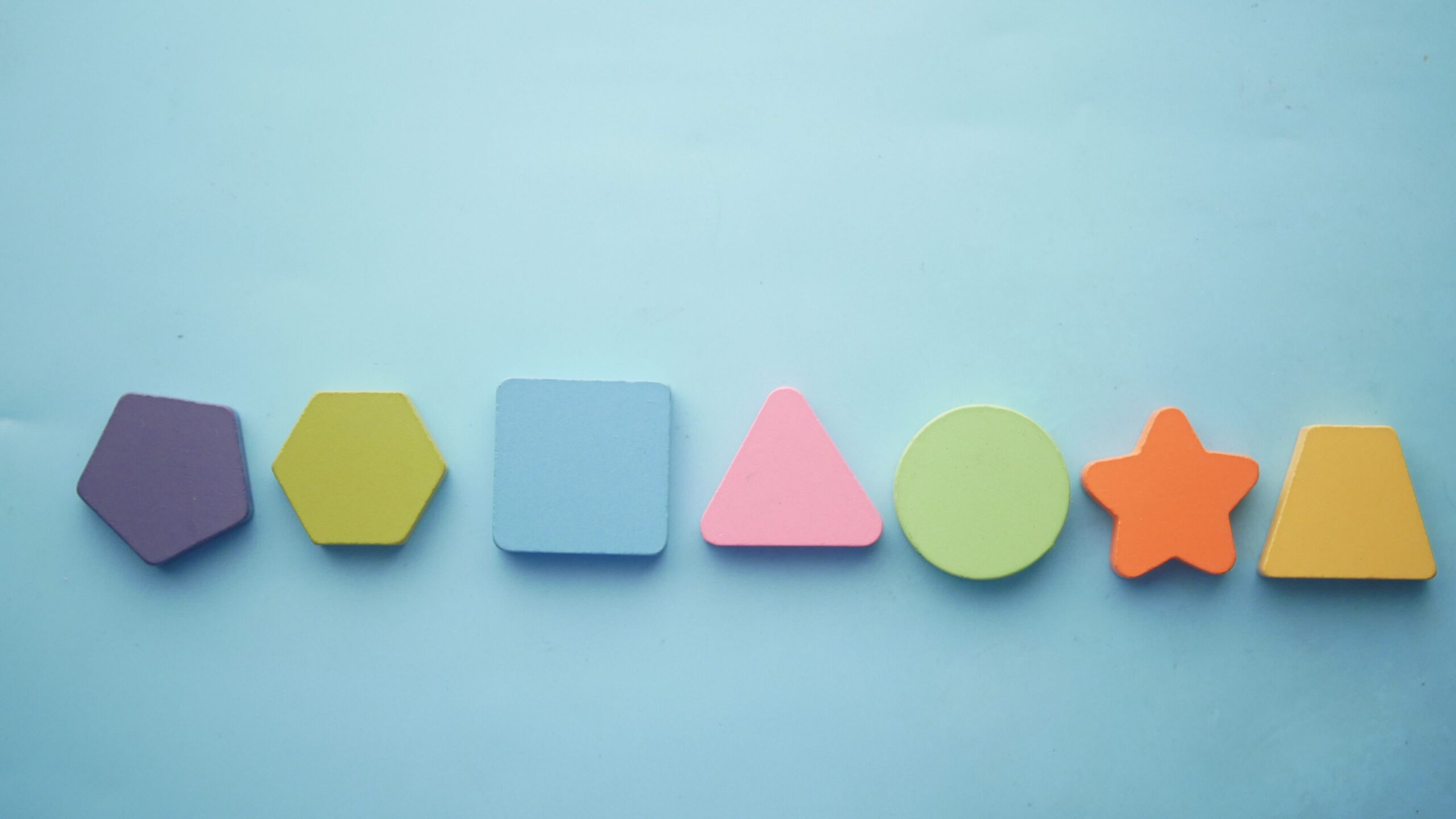
The best way to teach shapes is through hands-on play rather than asking children to memorize names from worksheets. Shape recognition activities for preschoolers can turn everyday objects, crafts, games, sensory play, and outdoor exploration into opportunities for learning.
In this guide, you’ll find 25 fun and simple shape activities that parents and teachers can use at home, in preschool, or during homeschool learning. Most activities require inexpensive materials and can easily be adjusted for different ages and abilities.
What Is Shape Recognition?
Shape recognition is a child’s ability to notice, identify, match, and distinguish different shapes.
For example, a child may learn that a ball is round and that a window may look like a rectangle. Later, they can recognize the same shapes even when they appear in different sizes or orientations.
Children gradually learn to notice characteristics such as:
- Number of sides
- Straight or curved edges
- Corners
- Size
- Position
- Overall appearance
Early shape learning isn’t about memorizing complicated geometry. It’s about helping children observe similarities and differences.
Why Is Shape Recognition Important for Preschoolers?
Learning shapes supports several areas of early development.
When children sort, match, draw, build, and identify shapes, they practice visual discrimination, spatial awareness, problem-solving, memory, and early mathematical thinking.
Shape activities can also support:
- Early geometry skills
- Visual perception
- Hand-eye coordination
- Fine motor development
- Vocabulary
- Observation
- Classification
- Problem-solving
- Pattern recognition
- Spatial reasoning
These skills can later support more advanced mathematics and everyday tasks.
25 Shape Recognition Activities for Preschoolers
1. Shape Hunt Around the House
Choose one shape and ask your child to find objects that have a similar shape.
For example, look for circles around the house.
Your child might find a plate, clock, lid, or toy.
Then try squares, rectangles, and triangles.
This activity helps children understand that shapes exist beyond worksheets.
2. Shape Scavenger Hunt
Create a simple list of shapes such as:
Circle
Square
Triangle
Rectangle
Take your child around the house, classroom, or outdoor area and look for examples.
Children can point to each shape when they find it.
For older preschoolers, encourage them to draw or record what they found.
3. Shape Sorting
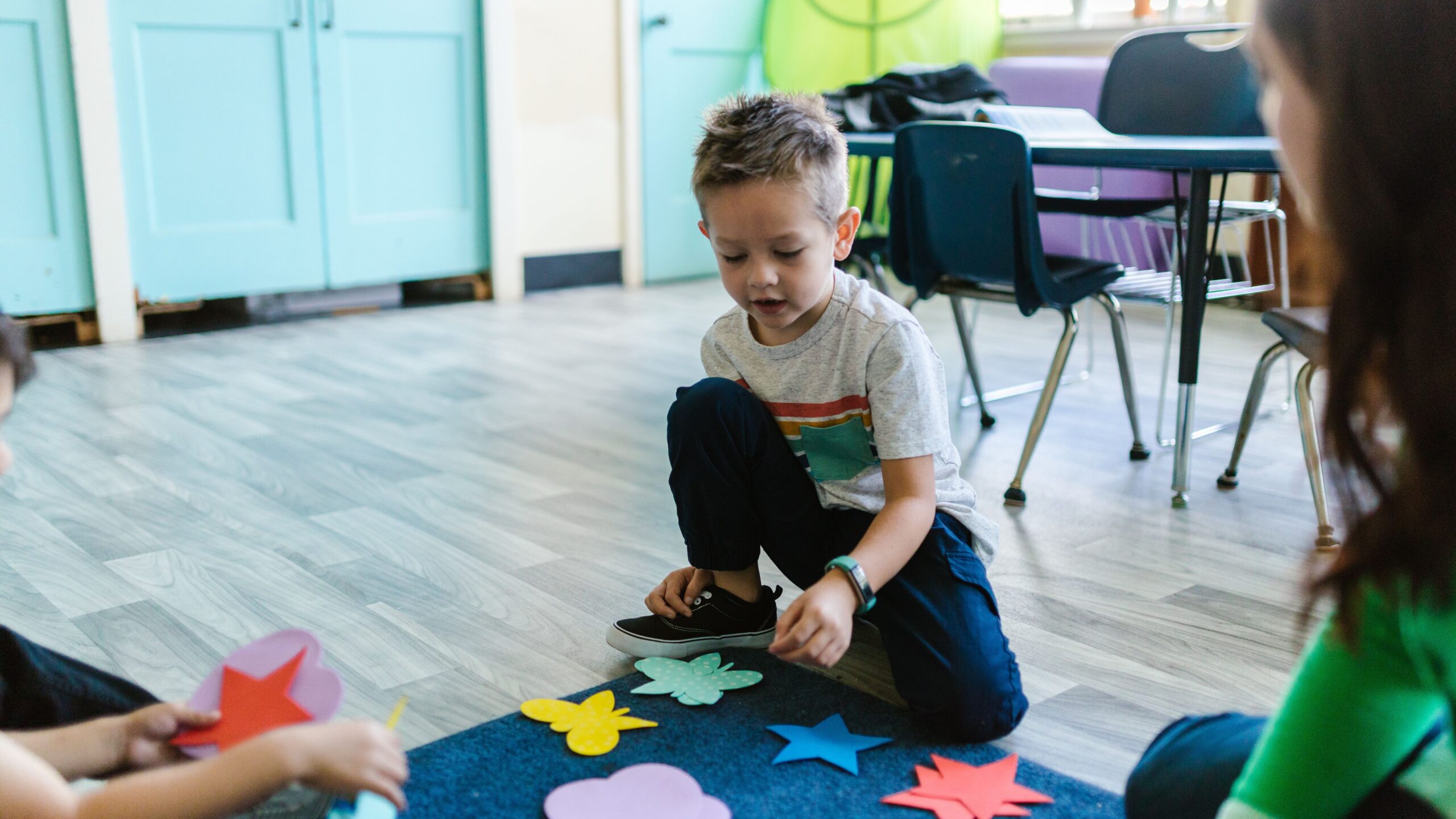
Cut several large shapes from different colored papers.
Mix them together and ask children to sort them into groups.
They can create one group for circles, another for squares, and another for triangles.
Once children understand basic sorting, introduce different sizes and colors.
This teaches them to focus on shape rather than color alone.
4. Shape Matching Cards
Make pairs of cards containing identical shapes.
Place the cards face up and ask your child to find matching pairs.
You can make the game more challenging by using different colors while keeping the shape the same.
This encourages children to pay attention to shape characteristics.
5. Shape Memory Game
Create pairs of shape cards and place them face down.
Children take turns turning over two cards at a time.
If the shapes match, they keep the pair.
For younger children, use only a few pairs.
As their memory and recognition improve, add more cards.
6. Make Shapes With Playdough
Give your child some playdough and ask them to create different shapes.
They can roll the playdough into long pieces and connect them to make triangles, squares, and rectangles.
For circles, children can make a long piece and carefully join the ends.
This activity combines shape learning with fine motor practice.
7. Shape Tracing
Place large shape templates on paper.
Children can trace around circles, squares, triangles, rectangles, and ovals.
After tracing, let them decorate the shapes.
This activity can also support the pre-writing skills children develop before handwriting.
8. Shape Drawing Challenge
Ask children to draw a specific shape.
Start with simple instructions:
“Can you draw a circle?”
Then move to:
“Can you draw a triangle with three sides?”
Don’t worry about perfect shapes. The purpose is to encourage observation and controlled drawing.
9. Build Shapes With Craft Sticks
Use craft sticks to make shapes.
Children can arrange sticks to create triangles, squares, rectangles, and other designs.
Ask questions such as:
“How many sticks did you use?”
“How many corners does your shape have?”
This introduces basic geometry vocabulary through play.
10. Shape Collage
Cut different shapes from colored paper.
Give children glue and a large sheet of paper.
They can arrange the shapes to create a picture.
A circle can become a sun, rectangles can become buildings, and triangles can become roofs.
The finished artwork can become a fun shape-learning poster.
11. Shape Stamping
Use washable paint and safe objects that have recognizable shapes.
Children can dip the objects into paint and stamp them onto paper.
Talk about the shape of each print.
Always choose materials that are safe and easy for children to handle.
12. Shape Puzzle Activity
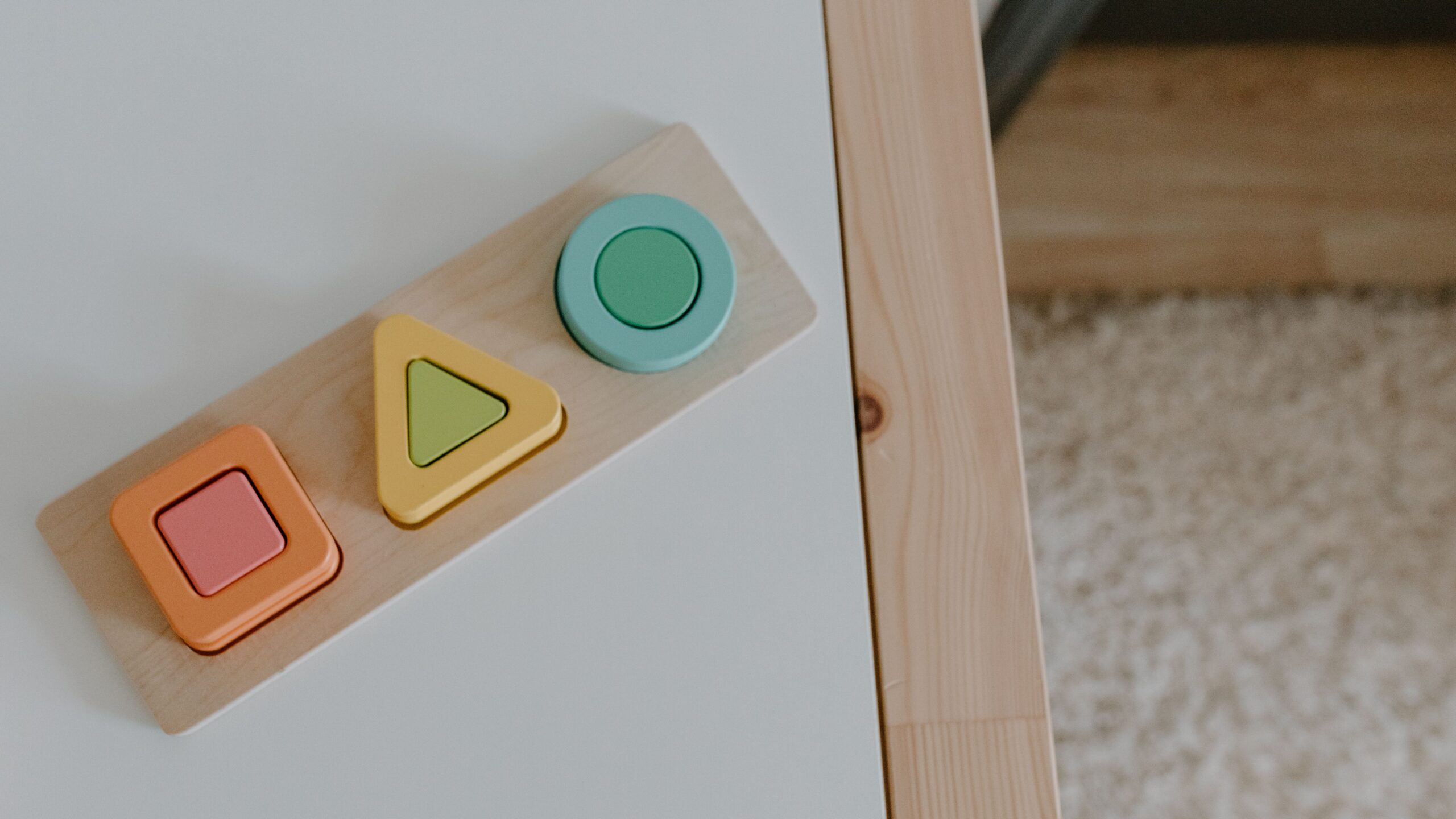
Use age-appropriate shape puzzles.
Children can match each piece to the correct opening.
As they work, encourage them to name the shapes.
“Where does the triangle go?”
“Can you find the circle?”
Puzzles combine shape recognition with problem-solving.
13. Shape Sorting With Buttons
Use large, safe objects that have different shapes and ask children to sort them.
For young children, avoid small objects that could become choking hazards.
The activity can be done using large buttons, blocks, foam shapes, or other suitable materials.
14. Shape Hop Game
Draw large shapes on the floor using washable chalk or place large paper shapes on the ground.
Call out a shape.
The child jumps to that shape.
For example:
“Jump to the triangle!”
This combines movement with shape recognition.
15. Shape Walk Outdoors
Take your child outside for a shape walk.
Look at:
- Windows
- Doors
- Signs
- Wheels
- Roofs
- Fences
- Leaves
- Playground equipment
Ask children what shapes they can see.
This shows them that early math exists in their everyday environment.
16. Shape Sorting by Size
Prepare the same shape in different sizes.
For example, provide small, medium, and large circles.
Ask children to group them by shape first.
Then ask them to arrange them from smallest to largest.
This introduces both shape recognition and early measurement concepts.
17. Shape Bingo
Create simple bingo cards containing different shapes.
Call out one shape at a time.
Children cover the matching shape on their cards.
You can use household objects as markers or make simple paper markers.
This works well for small groups.
18. Shape Fishing Game
Make paper shapes and attach them to a safe homemade fishing setup.
Call out a shape and ask the child to “catch” it.
For example:
“Can you catch the square?”
This turns recognition practice into an active game.
Use age-appropriate materials and supervise children throughout the activity.
19. Make a Shape Robot
Give children different paper shapes and ask them to create a robot.
They might use:
- Circles for eyes
- Rectangles for the body
- Squares for buttons
- Triangles for decorations
Afterward, ask them to name the shapes they used.
This encourages creativity while reinforcing shape vocabulary.
20. Shape Animals
Create animals using basic shapes.
A circle might become a face, triangles can become ears, and ovals can become bodies.
Let children choose the shapes themselves.
Ask:
“Which shape did you use for the ears?”
This encourages children to connect shapes with pictures.
21. Shape Sensory Tray
Fill a shallow tray with a suitable sensory material.
Hide large foam or plastic shapes inside.
Children search for the shapes using their hands.
When they find one, ask them to name it.
Choose materials appropriate for the child’s age and supervise sensory play.
22. Shape Patterns
Create a simple pattern such as:
Circle → Square → Circle → Square
Ask the child what comes next.
Once they understand simple patterns, introduce three-shape sequences.
This combines shape recognition with early logical thinking.
23. Shape and Object Matching
Place shape cards beside everyday objects.
Ask children to match the object with a similar shape.
For example:
Plate → Circle
Book → Rectangle
Window → Rectangle
Slice of some foods → Triangle
This helps children transfer classroom learning into everyday life.
24. Shape Building With Blocks
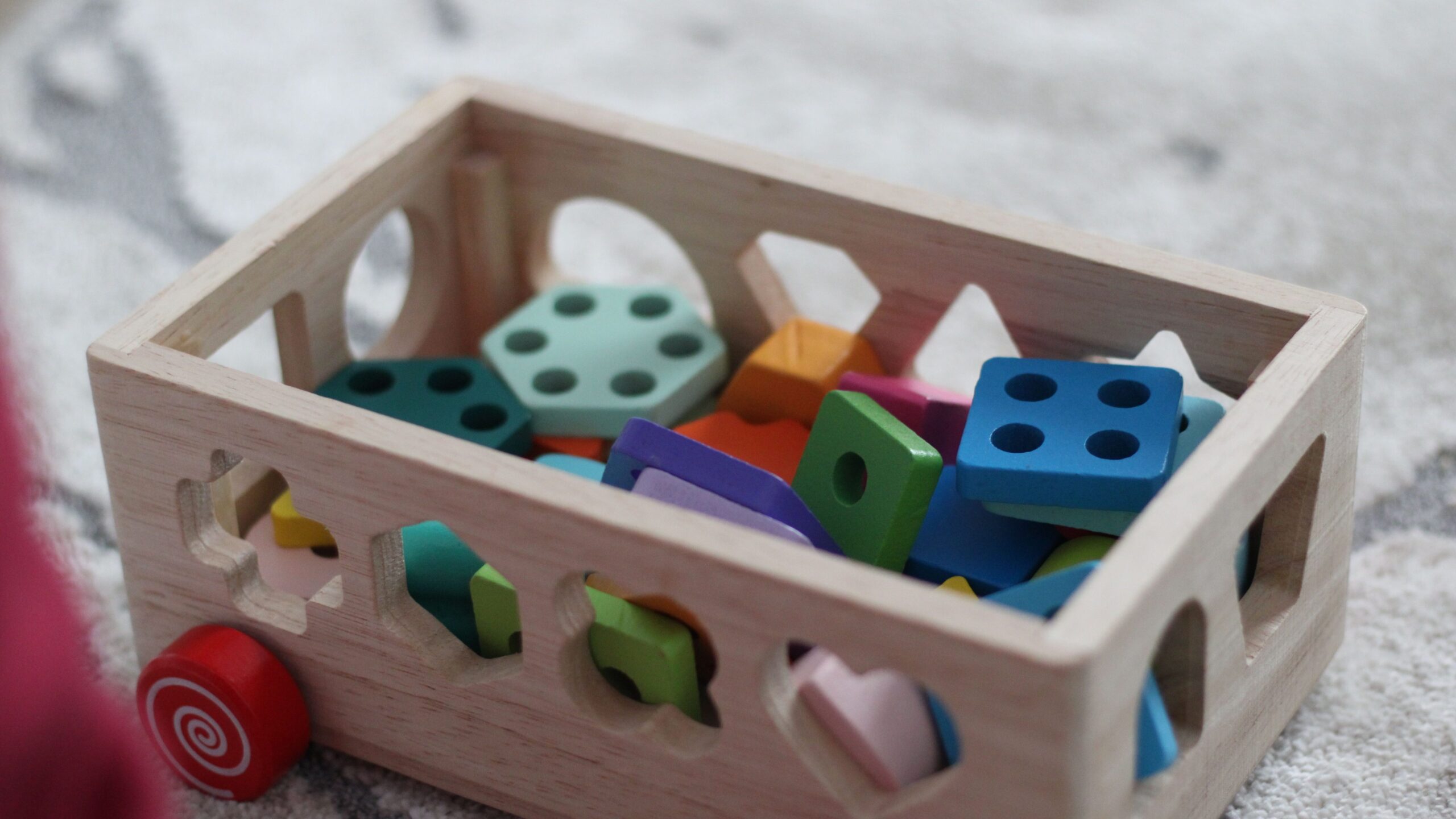
Use blocks to create different shapes and structures.
Children can build squares, rectangles, towers, houses, and other designs.
Encourage them to talk about the shapes they are using.
Building also supports spatial awareness and problem-solving.
25. Shape Story Time
Create a simple story featuring different shapes.
For example:
“One little circle went for a walk and met a triangle. Then they found a big square house.”
Pause during the story and ask children to identify each shape.
You can also let children draw the shapes from the story afterward.
Shape Activities for 3-Year-Olds
Three-year-olds generally benefit from simple activities involving common shapes.
Focus on:
- Circles
- Squares
- Triangles
- Rectangles
Good activities include shape hunts, matching cards, playdough shapes, shape puzzles, and simple sorting.
Keep instructions short and repeat shape names naturally during play.
Shape Activities for 4-Year-Olds
Four-year-olds can begin exploring shapes in greater detail.
Try:
- Shape patterns
- Shape drawing
- Shape collages
- Shape sorting
- Shape scavenger hunts
- Shape puzzles
- Building shapes with sticks
- Matching objects to shapes
Ask simple questions about sides and corners.
For example:
“How many corners can you find?”
Shape Activities for 5-Year-Olds
Older preschoolers may be ready to explore more shapes and characteristics.
You can introduce:
- Ovals
- Rhombuses
- Semicircles
- Hexagons
- Shape patterns
- Shape drawing challenges
- Shape classification
- Simple shape puzzles
- Building complex pictures from shapes
Continue reviewing basic shapes while introducing new ones gradually.
How to Teach Shapes Without Worksheets
Children can learn a great deal about shapes through everyday experiences.
Instead of relying entirely on worksheets, point out shapes naturally.
While eating, you might say:
“Look at your plate. What shape is it?”
During a walk:
“Can you find a rectangle?”
While playing with blocks:
“What shape did you build?”
These small conversations can reinforce learning without making children feel like they’re doing formal schoolwork.
How to Help Children Remember Shape Names
Repetition is helpful, but it doesn’t have to be boring.
Use songs, stories, movement, crafts, puzzles, and everyday conversations.
For example, whenever you see a circle, say:
“Circle—round with no corners.”
For a triangle:
“Triangle—three sides and three corners.”
Simple descriptions can help children connect a shape’s name with its characteristics.
Shape Recognition Through Art
Art provides a natural opportunity to practice shapes.
Ask children to create pictures using only basic shapes.
For example, challenge them to make:
- A house
- A robot
- A flower
- A vehicle
- A person
- A city
After they finish, ask them to identify the shapes they used.
This encourages children to see shapes as building blocks for pictures.
Common Mistakes When Teaching Shapes
Teaching Too Many Shapes at Once
Start with a few familiar shapes before introducing new ones.
Children need time to recognize shapes consistently.
Focusing Only on Shape Names
Knowing that something is called a triangle is useful, but children should also learn to notice its characteristics.
Talk about sides, corners, curves, and differences.
Using Only One Example
A child may learn that a red circle is a circle but struggle to recognize a blue or differently sized circle.
Use different colors, sizes, and orientations.
Expecting Perfect Drawings
Children may understand a shape before they can draw it accurately.
Recognition and drawing are different skills.
Turning Every Activity Into a Test
Learning through play is valuable.
Instead of constantly asking children to give the correct answer, casually discuss shapes during games and everyday activities.
Tips for Successful Shape Learning
Start Simple
Begin with familiar shapes and gradually increase difficulty.
Use Real Objects
Children often understand concepts better when they can connect them to things they see every day.
Repeat Naturally
Use shape names during play, meals, walks, crafts, and reading.
Let Children Move
Shape games involving jumping, walking, or searching can be especially engaging.
Combine Skills
Shape activities can also include counting, colors, patterns, drawing, cutting, and vocabulary.
Frequently Asked Questions
What are the best shape recognition activities for preschoolers?
Shape hunts, matching games, sorting, playdough shapes, shape puzzles, scavenger hunts, shape collages, and everyday object matching are excellent options.
What shapes should preschoolers learn first?
Most children begin with common shapes such as circles, squares, triangles, and rectangles. More complex shapes can be introduced gradually.
How can I teach shapes at home?
Use everyday objects, games, crafts, puzzles, books, and outdoor walks. You don’t need expensive educational materials.
How can I make shape learning fun?
Turn learning into games. Try shape hunts, jumping games, shape art, building challenges, sensory activities, and matching games.
Should preschoolers know all shapes?
No. Children develop at different rates. Focus on building familiarity with common shapes and gradually introducing new ones.
How do shapes help with early math?
Shape learning develops early geometry concepts, visual-spatial awareness, classification, pattern recognition, and problem-solving skills.
Can shape activities improve fine motor skills?
Yes. Activities such as tracing, drawing, cutting, playdough modeling, building, and shape crafts can combine shape learning with fine motor practice.
Conclusion
Learning shapes doesn’t have to involve endless worksheets or memorization. Preschoolers can discover geometry through play, art, movement, sensory activities, puzzles, building, and everyday exploration.
The 25 shape recognition activities in this guide give children many different ways to identify, match, sort, draw, and use shapes. Whether you’re playing a shape hunt at home, creating a shape robot, building with blocks, or looking for circles and rectangles outdoors, every activity can become a learning opportunity.
Remember to keep activities age-appropriate and enjoyable. Start with familiar shapes, repeat them naturally, and gradually introduce new challenges as your child becomes more confident.
Most importantly, let children explore. When preschoolers are encouraged to notice shapes in the world around them, early math becomes something they can see, touch, build, and enjoy rather than simply something they have to memorize.

Aina Arif is a mother of two young children and the founder of NatureNestia. Based in Pakistan, she spent three years as an early childhood educator before becoming a full-time parent and writer. She writes about learning through play, managing difficult behaviour, and building strong family bonds.